Some supercars are born into glory, while others were simply born in the wrong decade. These latter often slip from memory in favour of far more boisterous and flashy rivals, but frequently possess the engineering, performance, and rarity to hold their heads high in any concours lineup. They’re the connoisseur’s choice: the ones that don’t scream for attention but reward those who know where to look.
But more often than not, these machines were victims of bad timing, misunderstood technology, or simply being parked next to an icon that siphoned up all the oxygen. Beneath the dust of neglect, though, lies brilliance: innovative drivetrains, motorsport pedigree, and design details that today make them every bit as compelling as the day they rolled out of the factory.
Here are seven supercars that history has undervalued but that collectors and enthusiasts have, of late, rediscovered for their blend of performance, rarity, and character.
1. Acura NSX (Second generation)
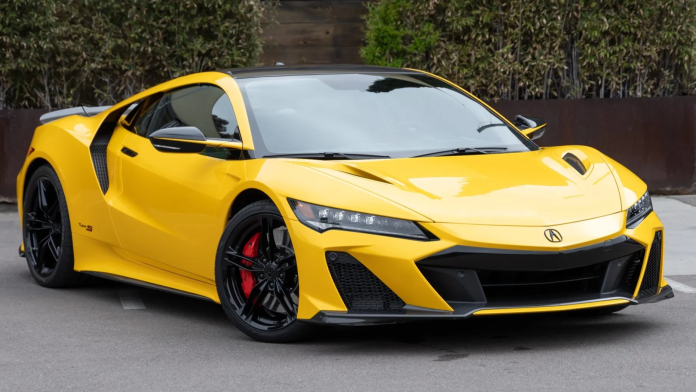
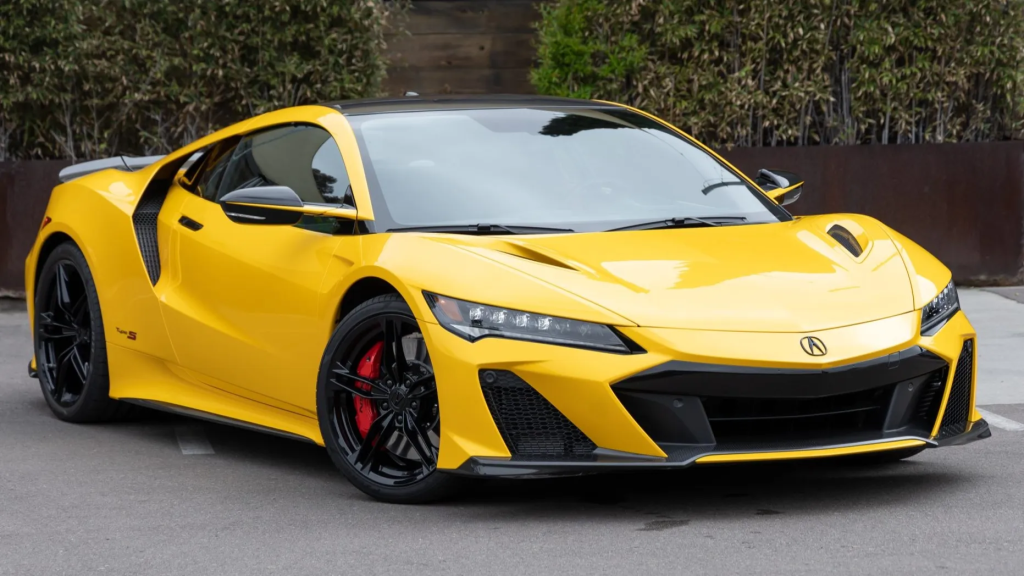
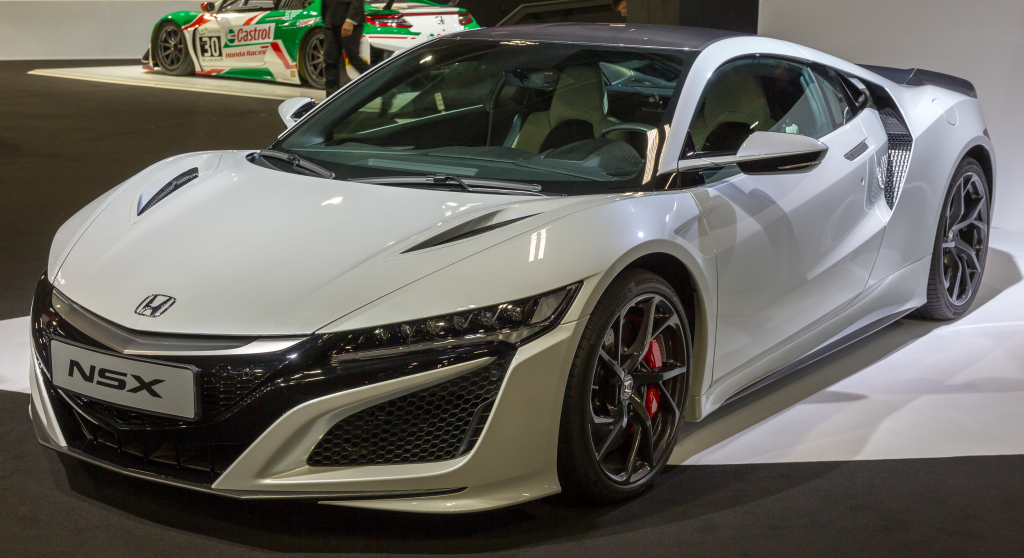
The second-gen NSX finally materialized in 2016, after a painfully long gestation that had started life as a planned front-engined V10 before morphing into a mid-engined hybrid. In combination, its 3.5‑liter twin‑turbo V6, three electric motors, and 1.3 kWh battery produced 573 hp, bumped to 600 hp in the 2022 Type S. It weighed 3,900 lb at the curb, yet could launch to 60 mph in 3.1 seconds (2.9 for the Type S) and reach 191 mph.
Praised for its everyday usability and hybrid precision, it was criticised for a cabin that borrowed too much from cheaper Hondas and a modest luggage space. Sales were modest – around 2,900 worldwide, including just 350 Type S models – making it rarer than many of its rivals. Low production, coupled with strong second‑hand demand, has kept values high: in 2023, Type S examples are available for over $270,000.
2. Jaguar XJ220
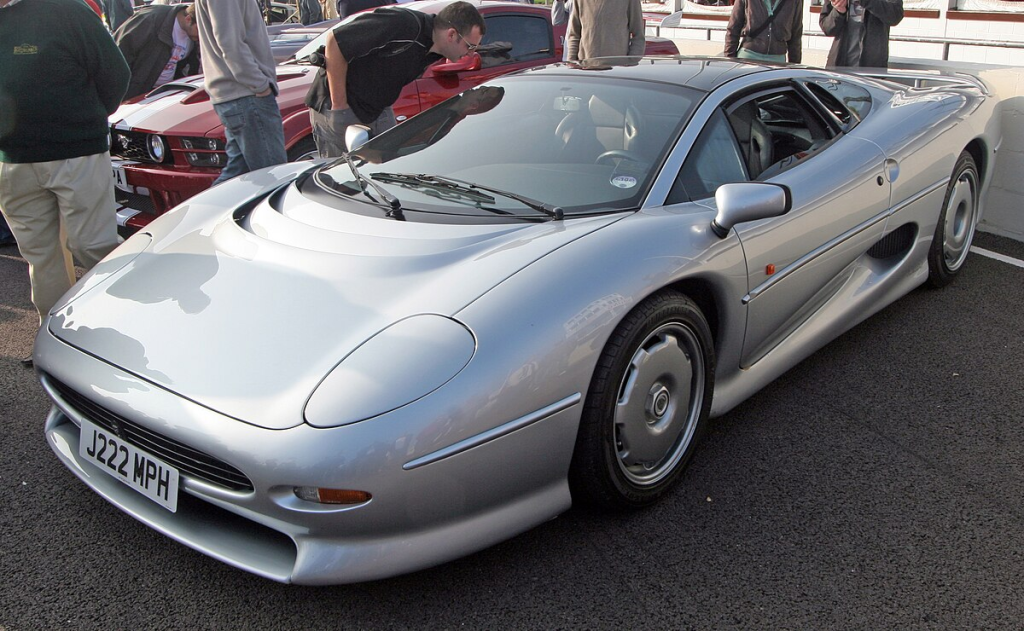
Conceived in 1988 as a Group B–B-inspired, all–wheel–drive V12, the XJ220’s production reality was a rear–drive, twin–turbo V6. The change – driven by emissions rules and complexity – alienated some early depositors, and the early‑1990s recession further dented demand. Still, the production car delivered 542 hp, 475 lb‑ft, and a verified 217 mph top speed, briefly making it the world’s fastest.
Only about 280 were built between 1992 and 1994, and many spent years unsold. Values languished for decades, but recent sales-such as this 703-mile example for $687,000-show renewed appreciation. As Classic & Sports Finance points out, prices now fall between £250,000 and £350,000, with concours cars being higher still, reflecting its status as one of the prettiest and most enigmatic ’90s supercars.
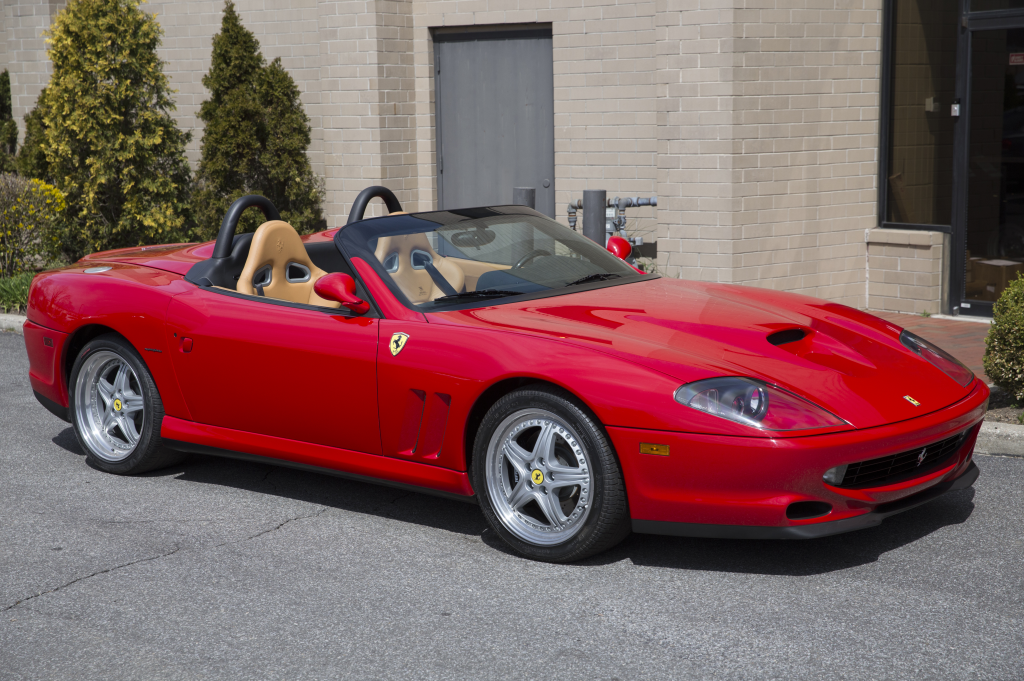
3. Ferrari 550 Barchetta Pininfarina
Only 448 of the 2000-era 550 Barchetta were built to celebrate Pininfarina’s 70th anniversary, and it followed a purist formula: front-mounted 5.5‑liter naturally aspirated V12, six‑speed gated manual, and no proper roof.
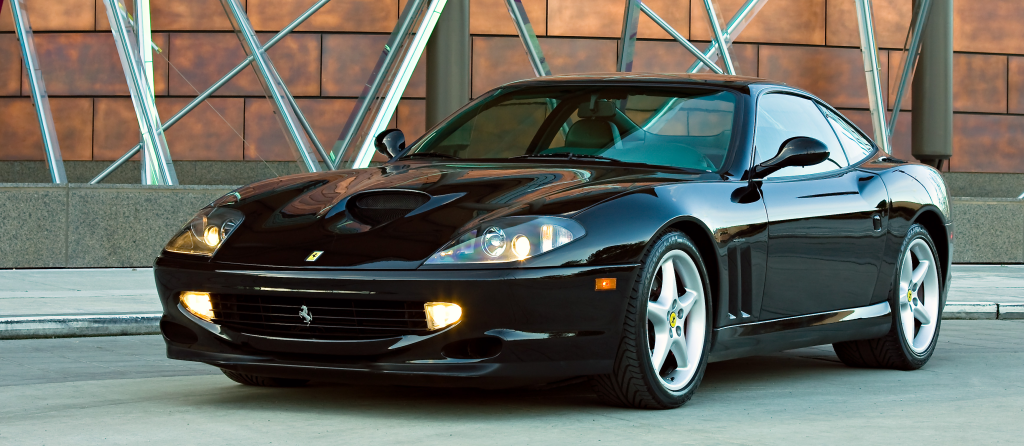
The emergency canvas top is famously awkward and unsuitable above 70 mph, but the clean rear deck and pronounced rollover hoops of the design make it one of Ferrari’s most distinctive open cars. Values have been volatile. Where a standard 550 Maranello sits around $150,000–$200,000, Barchettas have sold from $300,000 to over $720,000, depending on mileage and provenance. Hagerty notes that, while its production isn’t ultra‑low by Ferrari standards, its ingredients mirror the Daytona Spide, a $2 million car, suggesting further upside potential.
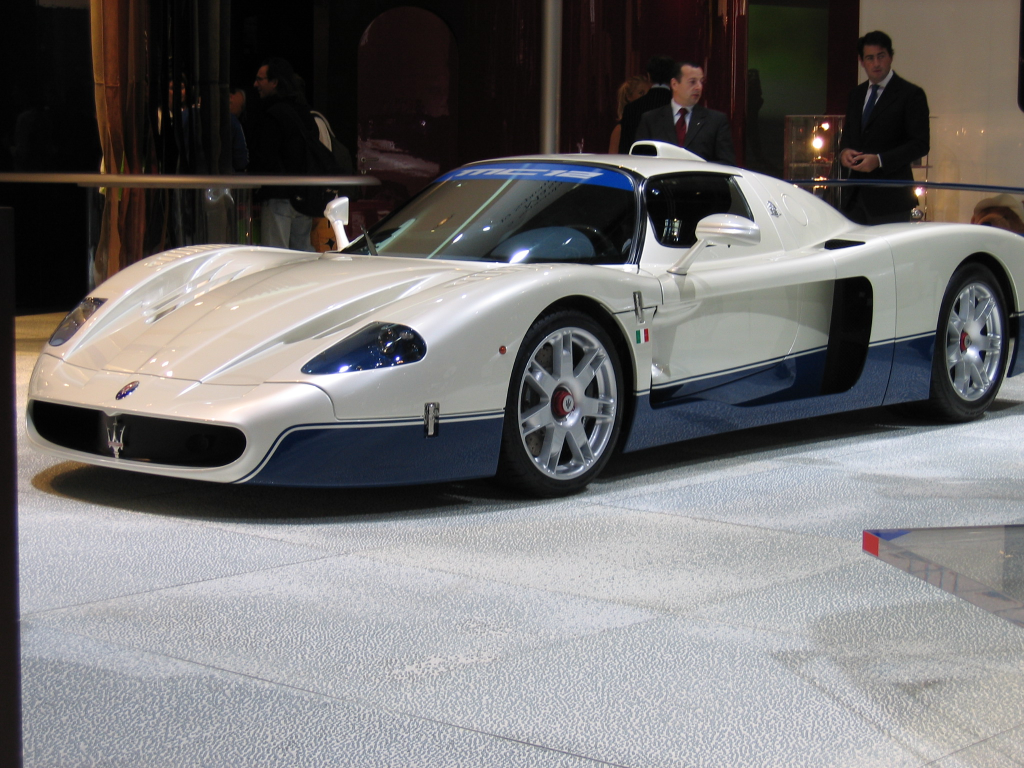
4. Maserati MC12 Stradale
The MC12 was Maserati’s ticket back into top‑tier GT racing, sharing its core with the Ferrari Enzo. Just 50 Stradale road cars were made to homologate the FIA GT1 racer, each equipped with a 6.0‑liter V12 producing 630 hp. Longer, wider, and wearing a Frank Stephenson‑penned body, it boasted a removable roof panel and more traditional suspension than the Enzo. On track and in competition, the MC12 dominated, racking up several FIA GT team and manufacturer titles.
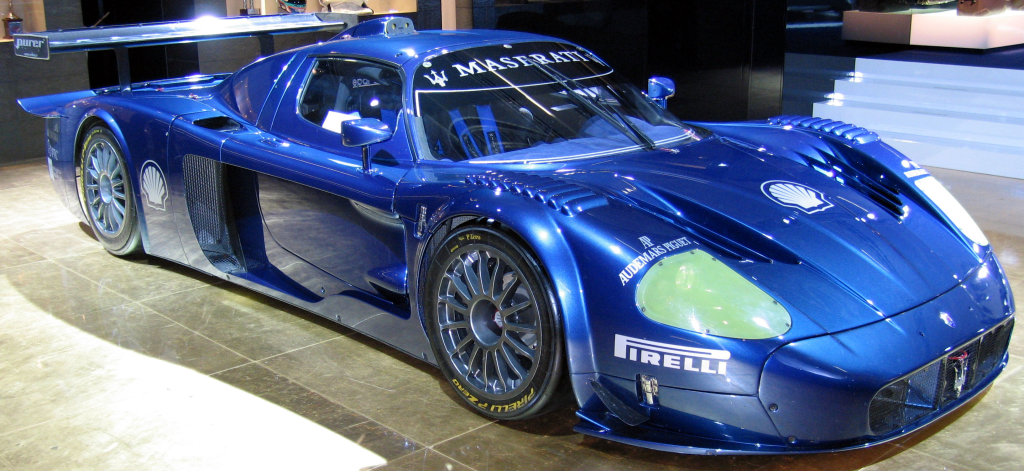
Today’s rarity-only one‑eighth as many were produced as Enzos-has collectors paying between $3 million and $5 million. “The MC12 is the pinnacle of the Maserati brand-it’s the marque’s first and only supercar and the car that put it back on the competition map,” says Alexander Weaver of Broad Arrow Auctions.
5. Bugatti EB110
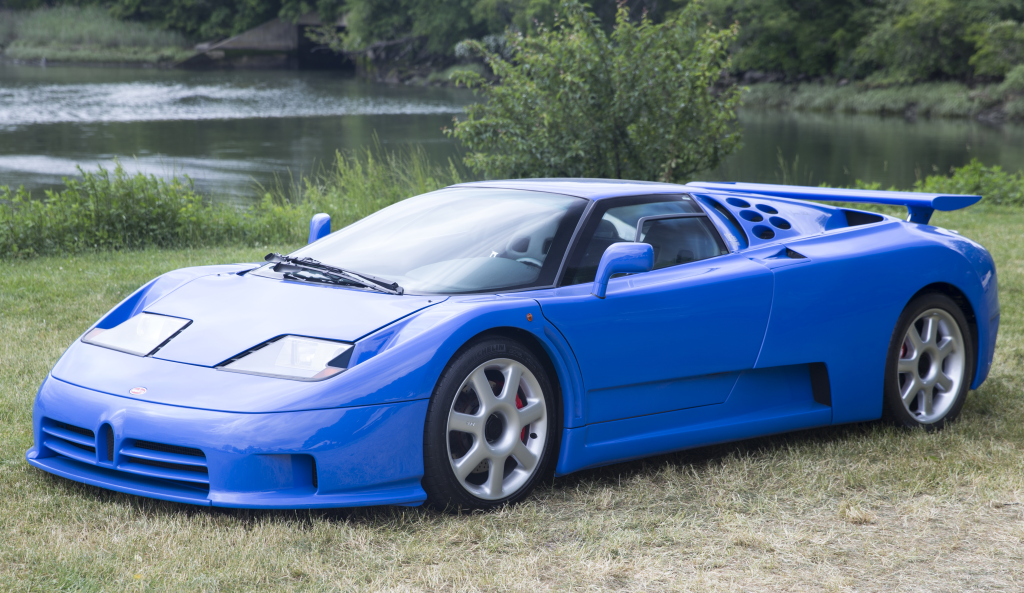
Unveiled in 1991 to mark Ettore Bugatti’s 110th birthday, the EB110 represented a technological leap: a carbon fiber monocoque, quad-turbo 3.5-liter V12, and all-wheel drive. The GT made 553 hp; the lighter SS pushed 603 hp, good for 0‑62 mph in 3.2 seconds and 221 mph. It was one of the few cars of its era able to run with the McLaren F1.
But despite its performance, Bugatti Automobili’s financial collapse in 1995 cut production to just 139 units, and values have trailed other ’90s exotics, averaging around $2.3 million. Its influence is clear: the Veyron and Chiron both inherited its quad-turbo philosophy. And Michael Schumacher famously owned a yellow SS, further cementing its legend.
6. Mercedes-Benz SL65 AMG (R230)
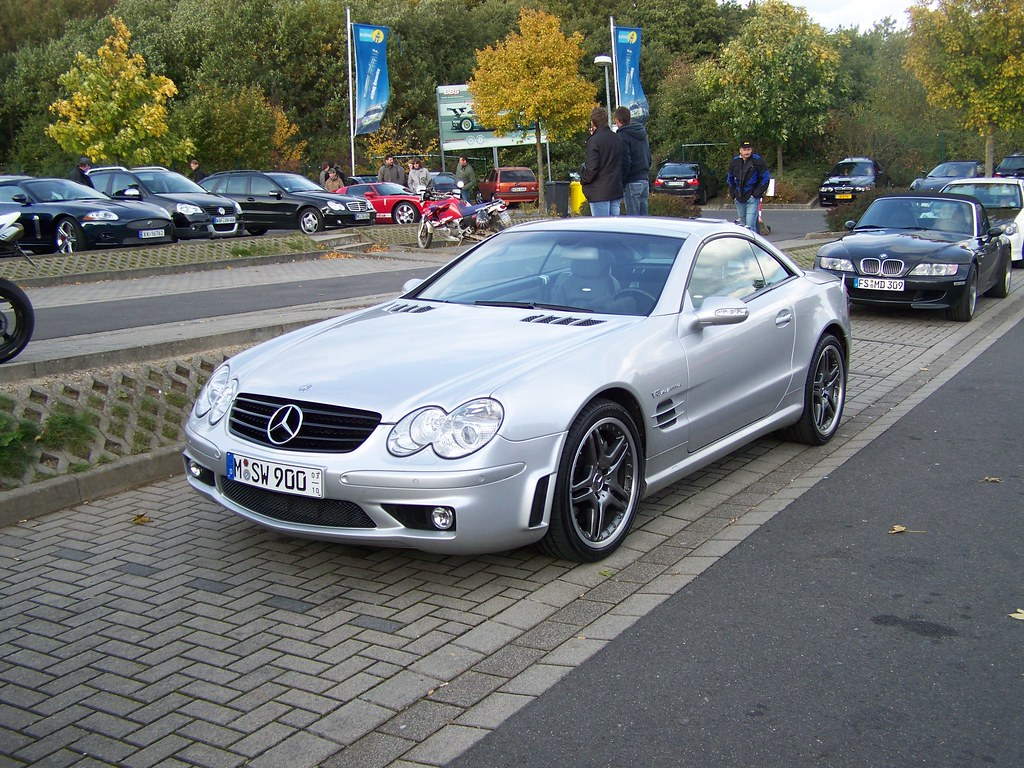
Often dismissed as little more than a grand tourer, the R230-generation SL65 AMG hides some fairly dazzling supercar credentials. Its twin-turbo 6.0-liter V12 makes 604 hp and a monumental 738 lb‑ft-electronically limited to save the drivetrain.
With sub-4-second 0–60 mph times and an AMG Driver’s Package raising top speed to 186 mph, it could humble many a contemporary Ferrari while cosseting occupants in leather and tech. First offered for sale at nearly $200,000, its depreciation has been brutal: auction averages sit below $50,000. Of course, high maintenance costs scare some, but for those who can budget accordingly for upkeep, it’s an unrivaled blend of power, rarity, and value.
7. Noble M400
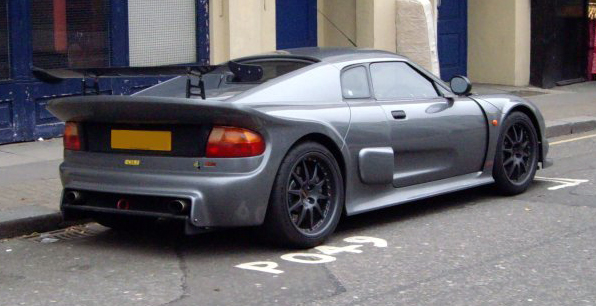
The British-built Noble M400 was named for its power-to-weight ratio: 400 hp per metric ton. Weighing just 2,337 lb and powered by a heavily boosted Ford-derived V6, it delivered raw, analogue thrills few modern cars can match. Its chassis balance and steering feel earned it cult status among track‑day purists.
The production numbers were tiny, and though it remains one of the most accessible ways into a truly focused, low-volume supercar experience, at prices that are still relatively modest. These seven machines prove that market value and cultural recognition don’t always align with engineering merit or driving pleasure. To collectors, they represent opportunities-some already appreciating, others still within reach-to own cars that tell richer, more complex stories than the poster-child exotics. In the world of supercars, the overlooked often turn out to be the most rewarding.


