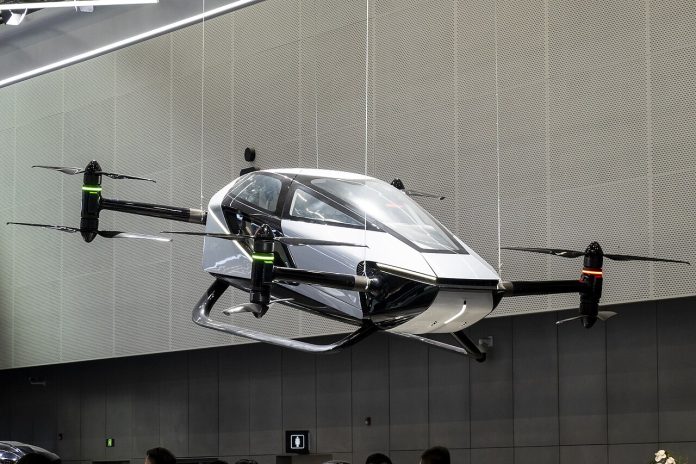
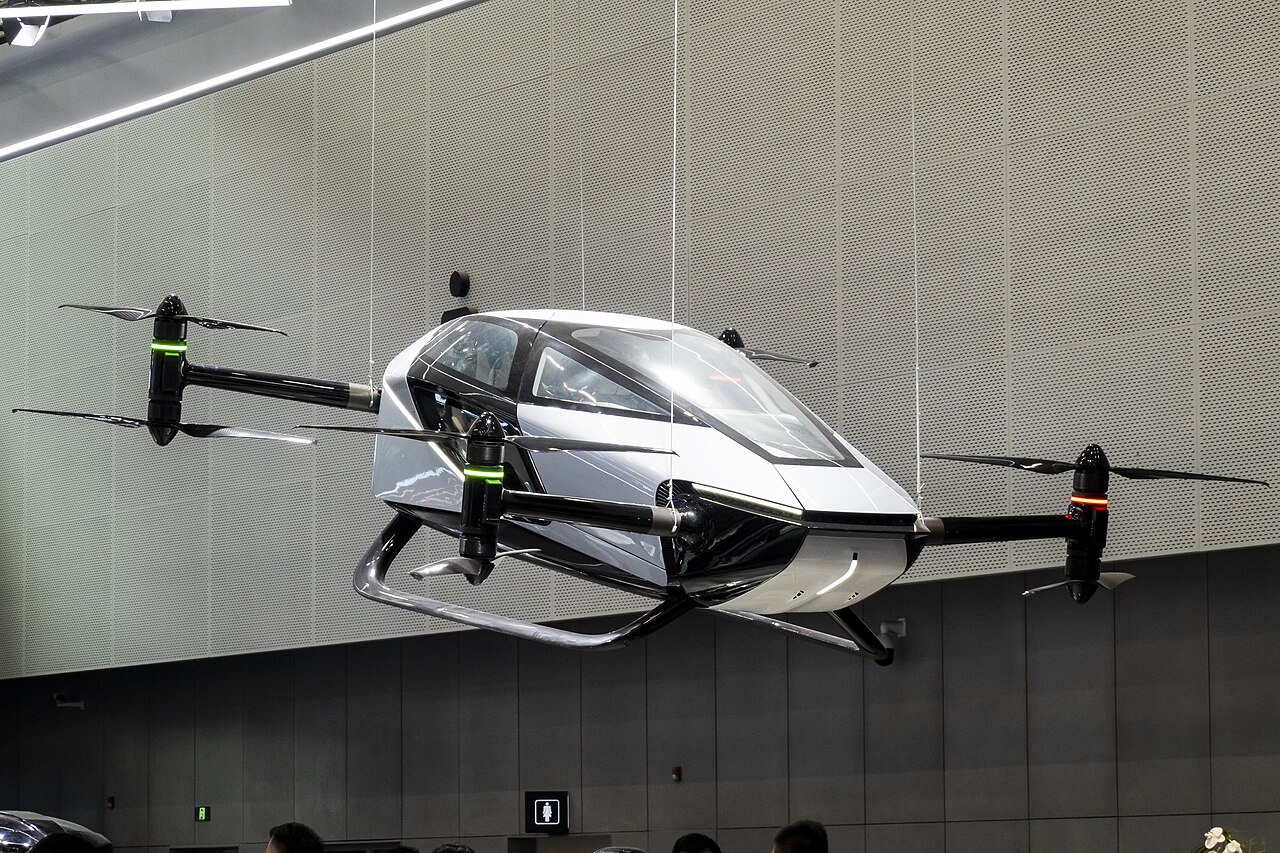
Where speed in the quest to save lives matters most – in the United States alone, over 5 million people lack access to medical ambulances in their region and could be forced to wait 20 minutes or longer on a clear day – there’s now an entirely new area of engineering innovation in the development of flying ambulances designed purely for use by rescue personnel. And flying rescue ambulances are no longer in the world of science fiction – they are currently being developed in high competition programs that incorporate engineering skills from both aerospace and robotics branches.
1. Competition – A Triggering Factor in Innovation
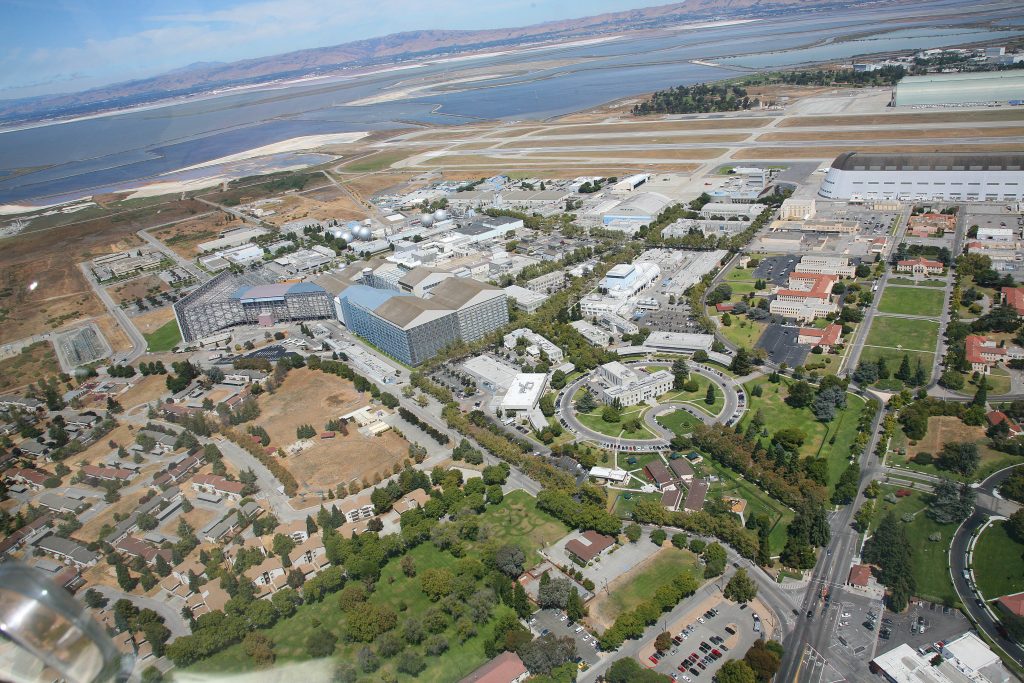
The $2 million GoAero Prize competition is one of the most prominent acceleration tools available for this purpose, as it dares 201 teams from 85 countries to come up with aircraft capable of transporting materials, rescuing victims, and performing under adverse weather conditions as well. LIFT out of Austin, known for HEXA personal aerial vehicles, teamed up with UT/Texas Aerial Robotics to test their limits as well. “We could deliver water or whatever medical items they may need as long as we’re in contact with that person,” indicated team head Adam Lang. Productivity, adversity, and maneuverability will be the measures used during the last competition fly-off at NASA Ames Research Center.
2. VTOL TECHNOLOGY
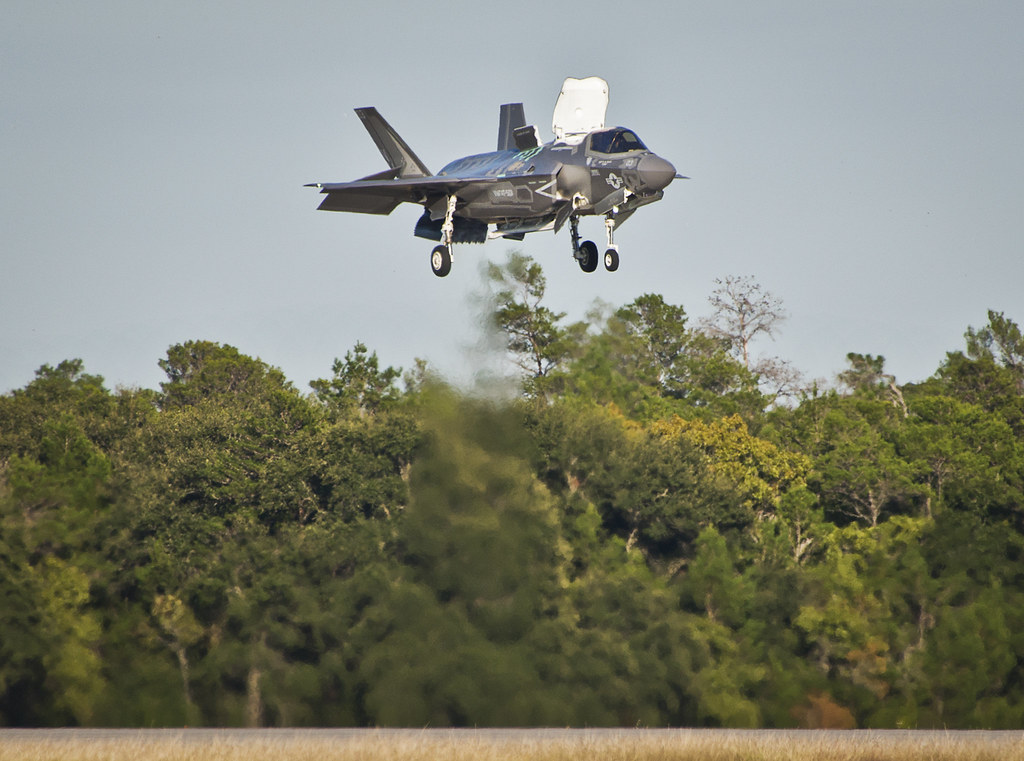
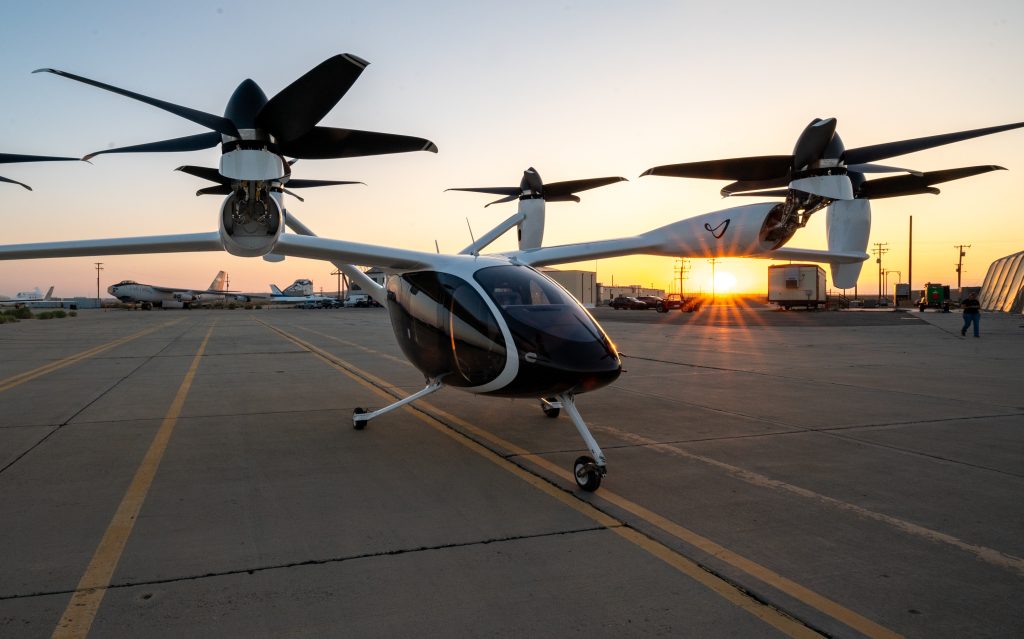
Vertical Take Off & Landing (VTOL) is a crucial feature for emergency response, permitting aircraft to settle in dense urban areas or disaster regions with no airfield necessary. Variants include multicopters with multiple redundant rotors for lift, lift-plus-cruise designs, to more complicated vector thrust with tilt fans. Each design provides a different trade-off between carrying capacity, distance, and agility. While multicopters have superior hover capability and placement precision necessary for urban rescue, lift-plus-cruise and vector designs reach farther for longer-distance rescue missions.
3. Powering the Mission: Batteries and Propulsion
Electric VTOLs (eVTOLs) need to tackle the challenges of providing maximum power for vertical flight as well as cooling/aging battery issues. There is a need for fast charging infrastructure; in fact, the industry estimates that 95% of charging for eVTOLs will be fast charging in order to keep the tempo. Solid-state batteries will provide better energy density/cooling performance; in the meantime, turbine VTOLs have already provided the required speed of 300 knots with range exceeding 700 miles for long-range emergency rescue aircraft.

4. Autonomous Navigation and Situational Awareness
Autonomy can be a force multiplier in rescue missions. NASA’s Advanced Air Mobility (AAM) program and other efforts such as STEReO are combining automatic flight management and airspace deconfliction with vertiport management. “Response drones have already proven the benefit of real-time thermal imaging analysis and route planning prior to arrival by manned teams,” and such technology is being scaled for larger rescue planes to allow them to work in concert with response teams using crime centers and emergency dispatch systems in real-time, out of the pilot’s line of sight (BVLOS).

5. Readiness of Regulations and Infrastructure
The FAA has issued a Special Federal Aviation Regulation (SFAR) for powered lift operation, which is a beginning towards accommodatings VTOL operation in national airspace. A urban rescue fleet will necessitate vertiports strategically distributed, powerful charging infrastructures, and segregated low-altitude routes in a bid to ensure safety. Noise regulation standards, like those currently being set by EASA, will help ensure rotor configurations and operating times that secure public acceptance.
6. Human Factors and Training
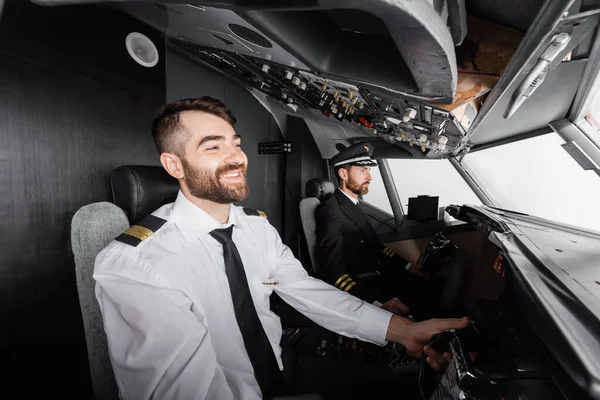
Whether manned or unmanned, the flying rescue car must undergo extensive training procedures. Pilots will need to be able to handle complex transitions between ground and air modes, challenging weather conditions, and emergency responses. Simulation and virtual and actual hands-on training are already employed to perfect human-machine interfaces such as augmented reality ‘heads-up’ display systems that change dynamically from ground to air flight modes.
7. Mission Profiles: From Urban Fires to Remote Disasters
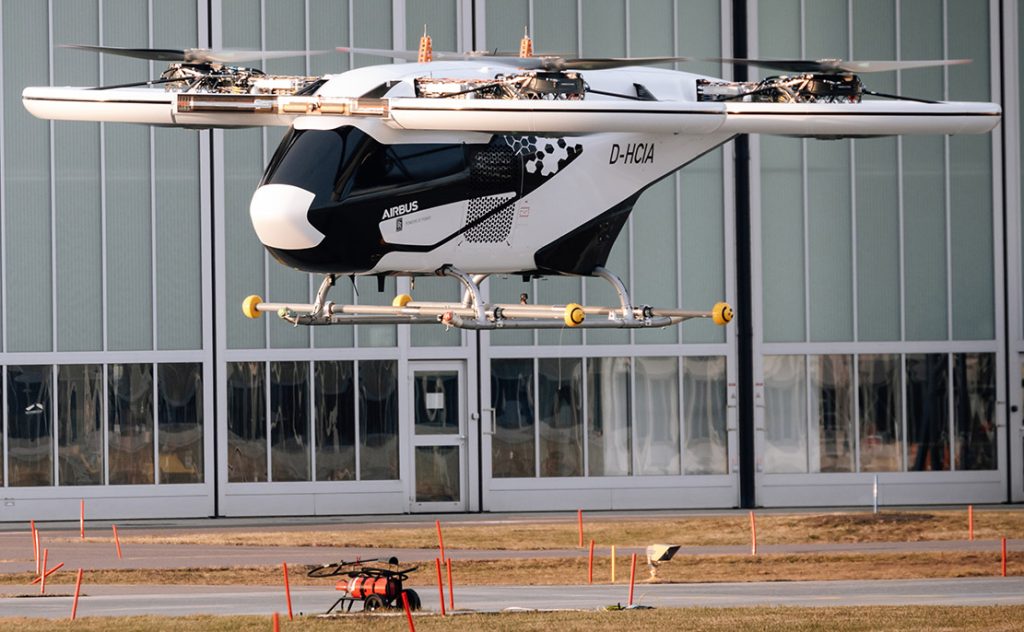
Hybrid VTOL aircraft such as Zuri’s tiltrotor aircraft have the ability to carry 330 kg of cargo, can land on unprepared runways, and do so quietly enough to support stealth operations. In an urban setting, Hybrid VTOL aircraft could deliver trauma specialists to a high-rise building fire in 10 minutes, whereas a helicopter would take 20 minutes in this role. In a rural setting, they could carry victims of heart attack hundreds of miles to a more qualified medical facility within the window of critical survival opportunity. “Search and rescue efforts can also take advantage of the aircraft’s hover ability to provide a base of operations above a collapsed building.”
8. Engineering for Sustainability and Scale
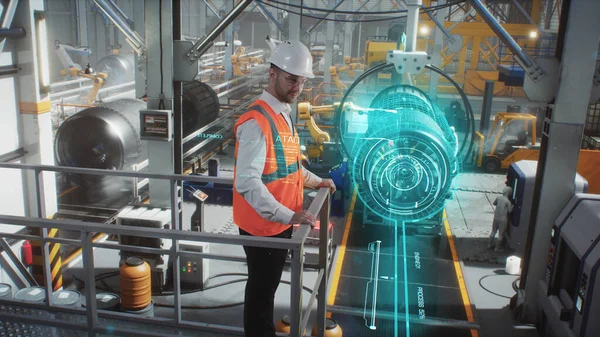
For rescue flying cars to achieve mass deployment, they need to comply with both automotive and aviation safety regulations while being cost-effective. Composite materials for lightweight manufacture, modularity in airframe design for easier maintainability, and resource-sharing for propulsion systems across derivatives are areas where cost is contained. Another key engineering focus is security; encryption of navigation communication networks and intruder detection mechanisms safeguard rescue flying cars against illegal remote control.

The intersection of aerospace engineering, emergency medicine, and robotics is giving rise to a new generation of rescue vehicles that have the ability to dodge traffic, navigate a disaster-stricken zone, and provide emergency aid to those in need at a speed and extent that was heretofore unthinkable. Because competition fuels innovation, rule makers are opening the skies, and technologists are working to overcome barriers to flying rescue cars, the age of flying rescue cars is just around the corner, and it could not come soon enough for those living within ambulance deserts who quite literally may die because they lack timely access to emergency services.


