
“Today we showed that we are able to deliver. This is what we have achieved in this project,” said STARK Defence co-founder André Schneider, highlighting a sea change in NATO’s thinking about defense against Russian tank warfare. “The current battlefield in Ukraine is being used as a testing ground for new loitering missiles,” noted Schneider. “The VIRTUS UAV, also armed with TDW’s LION STRIKE 110 warhead, is certainly going to be an impressive addition.”
In the past several months, the pairing of modular UxS platforms with specialized anti-armor payloads has gone from being solely an idea to being tested with live fire. This accelerated development roadmap can be attributed to the sense of urgency felt in NATO circles about meeting the emerging needs of high-intensity conflict, where conventional armored systems are increasingly threatened by precision-strike capabilities. The following are nine lessons about the impact of this program’s innovations on NATO’s industrial base.
1. First German Live Combat Test of VIRTUS-LS110
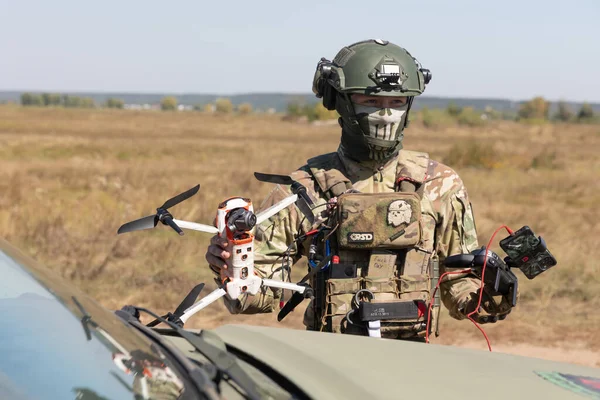
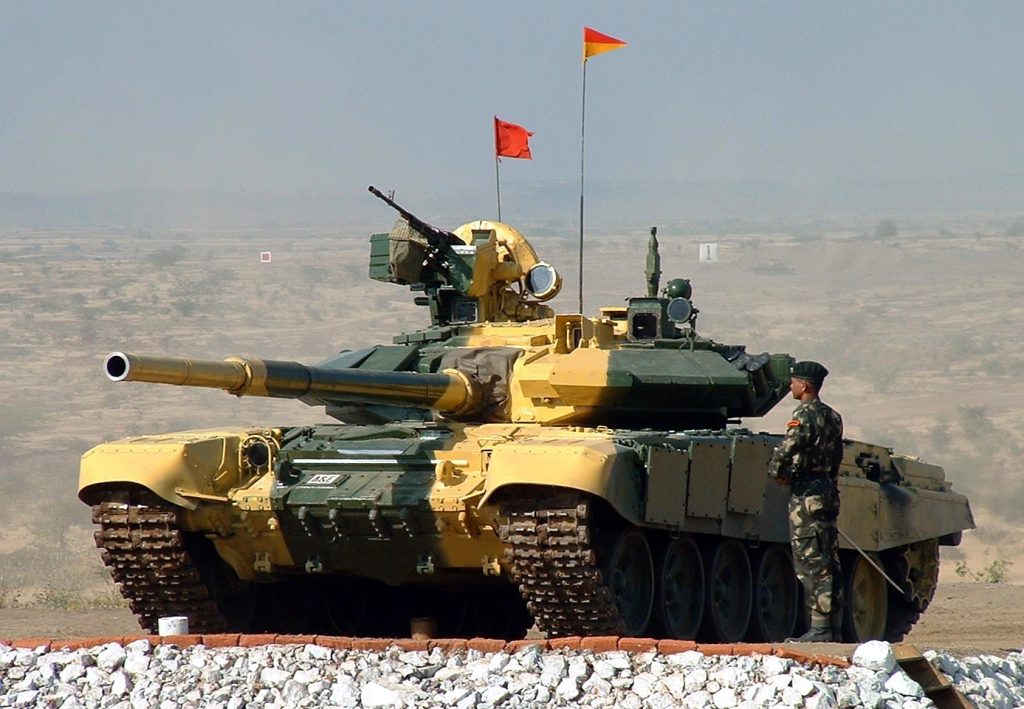
TDW and STARK fully accomplished the first ever combat demonstration in Germany with the loitering weapon VIRTUS, equipped with the LION STRIKE 110 warhead. The demonstration at Schrobenhausen showed a penetration depth of over 800mm RHA, which puts it among the most lethal loitering weapons available in its class. This was not a simulated firing, because it not only demonstrated the effectiveness of the warhead’s capability to destroy heavily armored targets equipped with ERA, but also a necessity to destroy Russian main battle tanks.
2. Tandem-Shaped Charge Design for Reactive Armor Defeat
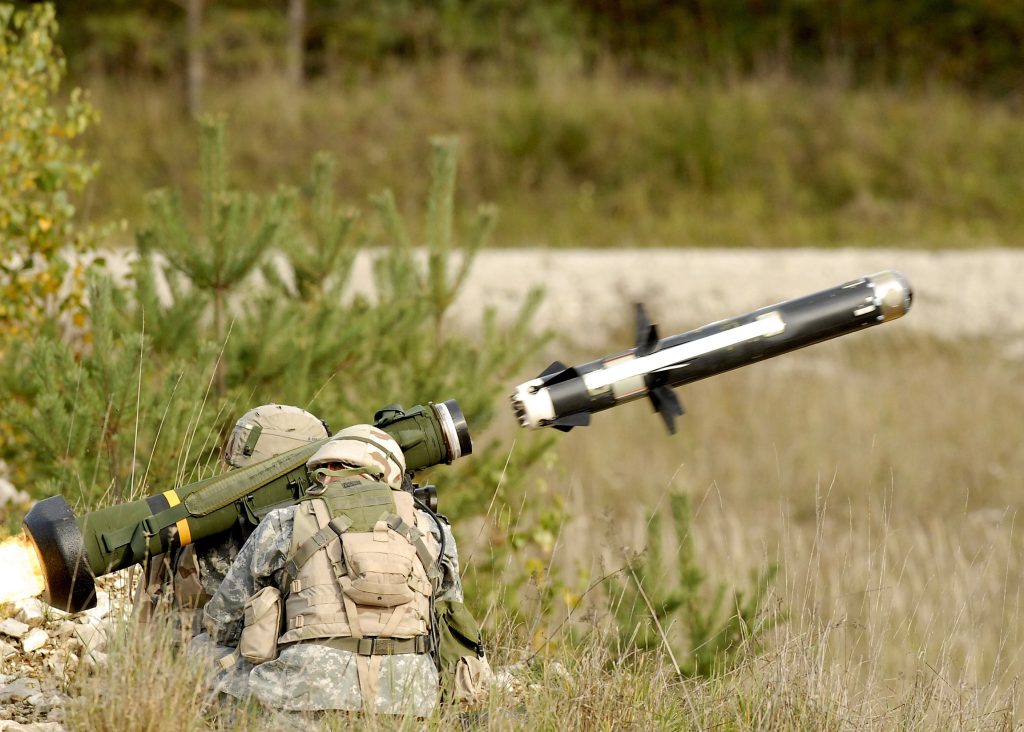
The warhead LS110 corresponds to the newly developed LION STRIKE series by TDW and has been designed to counter the newest types of explosive-reaction armor. The warhead’s tandem-shaped charges and fragmentation jackets are also varied in weight and therefore suitable for countering future threats. Such a warhead has specifically been designed to counter the Russian explosive armor systems “Kontakt-V” and “MALACHIT,” also developed to effectively counter conventional warheads and projectiles.
3. Modular & Scalable Drone Platform
STARK’s VIRTUS is based on a scalable and modular design. Warheads can be interchanged, and a variety of mission profiles can be established to attack stationary or maneuvering targets. Such a capability provides tactical commanders with flexibility in configuring a payload for anti-armor, multi-effect, or precision strike roles without having to modify the air vehicle.
4. Ukraine – Combat-Proven
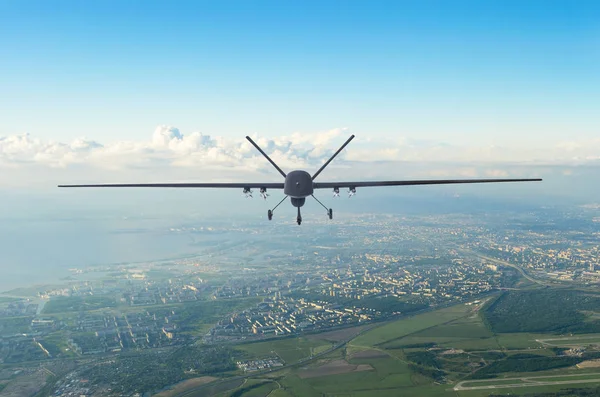
Deployments of the VIRTUS drones with Ukraine’s Armed Forces began during the summer of 2025, with successful missions carried out on Russian targets in the Zaporizhzhia region. During one of its first operational missions, its reconnaissance UAV sent the coordinates to its VIRTUS system, with the latter hitting its target directly.
5. High-Speed Engagement Capability
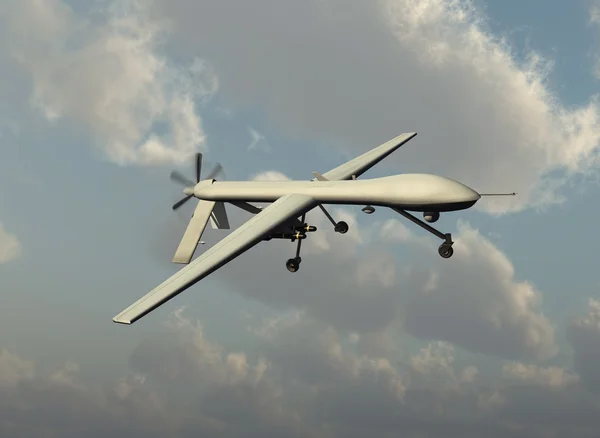
As per STARK Defence, the cruising speed of the VIRTUS is 120 km/h, and the diving speed during terminal attack can go up to 250 km/h. It has an endurance of one hour and is capable of loitering around the target region before attacking it.
6. Rapid Development during Zeitenwende policy
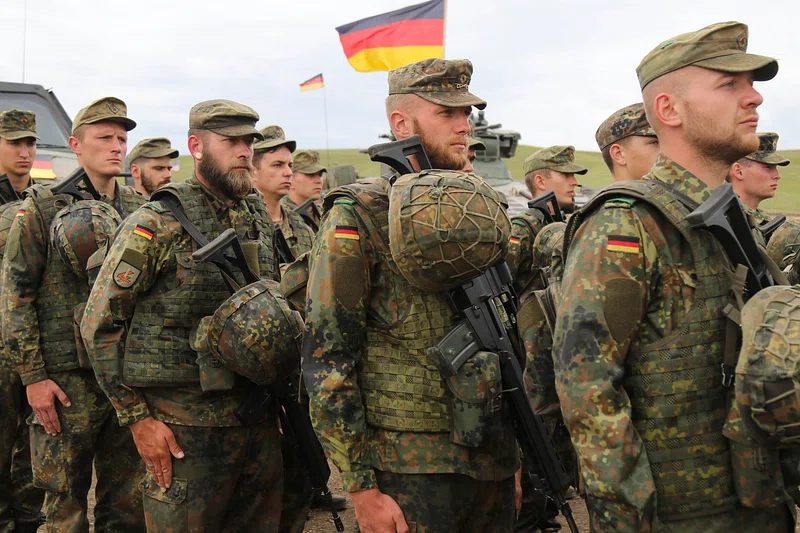
The cooperation contract was signed between TDW and STARK barely six months before the test was conducted, marking the practical implementation of the Zeitenwende Germany defense strategy. The initiative was expected to translate a concept into a proven weapon system in the shortest time possible, with production readiness set for 2026 and mass production set for 2027.
7. New UK Production Facility
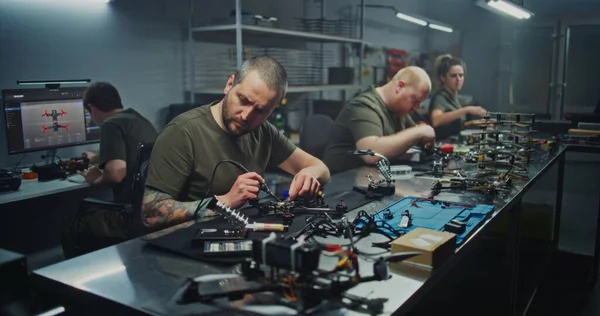
STARK Defence has inaugurated a 3,700 m² production facility in Swindon, UK, solely for VIRTUS production. The project has already provided more than 50 jobs in software, electronics, manufacture, aviation operations, and aerospace engineering, with numbers forecast to surpass 100. This move aligns with NATO’s strategy to increase production to thousands.
8. Collaboration with GreenJets in Next Generation Systems
An agreement with British engineering company GreenJets will see the integration of innovative launch capabilities and propulsion in future unmanned aerial systems. This will not only improve endurance and payload capabilities in the next VIRTUS generation of drones but will position these aerial platforms to better contribute to the battlefield.

9. Target Recognition using AI Technology
Trials conducted by the Bundeswehr have confirmed that loitering munitions produced in Germany, including VIRTUS, have a probability of at least 90% if they are equipped with Artificial Intelligence targeting capability. This goes against views that have previously criticized their performance levels in controlled testing. The VIRTUS-LION STRIKE 110 development marks a technology feat but also indicates that NATO is moving towards industrial-scale drone-based combat developed via lessons from Ukraine’s experiences on the front lines.
Through the development that combines faster development cycles and modularity into combat-proven solutions that fill the gaps created by current armor technology challenges, the German government along with its allies is providing solutions that will shape the nature of combat capabilities against protected enemies.


