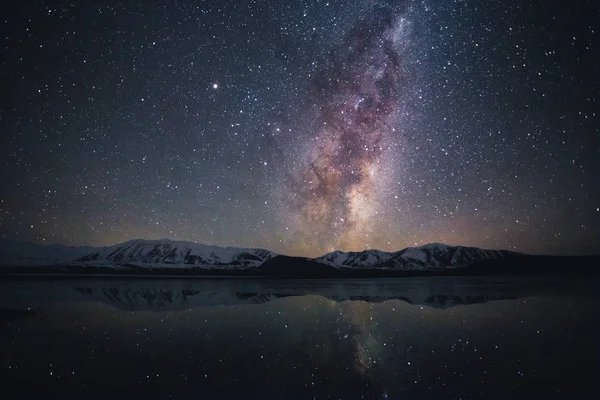
What is stranger: a lemon-shaped planet or a moon that may possibly be a piece of Soviet space debris? In 2025, astronomy has had enough findings that can bring even experienced scientists to a standstill in the middle of a mathematical equation. These include massive holes in the fabric of the universe or new solar systems that have formed but remain frozen in time and in a state of infancy.
The past year has been somewhat of a showcase of extremes: record-smashing particle discoveries, mysterious celestial bodies with baffling forms and composition, and interstellar objects that sparked speculations on alien technology. Every new find is not just simply interesting; it holds a clue to the big picture that is cosmic evolution. Below are nine of the most mind-boggling discoveries in space in 2025.
1. Lemon-SHG Diamond Rain Planet
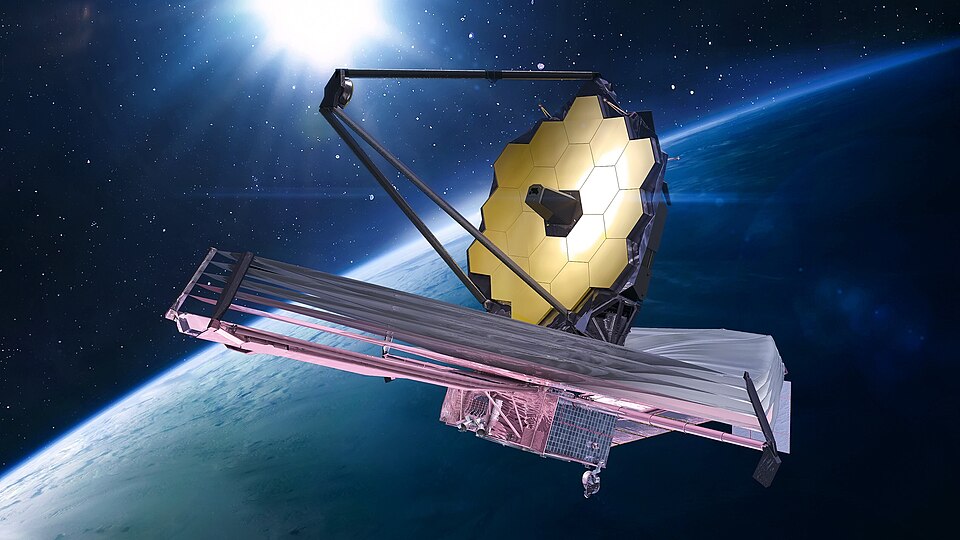
The James Webb Space Telescope studied the exoplanet PSR J2322-2650b, which has a Jupiter-mass composition and orbits a pulsar just 1 million miles away. The powerful gravity of the pulsar causes the exoplanet to be oriented in a lemon shape. Meanwhile, the atmosphere consists of helium as well as molecular carbon C₂/C₃, complete with soot clouds and diamond rain. “This is a new type of planet atmosphere that no human has ever seen before,” stated University of Chicago’s Michael Zhang. The exoplanet’s winds blow in the opposite direction of its rotation. Meanwhile, temperatures reach up to 1,200°F/3,700°F.
2. The Earth’s Quasi-Moon with a Soviet Past?
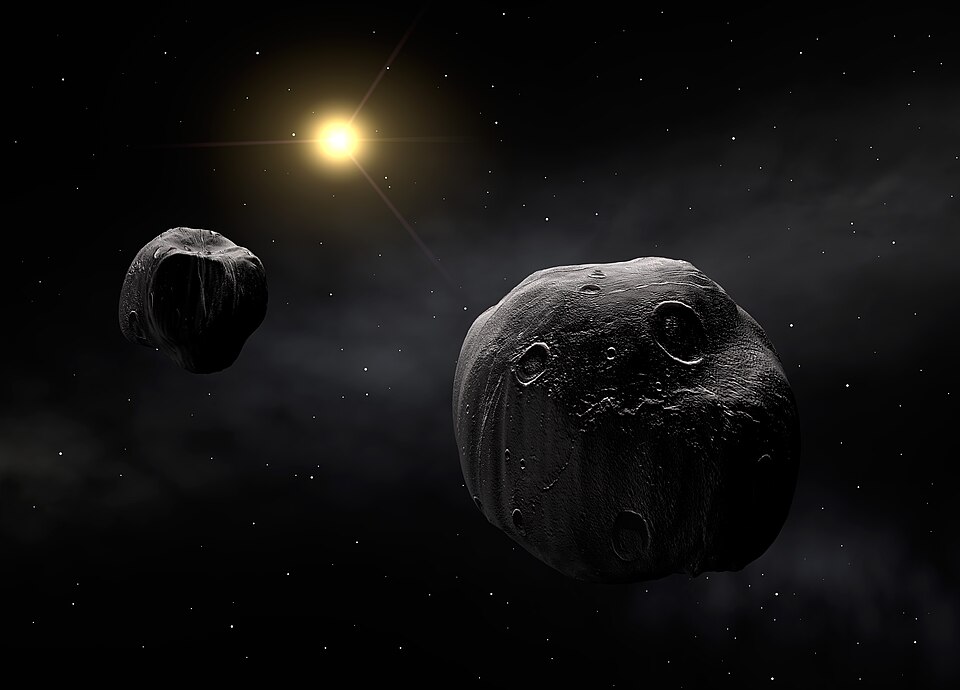
Asteroid 2025 PN7, discovered on August 2, 2025, is Arjuna type and a Near-Earth asteroid with a one-year orbital period. Harvard astrophysicist Avi Loeb hypothesizes that this asteroid may in fact be a part of the upper stage of a failed Soviet Zond 1 Venus mission in 1964, code-named “Blok-L.” Asteroid 2025 PN7’s trajectory corresponds ominously with that of Zond 1, but this has yet to be verified through spectroscopy analysis. Asteroid 2025 PN7 will then become part of a remarkably small number of historical space artifacts currently disguised under the mantle of natural satellites and hovering somewhere in between celestial mechanics and human history.
3. The Boötes Void: The Great Nothing Revisited
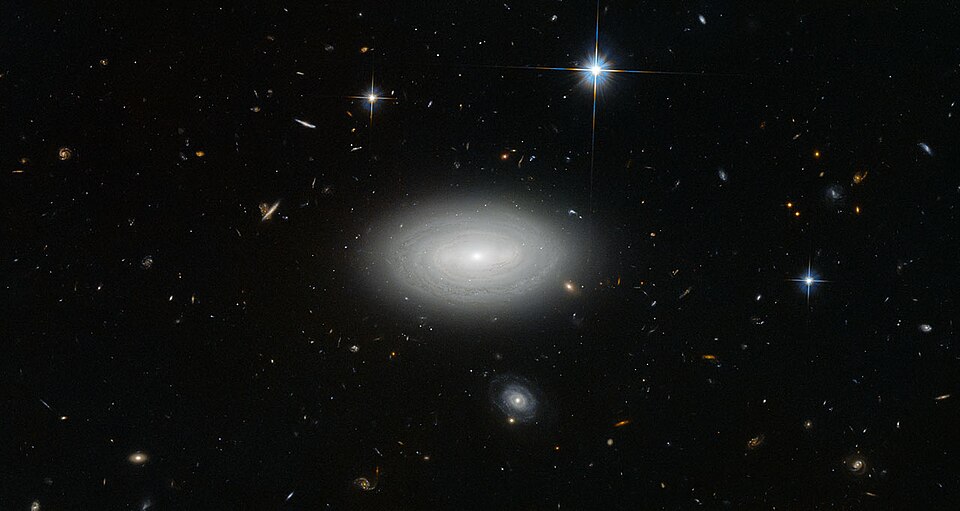
The Boötes Void was first mapped in 1981 and has a distance of around 330 million light years; it should hold 2,000 galaxies but only has a meager 60. There has been better imaging work, and a significant amount of theoretical effort has been made to understand why a region so massive in size is so sparse in terms of matter. It is a supervoid because it is flanked by massive superclusters of galaxies in every direction and is a very active area of research in terms of studying the formation of cosmic structure and the effects of dark energy upon the universe.
4. First Possible Glimpse of Dark Matter
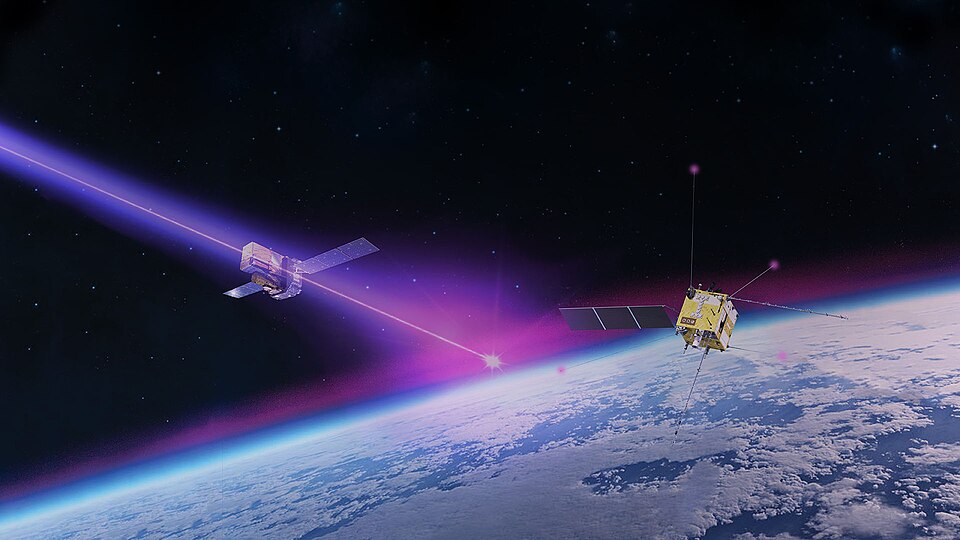
In one study, headed by University of Tokyo researcher Tomonori Totani, gamma-ray bursts are detected with a peak of 20 gigaelectronvolts in a halo shape surrounding the Milky Way in the Journal of Cosmology and Astroparticle Physics publication. The observation fits perfectly with models of weakly interacting massive particle annihilation with a mass of 500 times that of a proton. Yet, while being cautious about verification, Totani says of this study: “This is a crucial breakthrough in our understanding of dark matter.” A verification of the observation in dwarf galaxies with plenty of dark matter would mean a turning point in the search for dark matter in decades to come.
5. The Galactic Filament Rotating Like a Carnival Ride
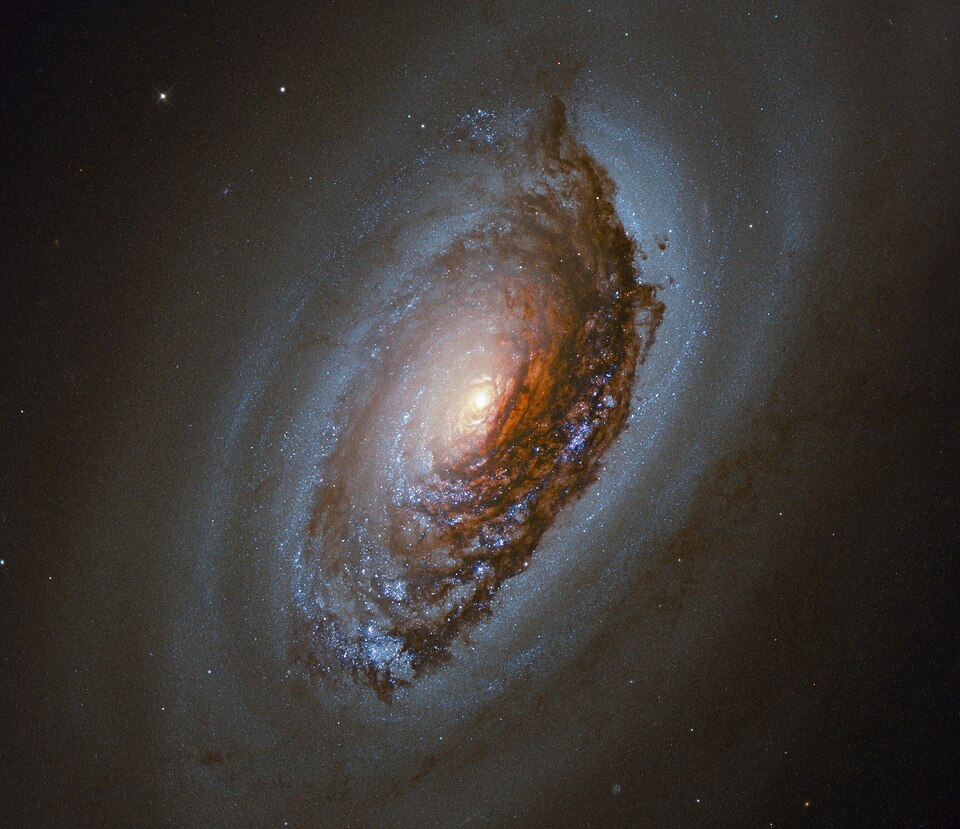
“Each galaxy is like a spinning teacup, but the whole platform the cosmic filament is rotating too,” explained Lyla Jung. While each galaxy is pinwheelsing through space at a speed of 110 km/s with a direction that matches that of the cosmic filament’s orientation itself, tears appear to be pulling at their edges as their spin rates are being steadily accelerated.
6. The Most Energetic Neutrino Ever Detected
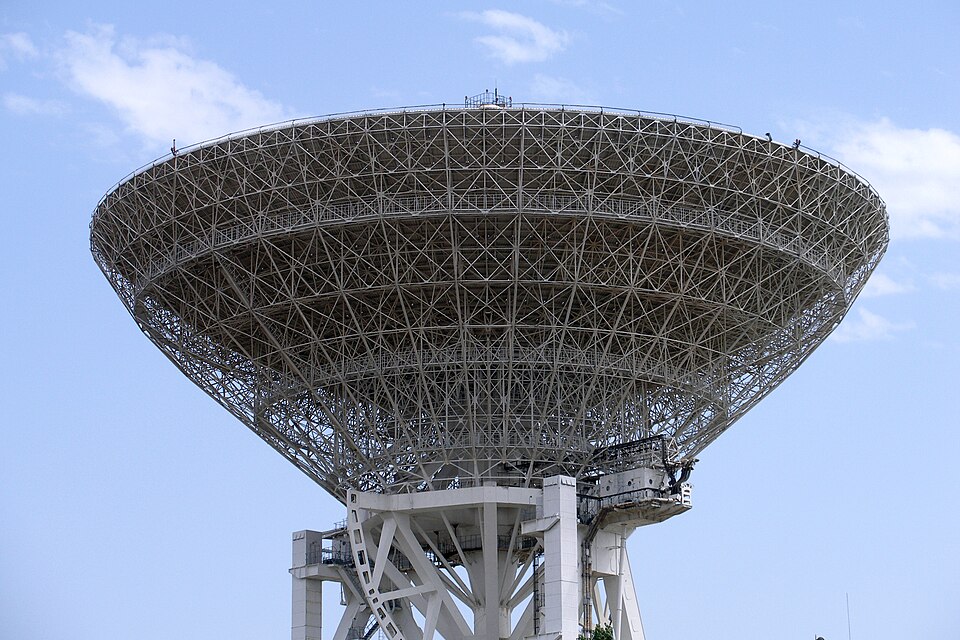
On the 13th of February 2023, the neutrino telescope KM3NeT in the Mediterranean Sea recorded an incident involving a neutrino having an energy level of 220 petaelectronvolts-16,000 times more potent than the strongest collision at the CERN Large Hadron Collider in Geneva. The neutrino’s source still is yet to be identified since speculations include super-massive black hole jets and cosmological neutrinos from the interaction between cosmological rays and the microwave background.
7. Observation of the Solar System in the process of Birth
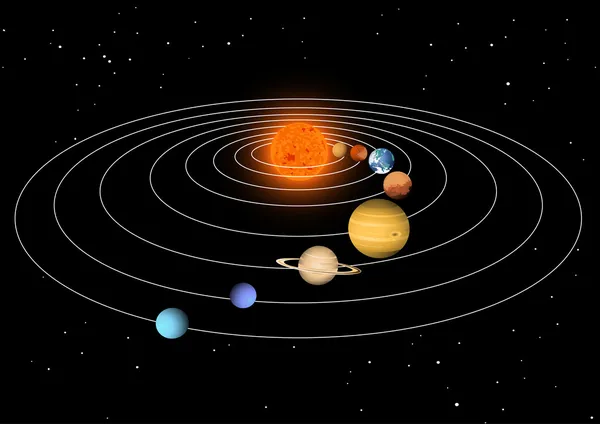
By utilizing the JWST and ALMA telescopes, researchers were able to notice the first formation stage of planetary material around the young star HOPS-315, which lies 1,300 light-years away from our planet. In this discovery, crystalline silicates were found to condense within the protoplanetary disk, much like those existing in the early meteorites when our Solar System first originated. According to the research leader Melissa McClure, this image paints a “picture of the baby Solar System.” The region, which directly equates to our “asteroid belt,” is a precious area simulating the formation of planetary seeds within a younger Solar System.
8. The Golden Atlas Comet and Its Interstellar Twin Comet
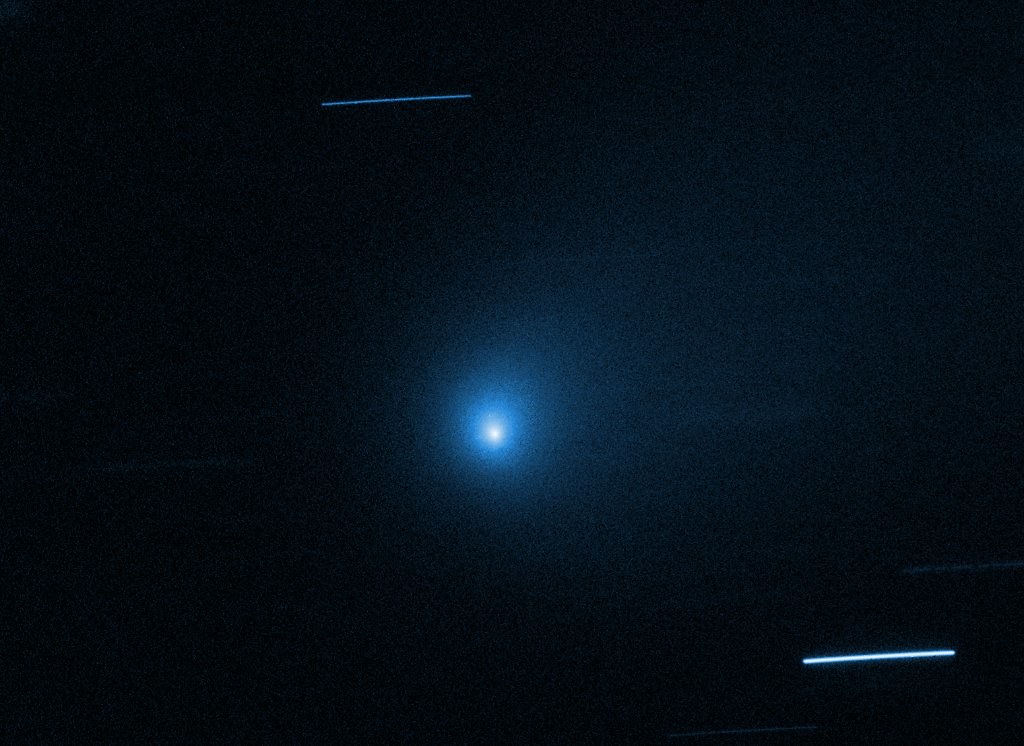
Atlas from the Oort Cloud, after passing its perihelion in October, had left viewers agog at its golden color. But it pailed in comparison to 3I/ATLAS, the third knowninterstellar object. Loeb cited nine inconsistencies in its composition, namely its anti-tail feature, high nickel-iron content, and close approach to the ecliptic plane. Some scientists believe it is a natural comet, but Loeb does not rule out its being of alien technology. “The significance of alien technology would be very large, and we therefore should consider it seriously,” Loeb states.
9. An Asteroid Nearby that Spins Down your Mind
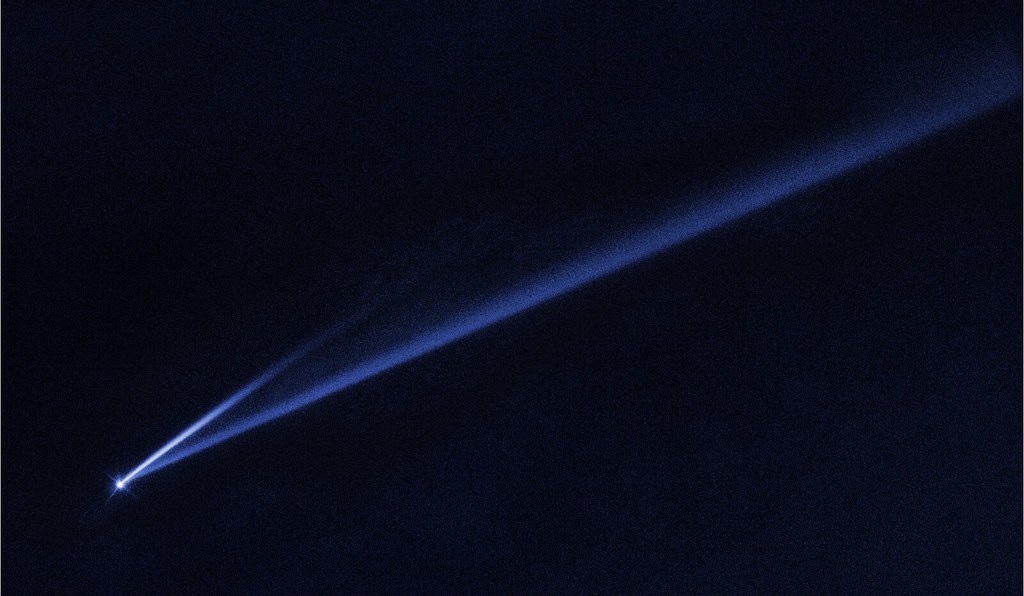
The near-Earth asteroid 2025 OW passed just 633,000 kilometers from our home globe on July 28, 2025, when it spun every 90 to 180 seconds, which is the fastest spin speed ever recorded for a near-Earth asteroid. The incredibly high spin rate is a nuisance when trying to interpret the object’s cohesion and internal structure, hinting at a special kind of composition or collisional processes.
And so, from the precipitation of “diamond rain” inside a peculiar exoplanet to the weak emission from a possible signature of “hidden” dark matter, these weird phenomena within our universe during the year 2025 prove that our universe never ceases to surprise us.
All these phenomena have their roots within our universe’s knowledge while opening new avenues for curiosity-driven explorers.
All these discoveries are a great reminder for space lovers and scientists that our universe is still a long way from being a static environment-it’s dynamic and constantly evolving, carrying secrets just beyond the next corner of observation.


