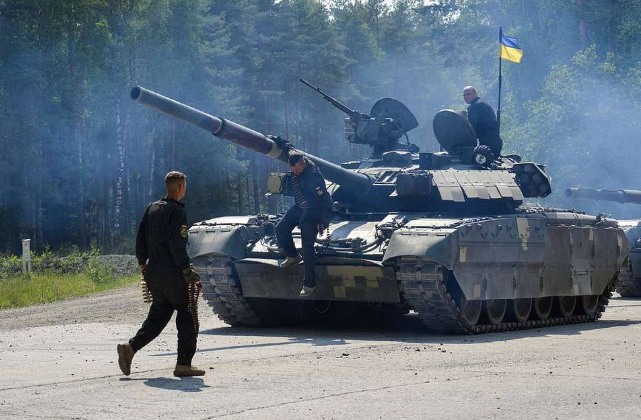
How viable can a 60-ton main battle tank prove in a drone-dominated battlefield environment in today’s world? The recent success achieved in the Ukrainian city of Pokrovsk by Australian-supplied M1A1 Abrams main battle tanks reignited this question in the minds of military strategicians all over the world. The successful operation demonstrated the relevance of main battle tanks in modern warfare.
In a war where loitering munitions and FPV drones have destroyed thousands of armored vehicles, the Ukrainian experience with advanced Abrams tanks in urban warfare can reveal important takeaways in terms of immediate war-fighting and future designs in armored warfare. Ranging from makeshift anti-drone tactics to evolving war-fighting doctrines, the following are nine key learnings that can be gained from the Pokrovsk and similar war-fighting experiences.
1. Pokrovsk Breakthrough
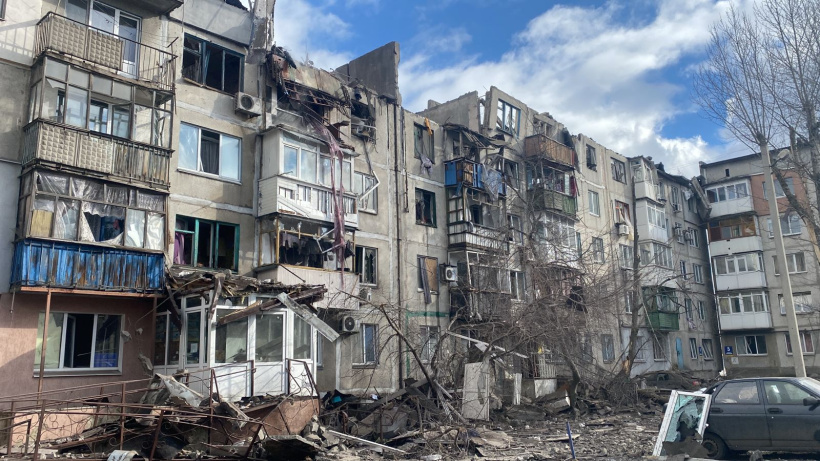
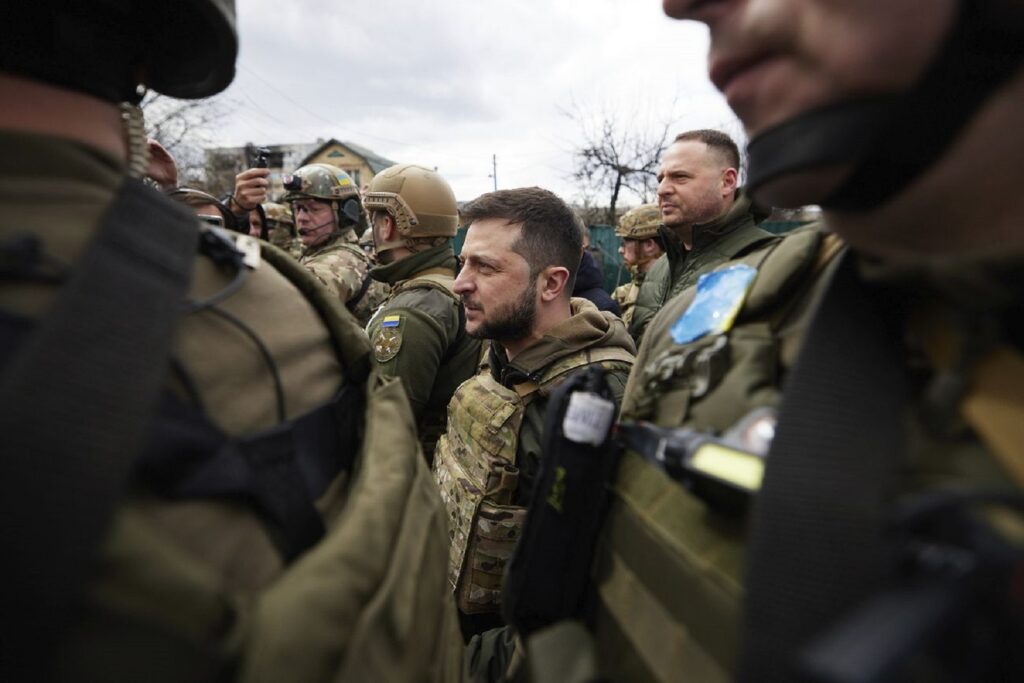
The Ukrainian troops from the 425th Separate Assault Regiment made their advances towards the western outskirts of Pokrovsk using Australian-supplied M1A1 Abrams tanks. The operation, which took place along a major highway, was part of a planned effort to rout the Russian troops from the city center. Drone and artillery support accompanied assault teams as they seized key locations such as the railway station and Soborny Square.
This was one of the most important uses of Western armor in urban terrain since the war started. The Abrams provided fire support for the infantry, who were able to push ahead in the face of Russian defenses. “The maneuver was deliberate and precisely planned,” stated Major Valentyn Manko, emphasizing the significance of integration between armor, infantry, and unmanned aerial vehicles.
2. Australian Delivery And Modifications
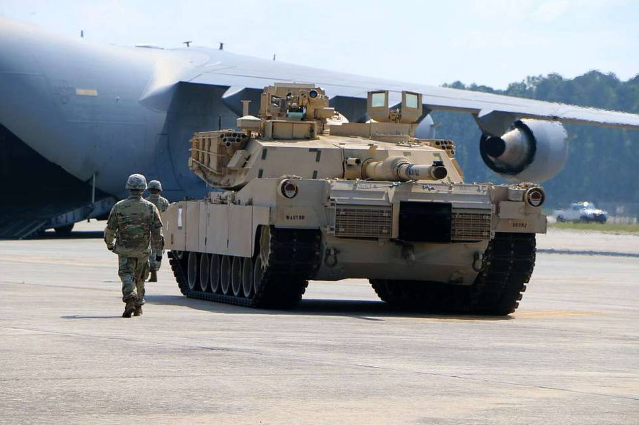
The delivery of 49 M1A1 SA Abrams tanks by Australia was completed in December 2025 and constitutes a potential lifeline for the armor forces of Ukraine, which has resulted in the loss of 87% of the original combat fleet donated by the U.S. The tanks were decommissioned from service with the Australian military before being used in combat and were refurbished with enhanced imaging and communications systems but not equipped with depleted uranium armor.
To improve survivability, Australia supplied reactive armor packages; these were supplemented with steel mesh, cages, and rubber skirts by Ukrainian crews. Though low-tech measures that weighed 2–3 tons, they worked well supposedly withstanding several hits from FPV drones without any casualties thanks to the Abrams’ compartmentalized layout.
3. Anti-Drone Innovations
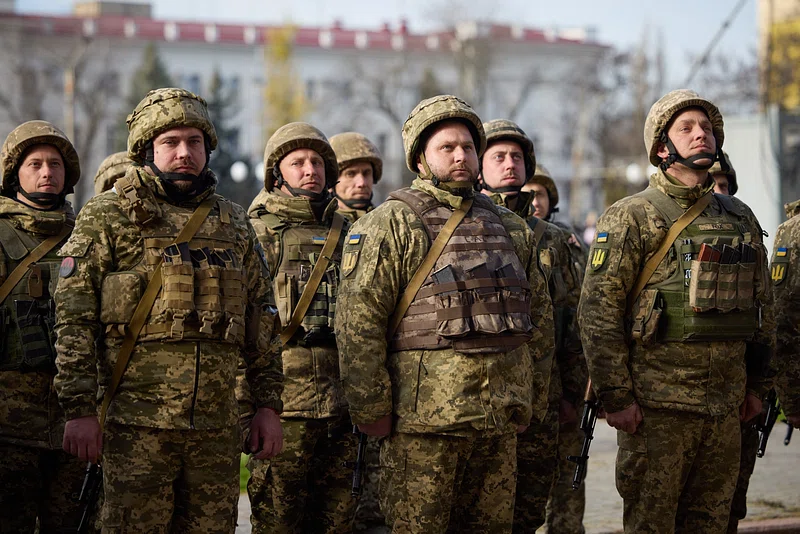
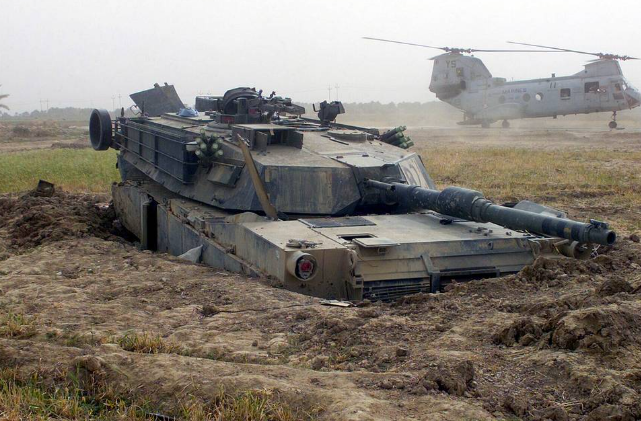
Under relentless air strikes, Ukrainian forces showed a lot of defense against drones. Kontakt-1 explosives were mounted on the roof of the turret to protect against shaped-charge warheads on reactive armor. Netting was hung on vulnerable surfaces to defend against FPV drones. The netting was even made from fishnet gear.
These modifications indicate an increasing need for an additional layer of protection against top-attack threats. According to Brig. Gen. Geoffrey Norman, “the Abrams tank is not designed to be protected against the type of top-attack threats that are being seen now in Ukraine,” thus indicating an imperative need for modifications at this level for survival.
4. Doctrinal Shift in Tank Employment
“The Abrams’ role has now shifted from a leading break-through attack into a protected strike platform. Rather than striking with night or digital jamming coverage in a leading attack into a defended area, now infantry will provide coverage from drones with artillery and/or infantry defusing launch points.” The Abrams has now become a “shielded hammer” that can strike areas in which drones will not be able to operate.
Analyst Viktor Kevliuk pointed out that the Abrams works only in a “symphony of sensors, jammers, and screens,” highlighting just how important the concept of combined arms has become in a drone-filled world.
5. Technical and Logistical Challenges
“The crews have expressed their concerns about the appropriateness of the Abrams for today’s battlefields,” said Lutz Krieger, head of Pheepi Productions. “The Abrams are vulnerable to drones, condensation problems with electronics, and problems with their motors, even in brand-new ones,” added Krieger. “The available ammunition is designed for engagements with enemy tanks, while battles involve demolitions or fighting from fortified positions.”
Such challenges indicate the disparity between the type of warfare carried out by NATO, involving tank movements following airstrikes and artillery bombardments, and Ukraine’s capacity constraints.
6. Takeaways for Future U.S. Tank Design
The U.S. Army is also identifying Ukrainian battlefield experience in its development plans for the M1E3 Abrams tank and XM30 Bradley substitute. Major goals include enhanced protection against top attacks, active protection systems, and smaller logistical profiles. Modular Open Systems Architecture will facilitate the quick incorporation of future sensors and countermeasures.
Norman emphasized the point that the M1E3 project “is about protecting the crew from top attack,” with the added need to “remain robust in direct-fire.” There is a clear shift in design here that reflects experience with Ukraine.
7. The Drone Threat as a Strategic Driver
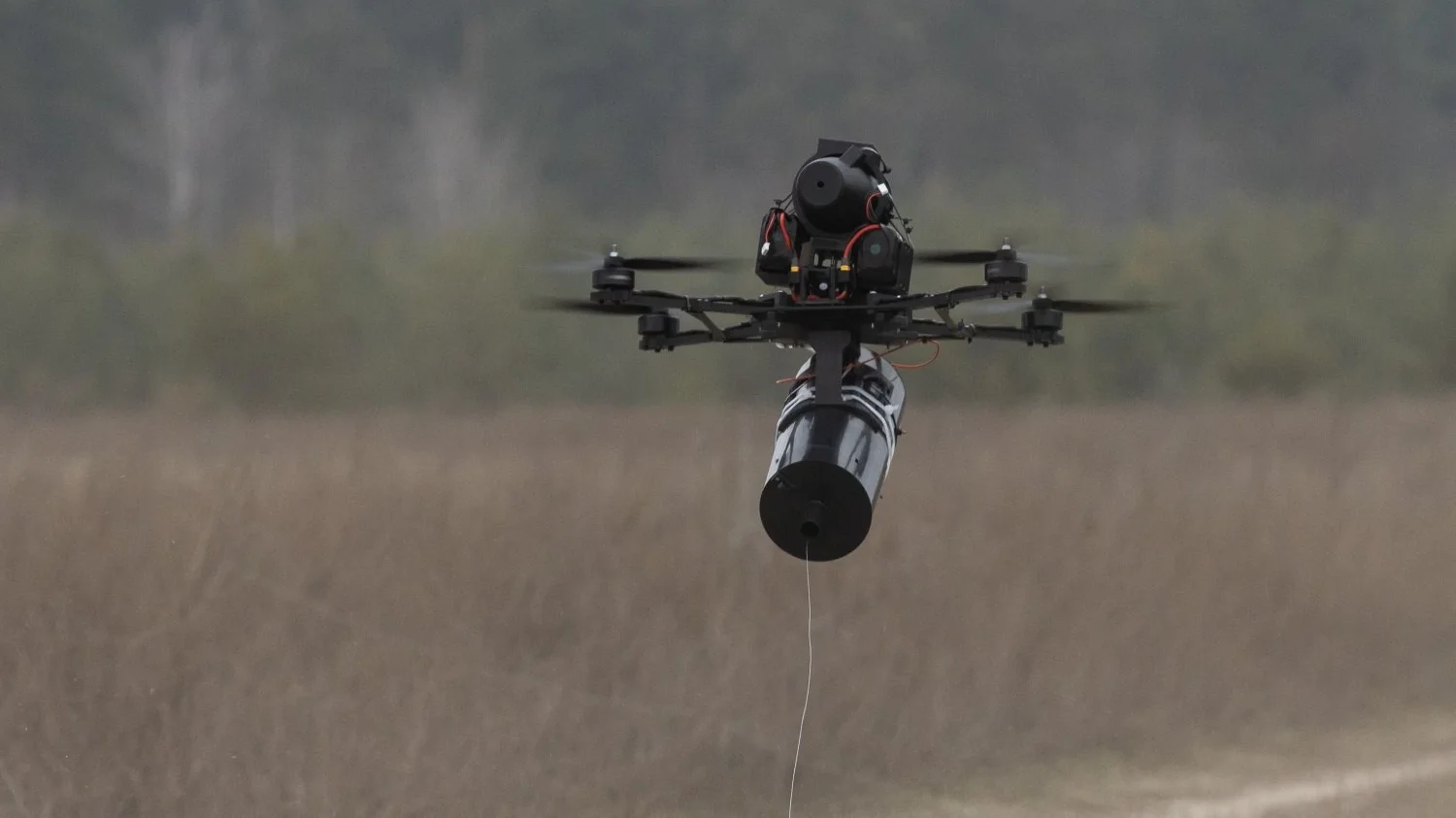
FPV drones, which can be purchased for less than $500, have become the ‘IEDs of a new generation in the wars in Iraq and Afghanistan.’ Their widespread usage has pushed both sides towards using ‘cage armor,’ decoy systems, and ‘dispersed tactics.’ Russian ‘Lancet’ UAVs and ‘Ukrainian looted store-bought UAVs’ have proved that ‘cheap air platforms can defeat expensive combat vehicles.’ Such a reality is already influencing procurement policy directions because U.S. programs like LASSO are planning to employ loitering munitions aggressively and implement anti-drone tactics in all levels.
8. Integration of Loitering Munitions
Loitering munitions are giving small units the ability to conduct strikes with precision without the need for assets above them to provide those capabilities. In Ukraine’s conflict, weapons such as Switchblade have been employed to attack Russian positions to support armored pushes. Their expense is currently a barrier to their employment. Future developments include “recoverable drones” that can return home safely with their cargo; “AI-driven swarms” that allow swarms of drones to be commanded by AI; and “loitering munitions launched from current platforms” that
9. Psychological and Tactical Impact
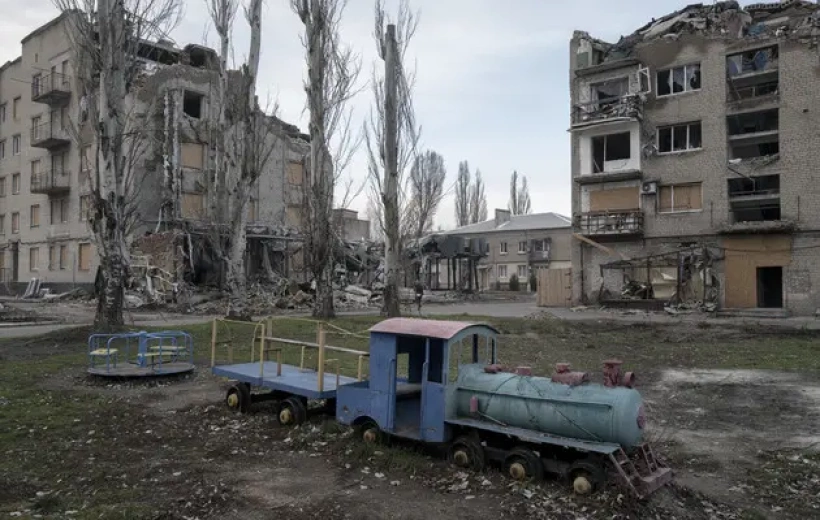
Boyd A persistent presence of drones has made the battlefield a ‘transparent’ one, leading forces to resort to camouflage, trench, and underground positions. The operational pace has significantly reduced with forces having to adjust to being under constant aerial coverage. In the city of Pokrovsk, Ukrainian drones dominated, leaving the Russians isolated and unable to entrench themselves. “This is an environment where innovation is required on an ongoing basis with regard to concealment, mobility, and EW, as even the most advanced armor is vulnerable on the battlefield unless it employs adaptive tactics,” he added.
“The Pokrovsk breakthrough proves that while conventional heavy armor does not lose its effectiveness, it can be used effectively only if it is integrated into an integrated defense and attack system.” This is what Israel’s military strategist explained after analyzing what happened in Pokrovsk. “The adoption of the Abrams by Ukrainian forces, through ad hoc protection, conceptual changes, and integration with other arms, is a primer for what is to come.” These are “lessons that are not recommendations for defense officials and military technologists they are requirements for survival in future conflicts.”


