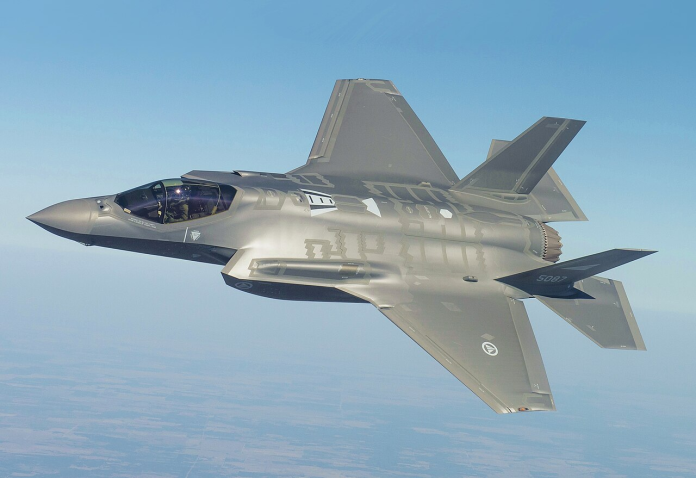
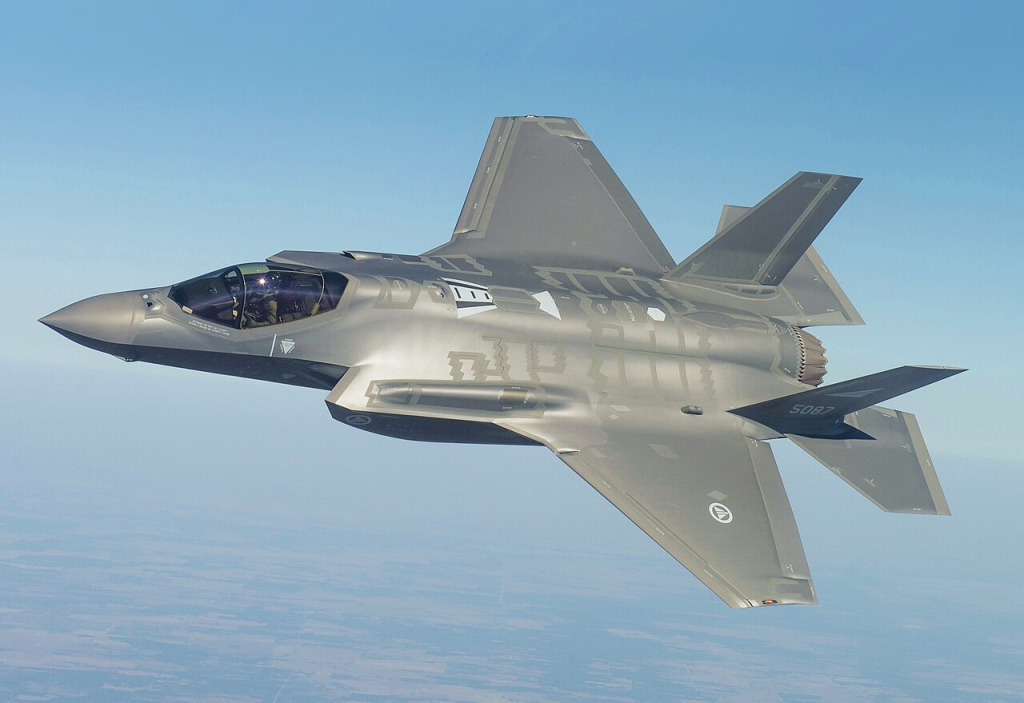
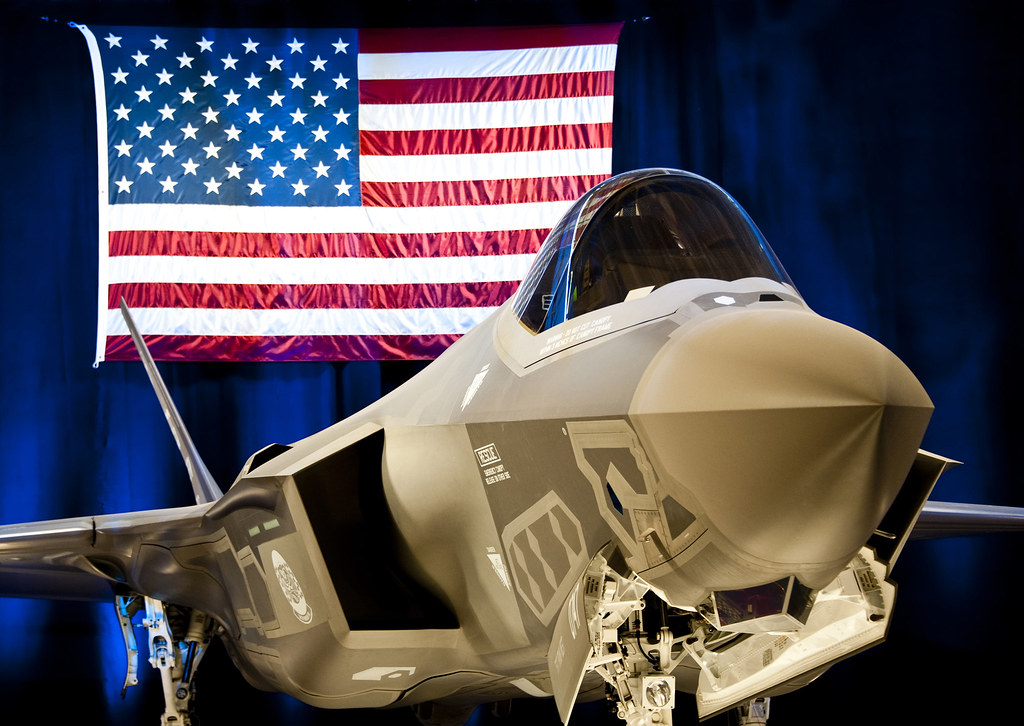
“Half of the time, America’s most sophisticated stealth fighter is grounded. That’s not a hypothetical it’s a hard truth that has been documented by our military’s own watchdog agency.” For fiscal year 2024, according to sources, the F35 fleet was only averaging an availability of 50 percent. And this is what highlights issues related to sustaining this program and contractor accountability when it costs not less than $2 trillion over a period of lifetime.
The Office of the Inspector General at the Defense Department has exposed an alarming trend: the key contractor, Lockheed Martin, was not being held to performance standards in sustainment contracts. In addition to these concerns with depot bottlenecks, parts shortages, and modernization delays, it has left their combat-coded planes-ready to go into battle at a moment’s notice-with less than half their abilities to complete all their necessary tasks. This listicle explores the most egregious problems with F-35 readiness and what these problems indicate about sustainment of U.S. airpower capabilities.
1. Utilization Rates Well Under Targets
The goal set by the officials concerning the availability of the F-35 aircraft was 65%, but the average available every month in FY2024 was 51%. However, when the full mission capable or FMC readiness for all missions was involved, the readiness was at a maximum of 30%. Even among the combat-coded aircraft, the maximum readiness was 48 percent when judged on FMC capability; that is, more than 50 percent of the aircraft intended for combat were not completely capable of all missions associated with their duties.
2. Contract Management Issues
The Inspector General reported that the F-35 Joint Program Office does not include aircraft readiness performance or material inspection requirements within the sustainment contract awarded in June 2024. This enables the payment of $1.7 billion to Lockheed Martin without economic adjustments. The impact is a failure to meet the minimum military service requirements. In fact, such unenforceable requirements actually created a foundation for the continuation of a poor level of performance.
3. Depot Repair Bottlenecks
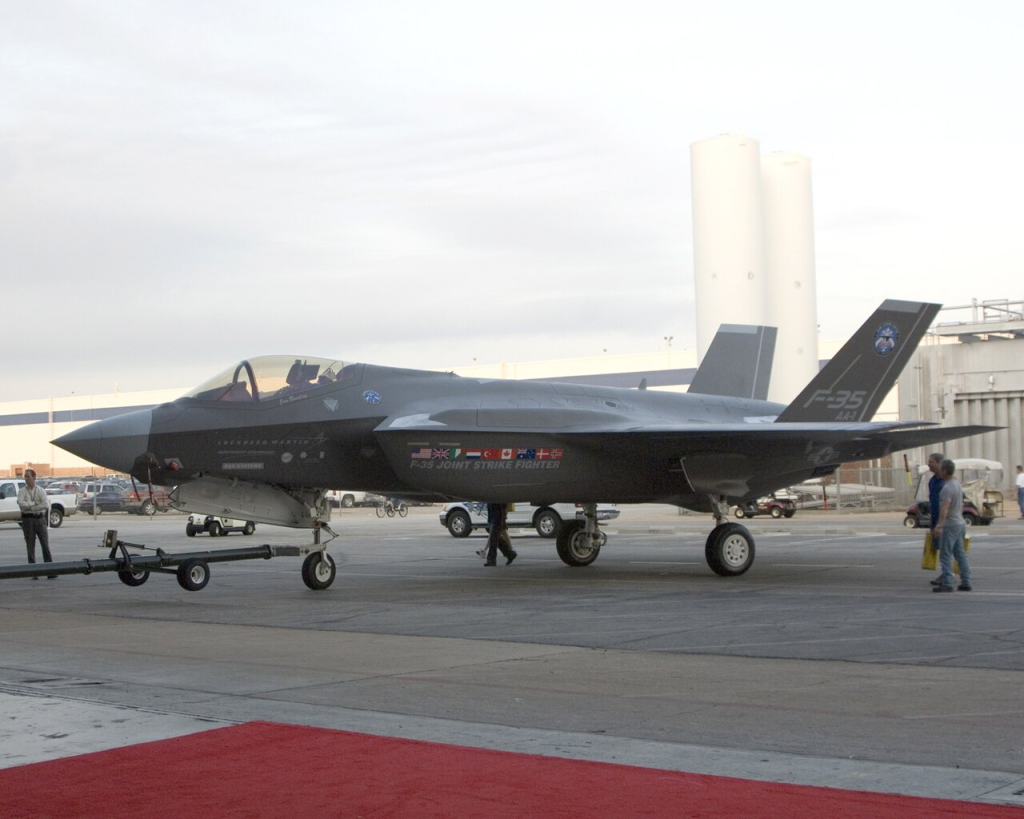
Major overhauls and modifications are now handled by the depots that are government-owned but operate under contract. The Pentagon aims to turn things around in 60 days, but it took on average 141 days as of February 2023, which is more than twice as long. While it did represent an improvement from 172 days in 2017, it’s clear progress has stalled because the Pentagon is an entire 12 years behind schedule in having its depot capacity operational.
4. Contractor-Dependent Sustainment
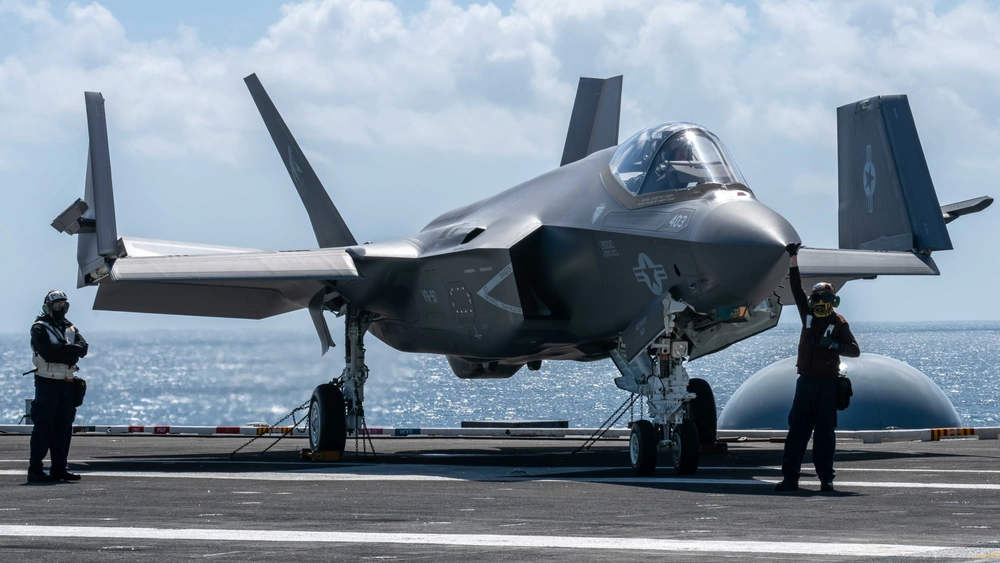
Under the “Total System Performance Responsibility” model, sustainment activities are accomplished by Lockheed Martin for the most part. Findings indicate that contract maintainers take longer than their counterparts in the military to perform their tasks by actually twice the amount of time. Such an approach ensures that the contractor earns an endless stream of income but hinders operational effectiveness, especially when speed is an essence for combat preparedness.
5. Chronic Parts Shortages
Though some engine capacity has been alleviated by greater depot capacity and manufacturing growth, there are still supply chain shortages of essential parts. F-35s have been grounded due to a shortage of canopies, distributed aperture system sensors, vent fans in the nacelle, and at least seven other critical parts.
6. Moneys Going into Sustainment Without Returns in
Spending for fighters increased almost 27 percent from FY 2018 to FY 2023, while spending rose 40.7 percent, or $34.2 billion, over six years. Meanwhile, mission capable rates for F-35A have not satisfied yearly goals. According to GAO, there was not a significant relationship between intended and actual amounts spent, which is a fiscally irresponsible performance gap.
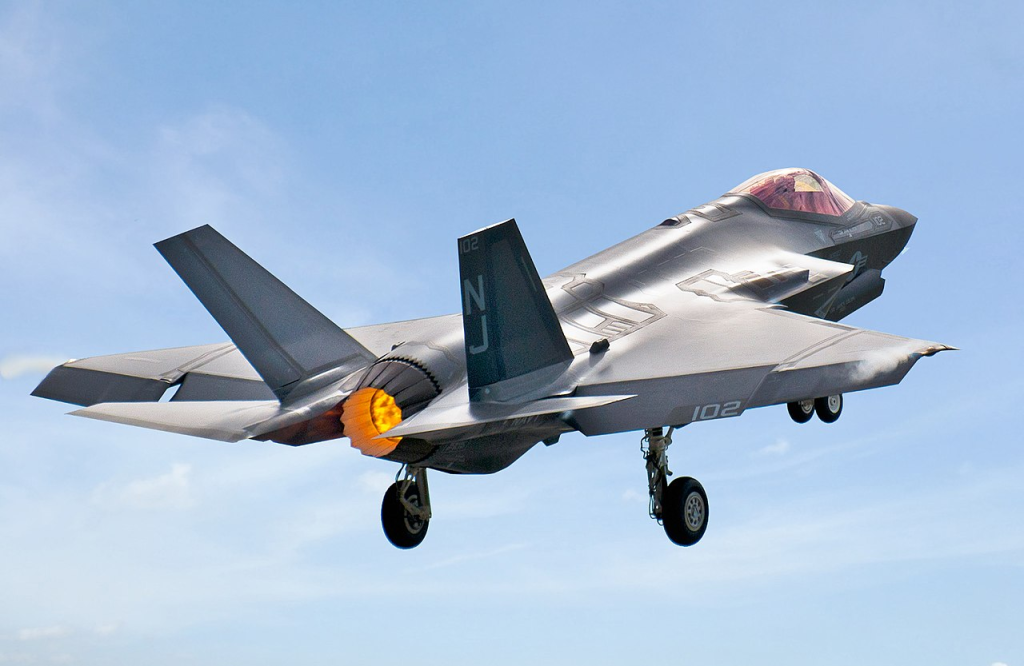
7. Delays in Modernization and TR-3 Setbacks
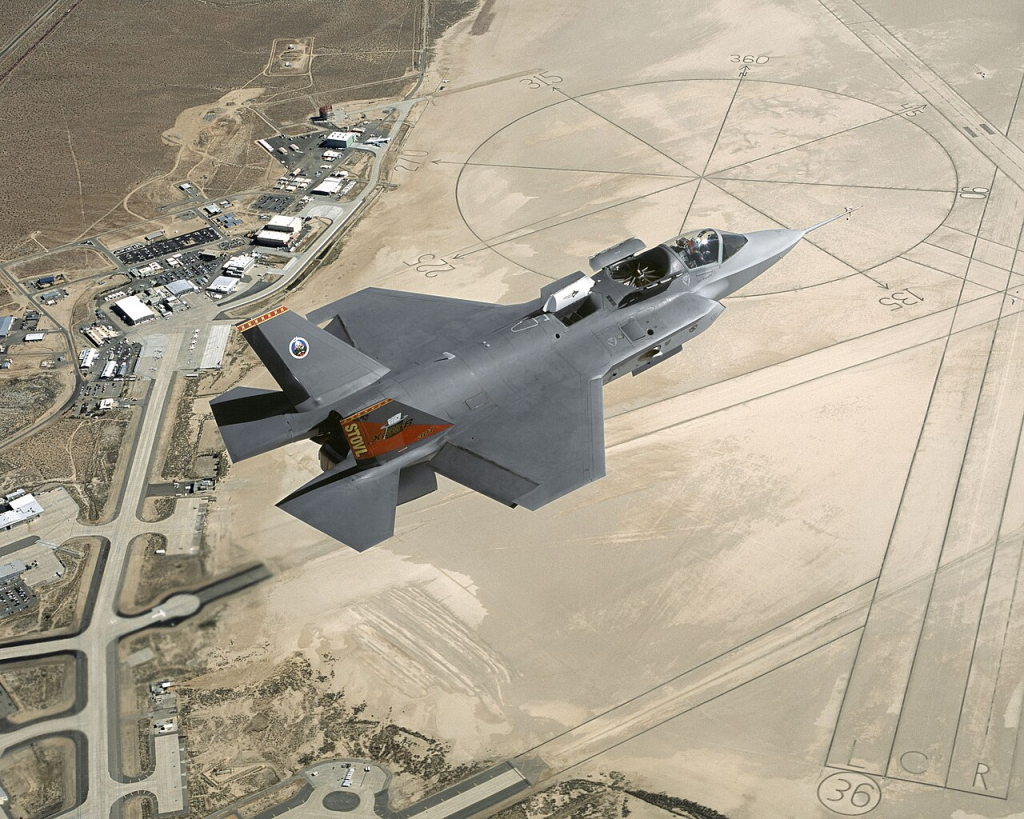
The Technology Refresh 3 (TR-3) upgrade, characterized by the latest processor, better displays, as well as additional weapons capability, “is a requirement for Block 4 upgrades,” the report says. Further delays in the Technology Refresh 3 have prevented the acceptance of new F-35s rolling off the production line. Only 32 of 205 planned baseline flight tests in FY 2023 were conducted because of pending modifications.
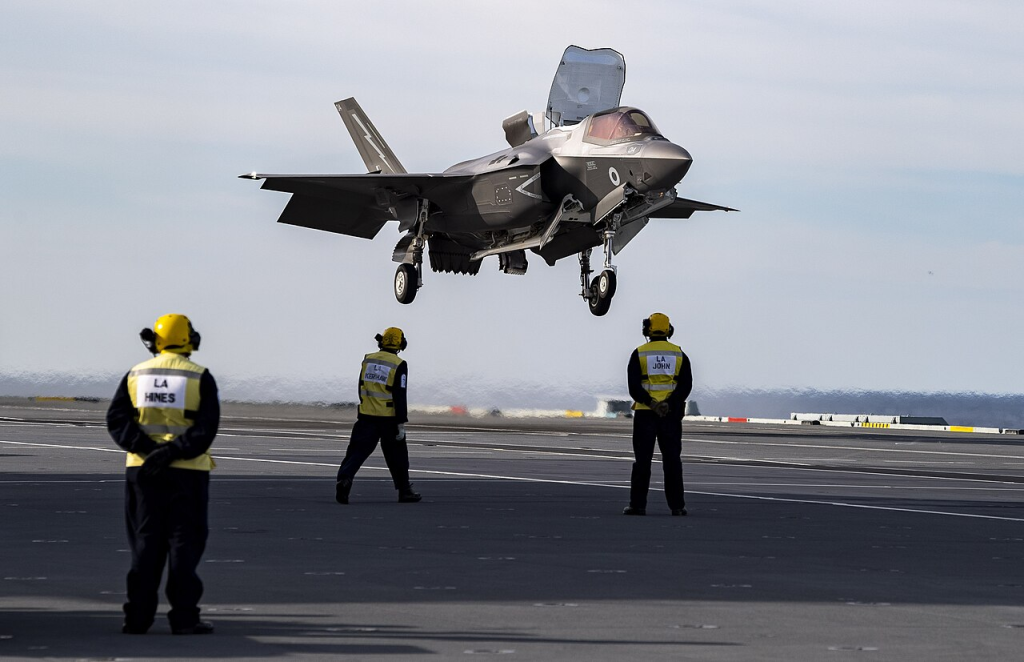
8. Transitioning From ALIS
The Autonomic Logistics Information System (ALIS), used for diagnostics, maintenance task tracking, and mission planning, has been long plagued with issues of interface and connectivity. Its replacement, the cloud-based Operational Data Integrated Network (ODIN), was announced back in 2020 for a target date of 2022. DOT&E now says that the flight line hardware will not be fully installed until 2025.
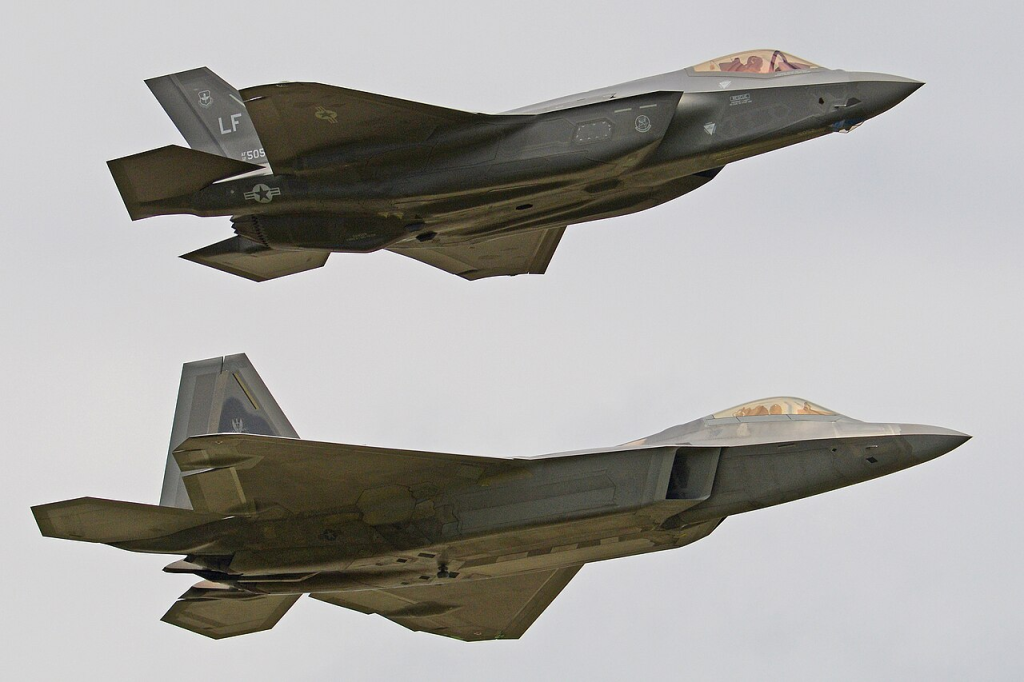
9. Readiness Decline Across Fighter Fleets
The troubles with F-35 are symptomatic of larger readiness problems. Indeed, average mission capable rates for the Air Force in FY 2024 declined to 67.15% the lowest in at least two decades. Fifth-generation aircraft dropped in average mission capable rates to 40.19%, while F-35As remained at 51.5%. Also, none of its 15 tactical aircraft variants attained their mission capable requirements in FY 2023.
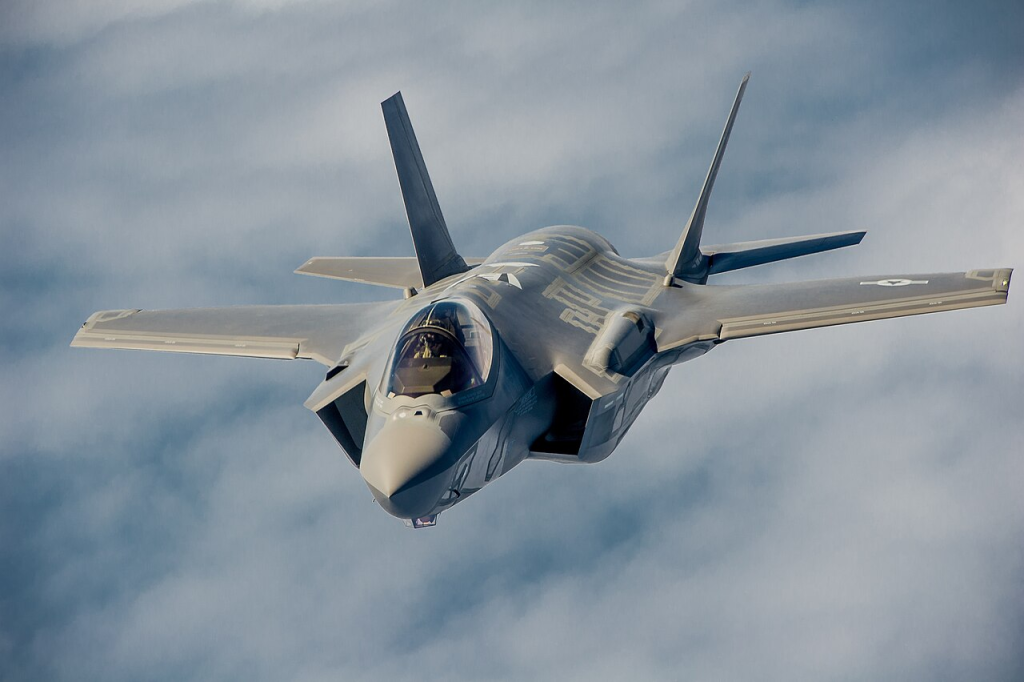
10. Production Outpacing Sustainment Capacity
Despite challenges at depot and supply chain levels, the US military has planned to buy a maximum of 780 F-35s in the latter part of this decade. Such a rapid acquisition strategy is likely to further worsen the existing sustainment capacity problem because this will lead to a further widening gap between production and sustainment capacities. Unless a harmonious balance is established between production and sustainment capacities, readies may neither improve nor may they worsen at a higher pace.
The F-35 is in a Readiness Crisis due to not one but a multitude of reasons such as improper management, dependence on contract-based work, depot delays, and failed modernization initiatives. One thing is now reinforced if anything is in military or defense circles: “Capabilities will have little significance without availability.”


