

Two days before Christmas, Ukraine’s energy system was on the front line of battle. Hundreds of drones and missiles thundered overhead in the early morning hours, hitting power substations, energy facilities, and energy transmission lines. The attack was planned to cause maximum effect, and this was most evident in its impact – blackouts, broken heating, and frozen roads in subzero weather conditions.
This was not simply another round of gunfire in the Russia-Ukraine war. This strike was a deliberate attack against the spine of the civilian life of Ukraine, taking place as negotiators from Kyiv, Moscow, and Washington have been working toward a way out of the conflict. As those who monitor defense and technology trends, the attack provides a glimpse into the way the art of modern warfare itself continues to evolve as a strategy that sees energy infrastructure as a target and a symbol of defiance.
1. The Scale and Accuracy of a Strike
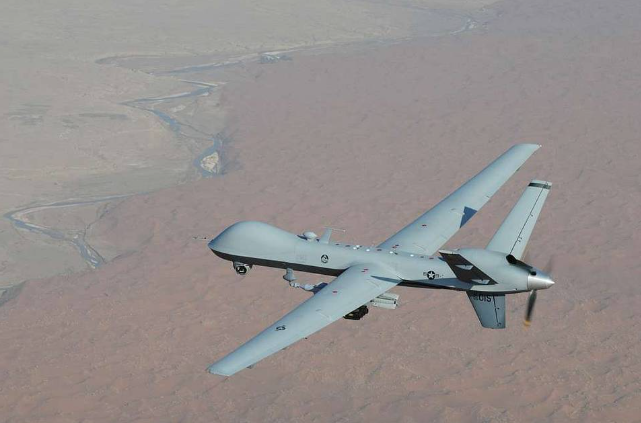
According to reports by the Ukrainian air force, Russia fired 635 UAVs, as well as 38 missiles, in one evening, of which 587 UAVs, and 34 missiles, were intercepted or suppressed. The damage was noted in 21 spots in 13 regions. In a statement by Deputy Energy Minister Mykola Kolisnyk, 80% of these attacks were directly at energy, targeting high-voltage substations and lines in effort of cutting the region’s connection. The accuracy showed knowledge of the Ukrainian energy network, much of which was built by the Soviets.

2. Numbers and Humanitarian Effects on Civilians
At least three persons died, including a four-year-old in Zhytomyr, with 11 more injured. The airstrikes occurred during a time when hundreds of thousands are unable to heat their homes because of the low temperatures. The United Nations Human Rights Monitoring Mission has concluded that these attacks are widespread and systematic with potentially foreseeable consequences affecting the provision of water, health care, and the economy. The affected population includes the vulnerable: senior citizens, low-income families, and displaced persons.

3. Energy as a Battlefield
Kolisnyk described the campaign as “social instability through total blackout,” but pointed out that this is not an example of a hybrid attack, but rather one of purely military origin. The Energy Ministry announced that power outages had been carried out across the country, subject to security considerations. This approach has been replicated in other conflict zones, in which knocking out power infrastructure brings down other interlinked services. As the ICRC observed, such infrastructure represents highly significant points of failure, leading to water, food, and health crises.
4. Drone Warfare Evolution
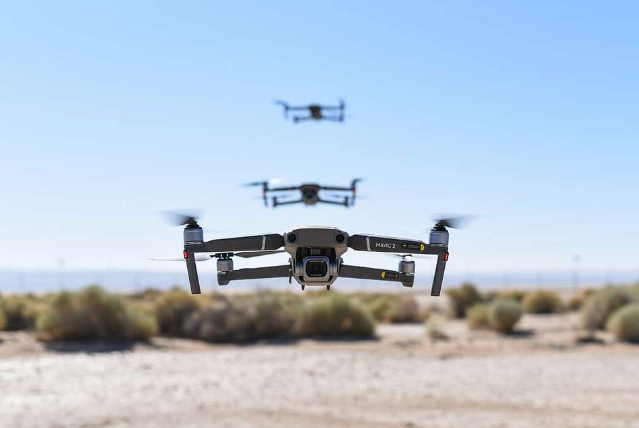
“This attack has demonstrated Russia’s development of mass strike operations using UAVs. Russia has elevated its UAV strike operations to become a new reality,” writes researcher Meghal Vartak at the Observer Research Foundation. Today, Russia reportedly uses “as many as 700 UAVs in a single strike,” including the Iranian “Shahed loitering munitions” design, dubbed “FPV” by Russian manufacturers. “This approach tries to flood air defense systems. It provides an opportunity for missiles to attack hard-target positions. Russia has developed AI-based navigation” in order to resist Ukrainian jamming efforts.
5. Vulnerability of Critical Components of Grids
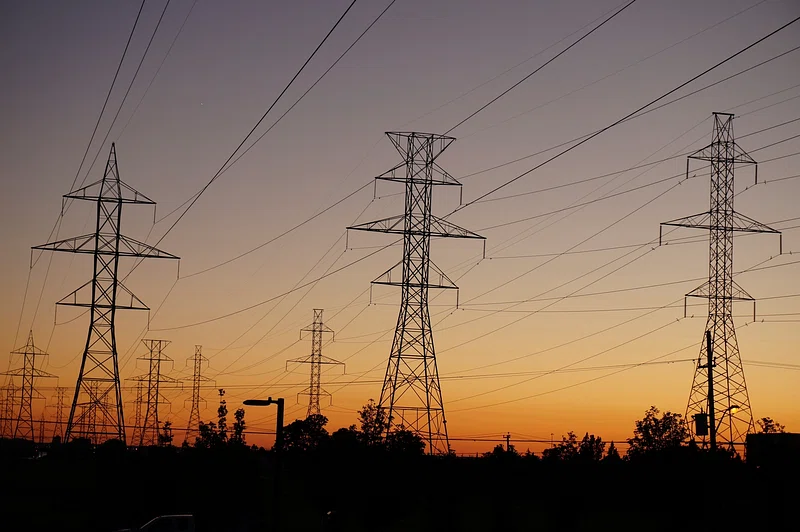
High-voltage transformers and substations represent the most susceptible points in an electric grid. A National Academies note that an assault upon multi-line corridors could initiate cascading failures over a huge geographic region. Aging infrastructure in Ukraine further exacerbates the vulnerabilities, since many of the necessary infrastructure pieces have been in place and unprotected for decades.

6. Nuclear Safety Concerns
The Ukrainian Foreign Ministry has disapproved of strikes on substations that are essential for nuclear power plants. These are considered “nuclear terrorism.” The International Atomic Energy Agency has recorded several cases in the area surrounding South Ukraine and Khmelnytskyi plants. These include interruptions in the external power lines. The backup power must be provided through diesel generators. The Russian-controlled Zaporizhzhia power plant has continued the removal of a quarter of Ukraine’s power capacity from the grid.
7. Diplomatic Back
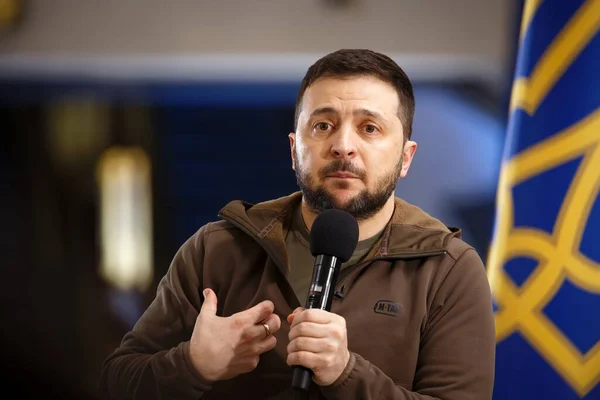
The strikes came as a Ukrainian delegation sought security guarantees and economic restoration as a result of negotiations underway in Miami. “This shows a very loud signal regarding Russia’s priorities,” Ukrainian President Volodymyr Zelenskyy said regarding the strikes. Dmitry Peskov, a Kremlin official, admitted “slow progress” within the negotiations, while Vice President JD Vance spoke of a “breakthrough to bring all issues to the table.”
8. International Military Response
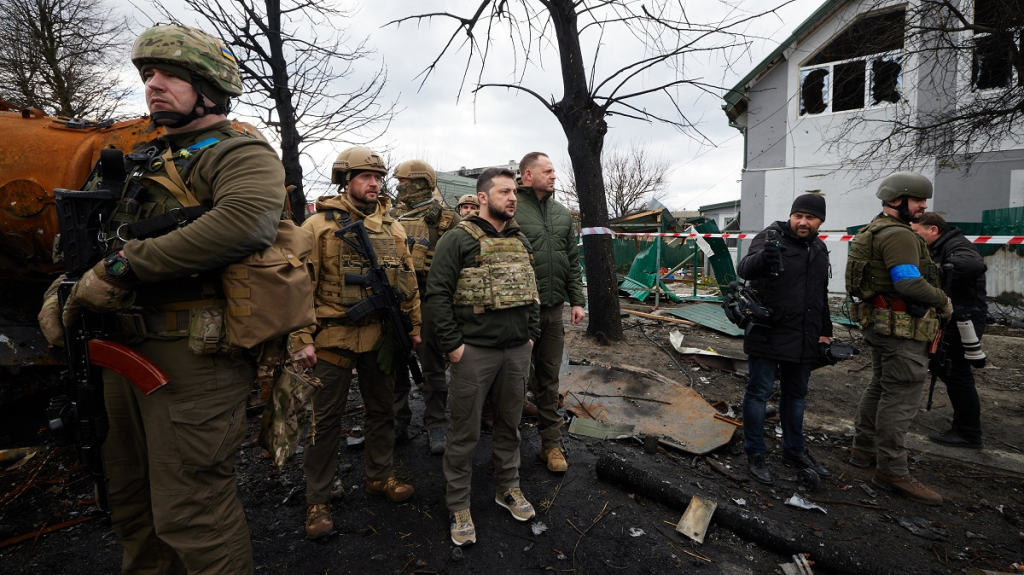
Poland’s response involved scrambling fighter jets to protect national airspace during the attack. Airports in Volgograd, Grozny, Magas, and Vladikavkaz in Russia were temporarily closed due to the long-range drone attacks launched by Ukraine. Such incidents depict the range that the drones from the conflict parties cover and the levels of alertness of neighboring countries.
9. Resilience & Recovery Initiatives
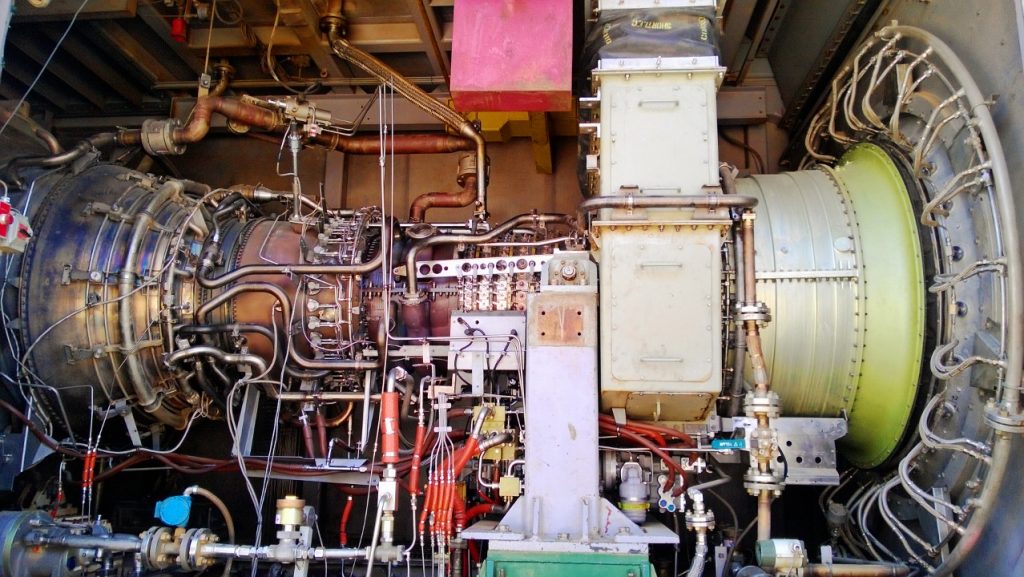
Despite the war having caused $20.5 billion of damages to its energy infrastructure, Ukraine passed the winter months of 2024-25 without blackouts, thanks to the fast-track restoration of the damaged infrastructure and the importation of equipment from its European and Japanese friends. Smallscale gas turbines and rooftop solar batteries are increasing, which will help minimize the reliance on damaged costly infrastructural facilities. However, warnings by Kolisnyk of potential restoration delay by targeted strikes would come to pass, regardless. The attack on the Ukraine grid in the lead-up to Christmas was more than simply an attack notwithstanding its military potential it showed how modern warfare leverages civilian infrastructure in pursuit of its effectiveness.
For observers of both military and technological trends, it represents nothing less than the fusion of targeting accuracy, drone warfare, and energy warfare. The vulnerability and subsequent resilience of the Ukraine energy infrastructure provide insight into nimble response mechanisms a reality that nonetheless suggests that protecting them and other strategic infrastructure resources will continue to play a pivotal role in military and humanitarian strategies.


