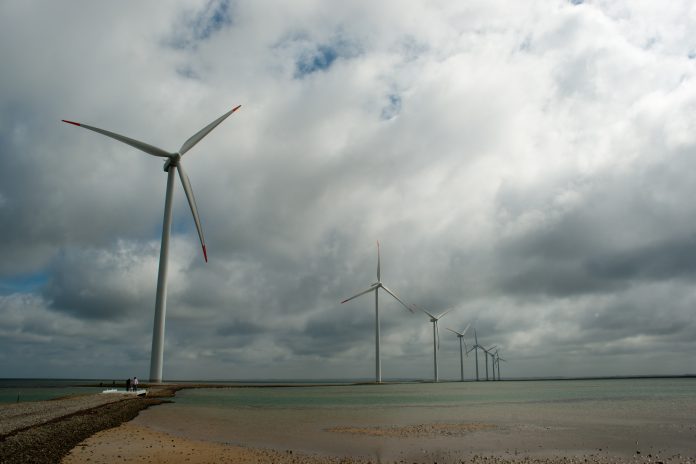
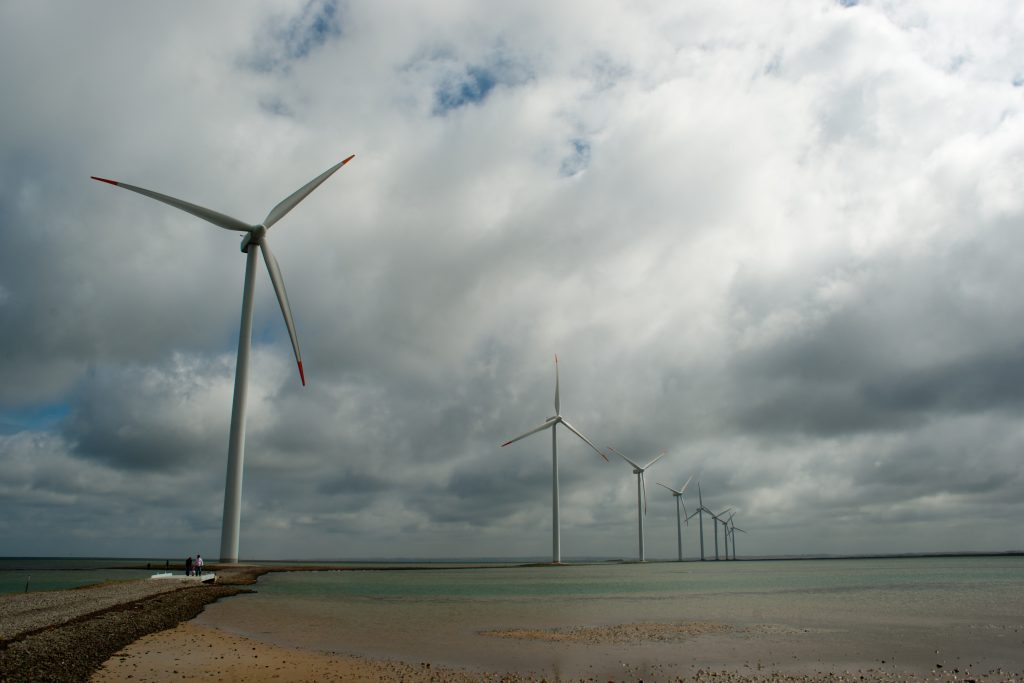
“When politics meets technology, turbulence is sure to follow.” This saying is playing out in dramatic form along the eastern coast of the U.S., where the Trump Administration’s sudden halting of five major offshore wind projects has set off a stormy controversy over issues related to national security, energy policy, and the nation’s spending priorities.
According to the Interior Department, the delay is required in order to mitigate radar interference and other pending threats that have been revealed in classified documents provided by the Pentagon. Developers, state officials, and clean energy proponents assert that such dangers have been assessed during the permitting process. At stake are energy hubs that serve regions of high growing demand related to data centers, AI projects, and defense facilities. The following is an analysis of the most essential aspects of this public feud.
1. The Scale of the Suspension
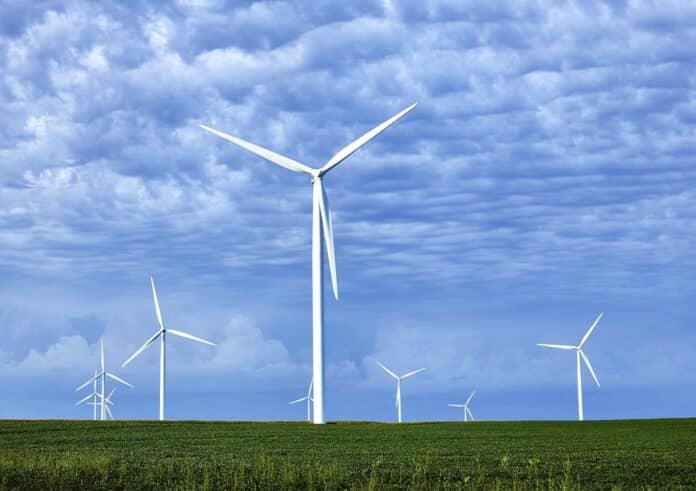
The coastline is home to five massive Offshore Wind projects, namely Vineyard Wind 1, Empire Wind 1, Sunrise Wind, Revolution Wind, as well as Dominion Energy’s Coastal Virginia Offshore Wind (CVOW) projects. In total, these projects hold investment value of approximately $28 billion, as well as roughly six-gigawatt capacity. Notably, individual installations like CVOW have a total installed capacity of 2.6GW, sufficient power supply for up to 660,000 residences. Some of these Offshore Wind energy installations are even more than 60% complete. The stay is immediate, halting all leasing actions, though it does not annul any leasing approvals accorded earlier. This technicality has put construction schedules on hold, with developers holding off on stop-work orders and relief until actual notices are issued by the concerned authorities. In the case of firms such as Ørsted and Equinor, the stay has brought significant declines in their stock prices.
2. Pentagon’s Radar Interference Concerns
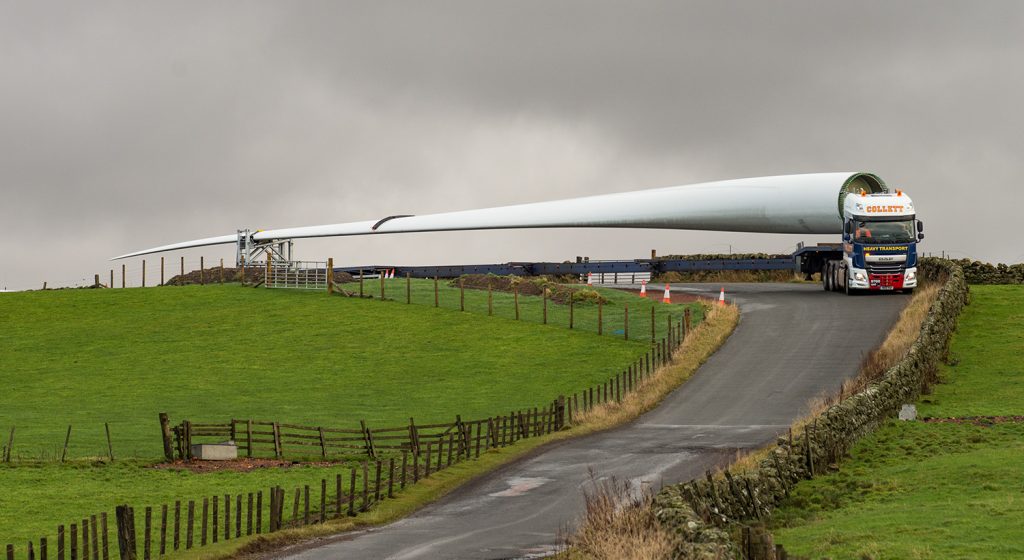
“The conclusion has been reached unanimously and conclusively by the Department of Defense that large offshore wind farms interfere with radar, which in turn affects the ability to distinguish friend or foe in our airspace,” says Doug Burgum, interior secretary. “The movement of large blades and superreflective towers interfere in the ‘radar clutter’ associated with detection by radar systems.” A recent National Academies of Sciences study assessed specific turbine properties and blade rotation that yield returns resulting from Doppler shifts, multipath, and side-lobe returns that can puzzle radar operators. Although various fixes do exist, Burgum contends that new and increasing threats from adversaries call for reevaluating fresh ideas.
3. Classified Assessments and Emerging Threats
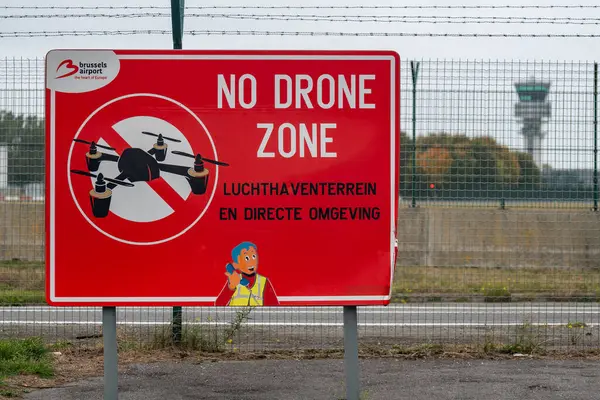
The government points to classified intelligence from the Department of War that identifies risks associated with offshore wind in relation to population centers on the East Coast. Though particular information is not made public, examples of known aggressor technologies, such as drone swarms, are mentioned. Critics argue that all of these affected projects received reviews from multiple agencies, and also received sign-off approvals from the Pentagon. According to national security expert Kirk Lippold, these affected projects may end up improving national security by virtue of diversifying the supply of fuel.

4. Legal Backdrop and Judicial Counterpunch
This announcement comes only two weeks after a federal judge declared that Trump’s earlier executive order suspending wind projects to be “arbitrary and capricious.” This leasing moratorium may be a ‘counterpunch’ to the legal blow that the administration took regarding its earlier executive order. “This move makes litigation even more difficult because courts usually give great weight to the executive’s assertion that the individuals pose a risk of national security,” said Carl Tobias, a professor at the University of Richmond Law School. “However, the attorneys general and the developer community are contemplating litigation,” he added.
5. Economic Shockwaves
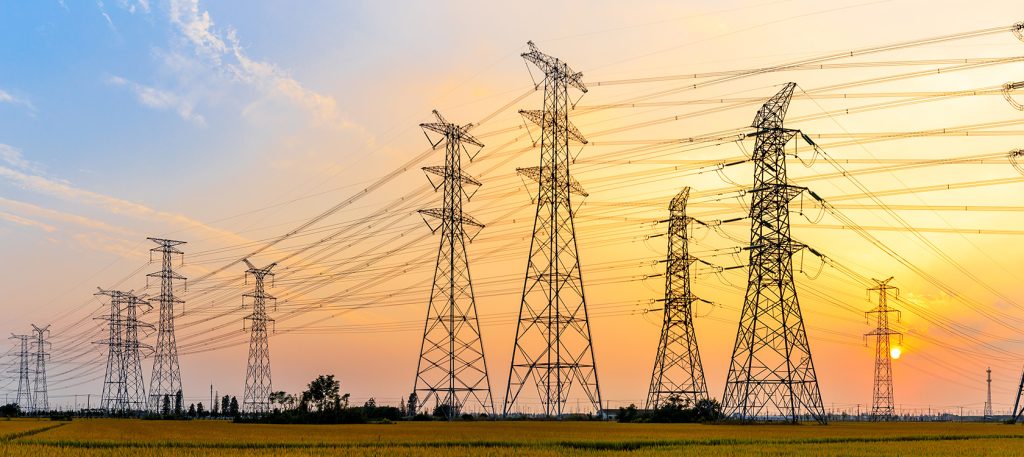
“The freeze poses a threat of thousands of jobs, ranging from union trades to specific offshore crews. This has been termed by labor leaders as a “layoff notice” issued just before Christmas. Dominion has warned of the impact of the freeze by stating it would” threaten the reliability of the grid and increase the prices of energy in Virginia. Developers also face possible credit downgrades due to uncertainty. Orsted is already handling a $9.4 billion funding inflow and may see projects dismantled if the deadline is delayed.

6. State-Level Pushback
The suspension has been criticized by governors in Massachusetts, Connecticut, New York, and Rhode Island, who deem it “unfounded.” However, according to Maura Healey, the governor of Massachusetts, “Those assertions are unfounded and unspecified,” as Vineyard Wind has agreements with both Departments of Defense and Air Force. Certain states are considering legal alternatives; others are calling attention to regional shortages. ISO New England believes stopping Vineyard Wind and Revolution Wind projects could impact the modeling of electric power in the coming years.

7. Industry’s Mitigation History
Trade bodies such as the National Ocean Industries Association highlight that military radar interference has been a problem that offshore wind developers have worked together with the Defense Department for over ten years. There have been adjustments made in design and operational procedures. European problems associated with radar can be resolved by positioning and advancements in turbines. According to studies in the U.S., materials that absorb radar, tower design, and improved solid-state radar systems can solve many interference problems.
8. Maritime Navigation Risks
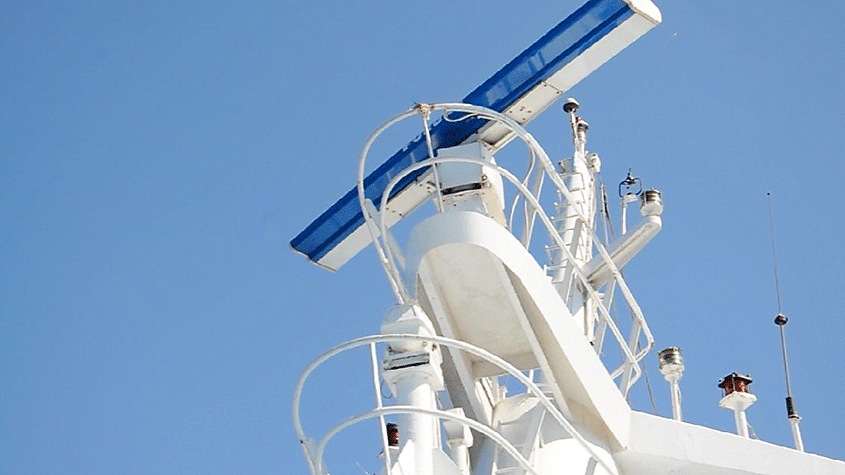
Additionally, aside from military radar, offshore wind farm installations have the capability to interfere with the marine radar systems utilized by vessels for navigation. According to the findings from the National Academies study, the clutter from wind turbines has the capability to hide small vessels, particularly in high-volume sea routes. Mitigation measures available are operator training, buoy use for reference returns, Small Vessel Use of radar reflectors. However, it is expensive to upgrade existing magnetron-based radars, although the maritime community has been cautious about any expansion at sea.
9. Political Opposition to Offshore Wind
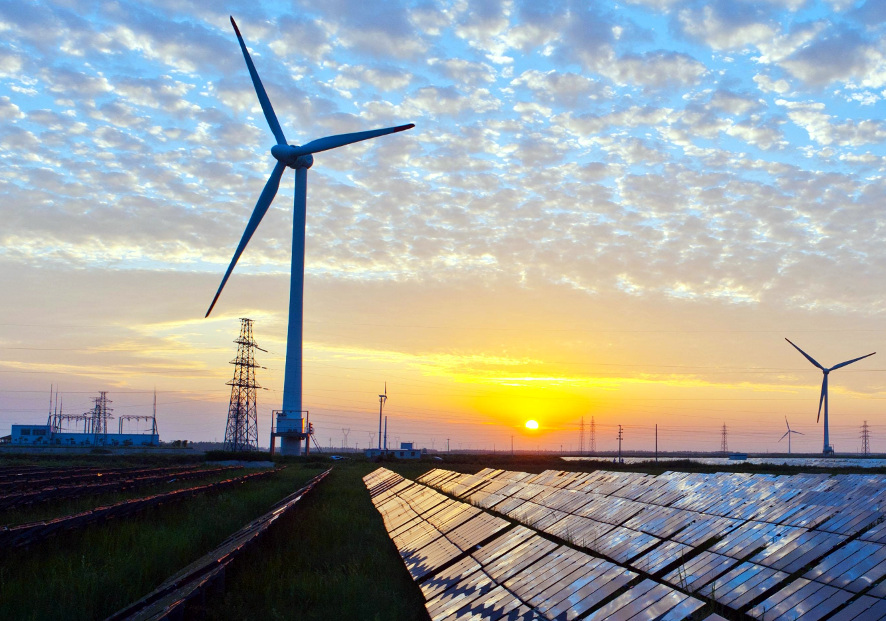
“He’s always been a fan of fossil fuels, and he thinks wind farms are very costly, inefficient, and damaging to animals,” Kromm says. “The Trump administration has used offshore wind projects as an attack target, and there have been several attempts, ranging from holding back port renovations on the Atlantic coast to Critics, such as the Protect Our Coast New Jersey movement, argue that putting up these turbines is unpatriotic because of their ownership by aliens. On the other hand, proponents argue that such arguments veil a preference for fossil fuel.
10. Energy Demand and Strategic Assets
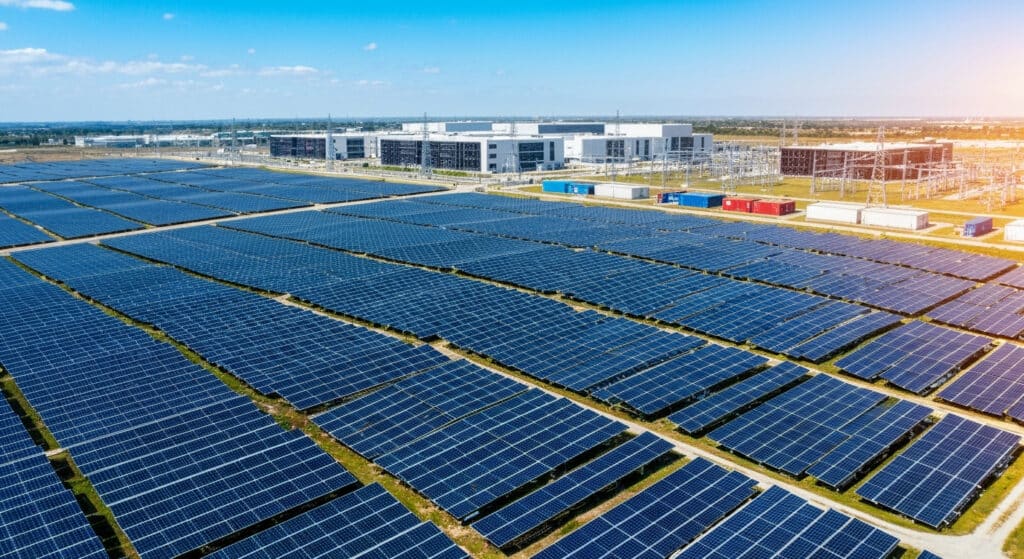
Areas impacted by the pause experience increasing electricity demand in AI companies, military bases, and manufacturing. The CVOW project undertaken in Virginia was touted as necessary to power “War fighting, AI, & civilian operations” and to minimize dependency on imported fuel sources. The Mid-Atlantic regions are also faced with high energy costs and insufficient infrastructure for energy production. Delaying the development of offshore wind capacity might worsen this problem.
The offshore wind delay highlights a dynamic intersection of defense technology, energy policy, and politics. Although interfering with radar is a plausible technical problem, it is also a problem that appears at a late date, raising questions about motives. For policymakers and energy industry leaders, the future will show how national issues concerning safety will be balanced with the pressing needs for renewable energy.


