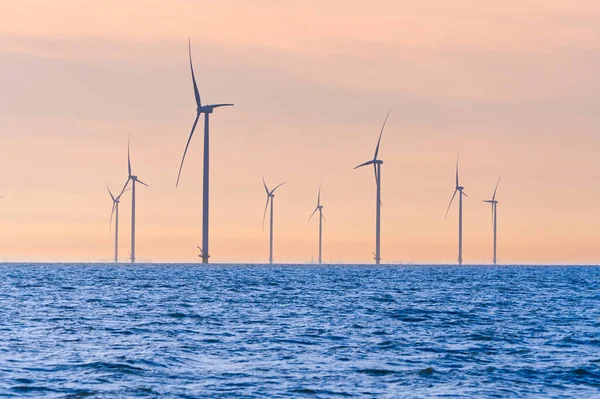
Would a renewable energy facility be considered a risk to the national defense system? This has become the biggest question within U.S. energy and defense communities following the Trump administration’s surprising halt to five large offshore wind projects along the entire East Coast. This follows an assertion by the U.S. Department of Interior that the facilities expose the nation to danger based on classified information from the U.S. military.
These massive undertakings, already long into construction, would provide power for millions of households, as well as secure vital military bases. In light of these suspended activities, stakeholders are weighing the implications of these actions in relation to energy security, economic stability, and US posture. In realizing a deeper understanding of this issue, the following section offers nine essential pieces of information.
1. The Five Projects Marked for Attack
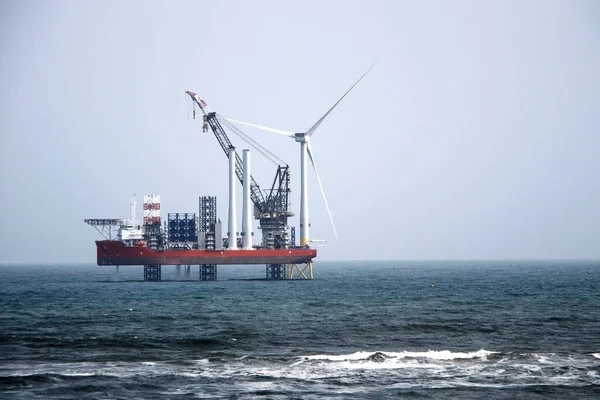
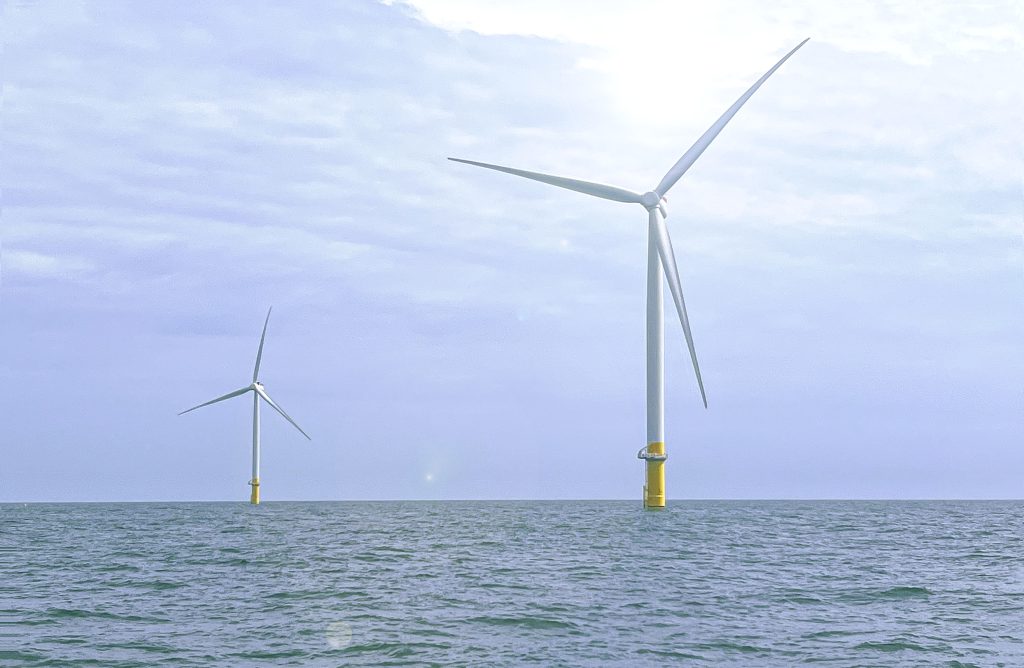
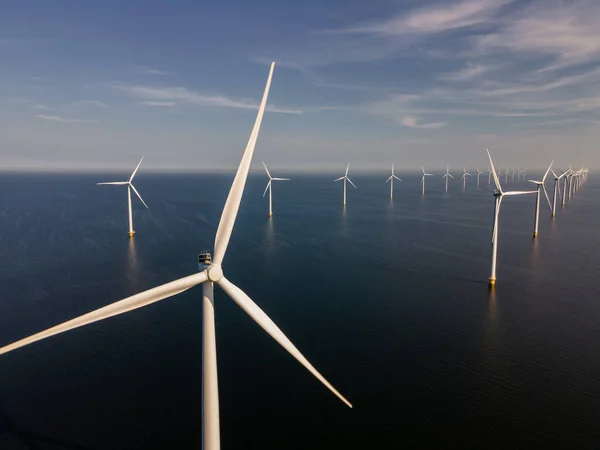
The suspension applies to Vineyard Wind 1 off the coast of Massachusetts, Revolution Wind off Rhode Island and Connecticut, Coastal Virginia Offshore Wind (CVOW), Sunrise Wind off Long Island, yet another project called Empire Wind 1 off the coast of New York. The six are meant to provide up to 8 gigawatts of clean energy, which is enough power to light up millions of homes. Vineyard Wind 1 alone was meant to power over 400,000 homes in Massachusetts, with 176 turbines at CVOW set to offer power to 660,000 homes at 2.6 gigawatts.
2. Concerns in regards to Pentagon’s
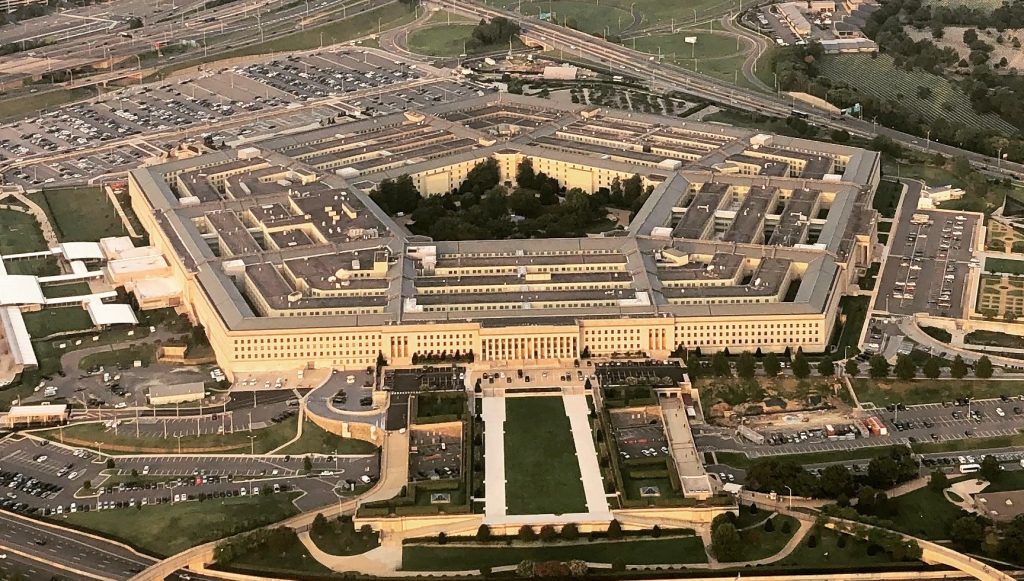
The Defense Department has long observed that rotating turbine blades and “reflective” tower structures cause “radar clutter,” which conceals genuine moving targets and perpetuates spoofed targets. The Interior Department further observed that such interference could easily make it “difficult to distinguish friend from foe within American airspace.” Fixation techniques are available to curb such interference effects, but the administration asserts that “the presence” of proposed wind farms “close to major population areas on the Eastern Seaboard” increases danger.
3. Conflict with Previous Security Reviews
Industry organizations, such as the National Ocean Industries Association, have noted that all five projects had been subjected to extensive review by the Department of Defense and that none of them raised any issues during that time. As stated by Richard Lippold, ex-commander of the USS Cole, “The permits to build wind turbines were issued after many years of review by state and federal agencies and do not affect our national security.”
4. Economic Stakes and Loss of Jobs
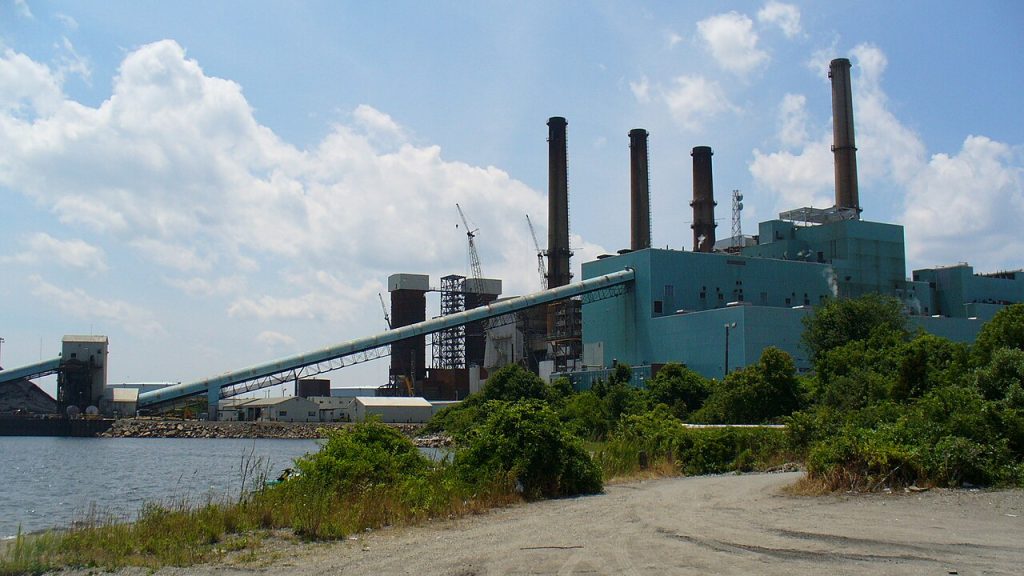
The halted projects are valued at approximately $25 billion. “Thousands of jobs” are threatened, and energy inflation would increase due to the halt in either or both projects, according to the threat by Dominion Energy. Orsted, the company behind Revolution Wind and Sunrise Wind, was expected to serve the power needs for 1 million homes spread over three states beginning next year. The states’ governors have denounced that action and what it does to “good-paying clean energy jobs.”
5. Military and AI Infrastructure Impact
Dominion highlighted the fact that the CVOW plant will support the powering of “many of America’s most vital war-fighting infrastructure, the world’s largest warship manufacturer, the largest assembly of data centers in the world, and the forefront of the Artificial Intelligence Revolution.” Dominion further states.
6. Political and Legal Background
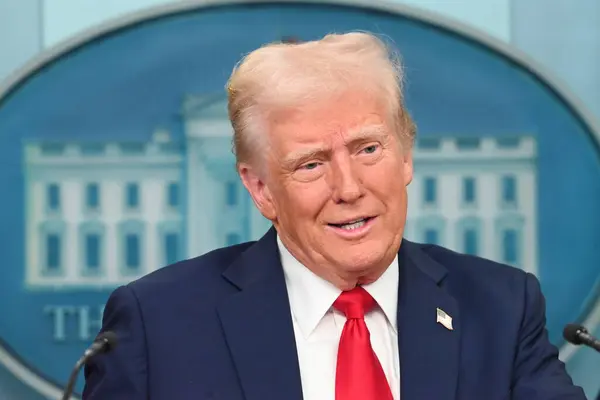
This moratorium comes barely two weeks after judge Patti Saris invalidated Trump’s preceding order to halt wind energy projects through an executive order, which she termed “arbitrary and capricious.” Certainly, the anti-offshore-wind attitude of the current federal government has been evident. This has been evident in the campaign promise of Trump to kill the sector due to high prices, inefficiencies, along with environmental concerns.
7. Pushback at the State Level
Lawyers and AGs from the states also consider the legal and political remedies. New York Governor Kathy Hochul believes the administration “is continuing its assault on clean energy for what appears to be yet another frivolous reason.” Virginia’s new governor, Abigail Spanberger, has promised to put politics aside to finish the CVOW, since its importance in keeping down the price of electricity and maintaining the reliability of the electric grid had become so evident.
8. Global Energy Security Context
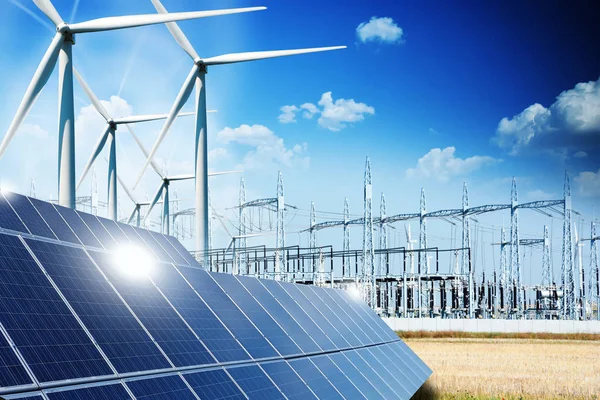
Retired Army Gen. James “Spider” Marks warned that a degradation of our ability for offshore wind energy gives a substantial advantage to China in the energy wars. We have 129 operational offshore wind projects in China, but only “four” in the United States, according to Gen. Marks. America’s development of “offshore wind energy” will insulate society from worldwide supply disruptions to support “modernization.”
9. Increasing demand and vulnerability of the grid
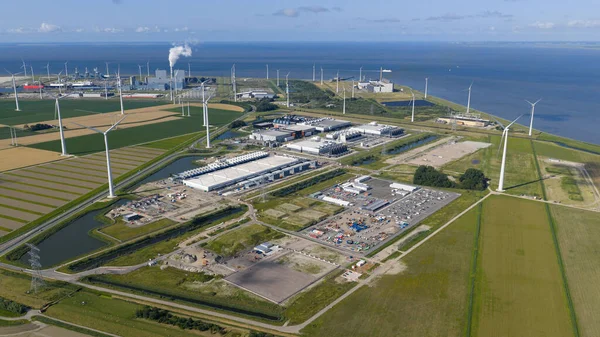
Analysts point to a growing demand for U.S. electric power as a consequence of “electrification and AI data centers.” In a report by Miles O’Brien, “45% of New England’s interconnection queue is now offshore wind.” The alternatives available, including construction of additional fossil fuel or nuclear power plants, will require several years and thus further destabilize the grid, “a national security concern in its own right.” The Trump administration’s halt to offshore wind development captures a broader struggle positioned between energy security and national security as a whole.
While officials point to “interference with radar operations and potential security threats, opponents see the shift as imperiling energy independence and economic security to boot and military security as well as a result.” A resolution to the conflict will do more than simply determine U.S. offshore wind energy policy, as it will impact the overall energy security strategy of the United States as well, amounting to billions.


