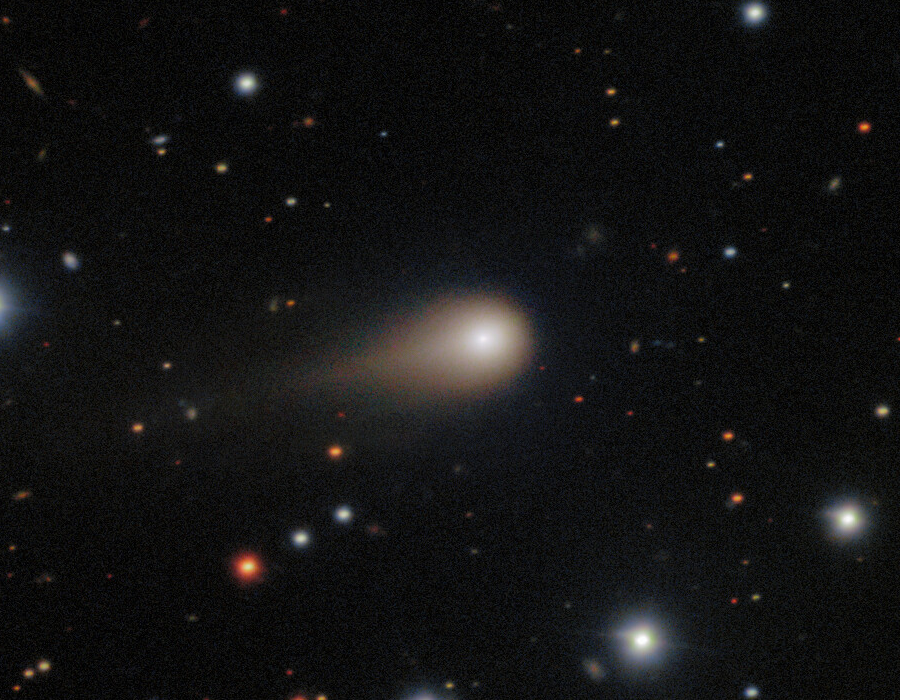
Is it possible that the orbit of a comet in our solar system is more than just a cosmic accident? The interstellar object 3I/ATLAS, found in July of 2025, has been observed to exhibit an unusual set of properties that have piqued the interest of astrophysicists around the world. Although the vast majority of astrophysicists have attributed the phenomenon to natural causes, some have pointed out an increasingly large list of irregularities that suggest alternative, even technological, explanations may be valid.
In March of the year 2026, the comet 3I/ATLAS will approach Jupiter, providing for the first time a chance to obtain information. Ahead of this encounter, anomalies in cometary physics, including impossible orbit configurations and strange chemical compositions, have been pointed out by astrophysicist Loeb. The following are ten of the most peculiar observations currently in question.
1. Rare Retrograde Alignment
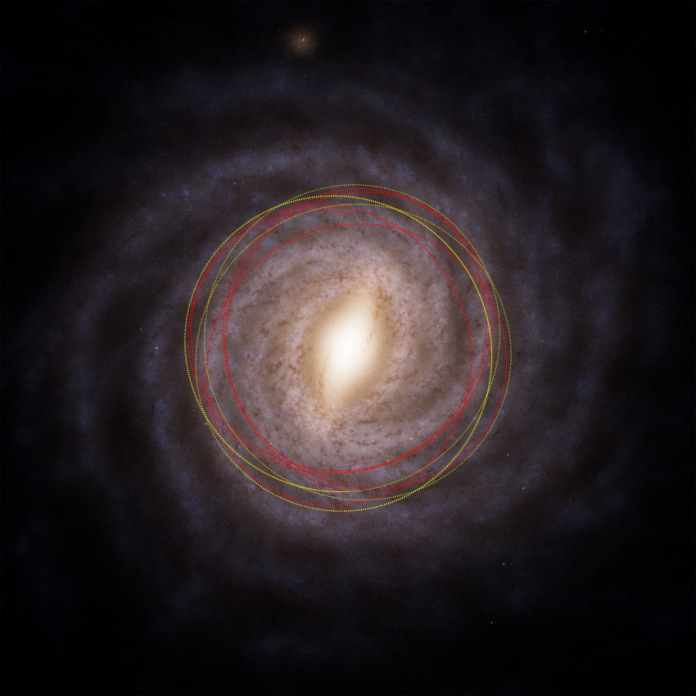
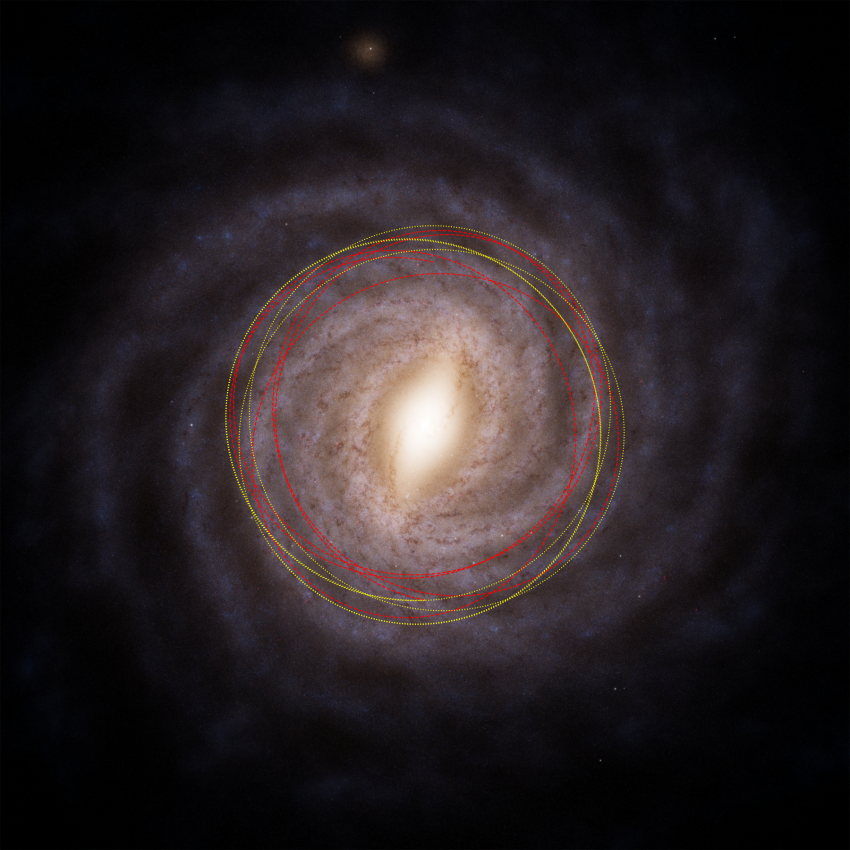
3I/ATLAS has a retrograde orbit, which is aligned to within 5 degrees of the ecliptic plane. The probability of this alignment, as calculated by Loeb, is 0.2%. This level of accuracy has fueled speculation about whether this trajectory is in any way optimized, although it is, of course, purely down to chance gravitational dynamics.
2. Grand Conjunctions of Encounters
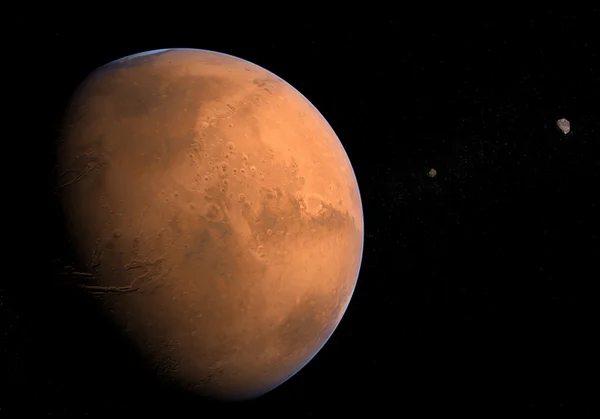
When considering the timing of its arrival, 3I/ATLAS comes close to Mars, Venus, Jupiter, but not Earth by just tens of millions of kilometers. According to Loeb, the chances of encountering all these planets simultaneously are 0.005%. This leads to the question of whether its path has been determined in a way that provides easy access to the different planetary settings.
3. Perijove Near Jupiter’s Hill Radius
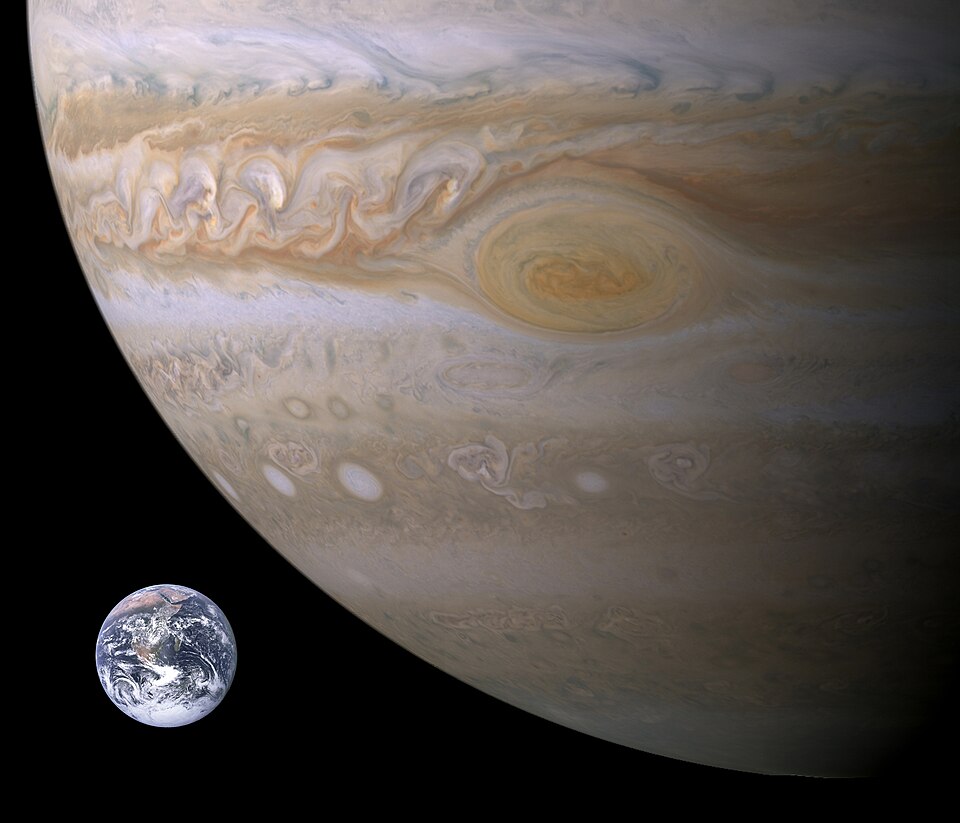
Predicted passing distance on March 16, 2026, is 53.6 million kilometers for 3I/ATLAS, remarkably close to the Hill radius of Jupiter, which is 53.5 million kilometers. Even when non-gravity forces acting on perihelion passage are taken into consideration, the result holds. Loeb guesses that this could make it feasible to enter Jupiter’s Lagrange fixed points.

4. Tightly Collimated Sunward Jets
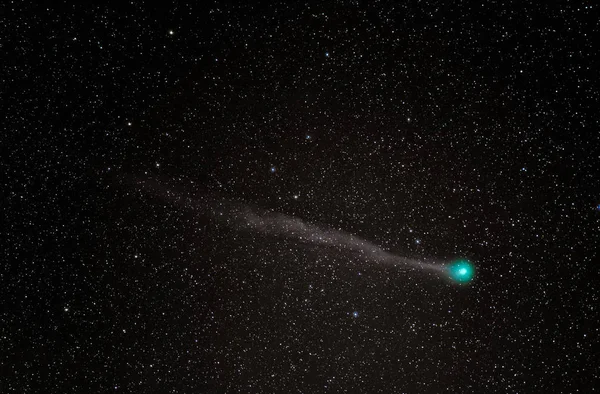
July 2025 Hubble photos showed a sunward anti-tail jet that was ten times longer than it was wide, a characteristic that was seen again after perihelion. The characteristic width for a natural jet from sublimation is generally wider than this, which is a quite narrow collimation. Loeb and Eric Keto propose that for an artificial object, beams of particles could provide shielding against the impact of solar winds for speeds around 500 km/s.

5. Stable Rotation Axis Positioning
At large distances, the rotation axis was aligned to within 8 degrees of the Sun’s direction, with only a 0.5 percent probability of this alignment occurring by random chance. This alignment was maintained over the course of months, and the jets pointing in each direction from each pole in turn faced the Sun before and after they reached perihelion.
6. Symmetric Anti-Tail
Prior to perihelion, the jet from one pole was directed towards the sun, while after perihelion, the jet from the other pole was similarly directed. The chances that this configuration would occur by random chance are 0.000025, and this unusual situation has been the basis for theories about design, though cometary dust dynamics could explain this configuration under certain circumstances.
7. Nickel Without Iron
A Very Large Telescope ‘s spectroscopy identified the presence of nickel and a lack of iron, akin to industrial-grade nickel alloys. Both metals coexist naturally in real-world comets because they originate together via the same process, that of a supernova. According to Loeb, a ratio between nickel and cyanide is many orders of magnitude higher compared to thousands of other reported and analyzed comets, including comet 2I/Borisov.
8. Composition Dominée
The coma is found to consist of about 95% CO₂ and only about 4% H₂O by weight just the opposite from what would normally be expected for a comet. Such high concentrations of CO₂ ices may imply that 67P was formed outside of the CO₂ ice line in its parent environment or that it accumulated high concentrations of these ices while passing through cold molecular clouds during its interstellar journey.
9. High Negative Polarization
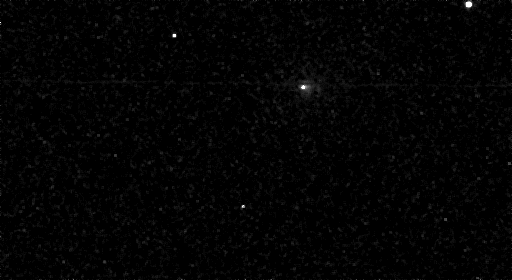
3I/ATLAS has demonstrated unprecedented levels of negative polarization up to −2.7% at a phase angle of 7°. This level of optical properties has not been seen in any known comet, including 2I/Borisov. The correlation of this anomaly with the peculiar anti-tail structure of this comet has been pointed out by Loeb.
10. Brightening and Color Shift
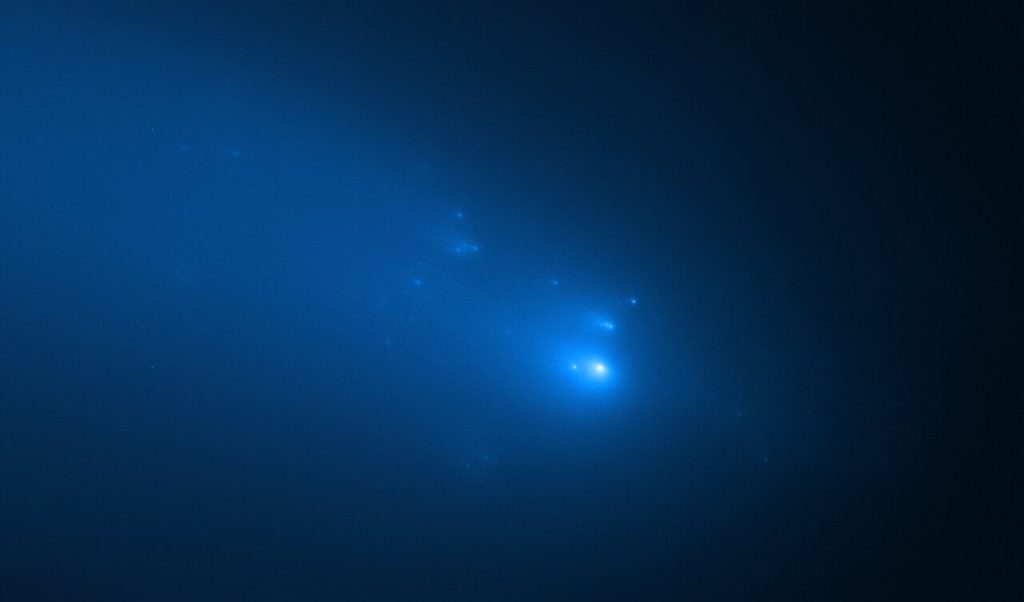
Near the perihelion, the comet was brightening much faster than any known comet and was even reflecting a bluer color than the Sun. This is a hard process to explain through the conventional sublimation model and might indicate the presence of unique phenomena on its surface or in the coma. Whether such anomalies will ultimately turn out to be merely wild natural fluctuations or signposts for an unprecedented phenomenon is another question that will be answered soon during the flyby of Jupiter that is being planned.
Loeb’s Scale Ranking of 4 may change upwards or downwards depending on future observations that may confirm or nullify them. Until then, 3I/ATLAS continues to remain an alien object that visits planets so seldom that scientists find it difficult to keep their skepticism and curiosity levels just right.


