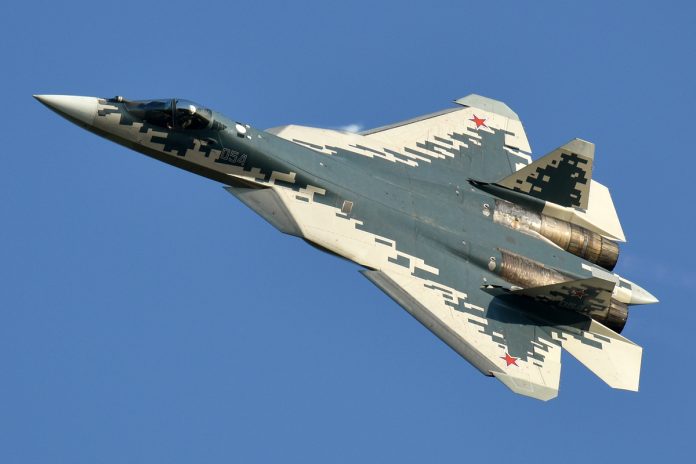
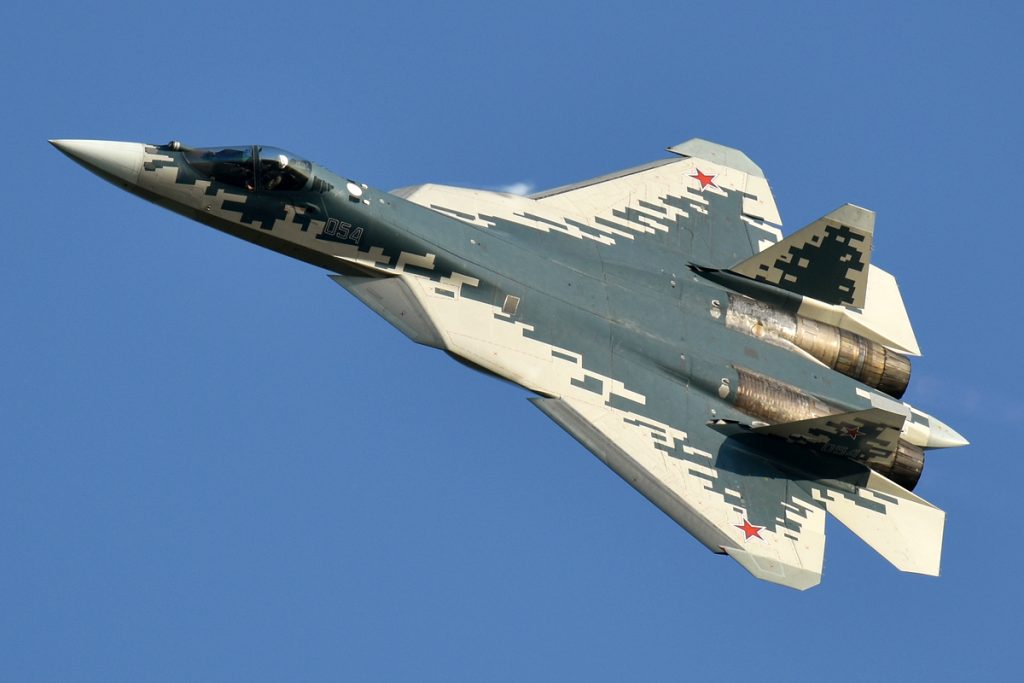
“Power without endurance leads to weakness.” This ancient saying regarding power generality is again facing a trial of strength vis-à-vis critical development stages of Russia’s “stealth” fighter aircraft airframes of model Su-57 and their maiden flight on a “Product 177” five-generation engine for the first time ever. Engine designs have long been torturing developers of aircraft of this series.
The test flight at the end of December 2025 is a critical milestone not only concerning the technological abilities of the fifth-generation fighter jets but the future of Russia as a whole within the market of these planes as well. With Russia’s Su-57E export model so aggressively pushed on the international market and already sent off to at least one purchaser, this particular aircraft is a critical component of the future of Russia’s air forces as well as an export model of the planes sold off in other regions outside of the Western community.
In this listicle, the top ten technological, operational, as well as strategic trends in relation to the new Su-57 engine in the global scenario would be presented.
1. Product 177 Engine Achieves First Flight
On December 22, 2025, the first flight of the Su-57 powered by the new engine “Product 177” was performed by test pilot Roman Kondratyev. According to Rostec, the performance during the first flight was normal, and this verified the new engine’s installation on the Su-57. Work on this new engine for the fifth-generation fighter is being carried out by the United Engine Corporation. According to this corporation, this new-generation engine is designed for the increased thrust of 16,000 kgf in afterburned mode compared to the earlier models. According to A. Lyulka Design Bureau’s Evgeny Marchukov, new design and material approaches allowed for an improvement in the new engine’s qualities compared to the earlier models.
2. Compatibility and Retrofit Potential
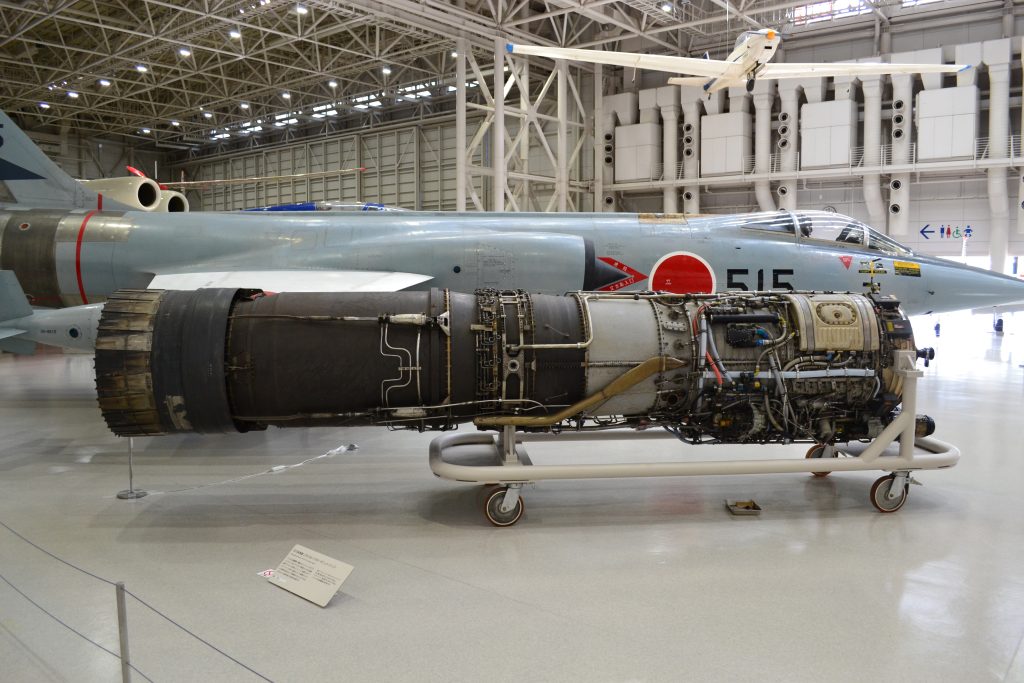
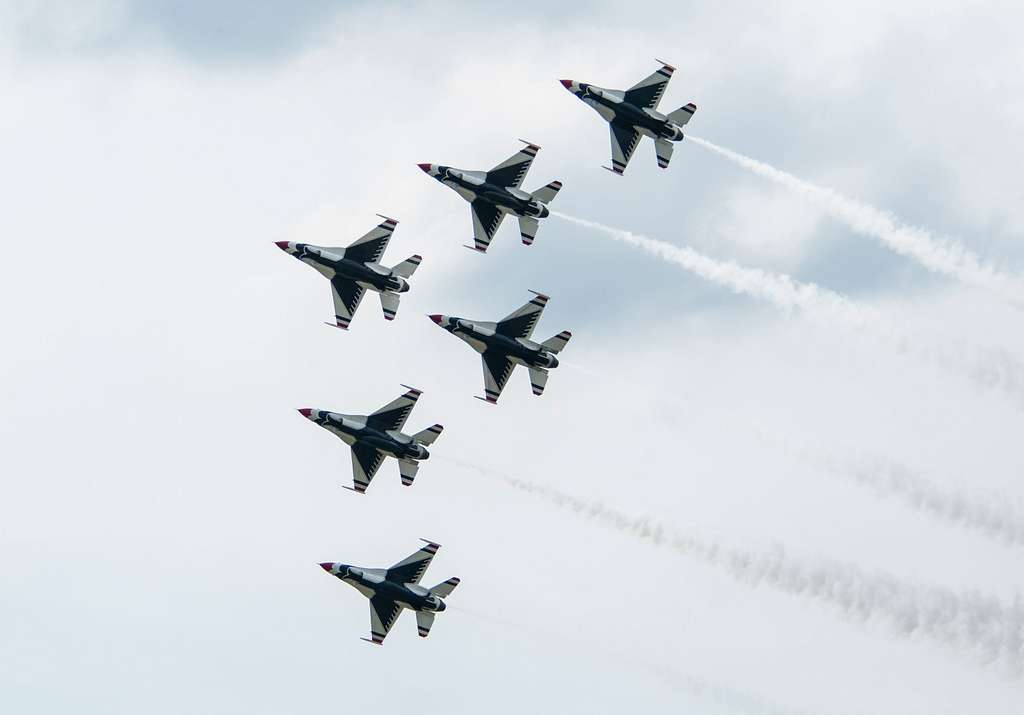
The Product 177 is scale-compatible with the traditional AL-31 engines, which means that the Product 177 can be easily upgraded in current aircraft without much modification to the aircraft. This will help in cutting down the cost of integration with regards to Su-27 variants like the Su-30 used in various nations. Such flexibility expands uses of the engine beyond just its intended uses in Russia’s Su-57 fighter jets even when Russia wants to compete globally in terms of ordering fighter jets.
3. Performance Gains in Combat Profiles
Greater thrust capability directly equates to enhanced climb, acceleration, and energy during air-to-air missions. Enhanced loiter times and optimal range missions also follow from reduced fuel use. In a defended zone, such small margins can be magnified into higher operating altitudes, deep and radical maneuvers, or enhanced ranges for accurate strikes, all contributing to a higher probability of successful mission accomplishment.
4. Thrust Class Comparisons
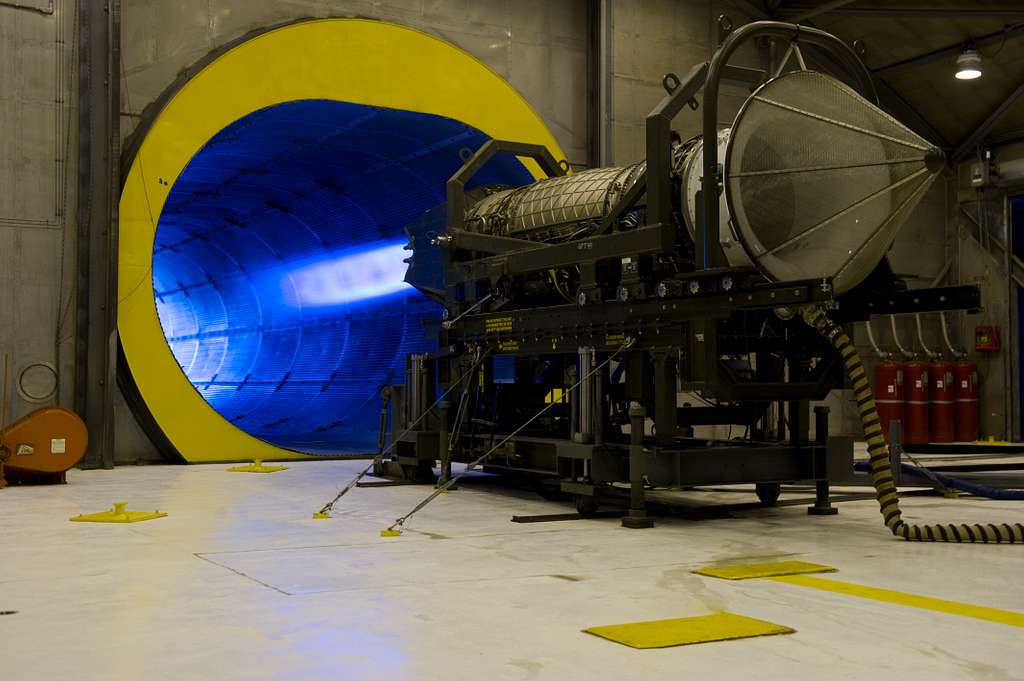
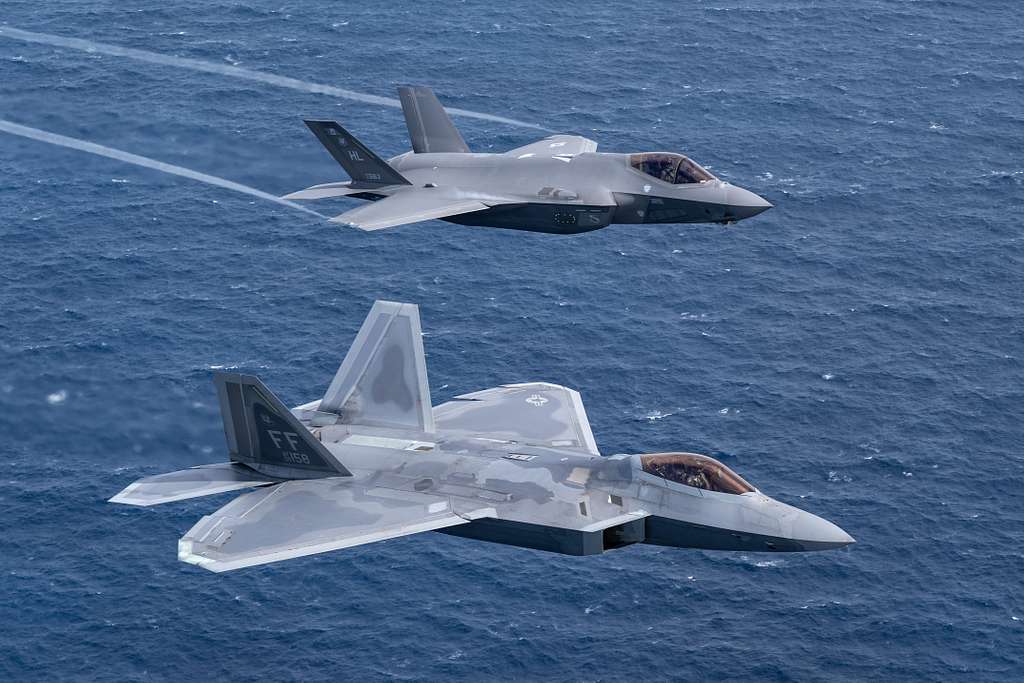
With afterburning thrust of 157 kN, Product 177 engines are similar to Pratt & Whitney F119 engines in F-22 “Raptor” aircraft, although they lag behind F-35’s F135 engines by 34 kN. Unlike Europe’s fourth-generation engines M-88 and EJ200 engines that have afterburning thrust of 75 kN and 90 kN, one Product 177 engine produces significantly higher power.
5. Stealth-Enhancing Nozzle Design
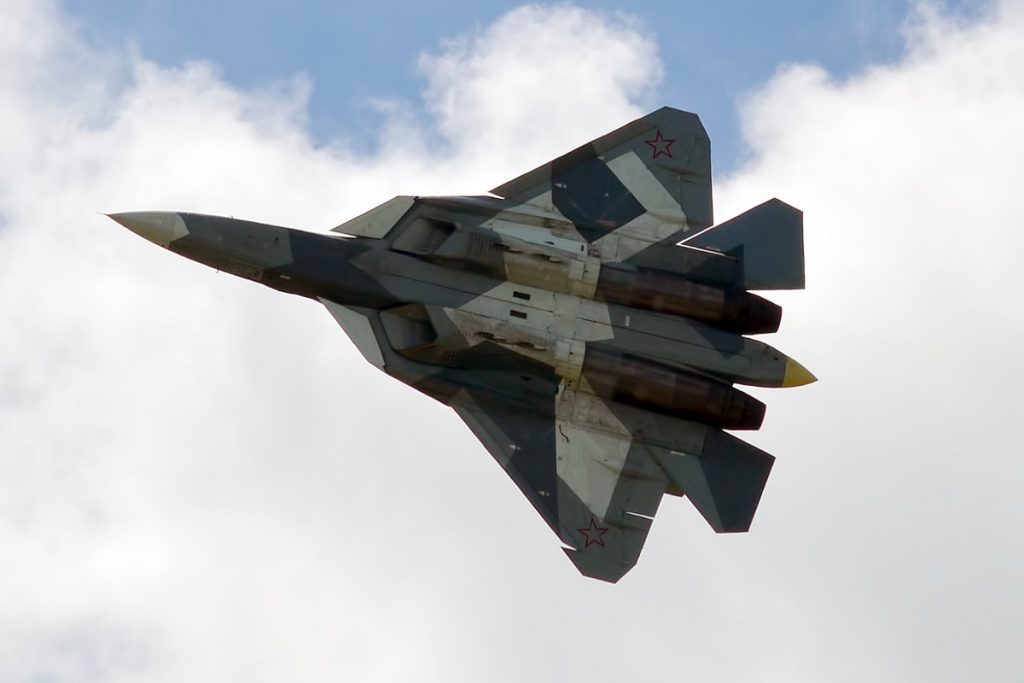
The pictures taken during testing and air show the serrated or two-dimensional thrust vectoring noozles that were connected to the local engine. They reduced the infrared and radar signature of the rear cockabit area. It is no secret that this is the vulnerability of the Su-57. The noozles might have an effect on the maximum thrust but this is the problem resolved through buying obscurity, like F-22’s flat nozzle.
6. Lessons from Combat Use
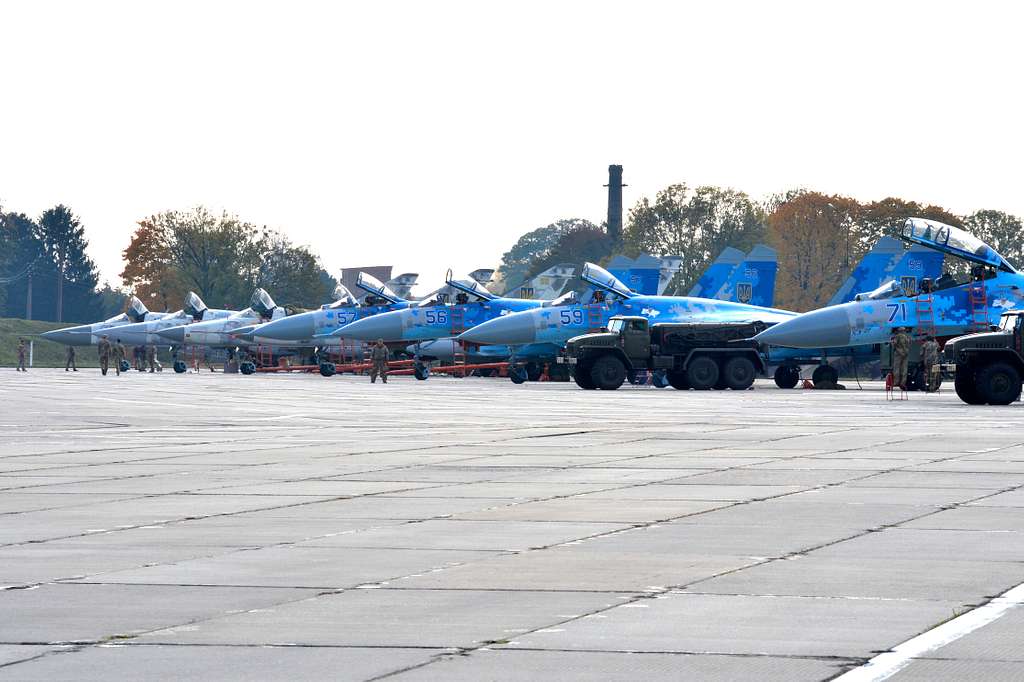
According to Rostec, “The Su-57 has been performing outstandingly in a combat environment; and the operational experience in Ukraine gave a valuable input for future development.” While scarce details are available about its engagement performances, there are reports about its eventual use, most likely due to limited production rates. Tactical engagement experiences are fuelling progress in weapon and electronics, and even propulsion technology.
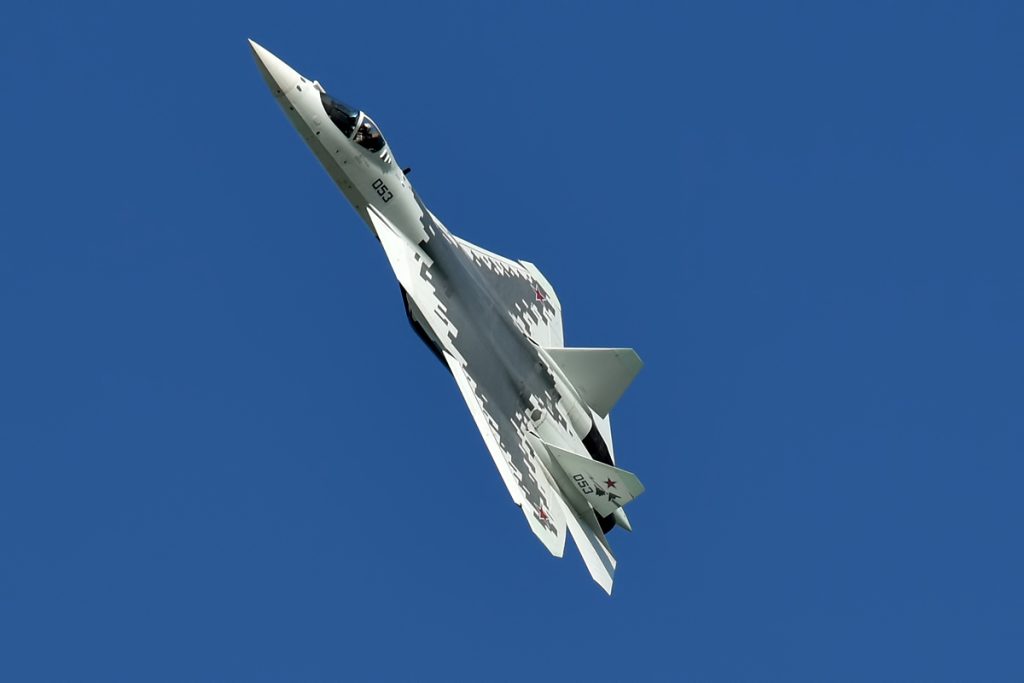
7. Su-57E Export Variant
“The Su-57E, which has been exhibited at the Dubai Airshow 2025, has the export versions like its innovative wide-area display screen, as well as engines like the Product 177, and comes equipped with ‘full sovereign use rights’ together with flexible integration of avionics, which is preferred by the nations that do not possess fifth-generation use rights to the Western planes,” a report states.
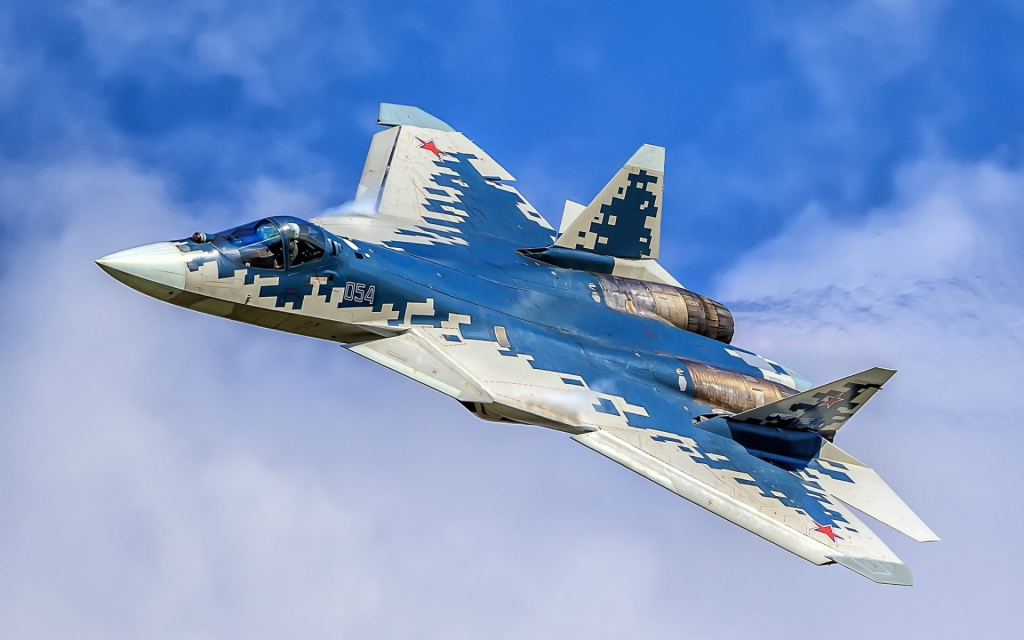
8. First Confirmed Foreign Delivery
The Director General of the United Aircraft Corporation, Vadim Badekha, confirmed the delivery to an unidentified foreign customer, thought to be Algeria, of two Su-57 aircraft. According to the Algerian state-run media before this, there was an agreement for the Algeria government to purchase as many as 14 units of the Su-57E. The pilots for these aircraft are already in training in Russia.
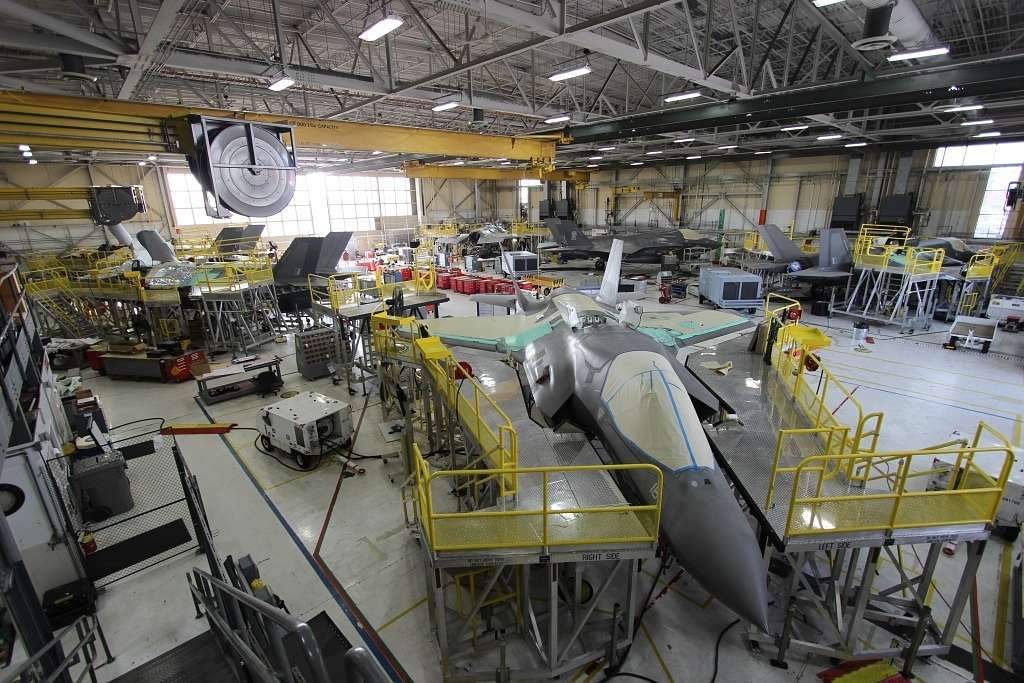
9. Production Capacity Expansion
Rostec and UAC are currently undertaking projects to raise the output level of manufactured items; this will see the supply of 76 aircraft to the Russian military by the year 2028. This takes place against the backdrop of sanctions imposed by the Western countries that restrict the supply of aerospace component parts, thus forcing the Russians to look for indigenous answers.
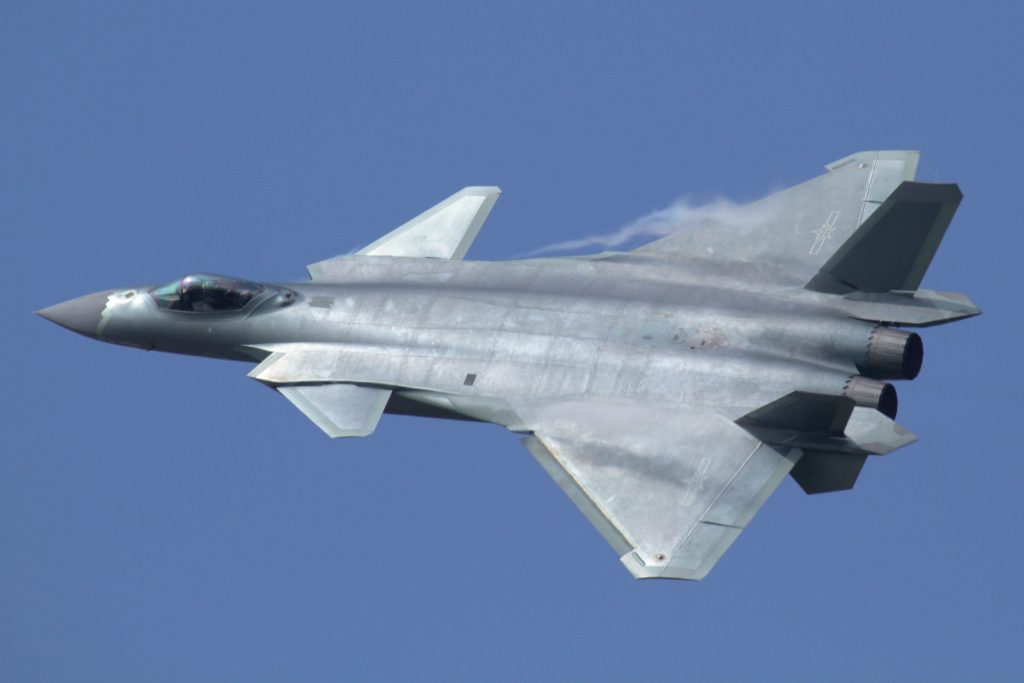
10. Strategic Position in Global Fighter Market
In the bigger picture of fifth-generation technology, Su-57 productions are much fewer in numbers compared to either American F-35 or even China’s J-20. With an aim to fill their gaps by incorporating an already matured design and they hope to develop their own Product 177 engine to give their country a capable substitute in those states that either are not part of any non-NATO non-aligned countries or any other country belonging to any other Western global power.
The first flight by Russia’s Su-57 stealth fighter jet powered by its Product 177 engine is an imperative achievement in fifth-generation technology by Russia. Without any hyperbole, it would not be wrong to say that it would open a way forward for Russia’s own fifth-generation stealth fighters to eventually pose an ever-increasing menace to all other fifth-generation stealth fighters. In order to assess any possible expansion of its present reduced productions on a global scale within ten years regarding their Su-57 stealth fighters in the field of fifth-generation technology, it would be critical on behalf of all either defense or technological airplane strategist to determine how quickly any respective engine development of those planes will qualify to begin its productions to eventually integrate into Su-57s.


