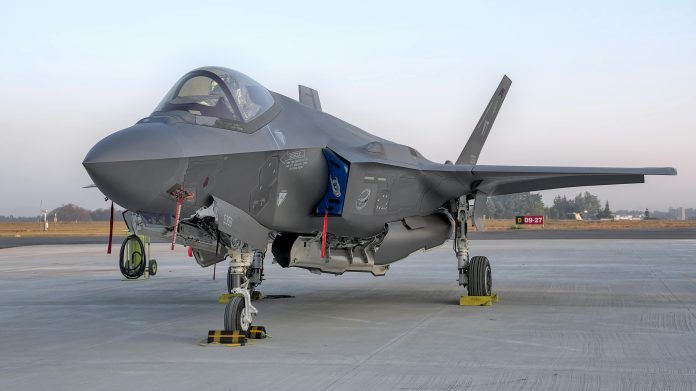
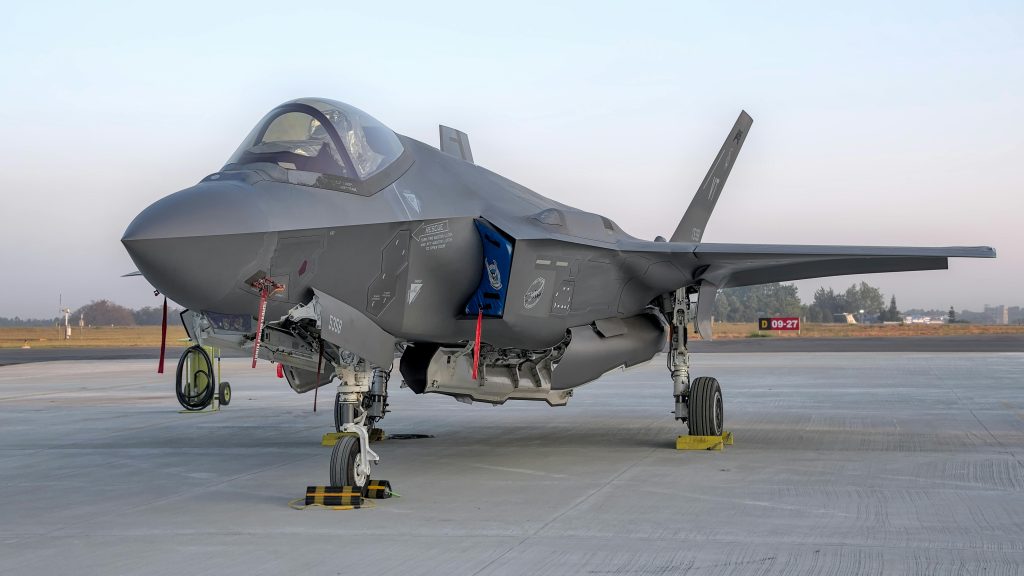
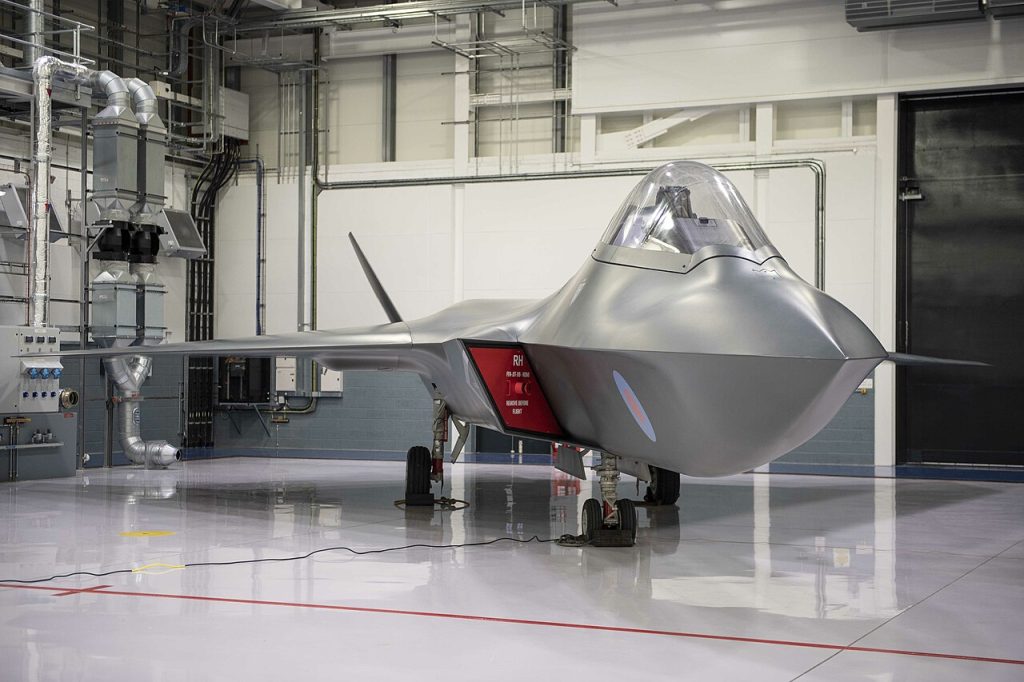
“What comes after the F-35? Western air superiority has been defined for the past several decades by American-made fifth-generation stealth fighters, but a competition is now under way for sixth-generation designs that are already being contested. To address such challenges, a Global Combat Air Programme – or GCAP – is being carried out as a joint project of the United Kingdom, the country of Italy, and Japan to produce a ‘drone teaming’ fighter aircraft.” Historically, the tale of the GCAP starts in the Tempest Programme in Britain, which was established in 2018 as a matter of great haste to ensure that the country sustains its own capacity.
By virtue of its merger with the F-X Programme in Japan and the Italian Capabilities, this particular initiative has ended up as a joint venture that seeks to create next-generation combat aircraft that should replace the present Eurofighter Typhoon and Japanese fighters, F-2, as measures aimed at ensuring that the threats associated with either China or Russia are dealt with. The explanation for the need for such an initiative involves the need to create the demonstrators by 2027 and finalized ones by 2035.
1. From Tempest to GCAP: Strategic Merger
Initially, Tempest started as an indigenous tech program in the UK to focus on ideas for propulsion systems, avionics, and weapon tech. But with the scale of development at sixth-generation fighters by 2022, there came a need for cooperation with other nations as well. It started with the coming together of Tempest, F-X from Japan, and Italy’s collaborations, eventually leading to the GCAP program due to an international treaty, with the GCAP International Government Organisation (GIGO) as the managing authority for this program, which makes joint spending, risks, and intellectual property possible, thereby avoiding what went wrong in other international collaborations like in the case of FCAS.
2. Design Philosophy: Stealth, Agility, and Range
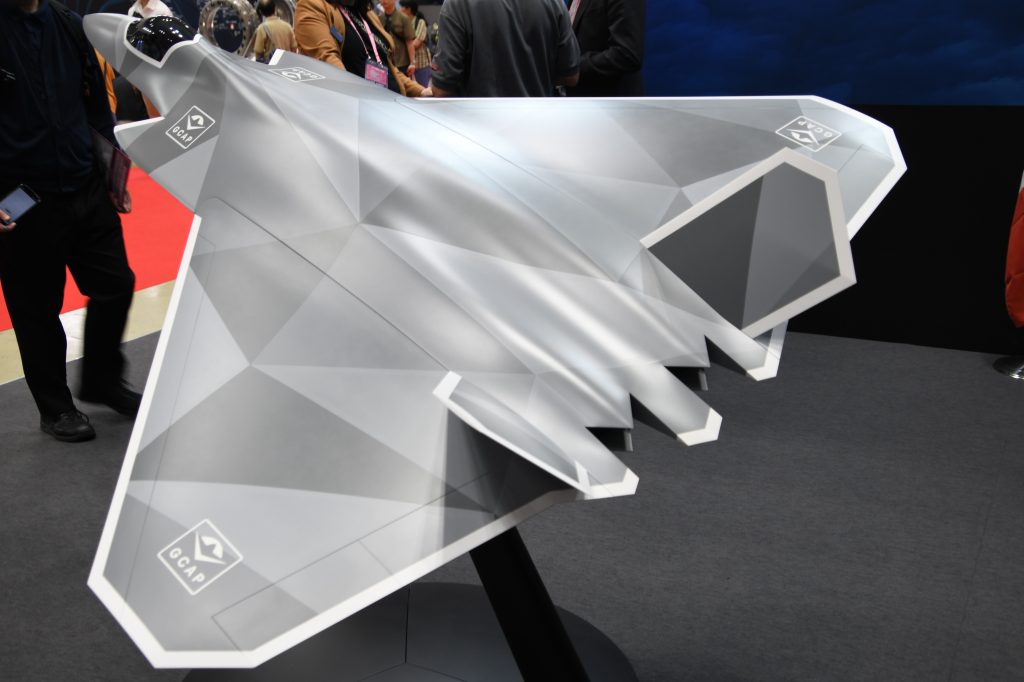
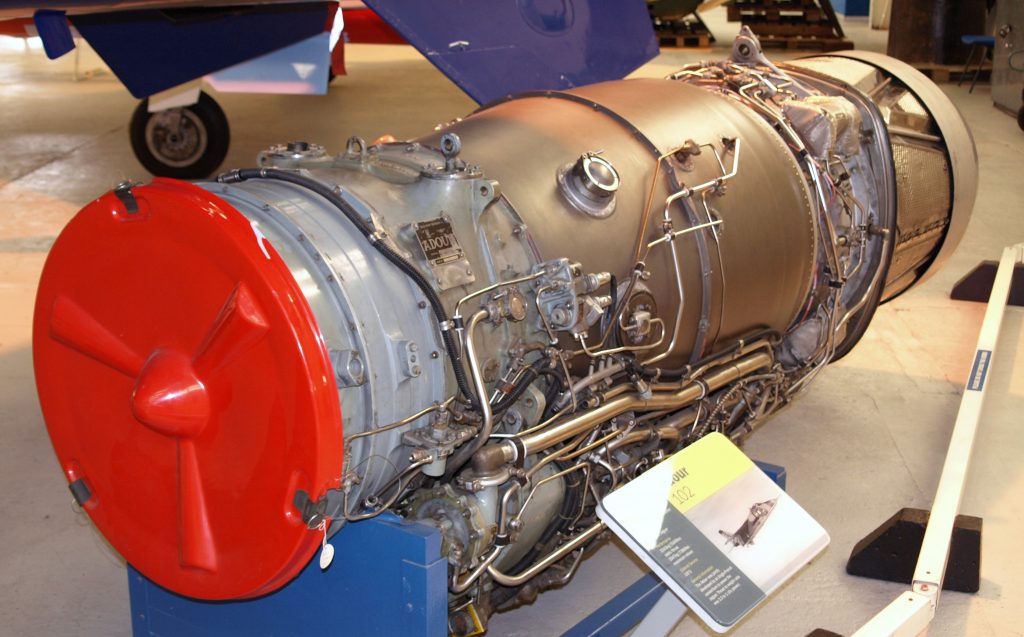
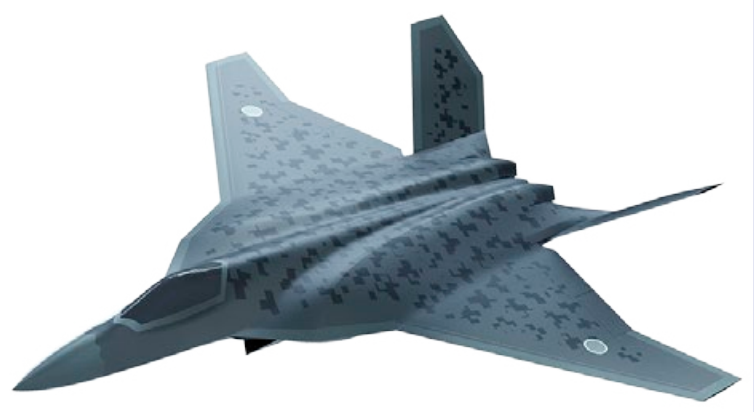
The air portion of the GCAP makes use of the tailless delta wing, as well as the Rolls-Royce/IHI engines and the S-shaped ducting to reduce the ‘Radar Cross Section’. There is the utilization of composites and heat reduction techniques for effective high speed operation in the supersonic regime. Compared to the F-35, there is the need for an internal carry capacity twice as much and the ability to cross the Atlantic without refueling.
3. AI and Manned‑Unmanned Teaming
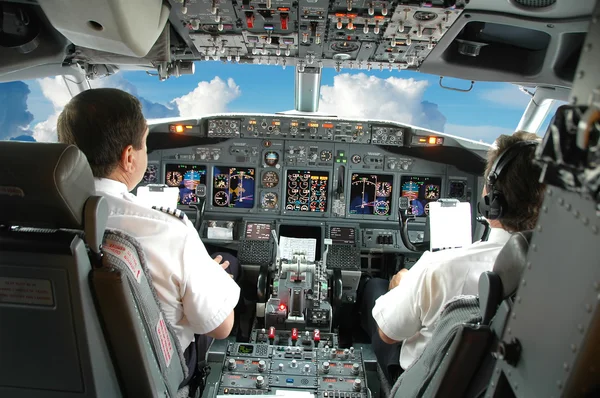
“The planes will have scalable autonomy, sensor fusion using artificial intelligence, and combat cloud to enable real-time situational awareness,” according to C4ISRNet. The helmet-mounted displays will provide “virtual cockpit situational awareness within 360 degrees.” The GCAP “loyal wingmen” unmanned planes will be employed in reconnaissance, electronic warfare, and strike missions, to be directed by ‘the aircraft’s artificial intelligence “co-pilot.”
4. Weapons Suite: Hypersonics and Directed
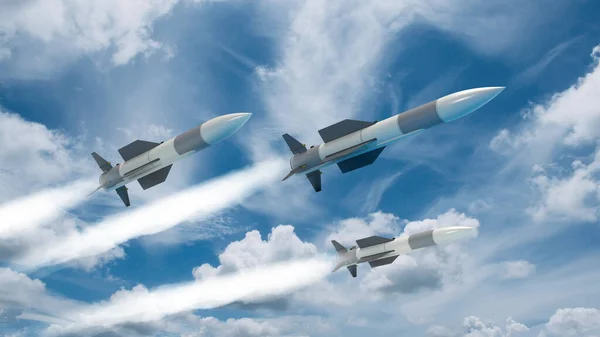
GCAP is also predicted to produce an innovative solution for the Meteor missile’s successor, which may come equipped with a 200+ km range, as well as hypersonic strike missiles. The Service also has envisaged the development of ‘directed energy’ weapons that could offer the capability for ‘speed-of-light’ engagement for both the defense and offensive roles of missiles. This may necessitate the use of innovative approaches for the generation of power, which may include the use of variable cycle engines.
5. Industrial Backbone: Edgewing Joint Venture
Edgewing was founded by BAE Systems, Leonardo, and Japan Aircraft Industrial Enhancement Co Ltd as the design authority that oversees the entire life cycle of the aircraft. Edgewing has its headquarters in the UK and integrates engineering capabilities from the UK, Japan, as well as Australia, in such a way that each country has high-end aerospace capability.
6. Timeline Pressures and Risk Management
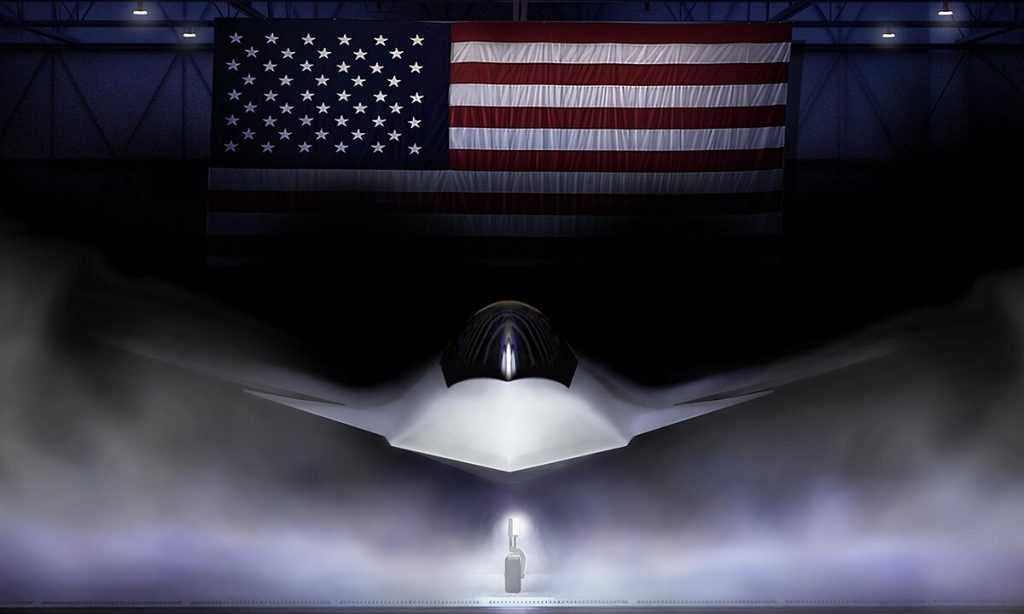
Having a demonstrator planned for the year 2027 and an intended entry into service of 2035, GCAP is operating under very tight deadlines. A discipline of governance is required here to avoid the “requirement creep” syndrome and any trouble related to industrial relations. The fears of Japan regarding delay can be understood in the context of other rival countries having their testing procedures underway, for instance, China’s J-36, and the “F-47″ of the U.S. having an intended entry into service far sooner.
7. Geopolitical Factors: A reduction
The GCAP offers a sovereign option for partners in place of U.S. fighters, which, unlike U.S. jets, is not constrained by restrictions in exports and modernization bans. The relaxation of the ban by Japan in 2022, due to the GCAP’s plan for global sales, ended limitations in defence exports, which are currently a significant force driver, in spite of the plans for interoperability.
8. Comparing GCAP to FCAS and Rivals
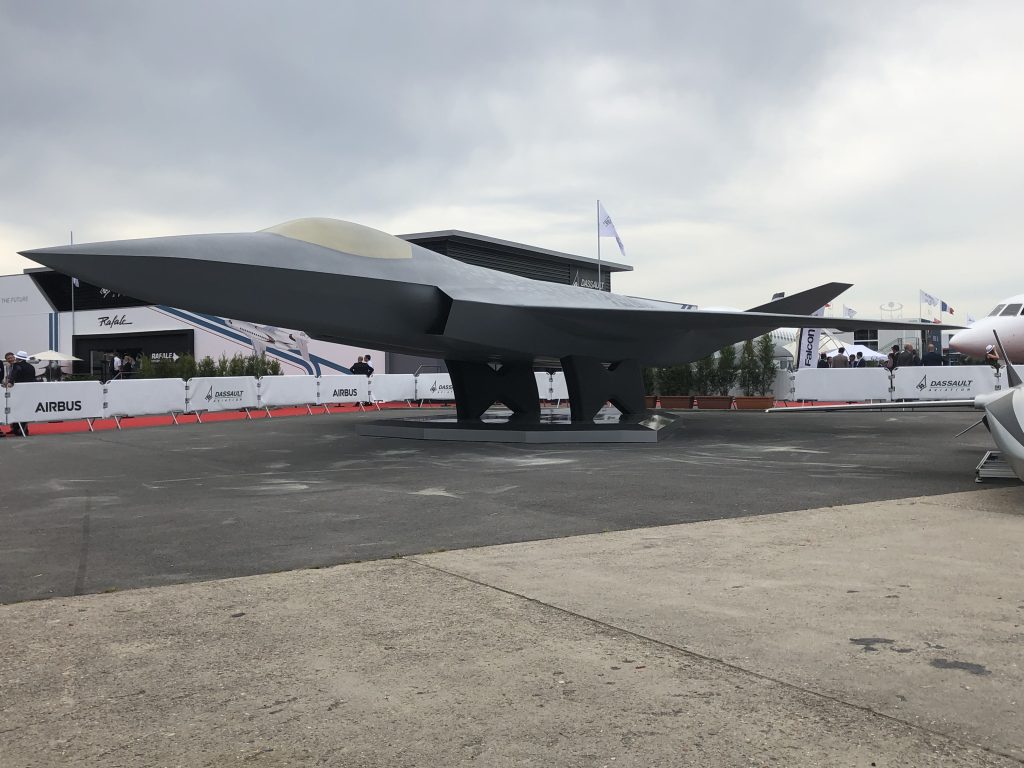
“The FCAS project of Germans, French, and Spaniards will be delivered by 2040, which may clash with the earlier deadline of GCAP.” FCAS “System of systems” model replicates the GCAP model but will be disrupted by trade union issues. The American equivalent of FCAS project, named F-47, operates on hypersonic weapons and swarming so that China ’s J-36 will now shift emphasis on mass production.
9. Hypersonic Threats & Sixth-Gen Requirements
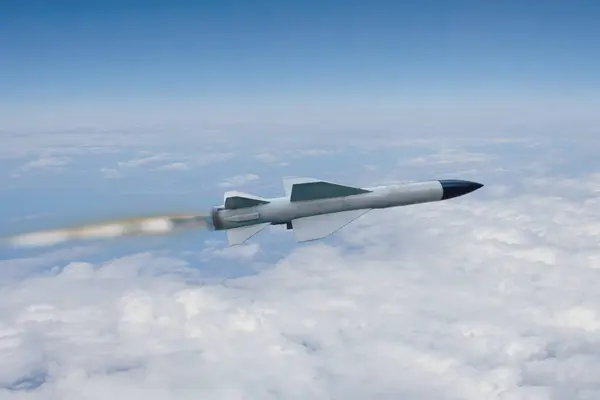
In light of the new hypersonic threat, it is important for planes like GCAP to have the operational ability to quickly detect a threat, make decisions based on AI capabilities, and then accurately strike their target. The sensors used for GCAP planes will feature a more superior radar system, which will provide 10,000 times more information compared to what is currently used.
The radar system can detect Mach 5+ missiles. “GCAP represents more than just a new fighter; it symbolizes the determination of the UK, Italian, and Japanese governments that a new sixth-generation aerial capability must be sovereign, capable, and superior. It truly intends to put their competitors in the dustbin of history while learning from the mistakes of earlier more unsuccessful collaborations.”


