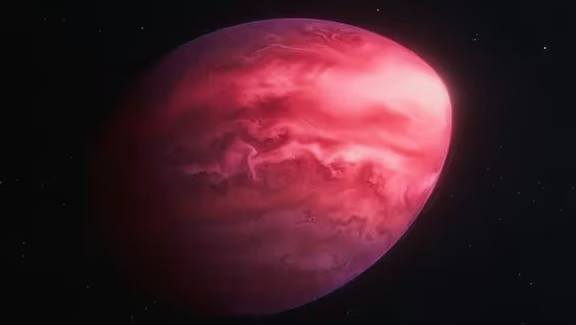
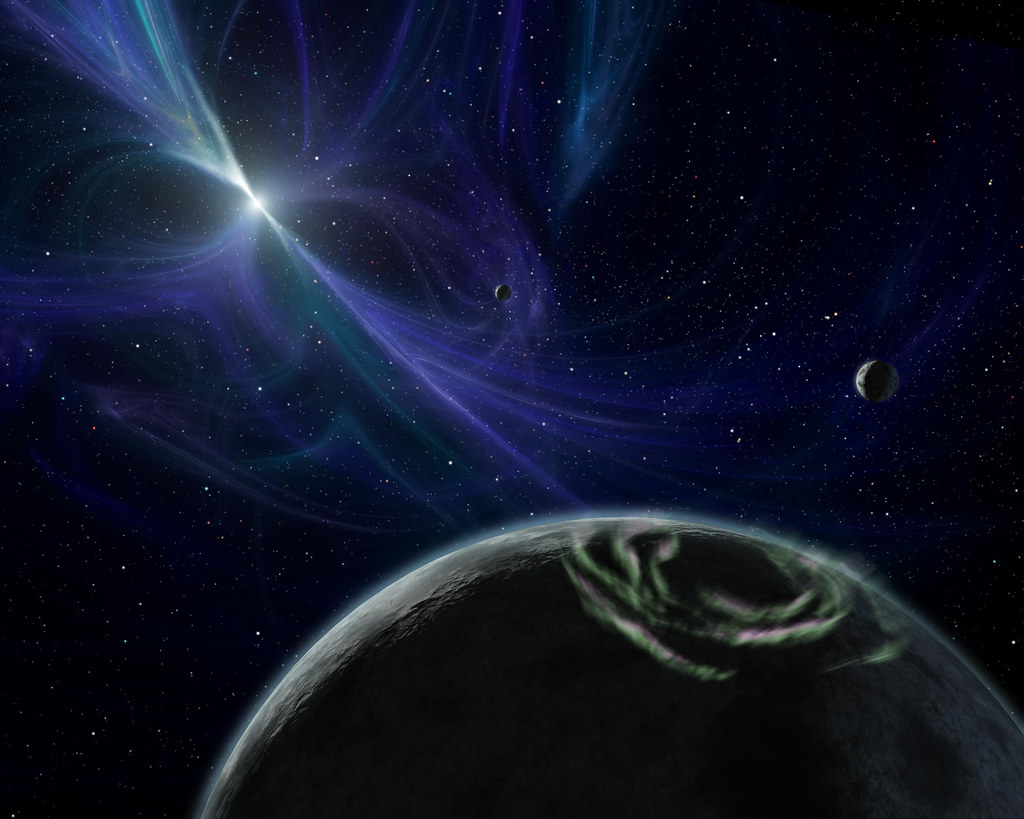
One of the strangest planets discovered by the telescopes is a planet with a lemon-shaped planet and an atmosphere so bizarre it is making diamond rain. INF: Scientists discovered the planet, known as planet PSR J2322-2650b, using the James Webb Space Telescope, and it has never-before-seen activity in its intense orbital pattern, chemistries, or modes of formation. It just so happens the planet revolves around a pulsar.
1. A Planet Under Relentless Tidal Forces
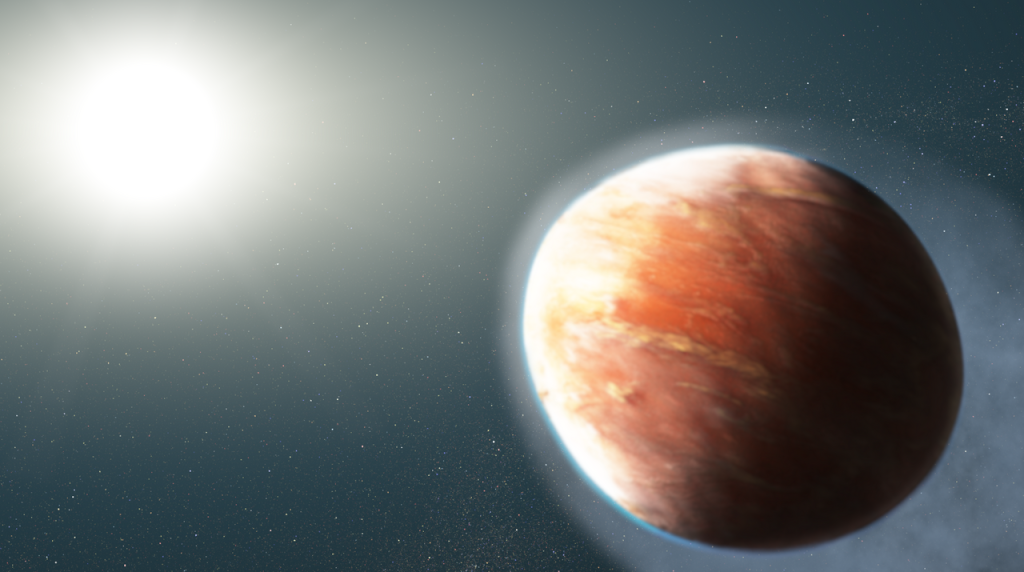
PSR J2322-2650b has an orbital distance of just one million miles around its pulsar. This corresponds to just one percent of the average distance of the Earth from the Sun. This planet has a highly vulnerable distance that makes it highly prone to the effect of the tide, hence its heating by the tide, which leads to its similarity in shape to that of a lemon or football. This may occur when the tide forces exerted on this planet are strong enough to overcome the rigidity offered by this large material body, which can probably be found in the companions of the prominent celestial objects. The mass of the pulsar star is similar to that of the Sun, which has been compressed into a body that does not exceed the size of a town, hence exerting the required pull for the whole world’s change.
2. Pulsar Host: A Millisecond Lighthouse
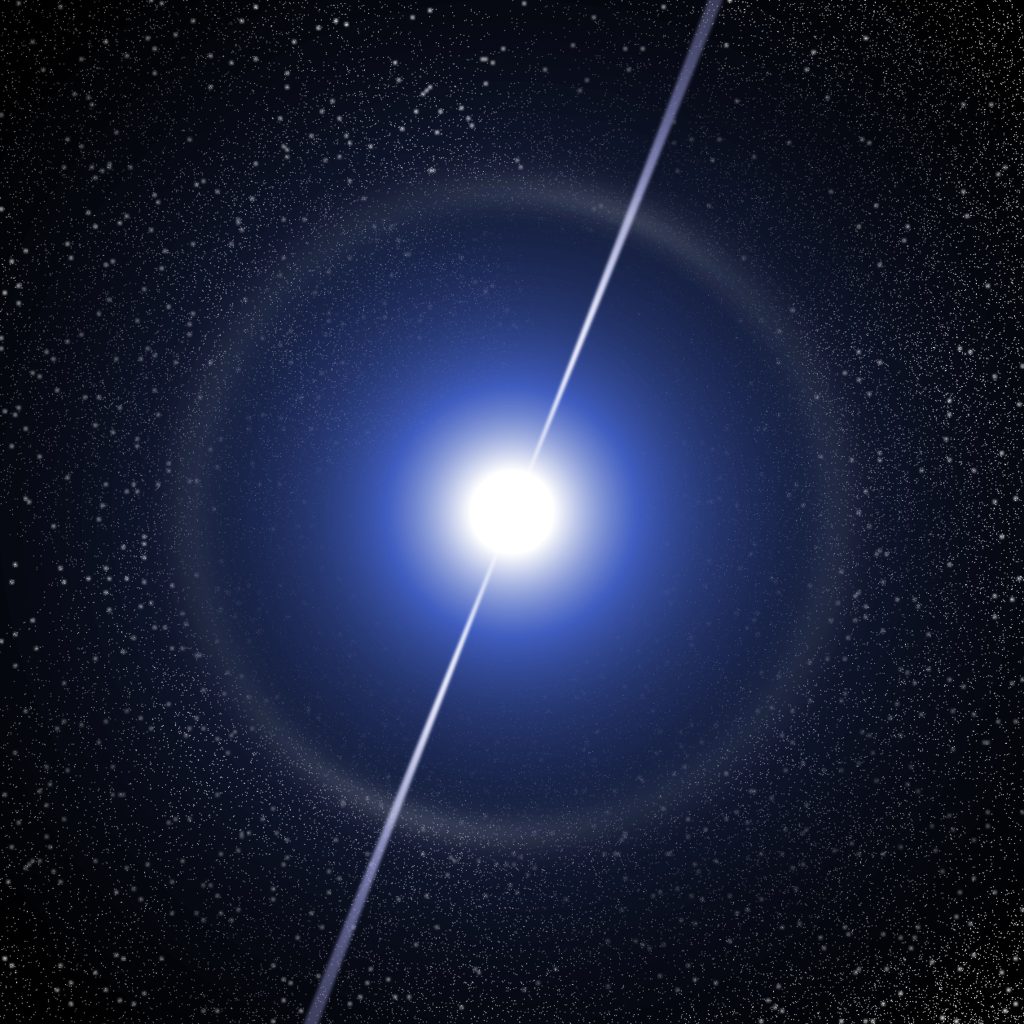
The companion star within this system is a swiftly rotating neutron star, which has a rotation rate of 700 times per second. The pulsars, in addition to being swift rotators, have other characteristics. They tend to produce beams of electromagnetic waves through their magnetic poles. The resulting waves move through space in the shape of a lighthouse. In this particular scenario, however, the waves forming this radiation beam are dominated by gamma rays and high-energy particles. This beam is invisible to the JWST infrared camera.
3. Infrared Spectroscopy Without Stellar Glare
The infrared data collected by the JWST made possible the “clean spectrum.” This is because, as Stanford physicist Maya Beleznay explained the process: “We can look at the planet as it is being illuminated by its star, but we can’t see the star at all.” This is because the star is a problem in infrared observations of exoplanets. These molecular species: molecular carbon C₂, C₃, helium, marked the first atmospheric composition found in any planet and were discovered.

4. Atmospheric Chemistry Defies Expectations
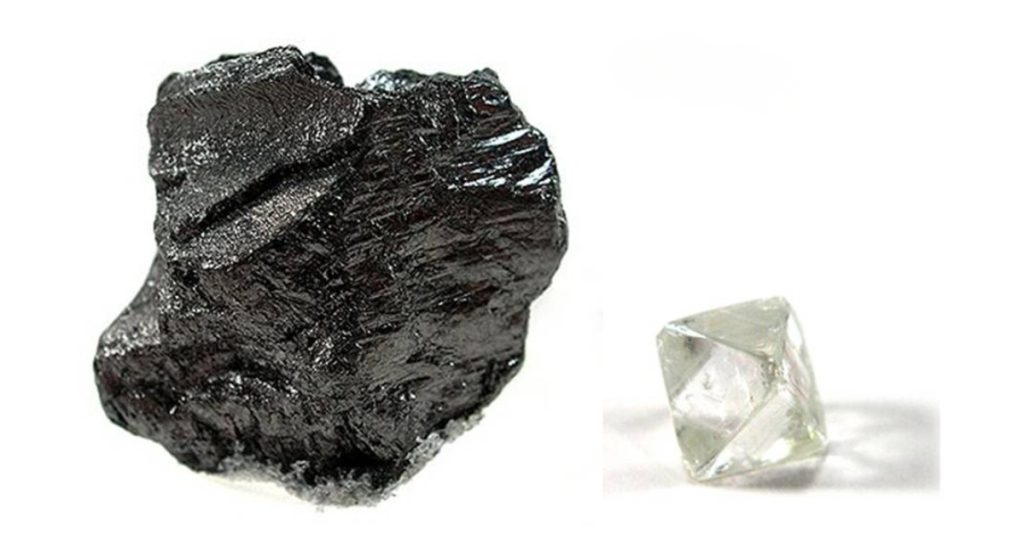
With a temperature of 3,700°F on the day side and 1,200°F on the night side, carbon should have reacted either with oxygen or with nitrogen. Without these elements, carbon is in a molecular form that appears as soot clouds. Also on the hotter sides of the planet, carbon may have settled into solid form as a diamond planet under higher pressures where diamond rain may have fallen. The idea of diamond rain is a theory that relates both high pressures and high temperatures on planets.
5. Black Widow Binary Mechanics
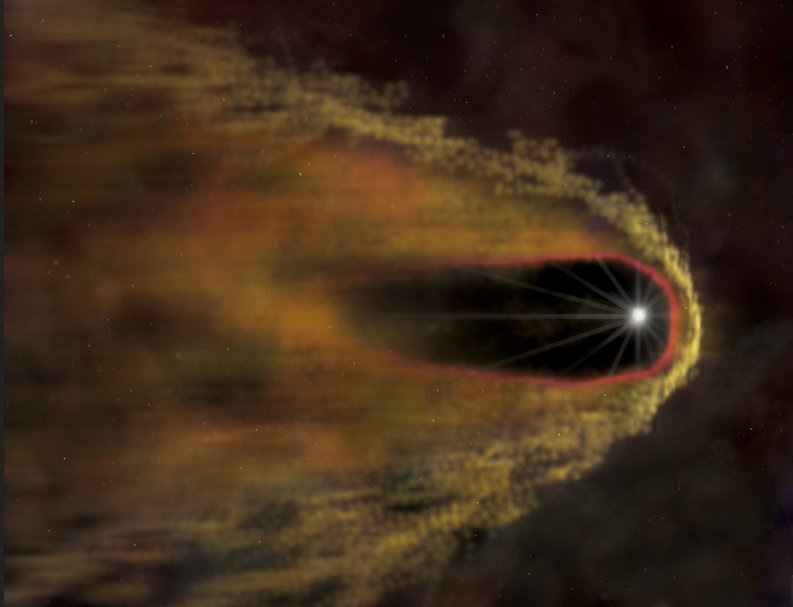
The process or system’s behavior is compared to that of a black widow binary, whereby a pulsar robs matter from a companion. Generally, this could be a low mass star whose outer layers have been evaporated as a consequence of the winds emitted by the pulsars. But in this case for J2322-2650b, there is no doubt that this system is for a planetary mass object, and moreover, if this were to be the case, this could be considered an anomaly since this system has ended up with more than 99.9% loss of mass, thereby forming a system rich in carbon.
6. Formation Theories in Crisis
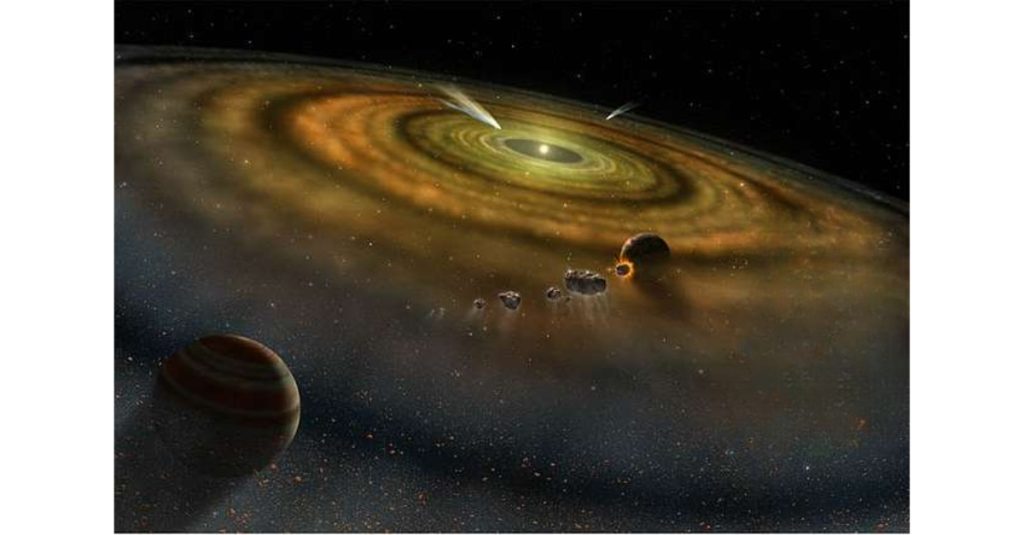
Add to this, said lead researcher Michael Zhang, “And then the question is, Well, did it condense – you know, like a normal planet? No, because it has a completely different composition. Did it condense by stripping the outside of a star, you know, like a normal black widow system? Probably not because nuclear physics doesn’t make pure carbon.” There is as yet no known mechanism for planet formation consistent with the chemistry and the properties being seen.
7. Possible Crystallization Process
A process involving the process of crystallization, proposed by Stanford’s Roger Romani, suggests: “Pure carbon crystals float to the top and get mixed into the helium, and that’s what we see. But then something has to happen to keep the oxygen and nitrogen away.” It’s not specified within the astrophysical theories that this process needs to reduce or inhibit these selected components.
8. Evolutionary Context from Black Widow Studies
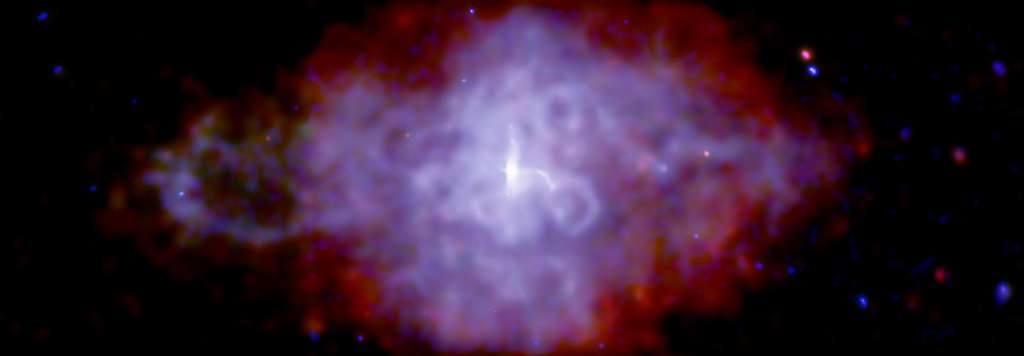
Black Widow Research Analysis of black widow systems shows that the evaporation force due to pulsar winds has the ability to cause the getaway of matter down to planetary masses in a matter of billions of years. But analysis suggests that the effect of matter transfer and torque has resulted in the production of detached remnants. However, there are unknown mechanisms in operation due to the nature and existence of PSR J2322-2650b.
9. A Rare Opportunity for Observation
Among the 6,000 planets discovered so far that exist outside our galaxy, it is hard to find any that orbit pulsars, yet this is the first-ever discovered that is comparable to PSR J2322-2650b based on mass, form, and composition. Its million-mile distance from earth and the fact that it is cooled to be cryogenically functions as the only telescope space system capable of picking up the infrared emissions of planets like PSR J2322-2650b. Apart from being of great scientific importance, PSR J2322-2650b also presents an opportunity for theories on how planets can survive gravitational and radiation forces emanating from pulsars being verified and validated. PSR J2322-2650b is an alien entity in space a mystery planet whose lemon form, diamond rain, and pure carbon atmosphere cannot be placed into any category whatsoever.


