“Could the next great aircraft carrier be one that never surfaces? The rapid evolution of unmanned systems is transforming naval warfare and turning submarines-once restricted to torpedoes and missiles-into stealthy drone carriers. This development has nothing to do with nostalgia for past experiments that equipped subs to carry aircraft, but everything to do with newly developed miniaturized UAVs, innovative underwater communication, and autonomous mission control.
In recent years, defence programs from Washington to Beijing have accelerated the development of submarine-launched aerial and underwater drones, promising unprecedented reach, persistence, and operational flexibility. Such platforms might scout, strike, or relay communications without exposing their motherships and will fundamentally alter undersea tactics. The following breakthroughs show how technology is turning the Cold War curiosity into a viable combat asset.
1. From WWII Curiosity to Modern Combat Asset
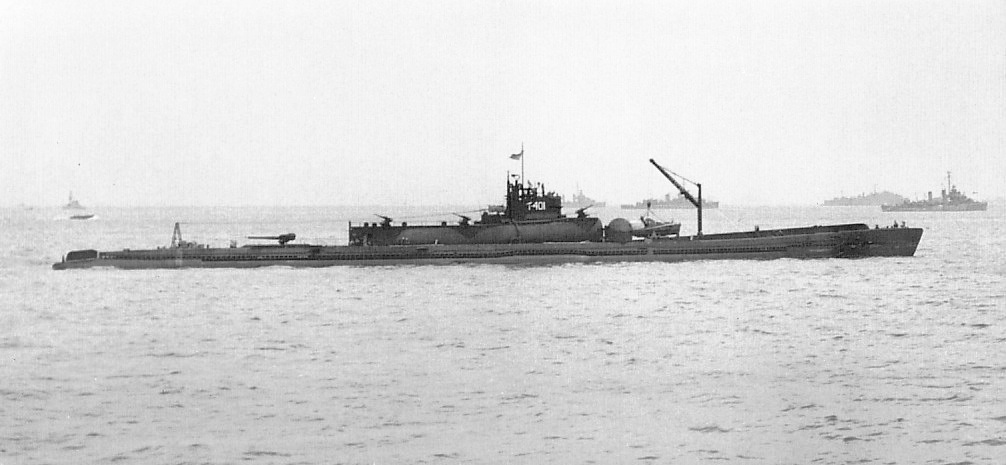
The concept of an aircraft-carrying submarine harks back to World War I with a German U-boat launching a small reconnaissance plane over London. Japan advanced the idea during WWII with the construction of the I-400 class subs capable of carrying three aircraft. Those designs were hampered by having to surface for launch, risking detection. Today’s UAVs sidestep those limitations: compact enough for torpedo tube or vertical launch, and capable of autonomous flight immediately upon surfacing.
2. Blackwing: The U.S. Navy’s Stealth ‘Flying Periscope’
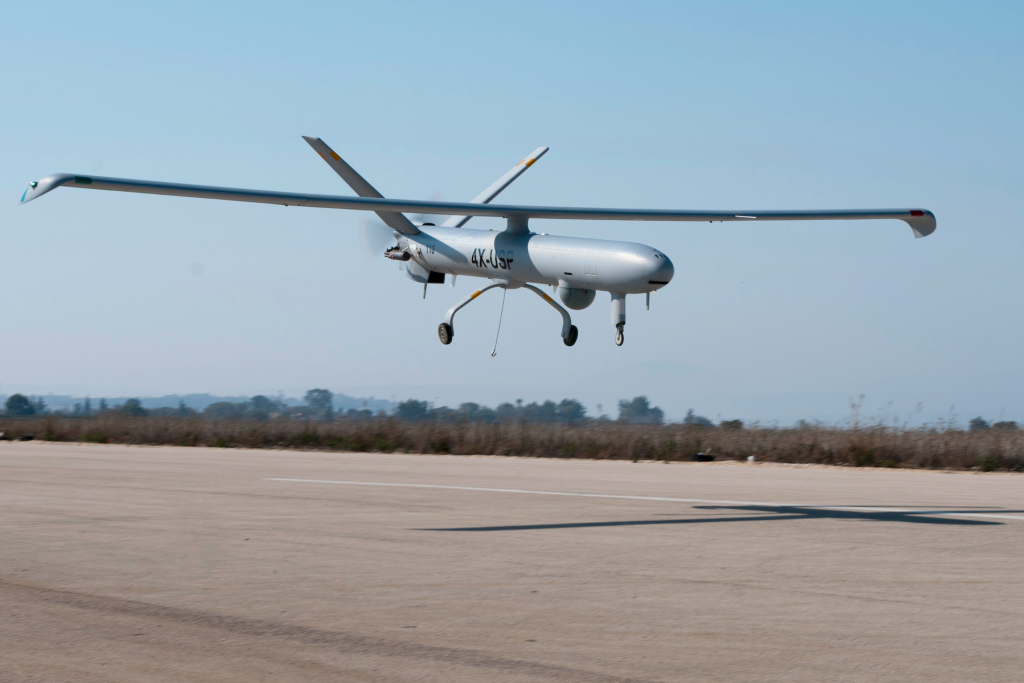
The AeroVironment Blackwing drone, part of the Submarine-Launched Unmanned Aerial System program, is transforming subs into covert ISR hubs. Weighing in at about four pounds, it can launch from a submerged vessel’s countermeasures tube, deploying electro-optical and infrared sensors while maintaining encrypted communications. Rear Admiral Blake Converse called it “a flying periscope” that extends sensor reach to support missile targeting, Swarm tactics, or mesh-network relays across domains.
3. Lessons from the Yellow Moray UUV Trials
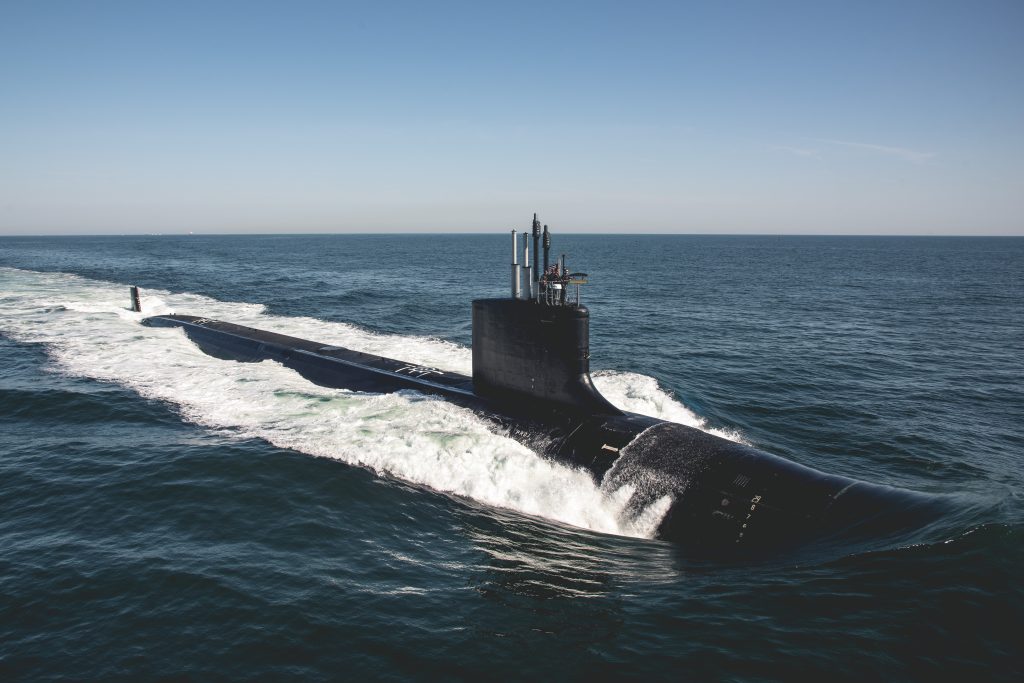
The integration of the Yellow Moray UUV onto USS Delaware produced a mix of promise and pitfalls. Early launches ended in failure owing to docking sonar damage, but later sorties were successful, each lasting 6-10 hours. These trials reinforced the Submarine Force “fail fast, learn fast” ethos, proving that UUV deployment and recovery can be achieved under operational conditions, and underscoring the need for robust docking systems and redundancy in autonomous platforms.
4. China’s Extra-Extra-Large Underwater Drones
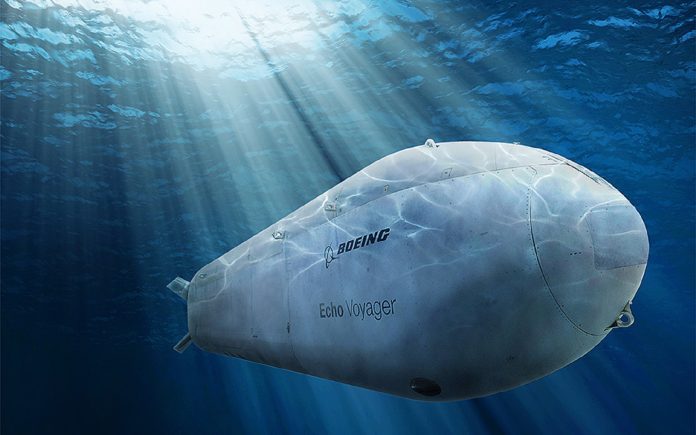
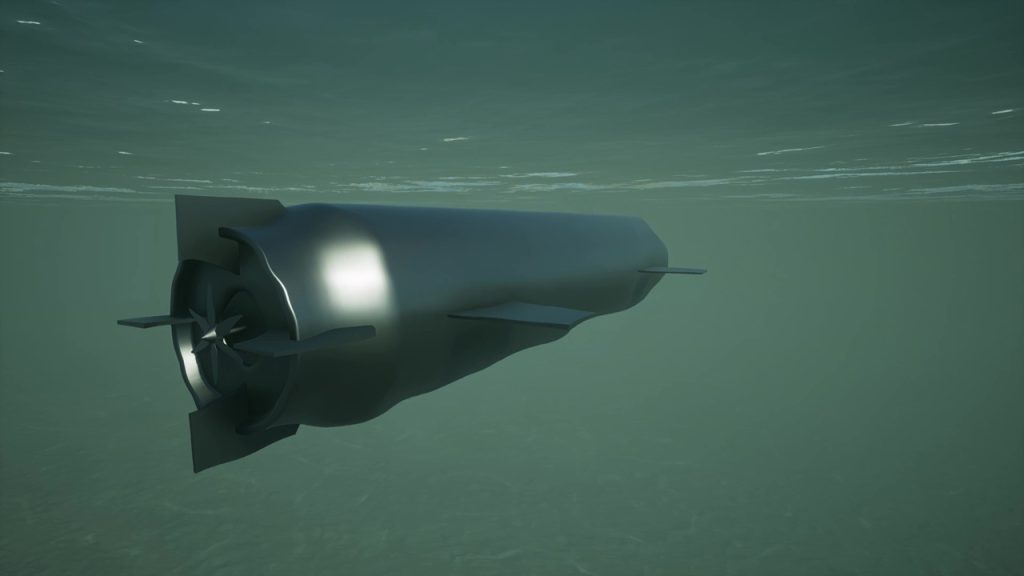
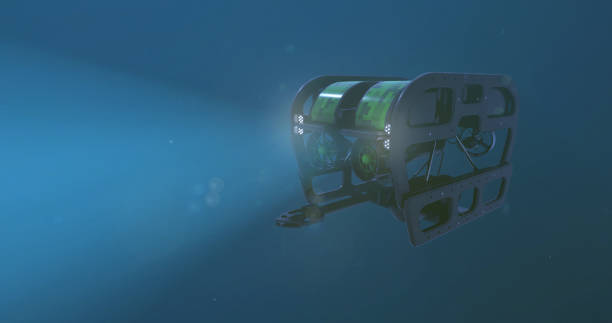
The PRC is experimenting with variants that have an estimated 10,000-nm range comparable to, or even larger than, those of crewed diesel-electric submarines, but highly optimized for autonomous operations. Each of these platforms may carry torpedoes, mines, or even smaller drones to attack others, and potentially pose a threat against very distant targets, such as the Panama Canal or the U.S. West Coast. Their large battery banks frequently lithium-iron-phosphate support weeks of submerged loitering, making them very well-suited for pre-conflict missions like cable sabotage or mine laying.
5. Underwater Communications Developments
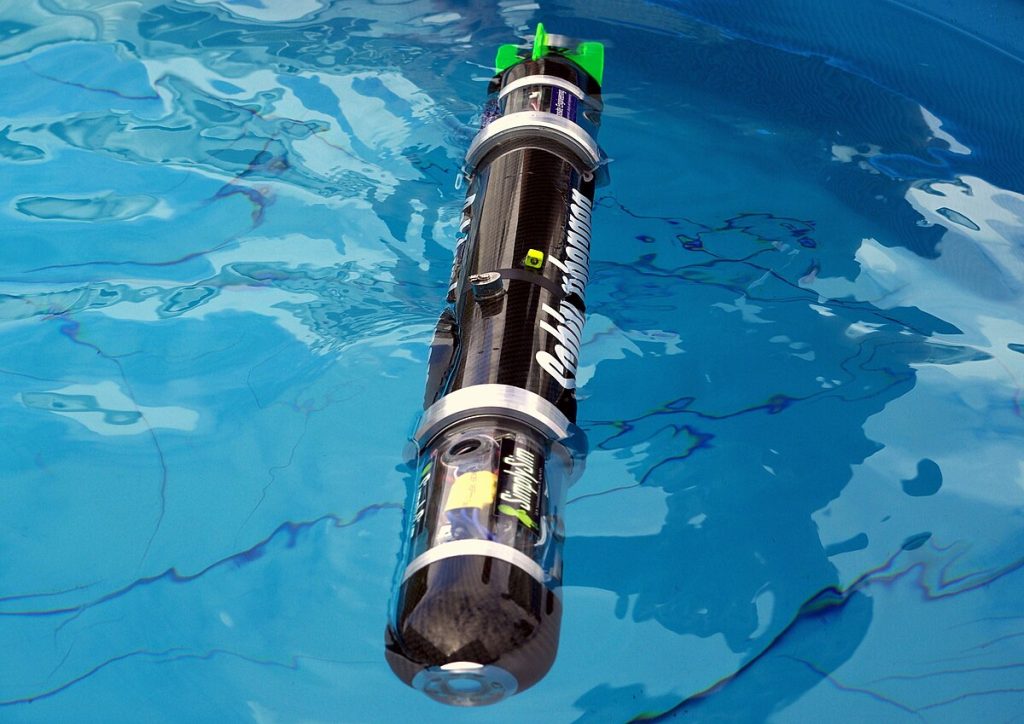
AUV operations require dependable data links despite the hostility of seawater to radio waves. Advances to date merge acoustic, optical, and magnetic methods employing LF antennas to afford resilient connectivity options. Acoustic systems have long range but low bandwidth; optical links have gigabit speeds but suffer from turbidity; while LF antennas allow positioning at centimeter accuracy in polluted waters. Hybrid architectures are in emergence to keep guidance, power docking, and safe operation right through contested environments.

6. UAVs as Sea-Surface Communication Relays
Japanese trials demonstrate that UAVs can also function as ‘mobile sea-surface bases’ for underwater communications. Multirotor UAVs, fitted with sonar, can either hover or lie on the water surface, acting as buoys to connect AUVs to shore-based ground stations. Trials showed that it was able to hover steadily in wind conditions up to 10 m/s, while the difference between the position given by sonar and measured by GNSS remained within ±3–4 m. This technique does not require expensive vessels for deployment; it could also be combined with subs in a way that ensures very fast, clandestine data exfiltration.
7. Integration of AI/ML into AT
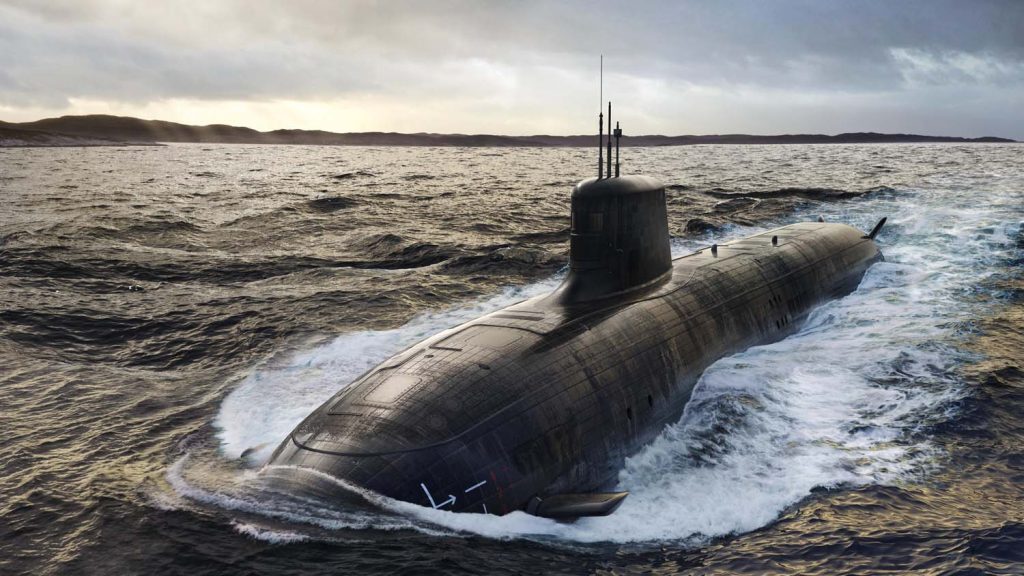
The U.S. Submarine Force is embedding AI/ML into UUVs for autonomous target identification and real-time minefield mapping. Secure, cloud-based data infrastructures within the AUKUS Common Development Environment enable allied co-development of algorithms. During the Dynamic Messenger exercise, NATO demonstrated the use of AI tools to access UUV data through satellite links, which graded performance and refined tactics-a demonstration of how machine learning can compress decision cycles in undersea warfare.
8. Cross-Domain Command and Control
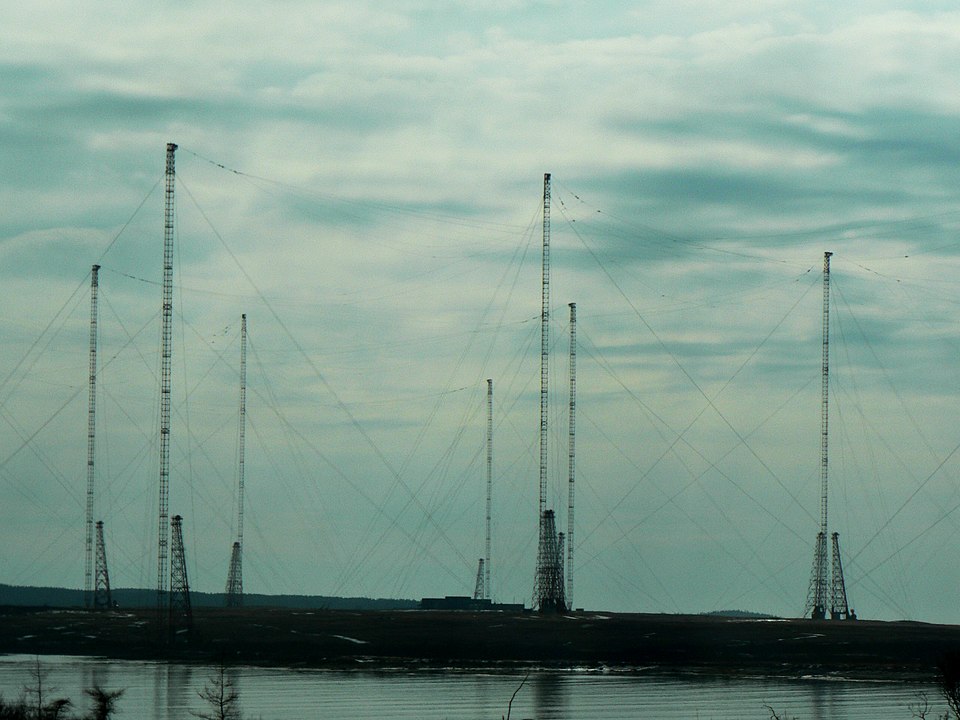
A related fundamental challenge is maintaining stealth while connected. Emerging cross-domain C2 integrates VLF transmitters, satellite links, and autonomous relay platforms to keep subs tied into joint battle networks without surfacing. Recent trials cut communication depth time by over 60%, using compression and traffic monitoring. This system-of-systems approach ensures resilient links even if individual nodes fail.
9. Strategic Implications of Drone-Carrying
Subs Submarine-launched drones expand mission sets beyond strike and surveillance. They can monitor illicit maritime activity, provide overwatch for special operations, or act as decoys and jammers. For adversaries, they complicate ASW by multiplying threats in multiple domains. To operators, they offer modular reach and persistence, enabling sequential drone deployments far beyond the endurance of a single UAV, all while keeping human crews out of harm’s way. The confluence of stealthy launch platforms, autonomous drones, resilient communications, and AI-driven mission control is redefining undersea warfare. Submarines with UAVs and UUVs will not simply extend sensor horizons; they will become multi-domain nodes able to shape the battlespace well before a shot is fired. The race for defense technologists and naval planners is on: integrate these systems faster than rivals can counter them.


