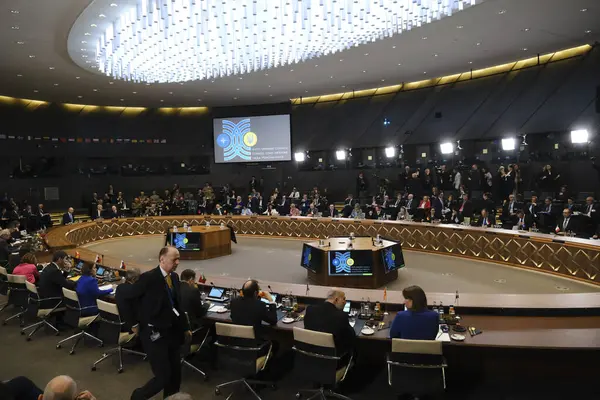
“The timeframe for a potentialRussian military action against NATO’s Baltic member countries has accelerated from 2030 to 2027,” reports the head of the Ukraine intelligence service,Pavel Budanov. This trend must be set against the background of a recent history that includes a violation of airspace,sabotage actions,some cases of “hybrid” warfare. It’s clear that the message to the defenders and decisionmakers: the clock is running down.
This assessment by Budanov corresponds with the overall intelligence that shows a heightened series of hybrid operations targeting Estonia, Latvia, and Lithuania since late 2025 that reflect the ambitions of Moscow. The NATO reaction is dynamic, but the strategic puzzle remains as to how to deter a Russia that sees itself as imperial through territory expansion and perceives Western weakness and lack of resolve.
1. Moscow’s Revised Timeline for Baltic Operations
Budanov revealed that the initial Russian strategic plan for European preparedness by 2030 has now been accelerated to 2027. This rapid advancement has been linked to the reality of battlefield conditions witnessed in Ukraine. He affirmed that Lithuania, Latvia, and Estonia will serve as initial objectives, while Poland will be targeted for attack but not occupation. Strategic reflection has therefore linked this strategy to Russian imperial ambitions.
2. Intensified Hybrid Warfare Since September 2025
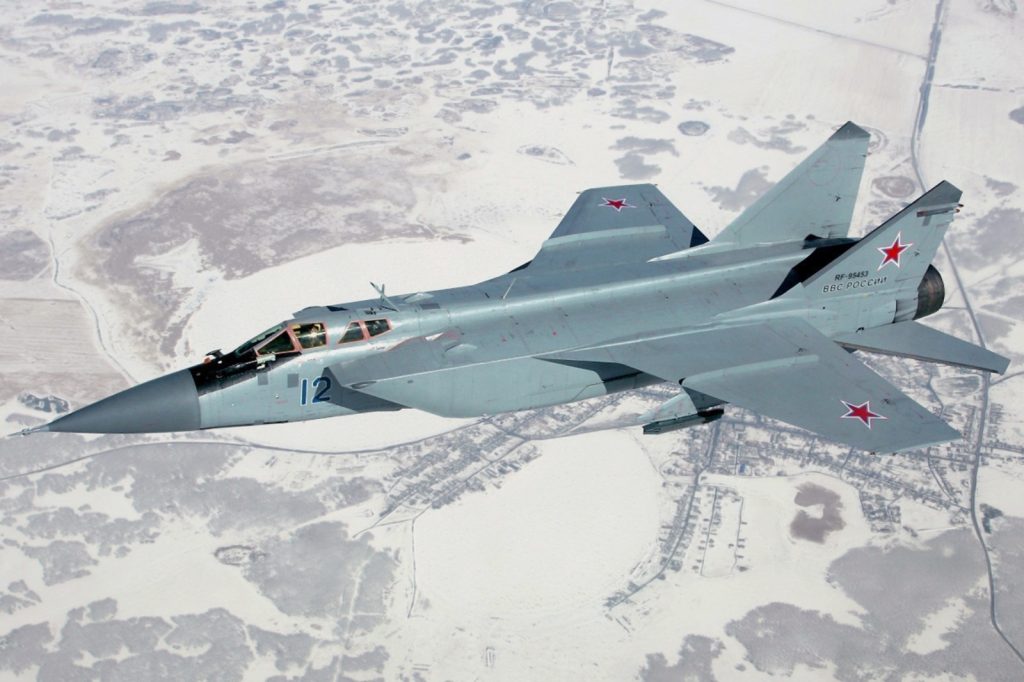
Since September 2025, the Russian Federation has accelerated the use of hybrid warfare against European countries, including the use of drones, fighter jet intrusions, and the dissemination of information. On the 20th of September, Estonia’s Defense Ministry announced the sighting of three MiG-31s violating Estonia’s airspace for 12 minutes, clearly a ploy on the part of the aggressor. All of the above steps are part of the constant component of the Russian agenda, which uses military and non-military instruments of power without crossing the line of conventional warfare.
3. Incursions into Airspace as Strategic Probes
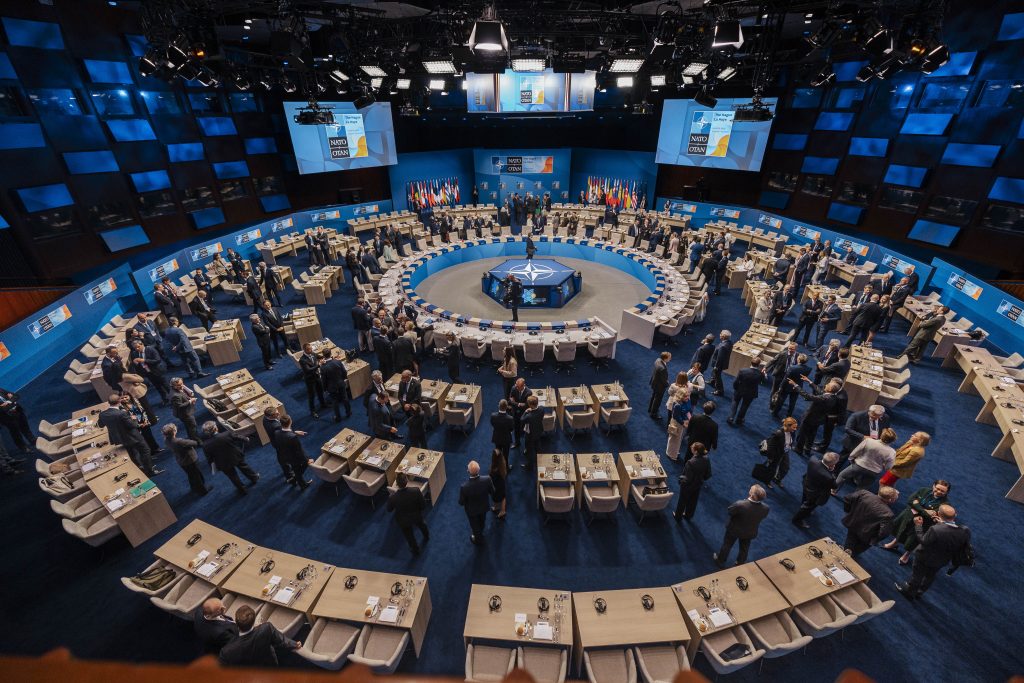
The entry of Russian aircraft into NATO airspace on several occasions in Estonia, Poland, and Romania has various purposes. It can be intended to test the NATO defense preparedness of member countries. The recent incident in Estonia involved fighters that can carry hypersonic missiles. The incident prompted NATO member countries to invoke an Article 4 consultation. This action reflects the gravity of such acts that may lead to miscalculations.
4. Sabotage of Critical Infrastructure
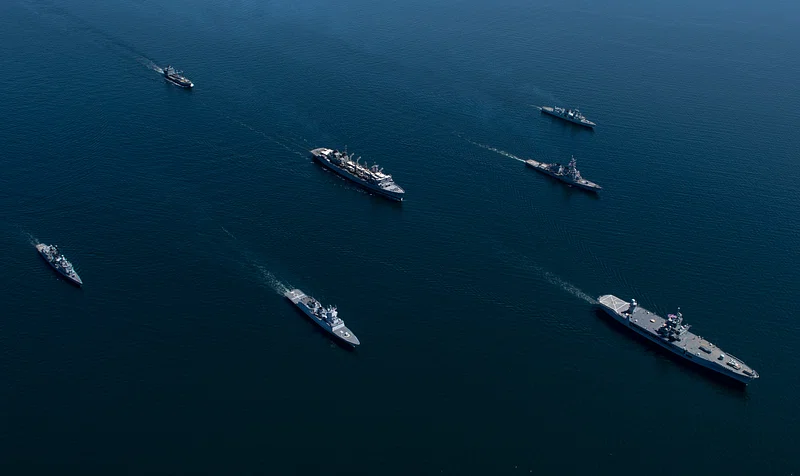
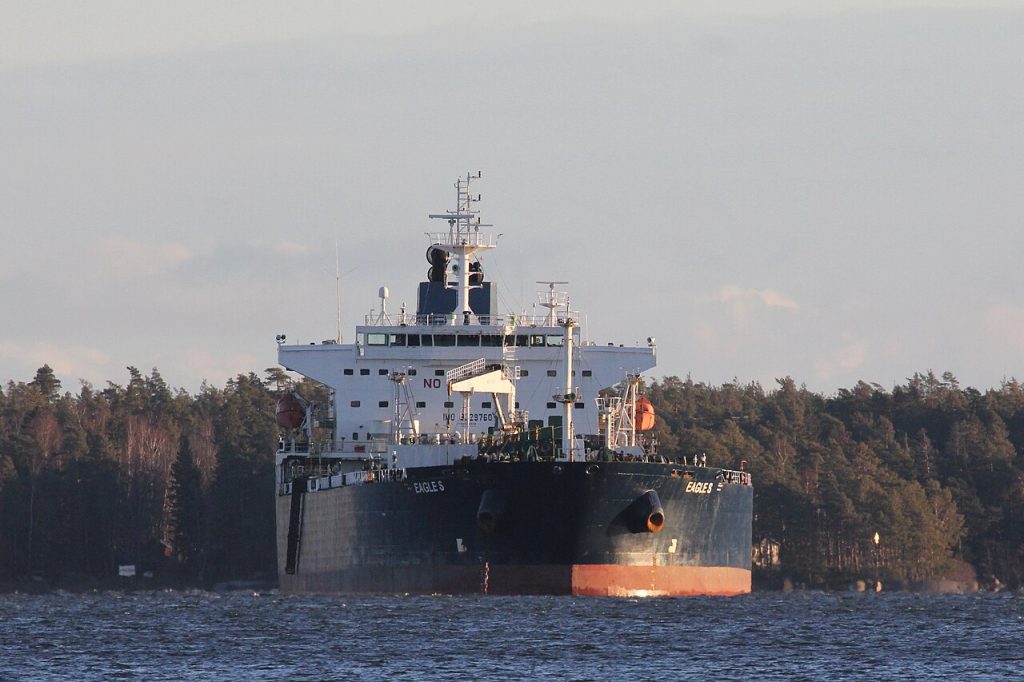
The Russian campaigns have included sabotage of undersea cables and pipelines. Investigations connected vessels such as the “New” Polar Bear and the “Eagle S” with anchor damage on subsea installations in the Baltic Sea. This type of sabotage is designed to interdict communications and energy transmission while preserving the possibility of deniability. A NATO effort called “Baltic Sentry” currently protects seabed infrastructure using frigates, UAVs, and patrol aircraft.

5. Structured Disinformation Campaign
The state-affiliated media, troll farms, and AI-powered news spread stories intended to disrupt the unity of NATO and the stability of the democratic system. To counter these efforts in Lithuania, so-called voluntary groups of “Lithuanian Elves” work around the clock to track and debunk myths in real-time. Information warfare has always been a core component of the Russian hybrid threat.

6. GRU-Led Sabotage and Assassination Plots
Data from a CSIS database reveals that Russian sabotage attacks in Europe have almost tripled from 2023 to 2024. The GRU has led blasts of defense industry plants, assassination attempts of industry leaders, and attacks against defectors. These might include local sympathizers or proxies, making it difficult for attribution and measures against such groups. They all have a connection to the military supplies directed towards Ukraine, manifesting the intention for these acts.
7. NATO’s Deterrence Dilemma
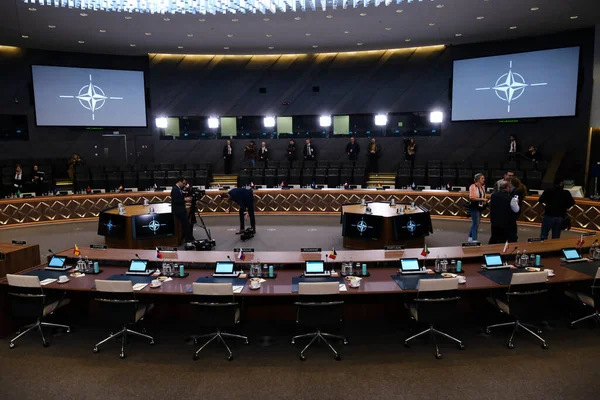
Hybrid threats remain just shy of the trigger for Article 5, allowing the challenge of balancing deterrence and escalation control for NATO. Current responses to these threats include the development of resilience, the sharing of intelligence, and the conduct of collective exercises, such as “Locked Shields.” Nonetheless, it has been suggested that the cost of aggression can be incremented with “deterrence-by-punishment.”

8. Estonia’s Three-Pillar Defense Strategy
Estonia has raised its spending on defense to 5% of GDP and emphasizes the following: artillery supremacy, a comprehensive air defense system and unmanned aerial vehicles, and total societal mobilization. Its strategy also includes 85,000 of its citizens ready for the “total national mobilization” approach, with the objective of preventing the enemy from achieving their targets before the arrival of support troops from NATO. The lesson of the Ukraine crisis to Estonia includes the demonstration of the power of a strong defense, the potency of artillery, and the proliferation of unmanned aerial vehicles
9. Vulnerabilities in the Baltic Front
Although progress has been made, Estonia still faces notable vulnerabilities, including a sizable ethnic Russian population in Narva that could be targeted through influence operations, limited and easily disrupted lines of communication, gaps in medium-range air defence coverage, and persistent cyber exposure. In a crisis, these weaknesses could be leveraged simultaneously through conventional military pressure and coordinated hybrid tactics to strain national and NATO responses.
10. The Need for a United NATO-EU Response
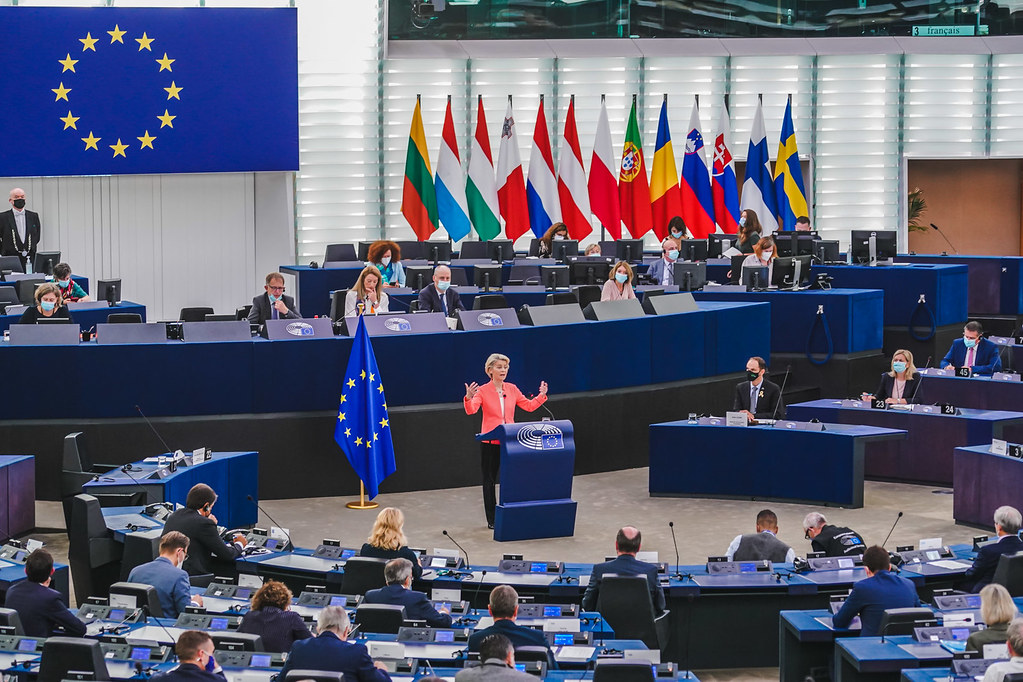
The fact that there is a divide in efforts by both NATO and that of the EU when it comes to a united strategy is a factor that is compounded by the presence of hybrid bodies, which in this case include “European Centre of Excellence For Countering Hybrid Threats” and that of StratCom CoE through which there is still what is called “second compartmentalisation.” The use of volunteer skills such as that of Elves, which is more advanced, may be critical in this regard.
Budanov’s warning condenses the timeline for action. It’s not necessary to recapitulate how Russian efforts combine traditional aggression, sabotage, and information attacks into a strategy to destabilize and fracture. The task for those formulating alliance strategy in NATO and the EU is to emphasize closing seams, shore up defenses, and raise the costs in time to turn 2027 into a challenge to alliance commitment on the Baltic border.


