
“He deliberately destroys the logistical infrastructure in the Odesa region and terrorizes civilians,” Ukraine’s Deputy Prime Minister Oleksiy Kuleba told the Kyiv Post. This summarizes the horrific situation that is currently emerging on the southern coast of Ukraine. On December 20, a missile attack on the port infrastructure in Pivdenne in the Odesa region resulted in the deaths of eight people and the injury of a further 27 as a sign that the Kremlin was escalating its attack on the Black Sea assets that Ukraine possesses.
Odessa has been under relentless bombardment for over a week, which has reduced parts of the city, damaged the port facilities, and severed vital transport routes. These attacks represent a broader Russian strategy that combines the use of numerous missiles and drones with accurate strikes against energy targets with the intention of crippling the Ukrainian economy and spirit that is being hit by the approaching winter. In this listicle, we shall discuss nine essential elements of the strike and its broader context in which it took place, ranging from combat strategies to developing technologies, to their implications in Ukrainian energy and maritime security.

1. The Pivdenne Port Strike and Civilian Casualties
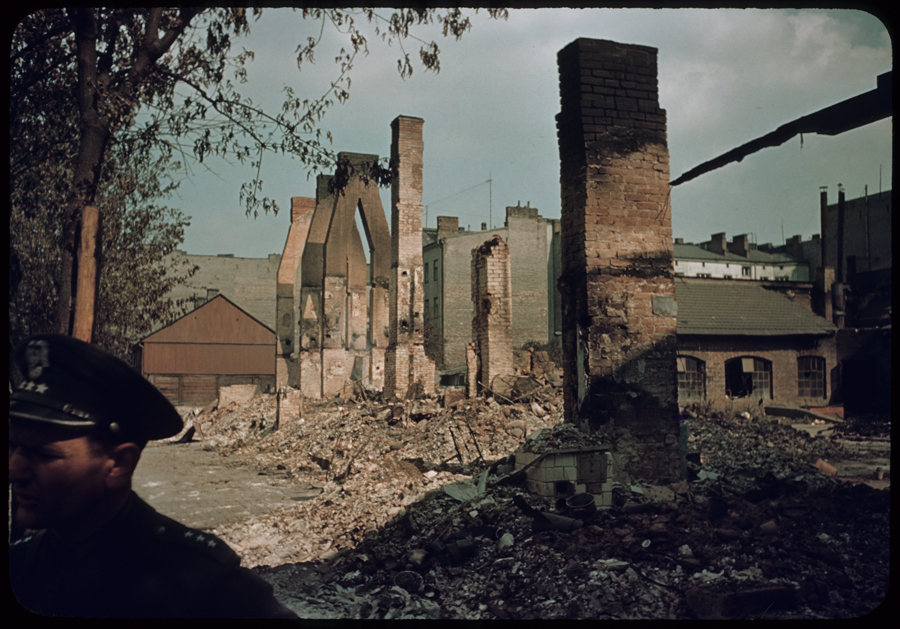
The attack, which occurred on Dec. 20, targeted a port infrastructure facility in the city of Pivdenne, injuring 27 and killing eight, as reported by Ukraine’s State Emergency Service. This was carried out by ballistic missiles, which were designed by Ukrainian officials to ensure the highest possible destruction rate for both military and infrastructure components. The Russian Defence Ministry claimed that it struck “transport and storage infrastructure used by Ukrainian Armed Forces,” but local sources reported that this attack extended to civilian sectors as well. This specific attack is a part of a pattern- Mixed targeting of both military and civilian sectors in Odesa, targeting port functions critical to Ukrainian export of grain through their ports.
2. Odesa under Nine Days of Continuous Bombardment
Attacks on Odesa by the Russians have been relentless, day after day, for nine consecutive days. A blackout has been maintained for a week, resulting in the city and the adjoining areas being in the dark. Ports, as well as civilian ships, have been affected, and essential bridges connecting the northern and southern areas have been hitting the target. Regional military administrator Oleh Kiper stated that “repair works are in progress, but this regular bombardment complicates the restoration process.” The regular bombardment has now become an expression of the Russian tactic in switching to attritional air offensive operations using both drones and missiles to wear out the Ukrainians’ defenses and the resilience of the associated infrastructure.
3. Strategy of Escalating Salvo
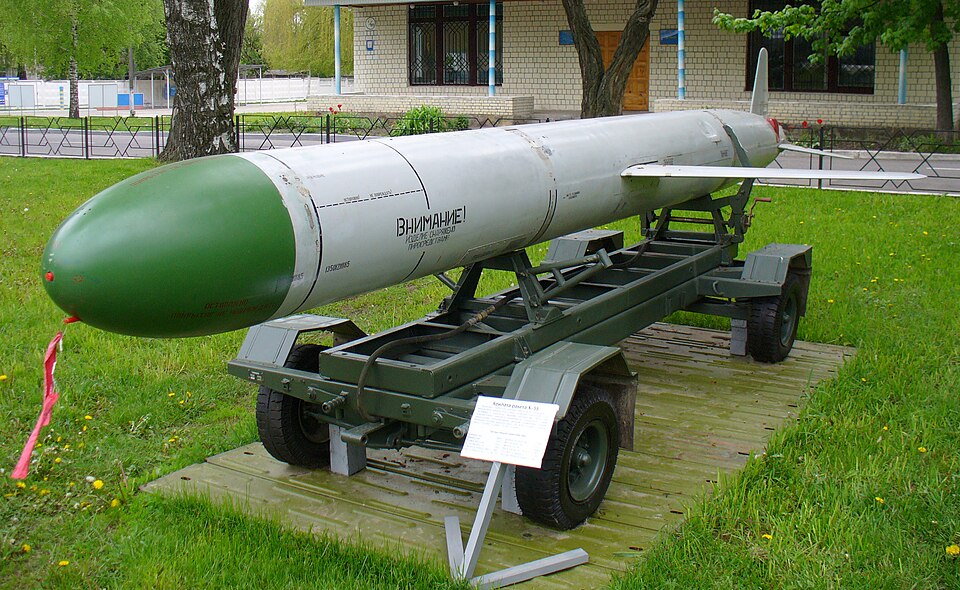
Currently, large salvo attacks account for about 10 percent of Russian airspace operations. However, wave attacks consisting of close to 300 weapons, including reportedly almost 700 weapons within one wave, will be normal by the year 2025. Salvos incorporate cruise missiles; ballistic missiles; and drone attacks within mixed strike packages that force Ukraine to spread its limited defense arsenal over several threat scenarios. This combination of Kh-101 and Kh-555 cruise missiles and Iranian Shahed-type drones in Russian forces will add to the penetration possibilities. This will be just pressure on all the multi-vectors to weaken the air defenses so that strikes like those on Pivdenne will be difficult to block.

4. Strikes against the Energy Infrastructure of Ukraine
Obviously, it is an interest in energy security by Russia. In just the year 2024, Ukraine had lost about 9 GW of capacity due to attacks by missiles and drones impacting the thermal and hydropower stations. It also had the Zaporizhzhia nuclear plant shut down. Attacks on the 25th of November had resulted in tens of thousands of people being left without electricity. The target of the Russian aim is quite obvious: to freeze Ukrainians out of submission through both generation and transmission segmentation.
5. Ukrainian Strikes against Russian Maritime Targets
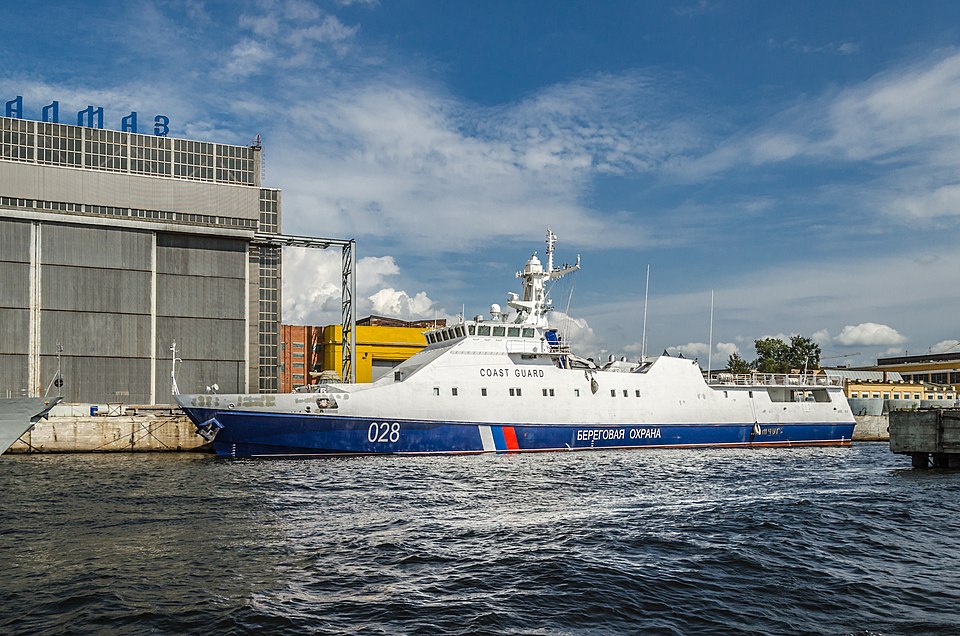
The Special Operations Forces have struck back with pinpoint attacks against drones, such as the oil rig at the Filanovsky oil field, the Project 22460 Hunter patrol boat in the Caspian Sea. These operations are targeted against those assets that support the Russian war machine. Kyiv has also been targeting Russia’s “shadow fleet,” which consists of illicit tankers used to evade sanctions, completely sabotaging vessels capable of holding oil worth tens of millions of dollars. These strikes target ways in which Moscow’s finances can be deprived without increasing conflicts with countries that remain impartial in an overarching naval war.
6. Maritime Drone Innovation and Black Sea Operations
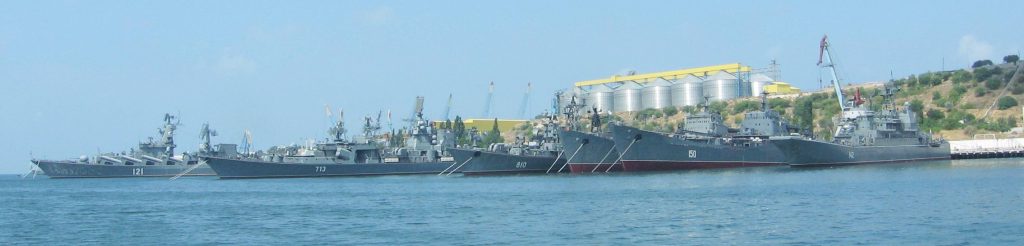
Being short on a powerful surface navy, Ukraine has relied on naval drones and other cruise missiles to press Russia on the control of the Black Sea. It has attacked the landing ships, the corvettes, or even the headquarters of the Black Sea Fleet in Sevastopol. These attacks have led to Russian withdrawal plans for modern ships, including frigates and submarines, to safer harbors. The plan compensates for the weakness in Ukraine’s navy in order to also protect routes exporting grain from Odesa.
7. Deadly New Russian Drone Technology
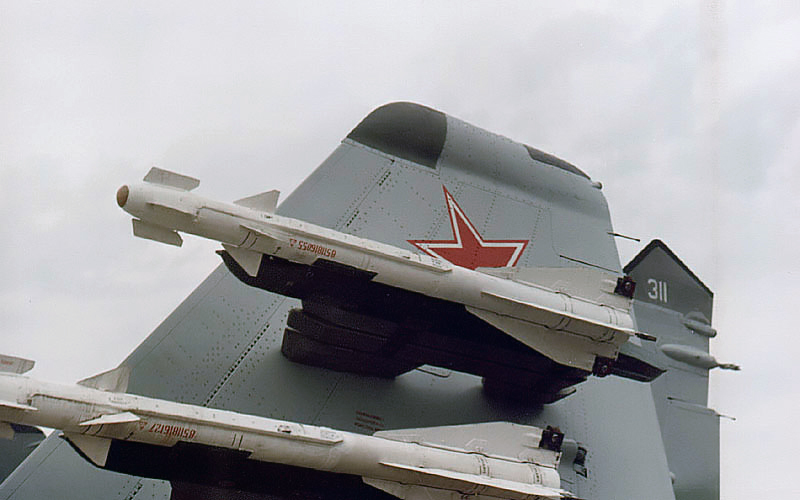
Analysis of the recent military debris suggests the Russians are now equipping their Geran-2 drones with R-60 air-to-air missiles. This provocation may soon become even deadlier for not only military, but also civilian, air carriers, potentially sparking the threat of false flag attacks in the European theatre. While the five-mile range of the R-60 allows drones to be used offensively in ways that are potentially unreliable even for airspaces that have traditionally been controlled, Alliance efforts to track and defend against such drones shall require even greater capacity and rapid responses.
8. Odesa’s Hybrid Warfare
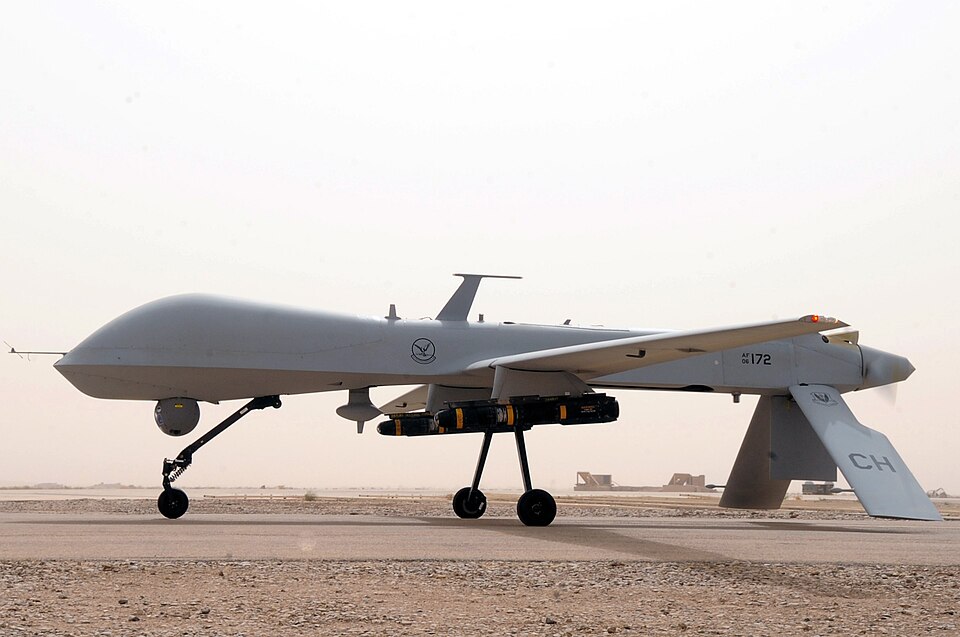
Role While the immediate and military sustainability of attacking Odesa is problematic, the attack also represents a component of wider Russian Hybrid attacks, combining economic and psychological hacking together in ways that damage the Ukrainian economy with attacks against Ukrainian port and energy operations, attacking Ukraine’s resource-exporting economy and, in effect, the Ukrainian psyche. In attacking Ukrainian transport hubs, the Russians, in effect, represent a threat to their military ubicuities too, in disrupting transports between the Ukraine and Southern Ukraine, for example.
9. “Energy Ceasefire,” Strategic Nonsense
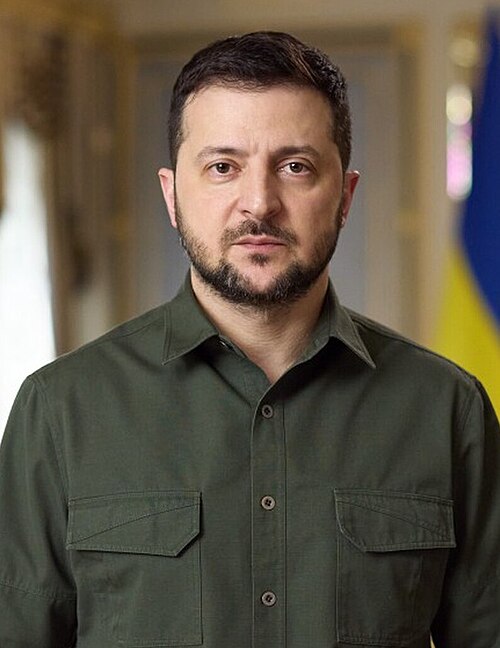
As the attacks against Ukraine’s energy systems escalated, there has been some mention of an “Energy Ceasefire,” in which the Ukrainian conflict parties arrange for a halt to attacks against Ukrainian energy systems in exchange for Ukrainian agreement to end attacks against energy systems in the Russian oil and gas-producing districts. However, just last week, Ukrainian leader Volodymyr Zelensky expressed his willingness to compromise, but he was summarily rejected by the Russians. It “would relieve the misery of the winters, and pave the way for meaningful peace talks, says lawmakers Victoria Gryb.”
However, the current military situation suggests the exact contrary: that no party can or is now ready to offer sufficient compromise regarding the ongoing attacks in the energy conflict. “The Pivdenne strike,” rather, “is not only an unconscionably tragic event-it also, in miniature, represents the progress of the war.” In other words, the Russians’ “salvos, energy attacks, and economic hacking cumulatively represent an obviously deliberate strategy to blue-pencil Ukraine’s defensive and will to resist.” Ukrainian responses, whether and in the expanded utilization and innovation regarding their maritime drone systems or in other target responses, suggest Ukraine’s readiness to adapt and ‘push back’ in ways indicative of just the challenge that faces them in these military and security events.”


