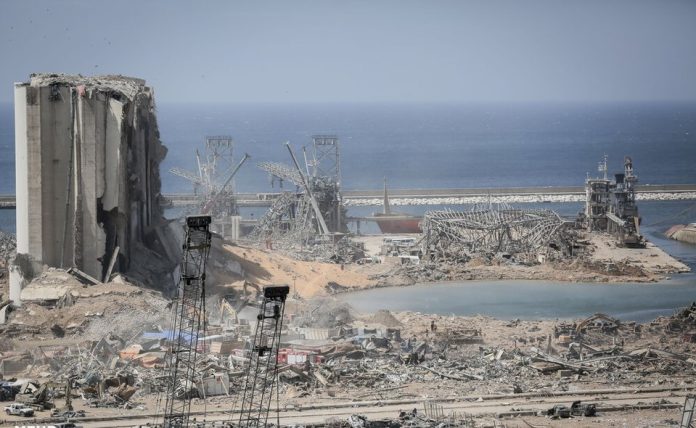
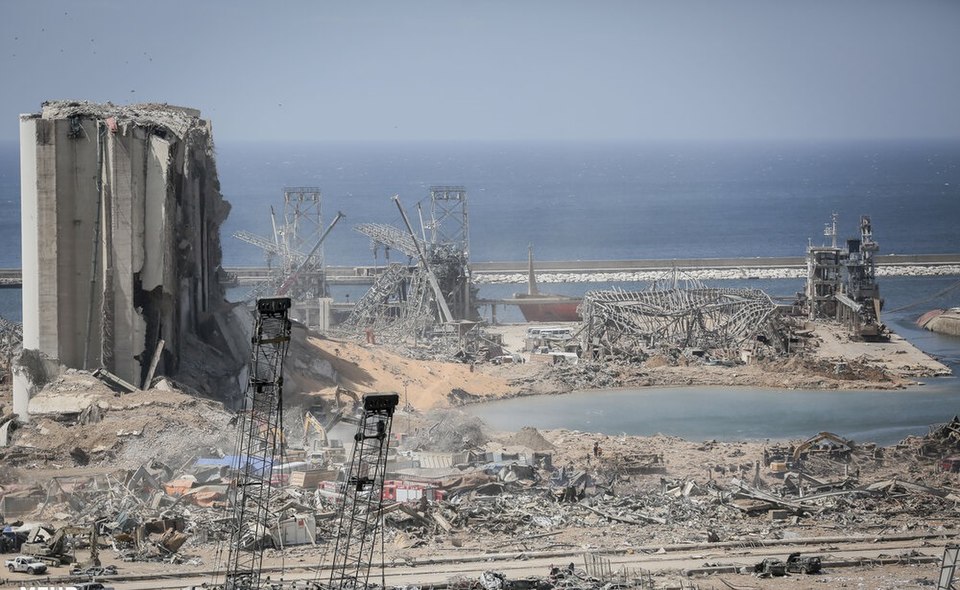
“War doesn’t just destroy cities-it reshapes whole geographies.” That fact is playing out on Ukraine’s southern coast, where Russia has escalated its campaign against Odesa’s ports, bridges, and energy infrastructure. The spike is not just a local crisis but a strategic shift with wide-ranging implications for maritime security in multiple theatres.
Missile and drone strikes pounded the Odesa region in recent days, severing key transport links and imperiling Ukraine’s access to the Black Sea. The barrages coincide with high-stakes diplomacy in the United States as negotiators seek a deal to end a nearly four-year war. But on the ground and at sea, the fighting is expanding, drawing in foreign vessels and spilling out into distant waters in a way that is deepening the economic squeeze on Kyiv.
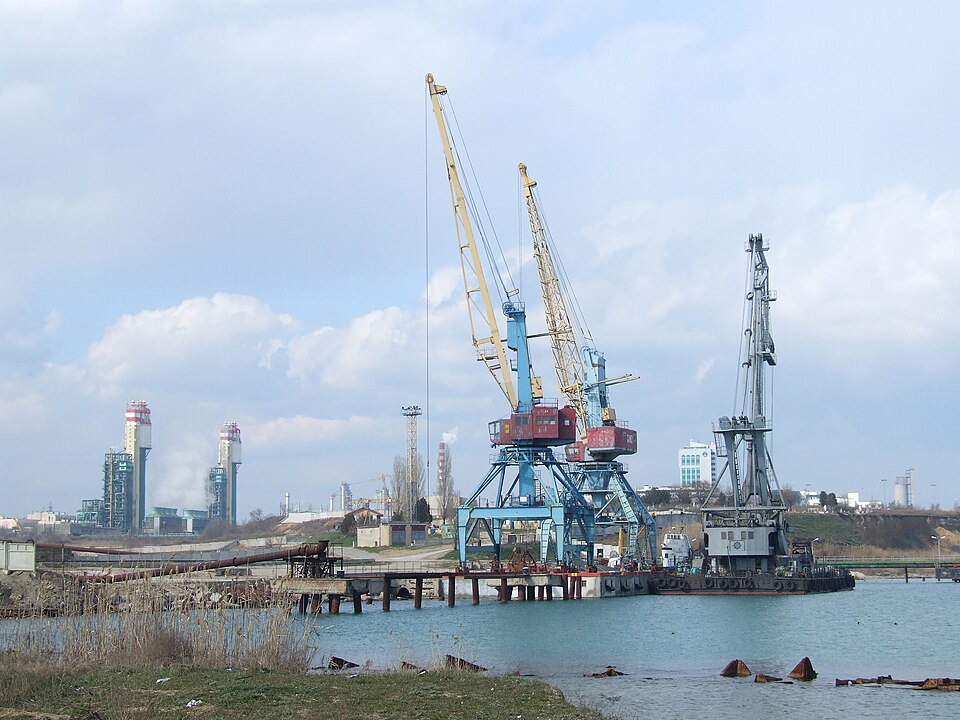
1. Pivdennyi Port Continues to Be Bombarded
For a second consecutive day, Russian forces pounded Pivdennyi port, killing at least eight people and injuring dozens. According to Ukraine’s Deputy Prime Minister Oleksiy Kuleba, the invaders struck at reservoirs. Geneva-based Allseeds added that three tanks of sunflower oil were set on fire, in which one worker was killed. The port is also a funnel for fuel and agricultural exports and has lately been the focus of a campaign by Moscow to strangle Ukraine’s economic lifelines.
2. Strategic Bridge to Moldova Disabled
Since Thursday, there have been at least five strikes on the bridge across the Dniester River near Mayaky; it is no longer operational. The link is a key route to Moldova’s border crossings and carries around 40 percent of Ukraine’s fuel supplies. Authorities have put in a pontoon bridge and rerouted logistics, but the damage underlines Russia’s intent to disrupt both civilian and military movement westward.

3. Civilian Vessels caught in port strikes
Recent airstrikes have hit three Turkish-owned vessels, including the Panama-flagged Cenk T carrying food supplies. The country’s authorities rebuff such incidents as a threat to maritime security and freedom of navigation in the Black Sea. In a conciliatory mode, President Recep Tayyip Erdogan called on a limited ceasefire for ports and energy facilities, reflecting Ankara’s alarm over conflict spillover into its maritime backyard.
4. Blackouts and Energy Infrastructure Damage
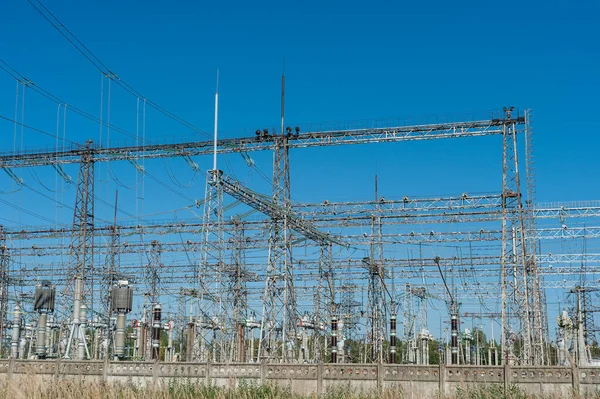
The huge raid of Russian air on the Black Sea last week destroyed energy facilities and plunged the city of Odesa into darkness for days, leaving more than two million people without electricity, water, or heating in freezing temperatures. Targeting energy infrastructure during the winter months is part of a larger strategy of putting moral and logistical pressure on Ukraine’s civilian population.
5. The Expansion of Ukraine’s Maritime Campaign
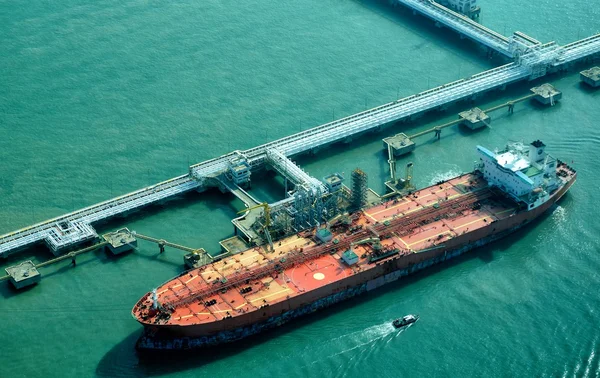
Ukraine has hit Russian “shadow fleet” tankers far beyond the Black Sea, including the Qendil off Libya in the Mediterranean. For the first time, this theatre of operations saw an attack using aerial drones in a multi-stage operation. Kyiv argues these vessels are legitimate targets because they help fund Russia’s war. British maritime risk group Vanguard called the attack “a stark expansion” of Ukraine’s uncrewed aerial systems against sanctioned oil export networks.
6. Caspian Sea and Submarine Targets
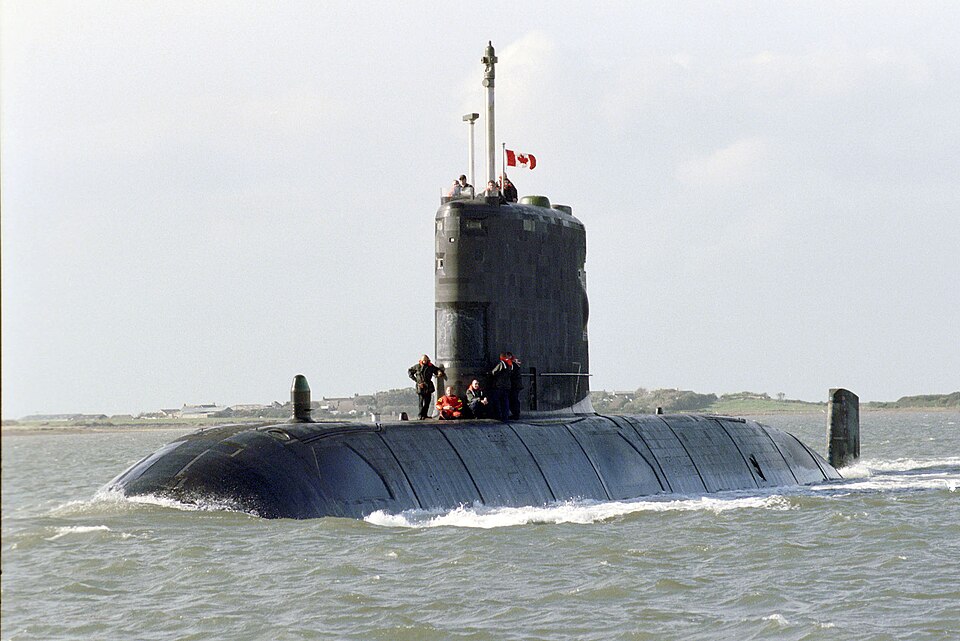
Kyiv’s campaign has also reached out and struck the Filanovsky oil rig in the Caspian Sea and a Kilo-class submarine in Novorossiysk, with underwater drones. Such strikes play on Russia’s “weaker links” in naval defenses, less prepared for low-signature subsurface threats. Ukrainian officials say the strategy aims at choking oil revenues while ratcheting up pressure on military assets.

7. Russian Countermeasures and Drone Warfare
Moscow has attempted to destroy Ukrainian unmanned surface vessels with Lancet and KUB loitering munitions, variants engineered with increased range and payload. Analysts say the Ukrainian USVs now have first-person-view drones that would allow them to shoot down Russian-operated drones in midthreat. A contest that has turned out to be multirealm battle, each side quickly making adaptations to evolving threats.

8. Diplomatic Push as Tensions Mount
Meanwhile, strikes don’t cease: in Florida, US-led talks are taking part by Trump envoys Steve Witkoff and Jared Kushner, Ukrainian negotiator Rustem Umerov, and European officials. The Russian envoy, Kirill Dmitriev, separately is holding conversations with American representatives. As earlier, territorial concessions are the main bone of contention: Moscow insists on getting control over four occupied regions and Crimea preconditions Kyiv flatly denies.

9. Economic Lifelines and War Finance
The European Union has signed off on a €90bn loan to Ukraine, contingent on Russia paying war reparations. This will fund military and economic requirements for up to two years. Across the wider conflict, Ukraine’s strikes on shadow fleet tankers are designed to deplete the Russian $87-100 billion a year in oil revenues-a key war financier. The economic front is taking on an importance comparable to the battlefield.
The expanded strikes against Odesa’s ports and infrastructure, along with the maritime campaign by Ukraine that is expanding, presage a conflict that will assume a more multifaceted and more international character. As both sides develop their military positions and jockey for diplomatic advantage, the fighting is no longer limited to the Black Sea-maritime and economic war has expanded from the Caspian to the Mediterranean. The challenge for analysts in defense and policymakers alike lies in surmising how these interlinking fronts will frame the next period of conflict.”


