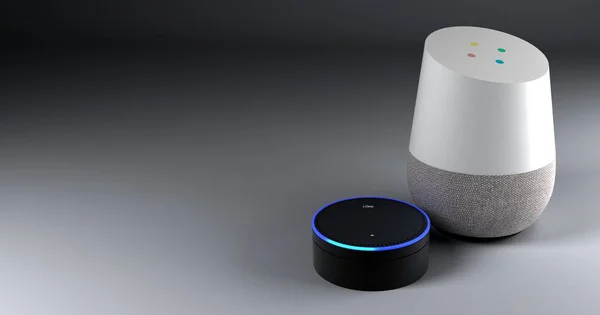
What happens when a decade-old voice assistant is replaced with something entirely new? It’s been one of the biggest shifts in the smart home in years: Google’s decision to end Assistant and replace it with Gemini. For the truly tech-savvy homeowner who has created routines, automations, and device networks around Assistant, the change represents more than just an incremental software update; it is, in fact, the reimagining of how their home will listen, respond, and interact.
That won’t happen overnight. Google has pushed the mandatory migration into 2026, thus giving users more time to adapt and developers a further chance to fine-tune what Gemini can do. However, with new hardware already announced, subscription tiers, and feature upgrades, though, a full shake-up of the smart home landscape is pretty imminent. Here’s a breakdown of the most important developments and what they mean for those invested in Google’s ecosystem.
1. Gemini’s Delayed Rollout to Replace Assistant
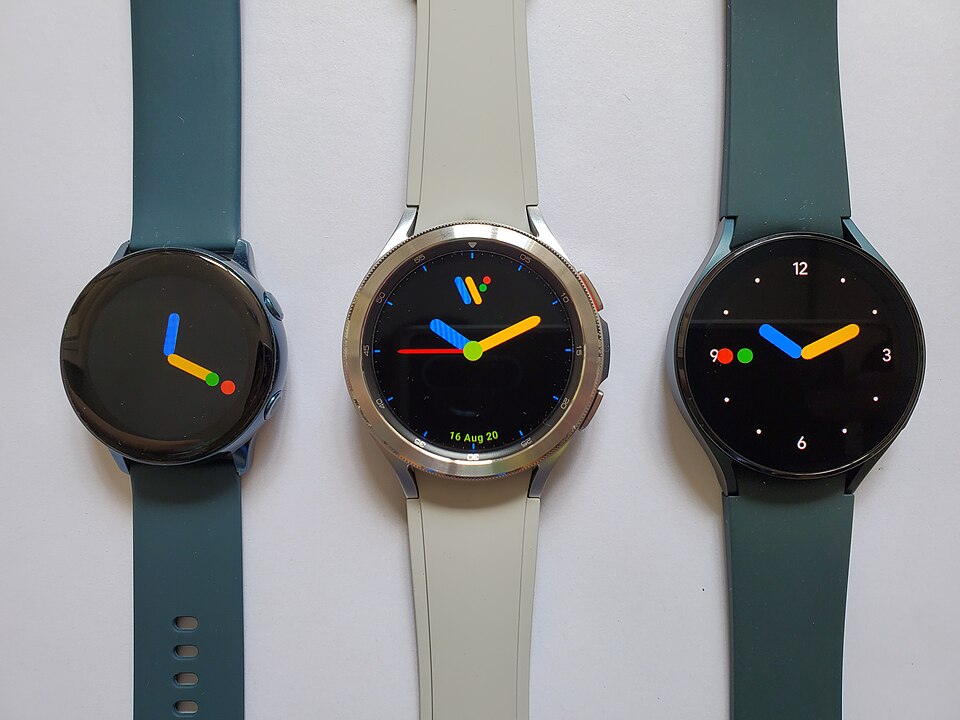
Whereas Google had initially wanted to replace Assistant with Gemini by the end of 2025, the timeline for that apparently changed. The company now says it will be completing the migration in 2026 and a”seamless transition” is needed while it migrates hundreds of millions of devices from a trustworthy command-and-control system to an assistant driven by a large language model. That delay means the older Android devices, Wear OS watches, and Google Home products will retain Assistant a bit longer because it offers stability for the sort of routine things Gemini has yet to match for speed and reliability.
2. Subscription Model for Advanced Features
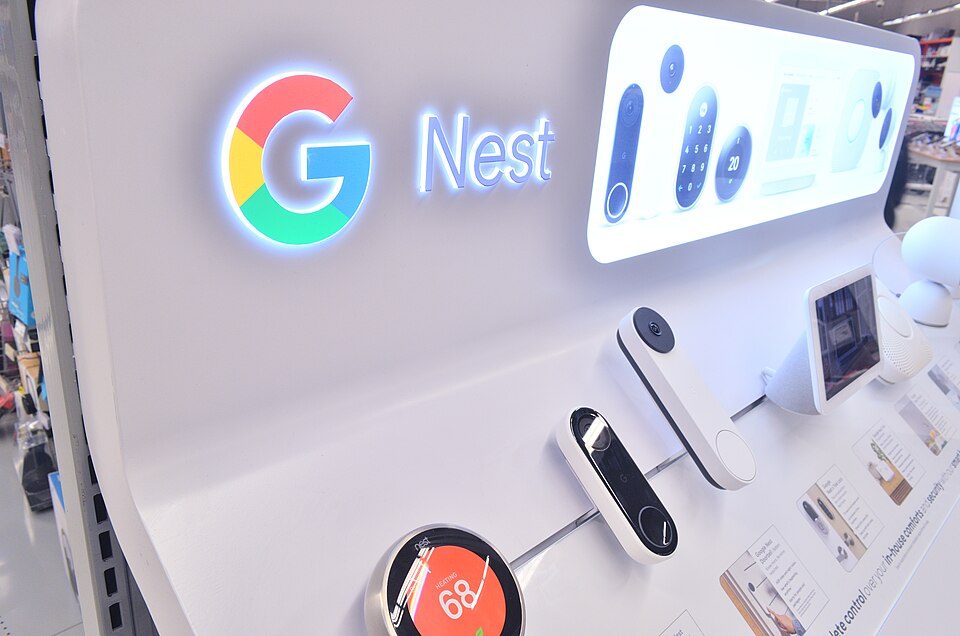
Unlike Alexa+, its basic capabilities will remain free. However, the company is rebranding its Nest Aware camera subscription into Gemini for Home tiers: $10/month for Standard and $20/month for Advanced. The latter unlocks Gemini Live, a conversational mode on smart speakers, and also automation upgrades to extend video history, AI-generated summaries, and intelligent alerts. It will be one of the early steps into monetizing advanced assistant functionalities beyond just security cameras.
3. Gemini Live brings contextual conversations
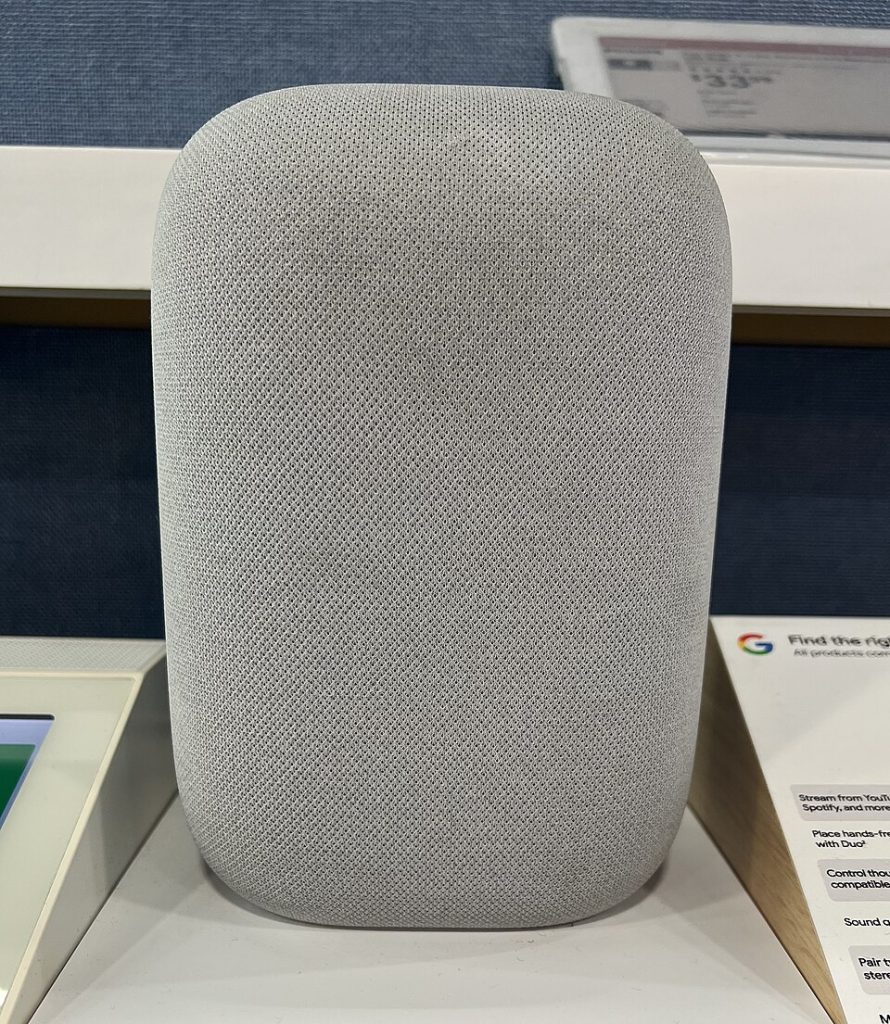
Gemini Live has been optimized for back-and-forth, context-aware interactions, with none of the rigid phrasing required by Assistant. Early demos have it handling nuanced requests and remembering prior context within a conversation. Many existing Google speakers will get Gemini Live, but many won’t-make hardware upgrades all the more tempting in getting the full experience.
4. The launch of the Google Home Speaker
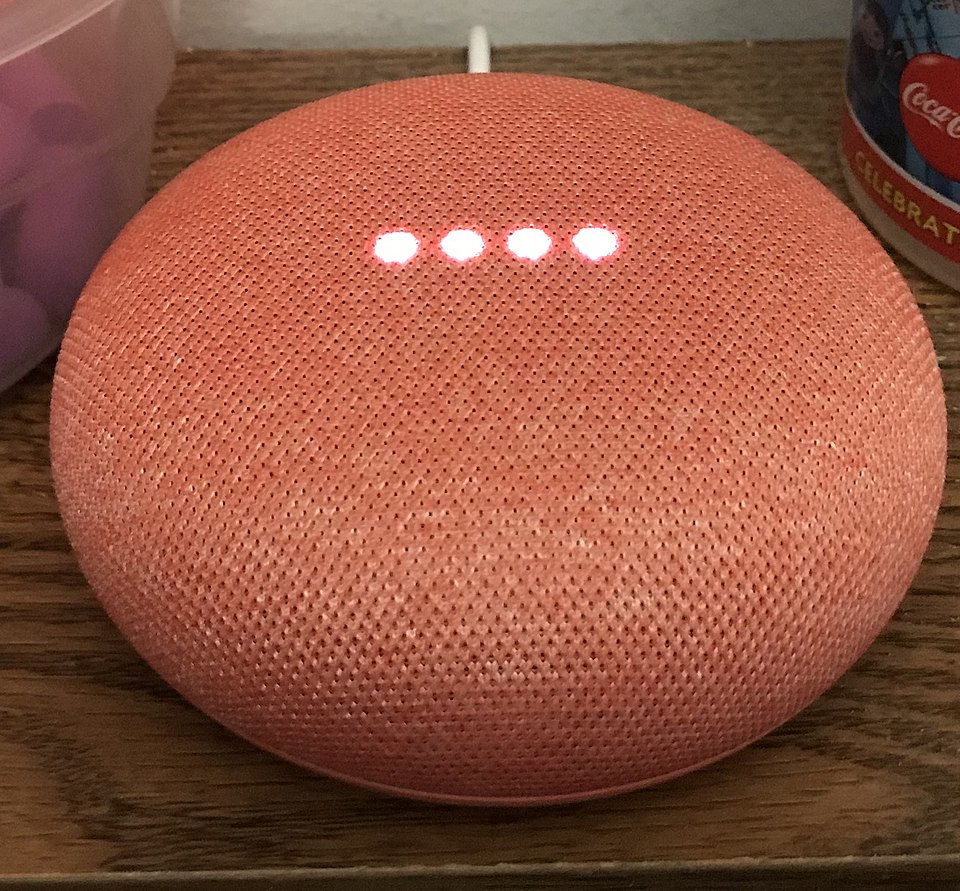
Coming this Spring 2026, the $99 Google Home Speaker will be the first new Google smart speaker since 2020. It features a custom processing system to speed up AI responses, plus balanced 360-degree audio and a light ring denoting listening or reasoning states. The design uses a 3D knitting process to reduce fabric waste and comes in bold colors like Berry, Hazel, Jade, and Porcelain. It will be capable of stereo pairing, multi-room audio, and even integrating with the Google TV Streamer for home theater applications.
5. Seamless Compatibility Across Google’s Ecosystem
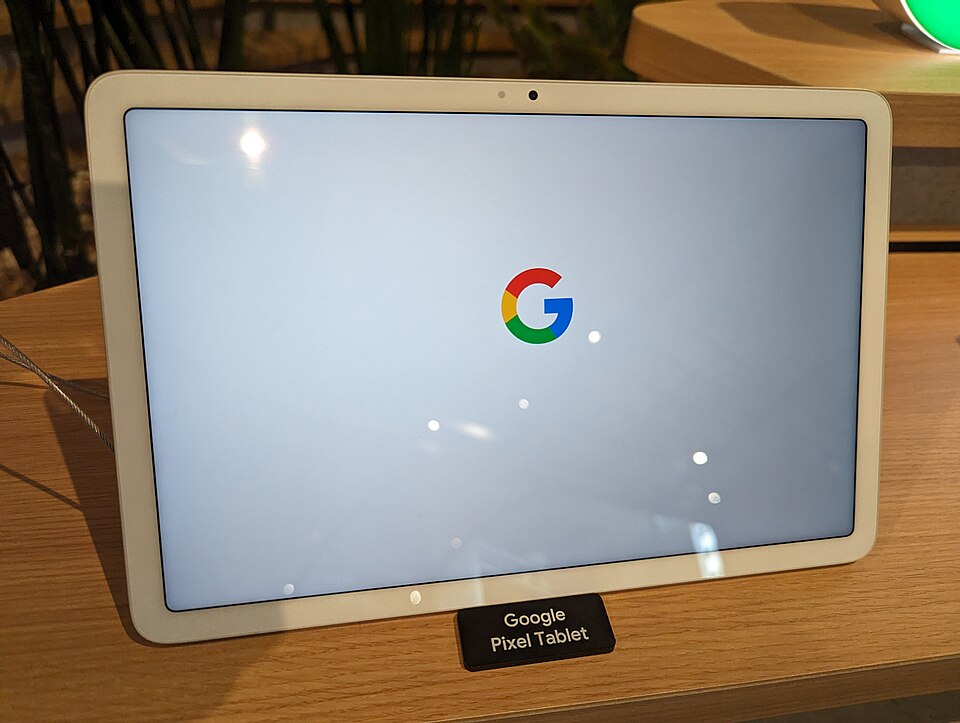
Gemini for Home is rolling out on nearly every Google smart device, from the original 2016 Google Home to the Nest Hub Max; Pixel Tablet is one of the very few exceptions. With Chromecast integration, and Matter over Thread, not to mention a host of music services, Gemini should still be the smart home control hub, even as some compatibility chinks might remain as third-party devices start making the transition.
6. Privacy Contrasts with Alexa’s Changes
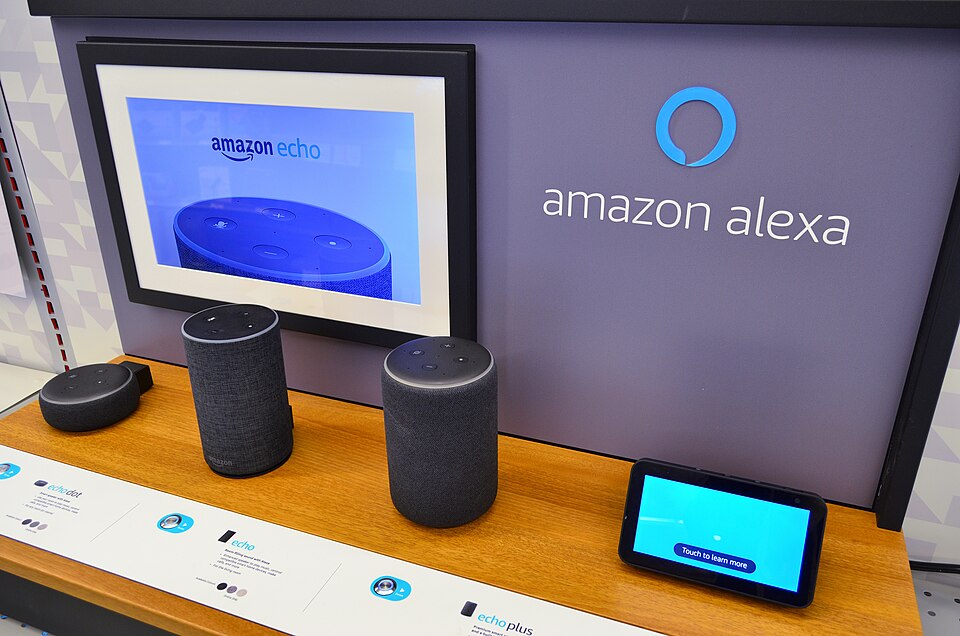
Where Amazon debuted Alexa+, it was simultaneously removing the”Do Not Send Voice Recordings” setting, thereby forcing voice data to the cloud for processing. Google, for its part, has not talked about similar plans for Gemini, with the base assistant remaining free. That alone could be a big differentiator for those concerned about privacy in light of past worries about the way Amazon processes voice recordings.

7. JBL Authentics 200’s Dual Assistant Support
Unlike most current market placements, the JBL Authentics 200 can support both Google Assistant and Amazon Alexa at the same time. This flexibility is a rare find and thus of great value to households mixing ecosystems. Although it is not clear whether the Authentics 200 will support Gemini for Home, with its premium sound, auto room calibration, and multi-room, this speaker stands well for users looking for versatility while the transition of Gemini unfolds.
8. Sonos Era 100’s Lacking Google Support
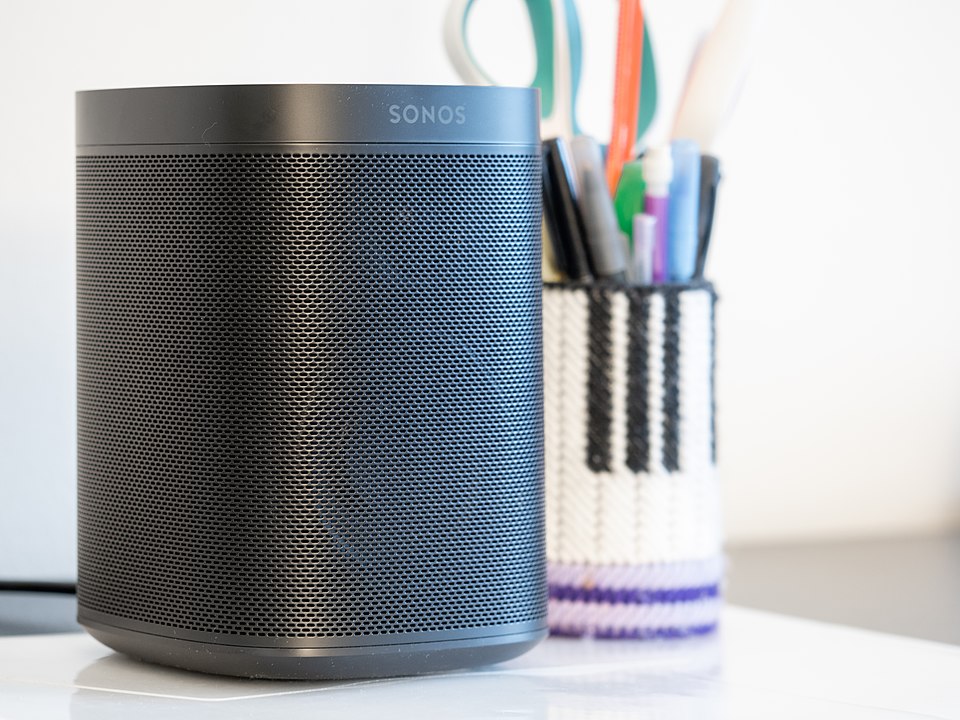
The new Sonos Era 100 boasts better bass, true stereo sound, and refreshed connectivity with WiFi 6 and Bluetooth 5.0. It also skips out on Google Assistant, which is believed not to be part of the Gemini either. This makes it a best-in-class offering for those using Alexa or AirPlay 2 while deeply Google-integrated users will probably want to look elsewhere for better compatibility.

9. Ecosystem Strategy for Smart Home Enthusiasts
With Gemini displacing Assistant, device compatibility and feature parity will be far more essential. Users with older Google speakers should consider upgrading to Gemini Live-capable hardware while those invested in multi-assistant setups can lean on third-party solutions like JBL’s Authentics 200. This also represents a good opportunity to rethink subscriptions.
Weigh the added features Gemini offers against Alexa+ or smart home hubs in general. In many respects, Gemini is more than just a name change; it constitutes a technological pivot that fundamentally changes how Google’s smart home ecosystem works. For those more enamored with smart homes, the next year offers them a window to reassess their hardware, subscriptions, and privacy trade-offs ahead of the switchover in 2026. Whoever does their homework right can ensure their homes are prepared to take full advantage of Gemini capabilities without sacrificing the reliability they have grown accustomed to with Assistant.


