

The answer to beating the threat of the hypersonic missile is in space. The urgency behind the recent investment in orbital defence by the U.S. Space Force can be summarised with those words by L3Harris CEO Christopher Kubasik. On December 19, 2025, Space Development Agency (SDA) contracted 4 industry leaders with 72 advanced missile-tracking satellites as part of Tranche 3 of their Proliferated Warfighter Space Architecture (PWSA). This is the largest single award since the program thus signifying the push of the Pentagon to ensure that it keeps up with the speed of occurrence of missile threats.
The Tracking Layer Tranche 3 is not just any other satellite deployment. It represents a jump in capability, incorporating the infrared sensors, optical communications, and fire-control quality tracking into a robust proliferated network. The constellation will be an essential component of a planned system of the Pentagon Golden Dome missile defense whereby space sensors will be connected to command-and-control as well as interceptors in order to shorten the time interval between missile detection and response. Nine key aspects of this historic program will be discussed below to show how the program will transform the missile defense in the years to come.
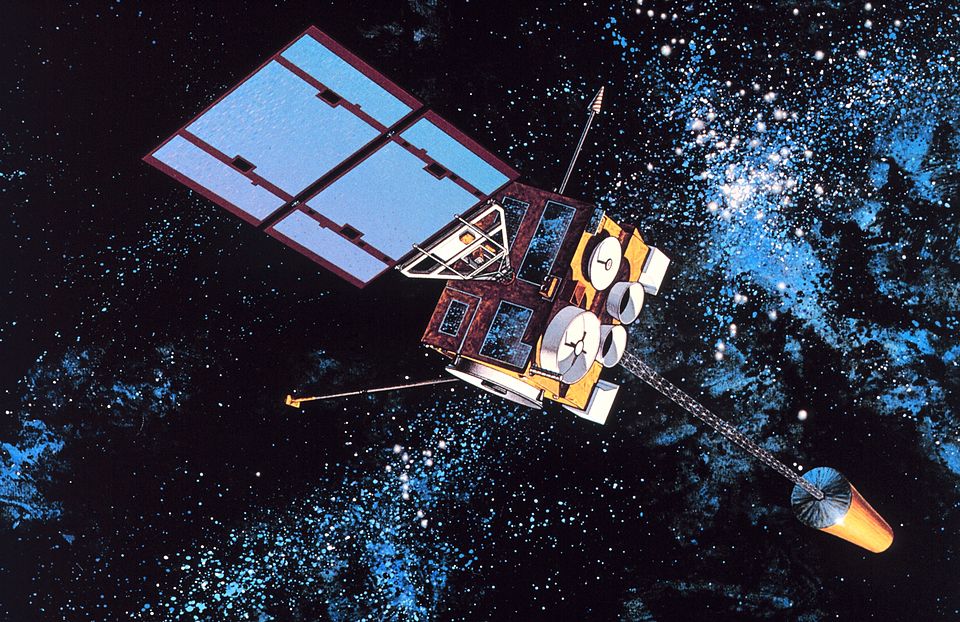
1. Biggest SDA Sat Satellite Contract This Year.
The mission size is indicated by the award of the Tranche 3 at $3.5 billion, which is more than all the past SDA satellite contracts. Lockheed Martin had the biggest award of $1.1 billion on 18 missile warning, tracking and defense (MWTD) satellites. The next ones are L3Harris with 18 missile warning/tracking (MW/MT) satellites, Rocket Lab with MWTD, and Northrop Grumman with MW/MT spacecraft at 843 million and 805 million dollars respectively. This allocation underscores a balanced outlook in exploiting a variety of industrial capabilities and at the same time, competitive diversity.

2. Eight Orbital Planes to cover the whole world.
The 72 satellites have been positioned in eight orbital planes of low earth orbit which will facilitate virtually continuous global coverage. SDA Acting Director Gurpartap “GP” Sandhoo stressed that this architecture will dramatically expand the coverage as well as precision required to close kill chains against the high-tech foe threat. The orbital layout guarantees continual monitoring of the traditional and hypersonic missiles, including the ones that can perform unpredictable moves.
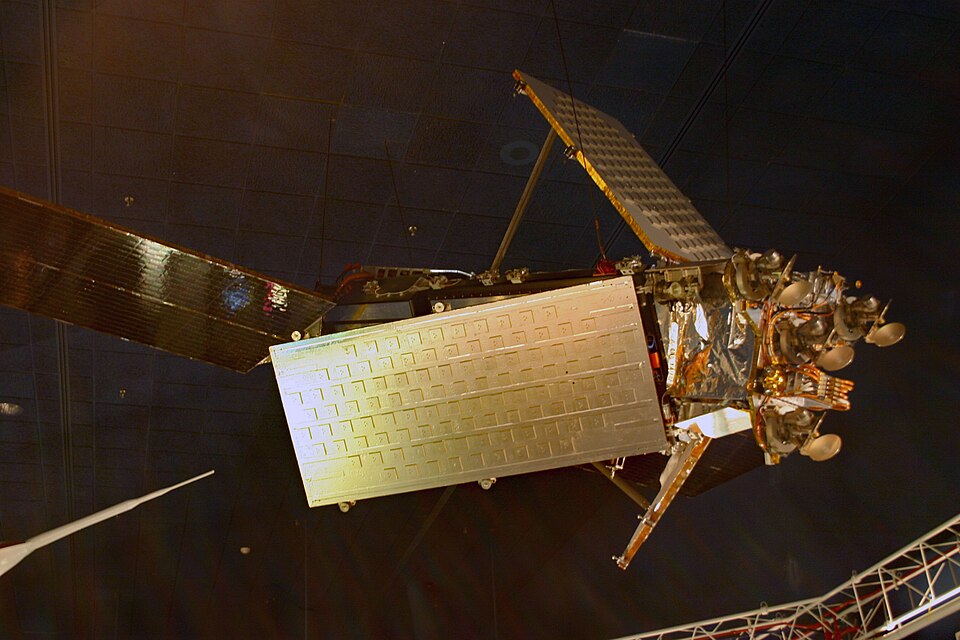
3. Connection with the Transport Layer.
The Tracking Layer will not be used alone. Satellites will provide data to the PWSA Transport Layer, a low-latency mesh network, using laser-based crosslinks, and provide mission data directly to missile defenses, combatant commands, and weapons platforms. The integration will shorten the detection-to-decision time, which is an important factor in catching threats that move at a high speed.
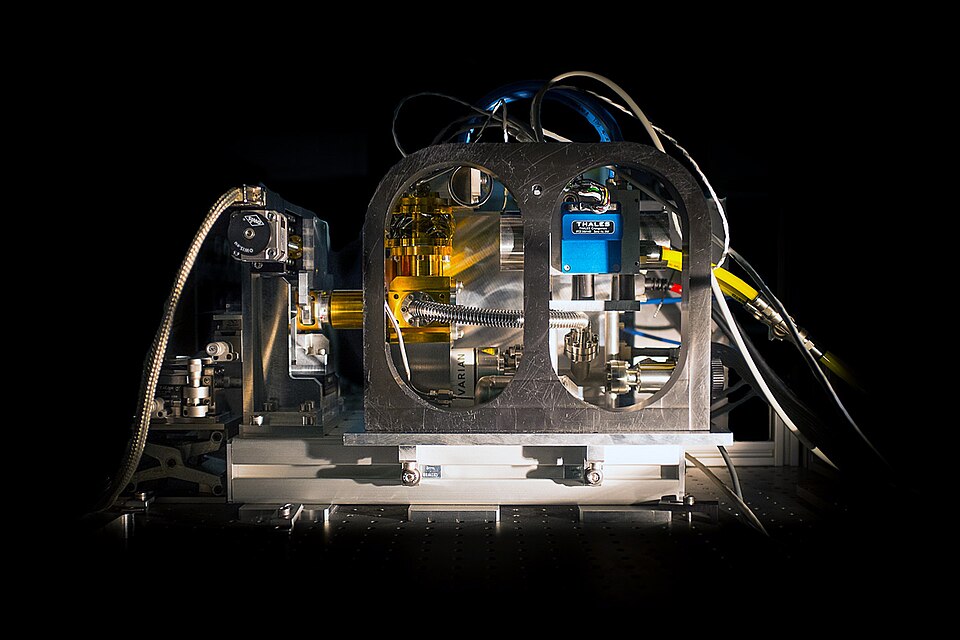
4. State of the art Hypersonic Threat Payloads.
The Tranche 3 satellite satellites will be equipped with an infrared mission load, optical communication terminals, Ka-band communications and an S-band backup telemetry, tracking, and command system. These payloads are designed to be able to detect launches in seconds and keep targets in their custody during flight. The units of Rocket Lab will be equipped with its Phoenix wide field-of-view infrared sensor and StarLite space protection sensors which are meant to detect directed energy.

5. Skeleton Development of Rapid Capability Refresh.
The SDA concept of spiral development introduces a new generation with each generation approximately every two years, with new technology and increased capacity. This approach enables the agency to be responsive to the emerging threats and technological changes. The Tranche 3 is a continuation of Tranche 1 which had 28 satellites and Tranche 2 which had 54 satellites but continued to proliferate and increase the resilience.

6. Position in the Golden Dome Missile Defense System.
Tracking Layer is one of the foundations of the Pentagon Golden Dome program which is a multi-layered defense network covering both land and sea as well as space. The sensing backbone is the space-based tracking, which permits early detection and subsequent tracking, which is necessary in organized interceptor engagement. The goal of the Golden Dome program of 175 billion dollars is to be completed in 2029, which coincides with the rollout of Tranche 3.

7. Communications Laser Interoperable.
To facilitate the exchange of data between satellites of diversified vendors, SDA has required standardized protocols of optical communication terminals. The first demonstration of this interoperability was in Tranche 0, with cross-vendor laser links of York Space Systems and SpaceX. Transmission is more secure through laser communications than it is through radio frequency, and a risk of jamming is minimized, making operations more resilient.

8. Preparations in the Industry to keep going.
L3Harris has achieved its full-rate production in its facility at Palm Bay, Florida to accommodate the increasing satellite orders of SDA. Lockheed Martin uses its small satellite production center that is dedicated and investments in secure networks to hurry the schedules. The move by Rocket Lab to manufacture satellites is its first Tracking Layer contract whereas Northrop Grumman has familiar experience with Overhead Persistent Infrared systems which will enable it to deliver fast.
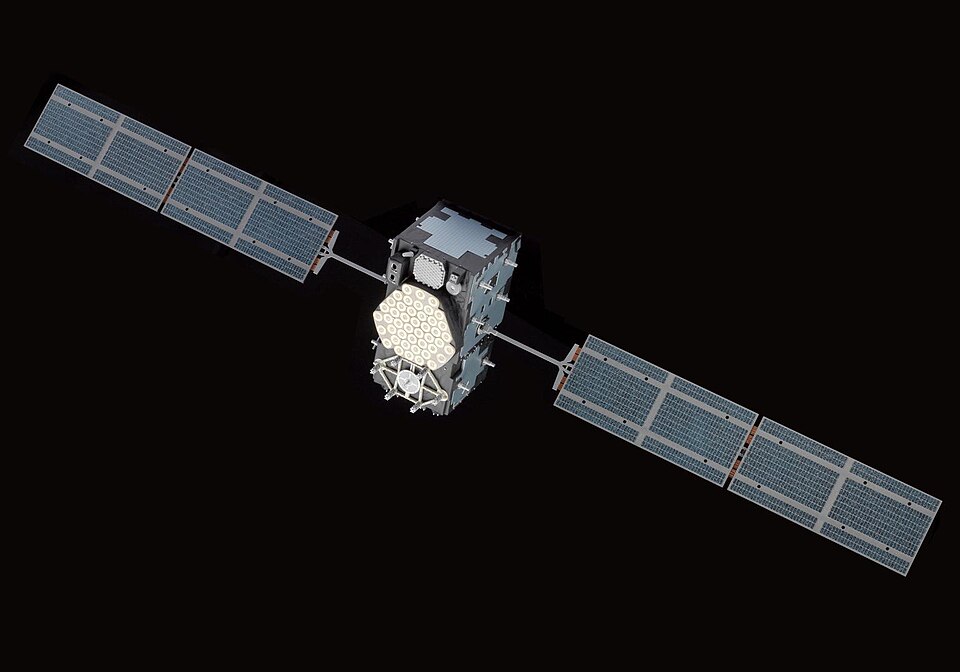
9. Canadian Resilience by Proliferation.
The decentralization of capabilities to many satellites helps SDA to become less vulnerable to anti-satellite weapons and other threats. The proliferated architecture will provide a solution, in that even in the event that the network loses a few of its satellites due to degradation or destruction, operational integrity can still be guaranteed. This is the strength that the PWSA is in its mission of supporting joint force operations in all domains.
The Tranche 3 Tracking Layer is a significant move towards upgrading the U.S. missile defense. SDA built a system, comprising of advanced sensing payloads, interoperable communications and a proliferated architecture, to outpace emerging threats. These satellites will be deployed in the fiscal year 2029, and besides their intended purpose of increasing the defensive posture of the nation, they will be a model of future space-based military networks.


