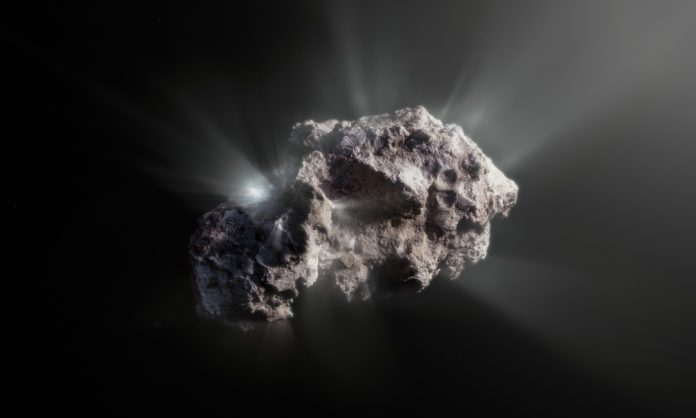
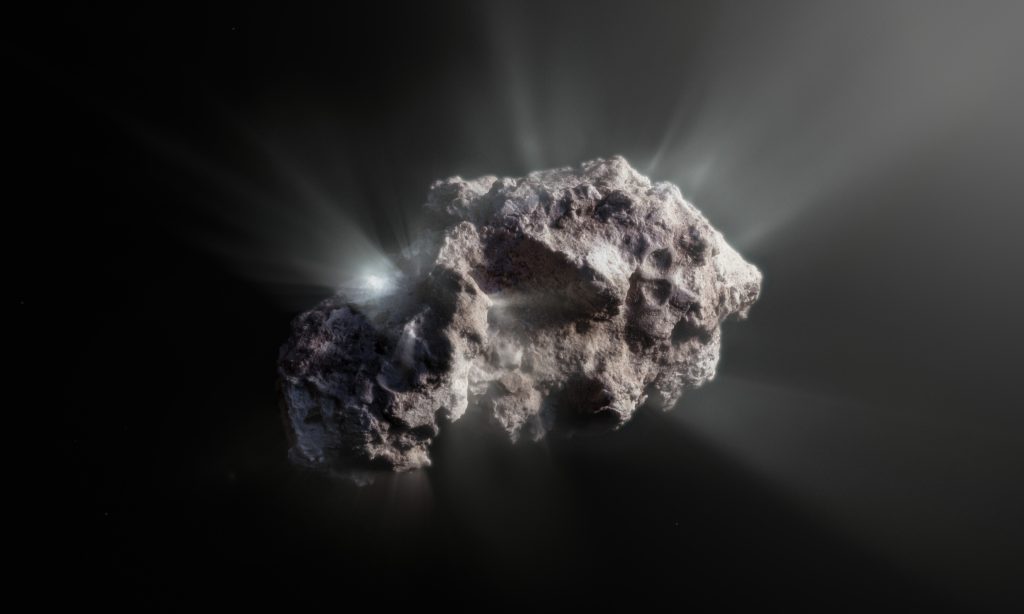
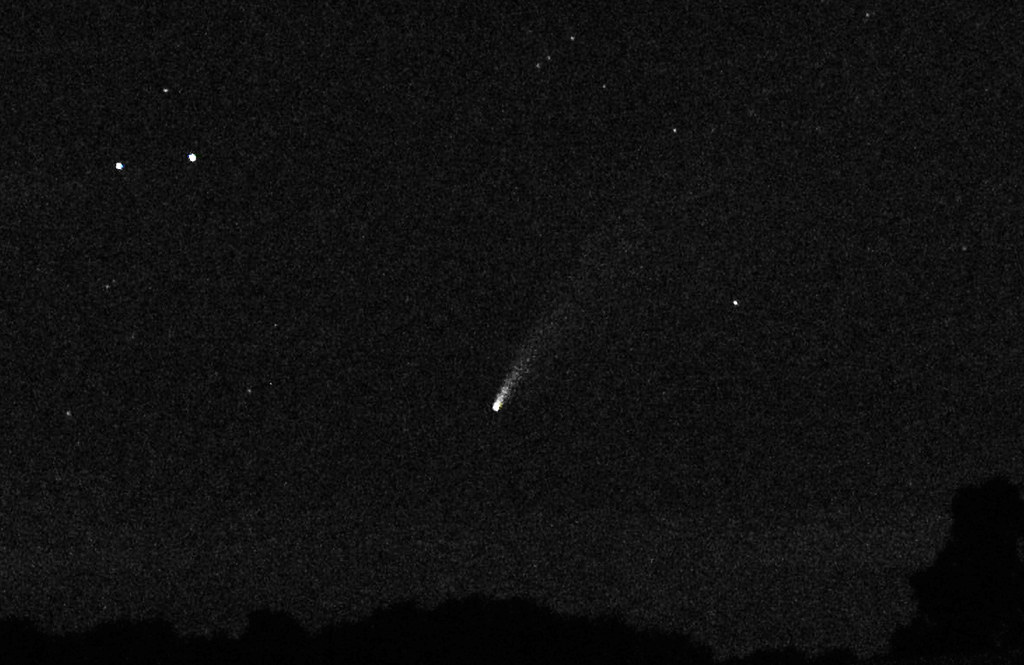
It is not every day that a comet delivers both a chemical puzzle and a galactic travelogue. Yet 3I/ATLAS, only the third confirmed interstellar object to visit the solar system, has done precisely that. Detected on July 1, 2025, by the ATLAS survey telescope in Chile, its hyperbolic trajectory and blistering speed of over 58 km/s mark it as a true outsider destined to leave our system forever after its closest approach to Earth on December 19, 2025. For astronomers, this is a fleeting but profound opportunity to examine a relic from a time and place far removed from our own Sun’s birth.
1. A Galactic Time Capsule
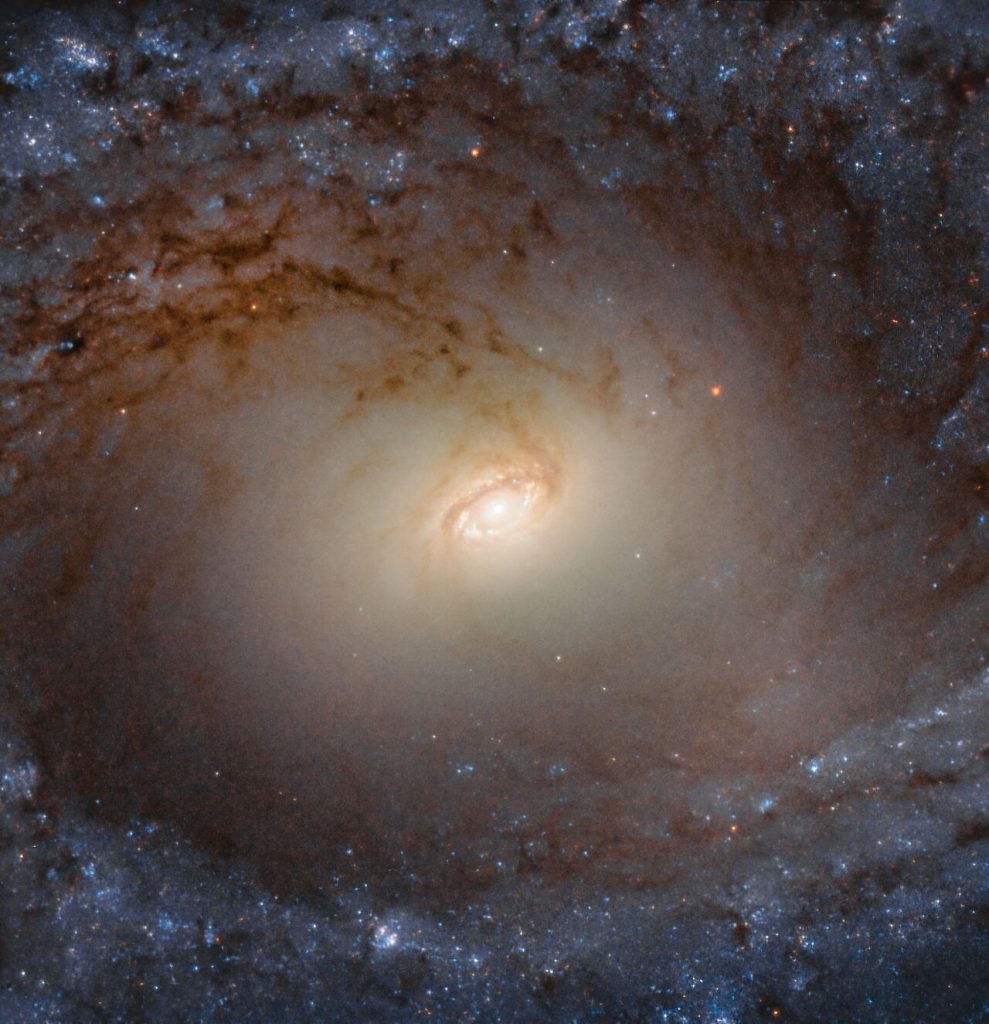
Trajectory modeling places 3I/ATLAS’s origin in the Milky Way’s thick disk, a stellar population dominated by ancient, low-metallicity stars. Estimates suggest an age between 7 and 14 billion years, potentially making it the oldest macroscopic object ever observed in the solar system. Its path through interstellar space likely carried it across giant molecular clouds, star-forming regions, and supernova-enriched environments, exposing it to cosmic rays that may have “cooked” volatile-rich layers on its surface.
2. CHONPS Chemistry and Panspermia Potential
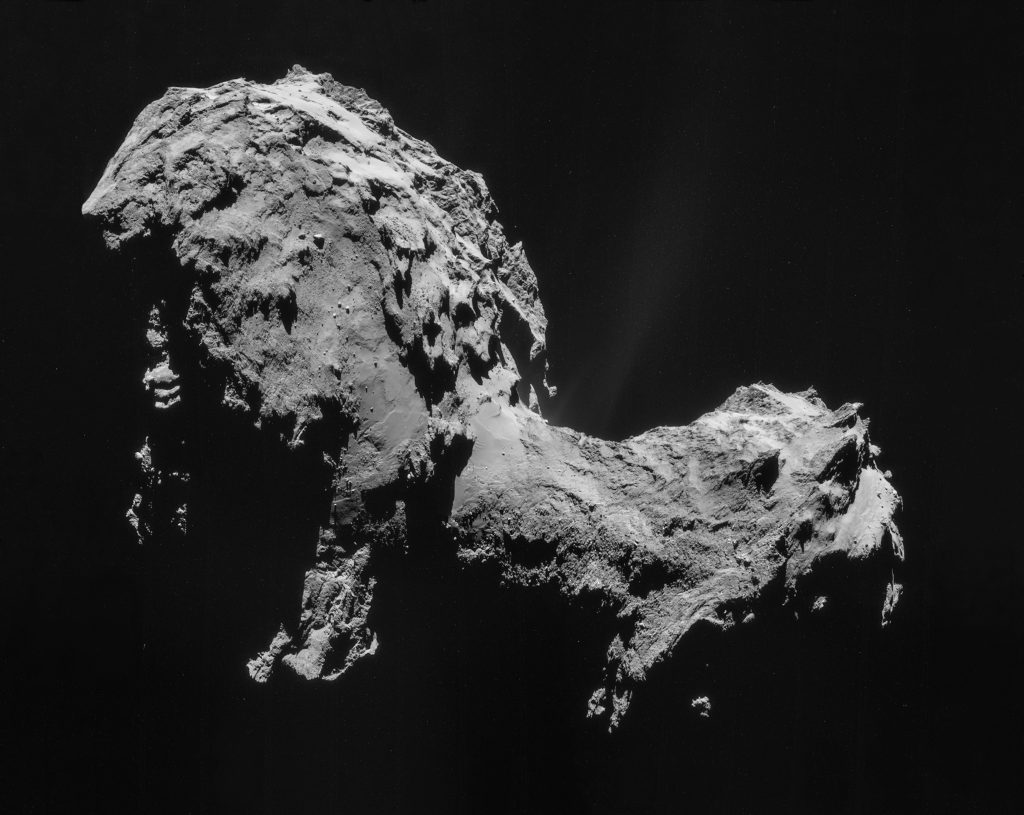
Spectroscopic analysis has revealed an abundance of CHONPS elements carbon, hydrogen, oxygen, nitrogen, phosphorus, and sulfur embedded in complex organics. Tomas Puzia emphasizes phosphorus as a keystone for life’s chemistry, while Maria Elizabete Zucolotto notes the presence of organophosphates and amino acids. Such a molecular inventory resonates with panspermia models, which propose that comets could ferry life’s building blocks between star systems.
3. Methanol and Hydrogen Cyanide Enrichment
Radio observations with ALMA detected hydrogen cyanide production rates of up to 0.5 kg/s and methanol outgassing at a remarkable 40 kg/s about 8% of the comet’s vapor, compared to 2% in typical solar system comets. Martin Cordiner explains, “It seems really chemically implausible that you could go on a path to very high chemical complexity without producing methanol.” Methanol’s role as a precursor to sugars and nucleic acids makes this enrichment a tantalizing clue to extraterrestrial prebiotic chemistry.
4. Nickel Without Iron: A Low-Temperature Mystery
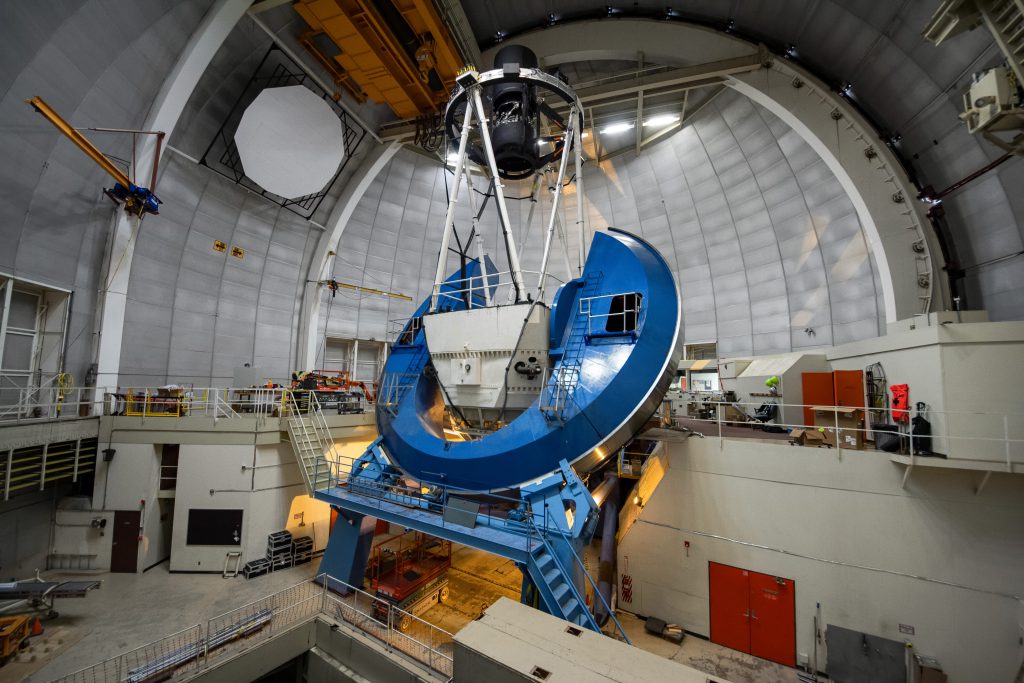
High-resolution spectroscopy from the VLT detected nickel vapor far from the Sun, without corresponding iron signatures. This anomaly suggests nickel bound in volatile molecules such as nickel tetracarbonyl, which dissociate under sunlight at low temperatures. The absence of iron challenges conventional sublimation models and hints at unique formation conditions in the comet’s protoplanetary disk.
5. First X-ray Detection of an Interstellar Comet
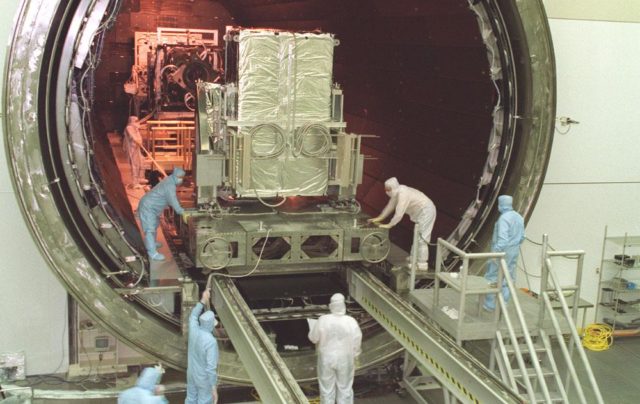
In a milestone for cometary science, ESA’s XMM-Newton and JAXA/NASA’s XRISM captured X-ray emissions from 3I/ATLAS. These arise from solar wind ions colliding with neutral gas in the coma, producing a glow invisible to optical telescopes. XRISM’s wide-field imaging revealed X-ray emission extending 400,000 km from the nucleus, sensitive to light gases such as hydrogen and nitrogen key components for tracing the comet’s volatile inventory.
6. Spacecraft Observations Across the Solar System
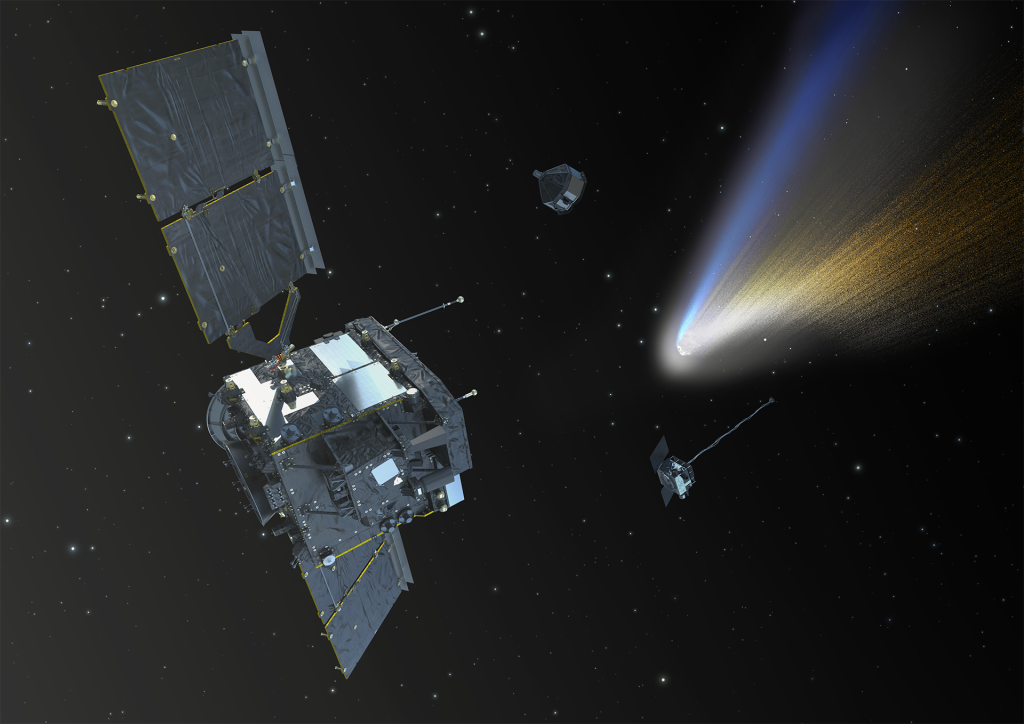
ESA’s Mars Express and ExoMars TGO imaged the coma from 30 million km, while JUICE captured dual tails dust and plasma post-perihelion. Multi-instrument campaigns from missions like Psyche and MAVEN have mapped gas composition, hydrogen halos, and dust dynamics. These coordinated observations create a multi-wavelength profile of the comet’s activity, crucial for modeling its evolution as it departs.
7. Galactic Dynamics and Origin Tracing Challenges
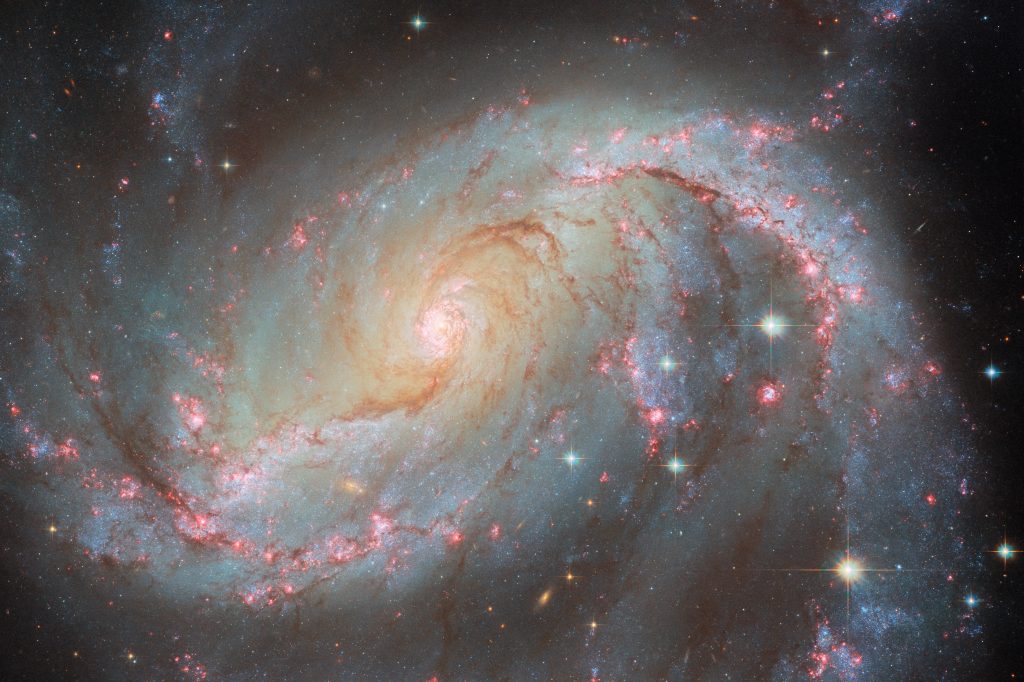
Backtracking 3I/ATLAS’s trajectory to its parent star system is hindered by billions of years of gravitational perturbations from galactic structures. Cristovão Jacques likens the task to reconstructing a “cosmic DNA” record, comparing its chemistry to potential binary star companions. The comet’s thick-disk membership reinforces its status as a fragment from a primordial planetary crust, possibly from a world long destroyed.
8. Implications for Origins of Life Research
The comet’s molecular suite aligns with laboratory pathways for abiogenesis, including hydrothermal vent and hot spring models that synthesize organics under wet-dry cycles or mineral catalysis. Its delivery of CHONPS organics across interstellar distances mirrors panspermia’s central premise: that life’s seeds may be widespread, awaiting suitable environments to flourish.
From its ancient galactic origins to its unprecedented X-ray signature, 3I/ATLAS stands as a rare convergence of astrophysics, astrochemistry, and astrobiology. Each molecule, spectral line, and trajectory calculation adds to a growing portrait of how planetary systems and perhaps life itself emerge and evolve across the Milky Way.


