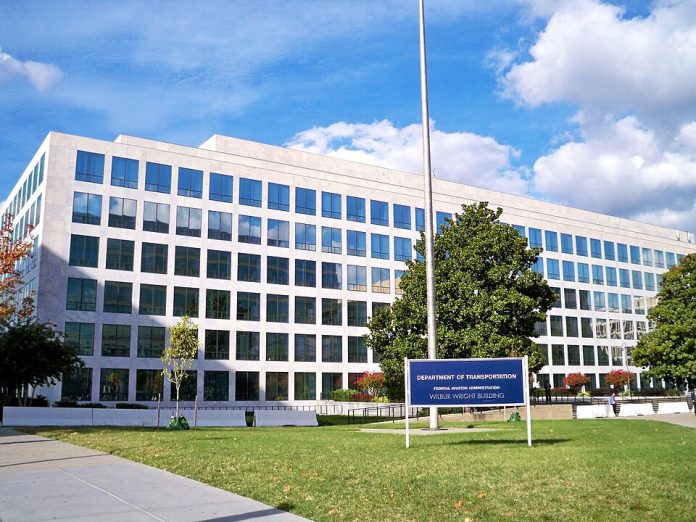
Is it possible to rebuild the most complicated airspace in the world in three years? This is the challenge that the Federal Aviation Administration is confronting as it takes a historic leap in speed on its air traffic control modernization program. The 6 billion initiative that was initially scheduled to last 15 years will now be implemented by 2028 and the procurement, integration and training will now be completed in a fraction of the time initially planned. The stakes are great: the system is still based on the technology of the 1970s and the recent 43-day government shutdown showed how easily the infrastructure and workforce can be exposed.

1. The Fiber Optics and the Death of Copper.
The upgrade has been made possible by a country-wide transition to fiber optic networks of high capacity instead of the copper-based communications. Fiber optics provide very high data transmission rates of more than 1 Gbps and resistance to electromagnetic interference that is very vital in radar and navigation signal quality. This shift will eliminate the analog voice channels with digital data streams and achieve a real-time exchange of surveillance, weather, and traffic information among towers, centers, and aircraft. The FAA Fiber partner, Peraton, will combine with the automated collision-avoidance systems and advanced training simulators and it is projected that ground holds will reduce by 20 percent when fully deployed.

2. Artificial Intelligence-Based Traffic Management.
The overhaul will be dominated by artificial intelligence. Based on the concepts of MIT based Air-Guardian AI copilot, the FAA predictive tools designed are going to use the traffic flow of the current time, trend of the weather, and past delay information to predict the possible bottlenecks in advance. The artificial intelligence algorithms will calculate routing and sequencing dynamically, which will decrease the workload of controllers and improve safety margins. These systems will work in real time as compared to the static scheduling, and this has proved to be successful with the implementation of these systems in European deployments of satellites based navigation systems which have reduced delays by a percentage in the double digits.
3. Lessons of NextGen Stumbles.
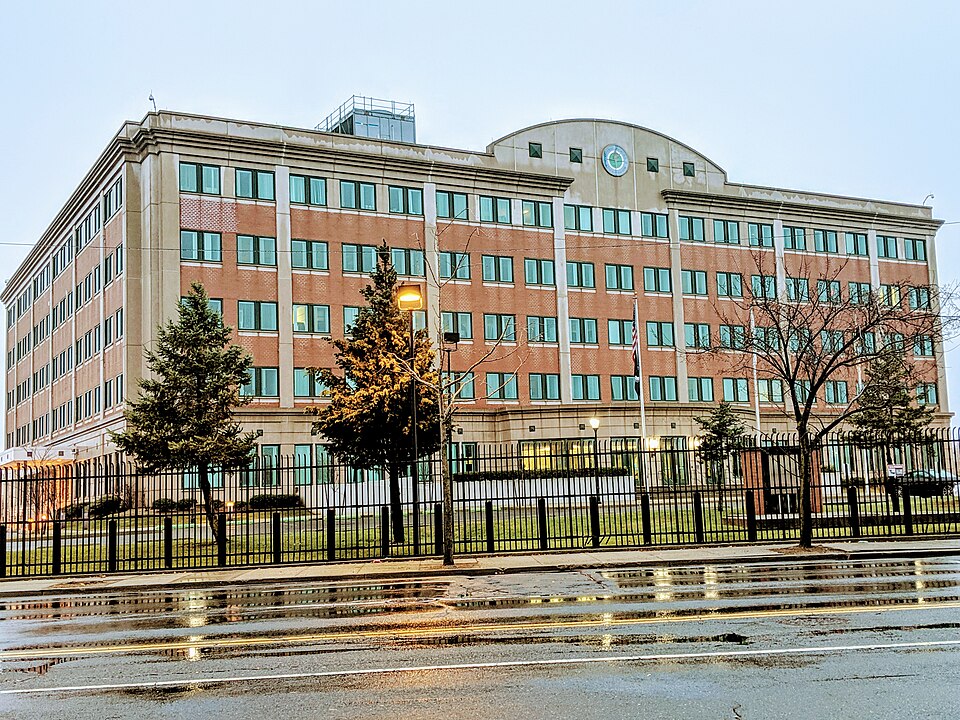
The last modernization initiative by the FAA in NextGen demonstrates the dangers of overambitious schedules. Major undertakings like the NAS Voice System were canceled due to hundreds of millions of sunk cost whereas others like the Terminal Flight Data Manager were delayed by almost three years before being able to come to market. The Oversight bodies faulted the FAA because they did not have current cost baselines and detailed risk mitigation measures. The existing acceleration will demand evading these traps by enacting some form of discipline in program management and increasing control of the contractor.
4. Shut down and Fallout of Crisis Fallout Workforce.
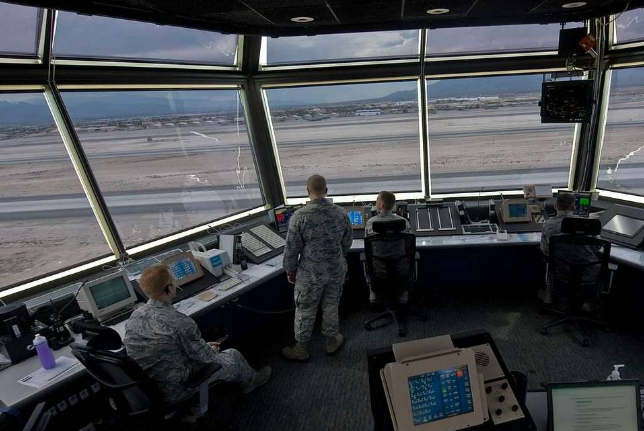
The closure in 2025 exacerbated a controller shortage that had been a decade long. According to FAA data, there are currently facilities running with 70 percent of the staffing capacity with retirements increasing between four and a high of 20 per day during the impasse. Hundreds of trainees were also pushed away by the shutdown thus affecting the talent pipeline. A median controller salary of $144,580 in 2024 was considered a positive figure, but political instability has ruined the reputation of the profession. New AT-CTI collegiate programs include those at Angelo State University, which are designed to increase training capacity, but even training at complex facilities requires years to complete certification.

5. Revival of Privatization Debate.
Disruptions caused by shutdown have rekindled the debate to take ATC off the federal hands. One example of such models is NAV CANADA, a non-profit corporation with its revenues paid by users, which is leading the way in space-based ADS-B tracking. The opponents respond by arguing that the U.S. has a much larger and more complicated airspace and would privatize it, which would take away from smaller airports and general aviation. Though there are policymakers who present the argument that a public utility type would allow bond financing and quicker procurement, the general vote of the aviation industry has moved towards modernization in the FAA structure.

6. International Comparisons and Digital Twin Hybridization.
The international case studies provide useful information. The NATS in the UK and the DFS in Germany have made use of the technology of the digital twin to model and optimize the traffic flow and then apply the procedure changes. In Australia and New Zealand, satellite-based navigation systems have enhanced better fuel efficiency, and eliminated delays, but such countries are less congested in their airspace. In the plan of the FAA, the similar modeling tools are involved in order to test AI-based routing strategies prior to live implementation and reduce operational risks.
7. Economic and Operational Interests.
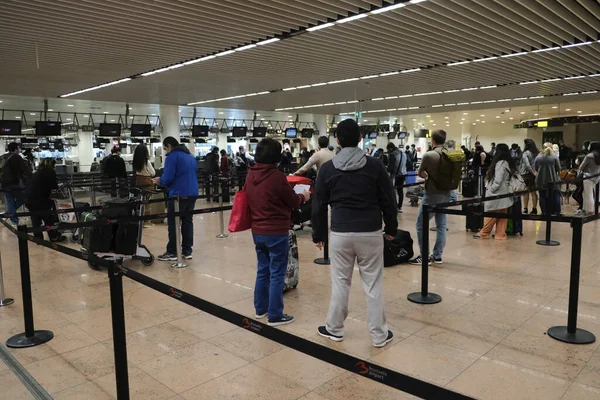
Already, the U.S. economy suffers billions of dollars in outages and delays. As the shutdown happened, airlines suffered hits of hundreds of millions of revenue, and there were cascading cancellations impacting more than five million passengers. The supply chains were disrupted due to delays in FAA certification and the backlog of inspections negatively affecting cargo operations. The hurried modernization is meant to stabilize passenger and freight activities but it will rely on how well it aligns the technology introduction with the workforce recovery.

8. Balancing Speed with Safety
The 3-year timeline of the upgrade of the costly system of up to 6 billion dollars will mean that both new systems and old infrastructure will be installed simultaneously, forming a hybrid system that will only make the process more difficult. The primary challenge will be to train the controllers on AI-enhanced tools and to ensure their operational safety. The FAA officials have emphasized that they will not sacrifice the safety in case of speed, although the tightened timeline will not provide much room to spare.
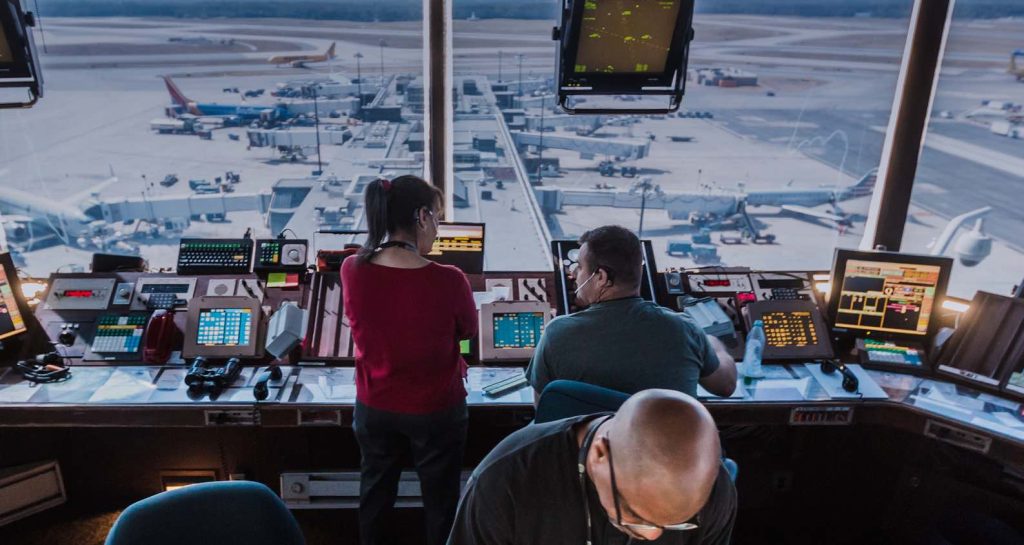
This FAA compression modernization plan is a convergence of political will, technological opportunity and necessity of operation that may not be common. When done accurately, it has the potential to turn the National Airspace System into a robust, AI-powered network that would be able to sustain the high traffic volumes. But the lessons of the modernization efforts that occurred in the past will hang over each milestone, the scars of the 2025 shutdown will be huge.


