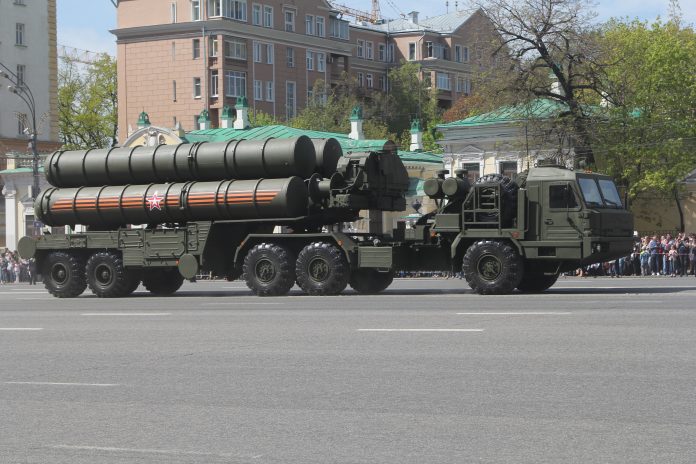
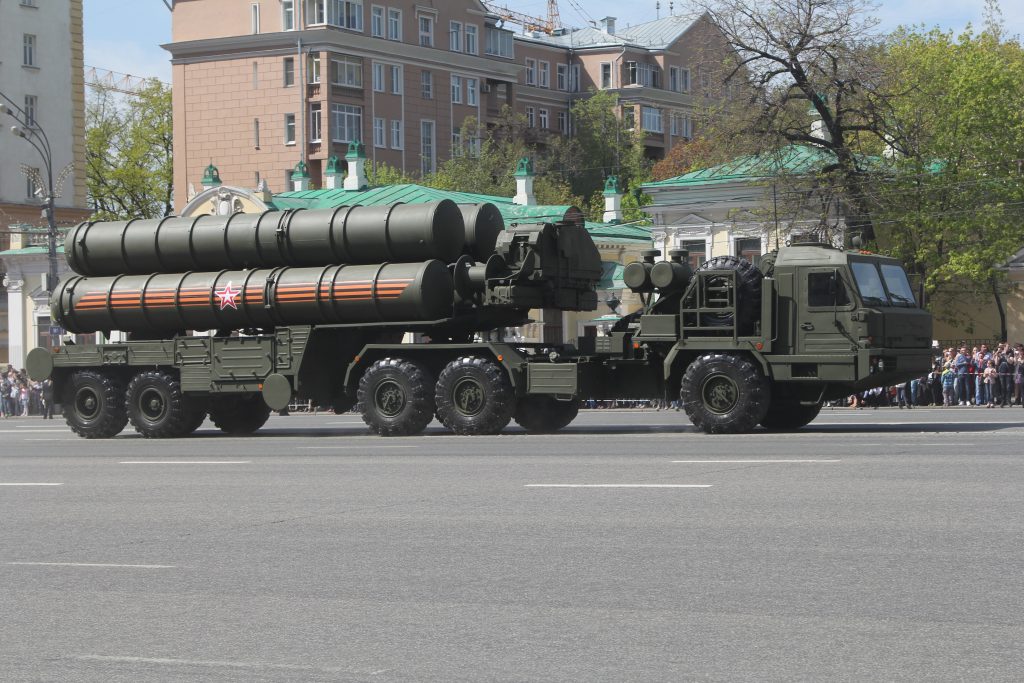
“Even the most sophisticated shield can be pierced.” That adage proved true again on December 14, 2025, when Ukrainian strike drones destroyed two of Russia’s prized S-400 Triumf air defense launchers deep inside Belgorod Oblast. It was more than just a tactical victory; it was a straight hit against one of the mainstays of Russia’s integrated air defense system.
It was no isolated incident. Rather, it speaks to something much larger: a Ukrainian campaign of high-value targets against Russian air defense and aviation, from Crimea deep into the Russian heartland. The S-400 is designed to intercept everything from fighters to ballistic missiles and has been marketed as nearly impregnable. Repeated losses in Ukraine expose vulnerabilities with strategic implications for the balance of airpower in the region.
The strike on Belgorod opens a rare window to the interplay between the most advanced air defense systems, evolving drone warfare, and combat realities versus advertised capability for most defense analysts and military technology observers. Here are nine key takeaways from this high-impact operation.
1. The Strike and Its Execution
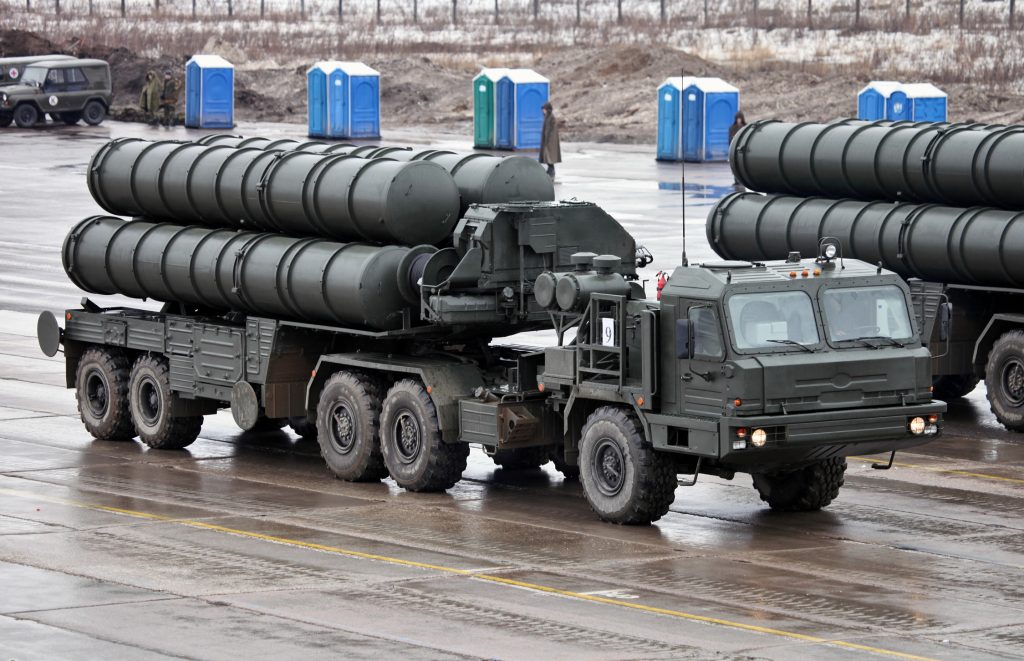
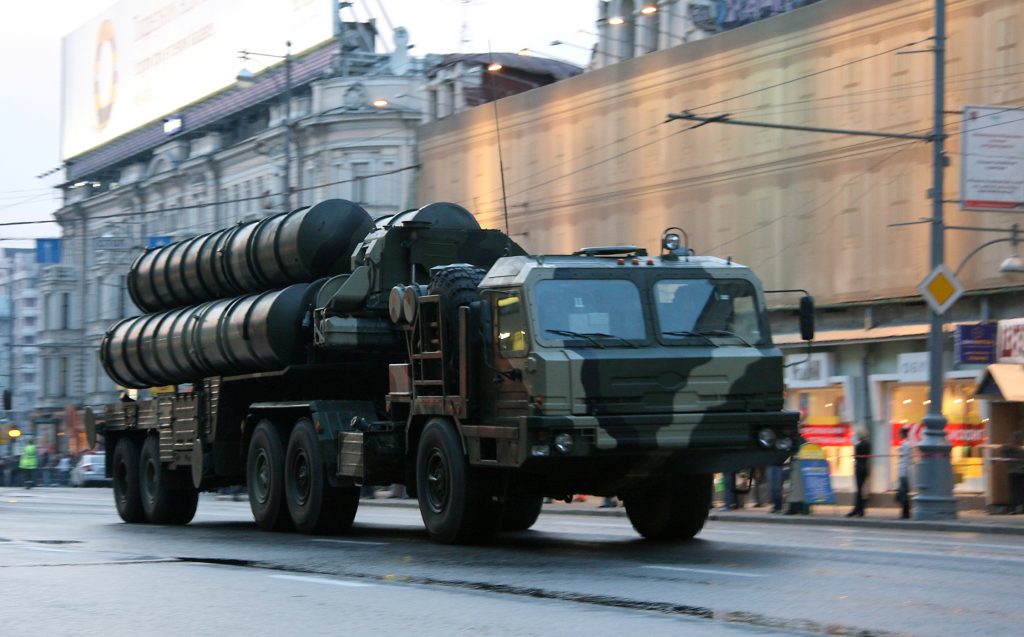
In a surprise strike, on December 14, operators from Ukraine’s 15th Separate Artillery Reconnaissance Brigade, nicknamed “Black Forest”, launched strike drones against a convoy carrying S-400 launchers belonging to Russia’s 568th Air Defense Missile Regiment close to Verkhny Olshanets, approximately 50 km from the Ukrainian border. Video published by the General Staff of the Armed Forces of Ukraine shows the launchers driving along a dirt road – reportedly during a change of combat position – before being struck. The strike took out two 5P85SM2-01 launchers along with their ammunition – four 48N6DM missiles capable of targeting aircraft as well as cruise missiles out to ranges as great as 250 km.

2. Deep Penetration into Russian Territory
A strike deep inside Belgorod Oblast highlights Ukraine’s increased capability to conduct precision attacks in areas well beyond the immediate front line and-by implication-will force Russia to reassess the security of assets hitherto considered safe in rear. This is a demonstration of the apparent operational reach of Ukrainian long-range drones after similar strikes against airbases and radar installations across Crimea and other parts of Russia.
3. Role of S-400 in Russia’s Air Defense
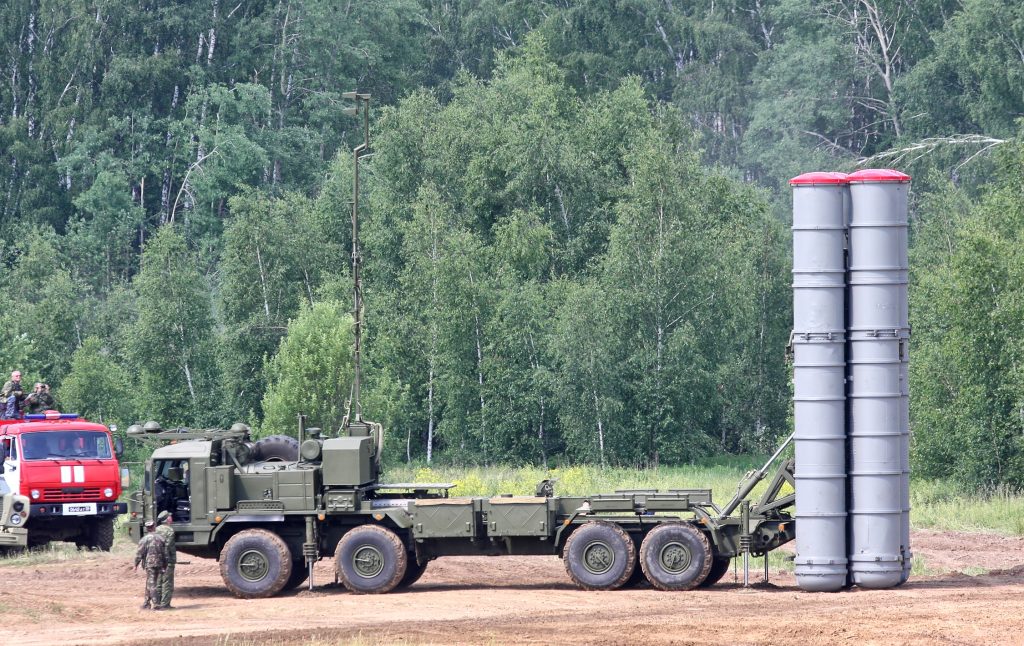
The S-400 forms the backbone of Russia’s so-called layered integrated air defense, fusing long-range surveillance radars, digital command links, and a family of missiles designed to counter everything from low-flying drones up to high-altitude ballistic targets. It protects key military sites, infrastructure, and border regions, deployed in strategic locations, from Kaliningrad to Syria. Each launcher carries four missiles and can become operational in a matter of minutes to provide a rapid-response capability against an incoming threat.

4. Technical Capabilities and Limitations
The 91N6E panoramic radar is able to monitor hundreds of targets, whereas the 92N6E fire-control radar is able to target 36 targets simultaneously. Its missile inventory runs the gamut from the 40N6E, whose reach is said to be as far as 400 km, right down to the very agile 9M96 for close-in defense. To be sure, as former US Navy Operations Specialist Eric Wicklund did note, the issue of detection by low-frequency radar of stealth aircraft does not equate to a weapon’s lock-in time to attempt an intercept – a limitation that might very well extend to small, low-RCS drones when they exploit terrain and timing.
5. Combat Performance in Ukraine
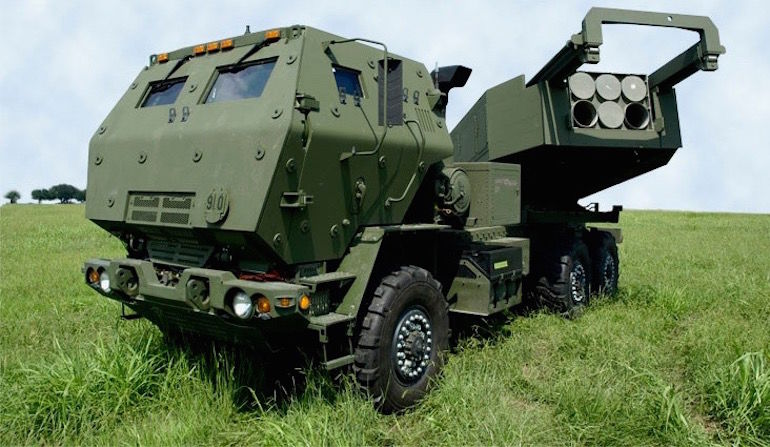
Battlefield evidence also indicated several batteries destroyed by Ukrainian strikes, while Russia has claimed the S-400 has intercepted Western munitions such as HIMARS rockets and Storm Shadow missiles. The losses in Crimea, including the losses of radars and launchers at Belbek Air Base, were similar to the Belgorod incident. These repeated penetrations point to possible weaknesses against coordinated saturation attacks and against mobile, low-signature threats.

6. Integration with Other Systems
In the Russian IAD, the S-400 works in concert with other systems like the S-350 and Pantsir-S1/S2, and also the electronic warfare items Krasukha and Murmansk-BN. The intention is that such a multilayered structure provides redundancy and resilience-the weaknesses of one layer being covered by another. However, the Belgorod strike serves to show how, when one layer may be in transit or without full situational awareness, then the protective network can be compromised.
7. Strategic and Geopolitical Impact
The destruction of the two loaded S-400 launchers thus serves materially and psychologically. Materially, it reduces available air defense coverage in a sensitive border region. Psychologically, it speaks to challenging Moscow’s narrative of invulnerability that may influence the calculations of foreign buyers such as India and Turkey, which have invested heavily in the system. This also sends a message to the NATO planners: Russian IADs are formidable but not impervious.
8. Ukrainian Strike Campaign Beyond Belgorod
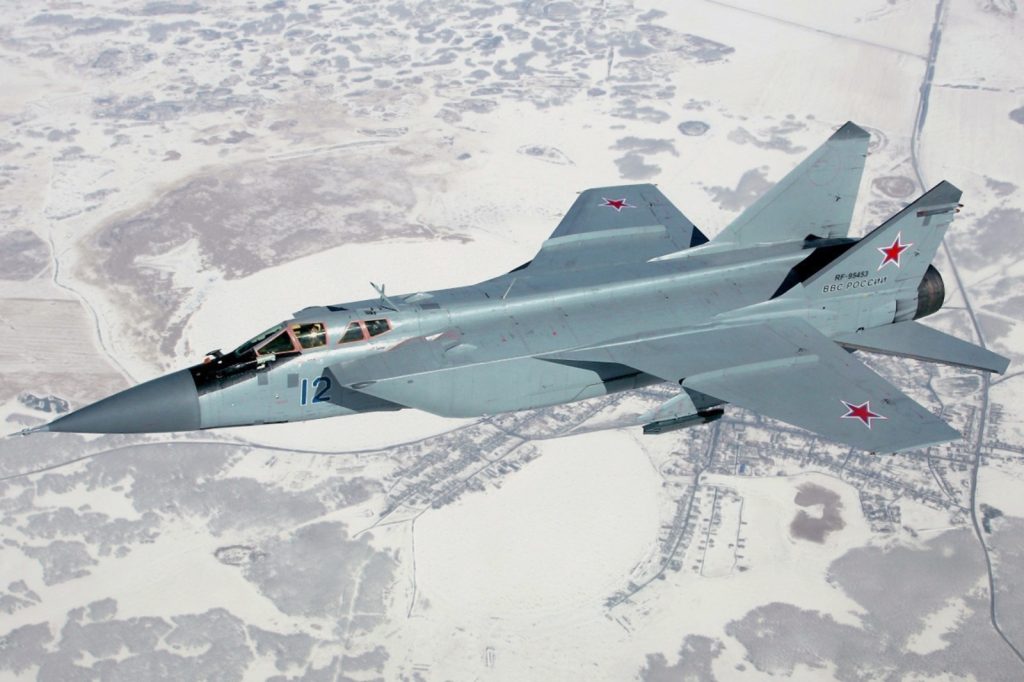
The Belgorod operation comes as part of the wider Ukrainian effort targeting Russian air defense and aviation assets. Since the last several days, Ukrainian drones have stricken Belbek Air Base, destroying or damaging a MiG-31, Su-27s, Nebo-SVU radars, a 92N6 radar, and a Pantsir-S2 system. This, according to the Security Service of Ukraine, is “systematic work” to degrade Russia’s echeloned defenses in Crimea and beyond and reduce its ability to contest Ukrainian air operations.

9. Lessons for Modern Air Defense
The Belgorod strike reinforces lessons for modern air defense: mobility and rapid redeployment are effective only if matched with persistent situational awareness, even advanced systems may be vulnerable during movement, and small, precise, long-range drones can neutralize high-value targets without exposing manned aircraft. For NATO and other militaries, it reinforces the requirement for multi-domain suppression of enemy air defenses-SEAD-that integrates cyber, EW, and kinetic strikes to overwhelm layered defenses.
Still, the December 14 Belgorod strike moved beyond that of a tactical success-a real-life demonstration of how the constantly evolving capabilities of drones pierce even the most modern air defense systems. For Russia, it has driven home the need to change its deployment and protection strategies for high-value assets. For Ukraine, it has validated a campaign of deep strikes aimed at whittling down the enemy’s defensive shield. And for military analysts, it offers a case study in the gap between theoretical performance and battlefield reality.


