“It’s not stealth, it’s not speed – it’s sheer volume. China’s Jiutian unmanned mothership isn’t built to slip past radar or outrun interceptors; it’s built to unleash a hundred autonomous attackers at once. In a battlespace where even the most advanced warships and airbases can be swamped by low-cost threats, that’s a dangerous equation. The Jiutian’s maiden flight in Shaanxi Province marks a pivot in Beijing’s unmanned warfare doctrine.
Officially pitched as a modular, civil-use workhorse, its real disruptive potential lies in acting as a high-altitude launchpad for swarms of smaller drones, sensors, and weapons. With endurance, payload, and range that put it in the class of narrow-body airliners, Jiutian could redefine how China projects power across the Western Pacific. What follows are nine key takeaways from the Jiutian program and its strategic context – from its technical specifications to the swarm tactics it enables, and the vulnerabilities it exploits.
1. A Heavyweight in the UAV Class
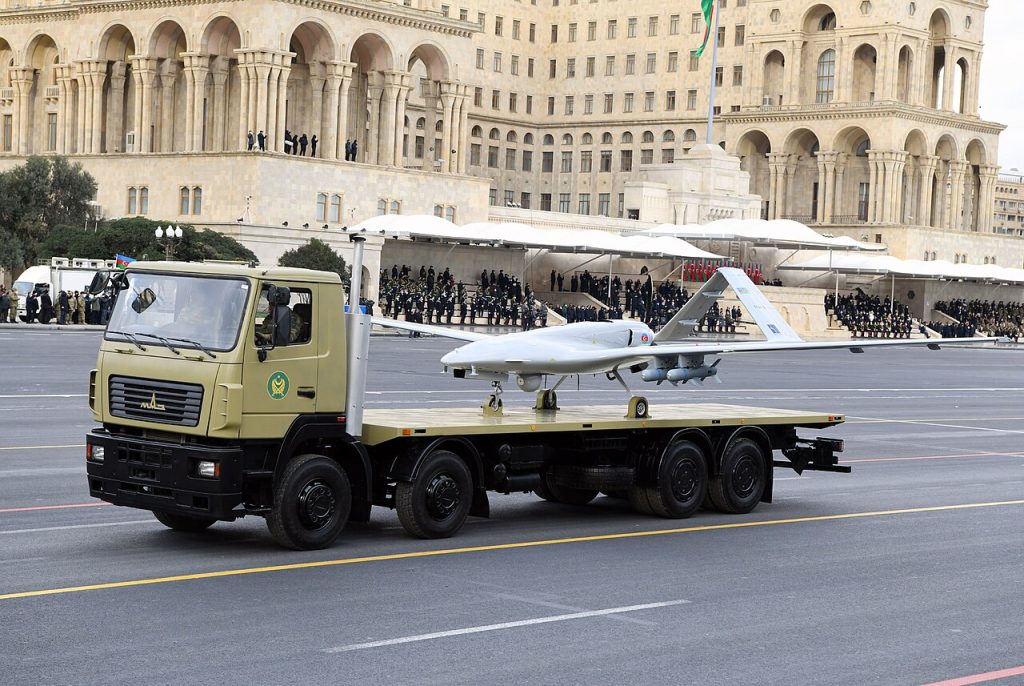
At 16.35 meters long, with a 25-meter wingspan, Jiutian dwarfs most armed drones in service today. Its maximum takeoff weight of 16 tonnes and 6,000-kilogram payload put it far ahead of China’s Wing Loong series and even the U.S. MQ-9 Reaper in capacity. Endurance is equally impressive: up to 12 hours aloft and a ferry range of 7,000 kilometers. AVIC’s design features a high-mounted wing, H-tail, and rugged landing gear; suggesting it can operate from austere forward strips. This size class sacrifices stealth for payload and persistence. Jiutian’s mission profile is not front-line penetration but standoff deployment – staying outside contested zones while delivering smaller autonomous systems deep into them.
2. The Isomerism Hive Module
Perhaps the most attention-grabbing feature is Jiutian’s internal drone bay – the so-called Isomerism Hive Module. According to open-source assessments, it can house and deploy more than 100 small drones, including loitering munitions and FPV kamikaze UAVs. Variants of the module use either square-cell matrices or cylindrical launch tubes, which enable mixed quadcopter and fixed-wing payloads. This modularity allows it to rapidly swap between swarm, cargo, or fuel modules. For military use, this means that Jiutian can switch from saturation strike missions to ISR or electronic warfare roles without structural modification.
3. Swarm Tactics at Scale
Swarm missions mean dozens or hundreds of drones that act in coordination, sharing data and adjusting in real time. The capability of the swarm grows dramatically with Jiutian acting as a mothership, and allows for distributed AI-driven attacks to saturate radar systems, blind defenses against missiles, and strike a number of targets at once. Unlike individually piloted UAVs, the drones of swarms work semi-autonomously, the difficulty of intercept increasing alongside an improved adaptability to shifting conditions on the battlefield. Missions could include suppression of enemy air defenses, jamming communications, and multi-axis saturation strikes.
4. Strategic Threat to Taiwan and U.S. Pacific Assets
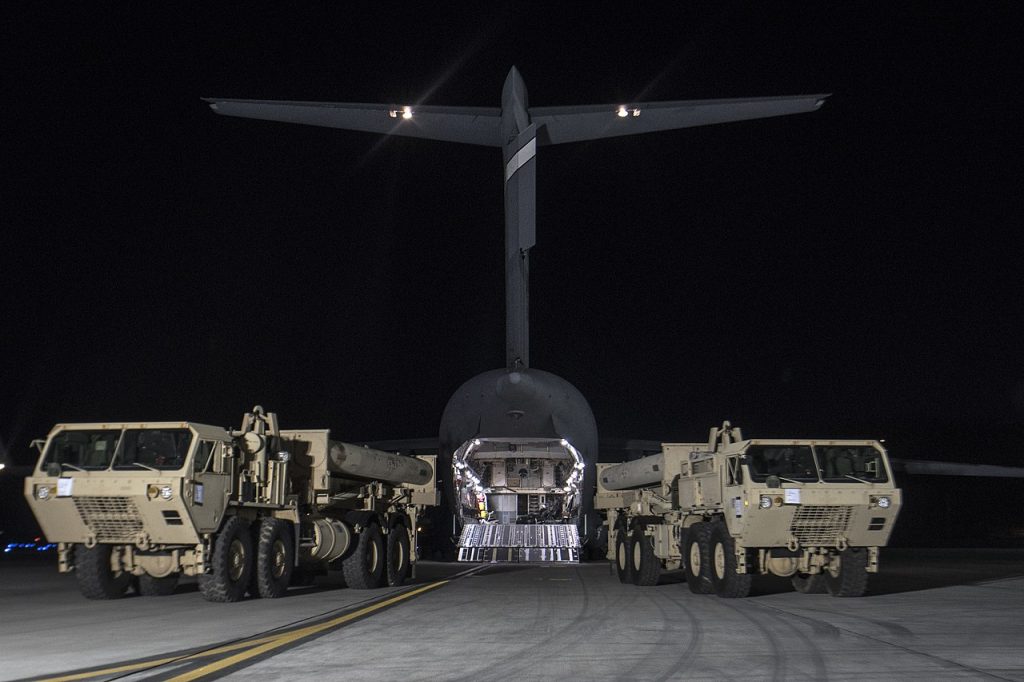
Analysts at the Center for Naval Analyses warn that Jiutian’s swarms could spearhead a Taiwan invasion by overwhelming layered air defenses in a first wave. Forward-deployed U.S. assets in Guam, Okinawa, and the Philippines would also be within operational range. These swarms could target airbases, missile sites, and naval ports, exploiting the lack of hardened aircraft shelters across much of the Pacific. Even advanced systems like Aegis and THAAD may struggle against low-cost, high-volume threats launched from standoff distances.
5. Lessons from Ukraine’s Operation Spiderweb
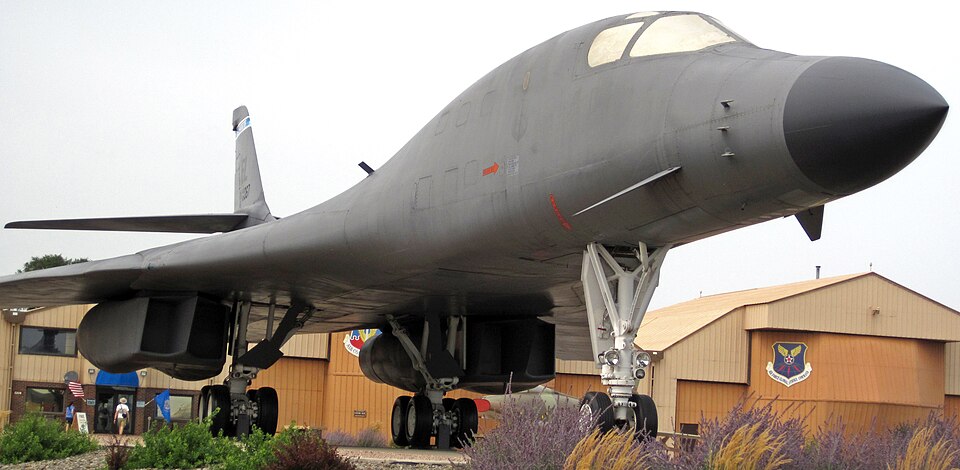
China’s state media has shown renderings of Jiutian launching swarms reminiscent of Ukraine’s July 2025 Operation Spiderweb, which destroyed a significant portion of Russia’s strategic bomber fleet. That attack succeeded largely because the bombers were parked in the open. The implication for U.S. and allied forces is clear: without protective shelters, aircraft are vulnerable to swarm strikes, regardless of their technological sophistication.

6. Dual-Use Design Philosophy
AVIC touts Jiutian’s civil functions-heavy cargo transport to inaccessible areas, emergency communication, disaster response, and resource surveying-in a framing of dual use that parallels China’s larger aerospace approach, where civilian innovation underpins military capability. Such interplay complicates foreign intelligence evaluations and export control systems, given the potential for ostensibly commercial platforms to be militarized in short order.
7. Technical and Operational Limitations
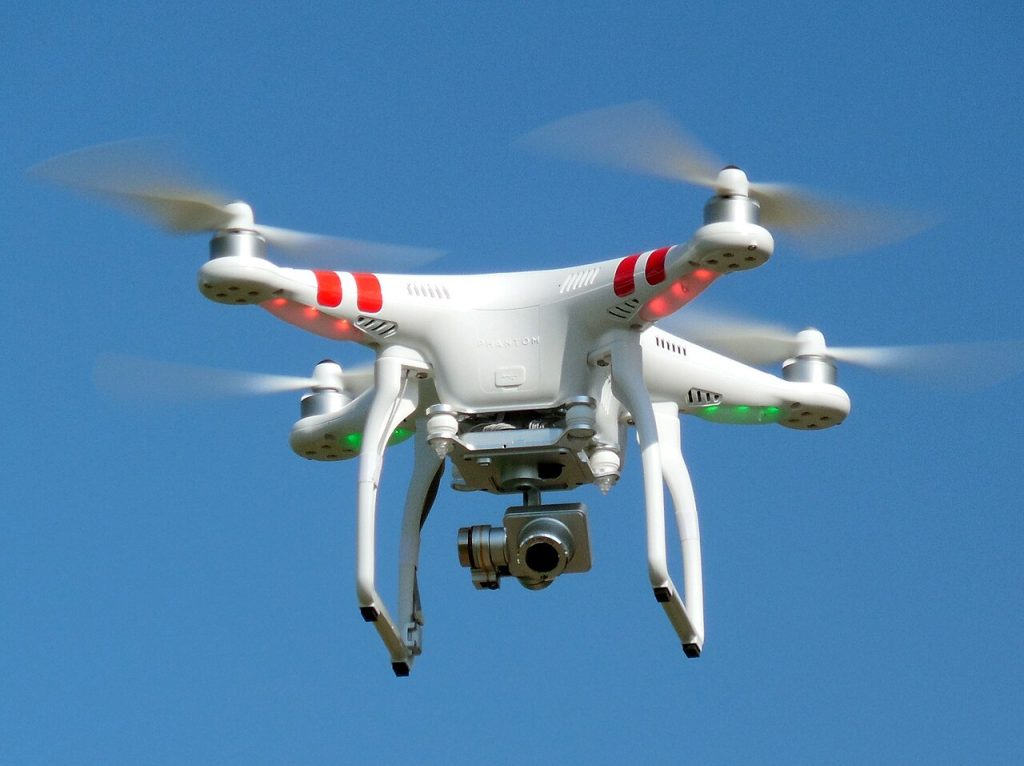
Experts like RAND’s Caitlin Lee explain that small FPV drones cannot function properly out at Jiutian’s maximum altitude, meaning deployment would require the mothership to descend into engagement zones, vastly increasing exposure to surface-to-air missiles. Current autonomy levels also fall short of true swarming-many FPVs require one-to-one human control in a way that requires satellite relays and risks signal disruption. Until AI allows for fully autonomous coordination, the swarm potential of Jiutian remains at least partly aspirational.
8. The Global Context: The Drone Carrier Race
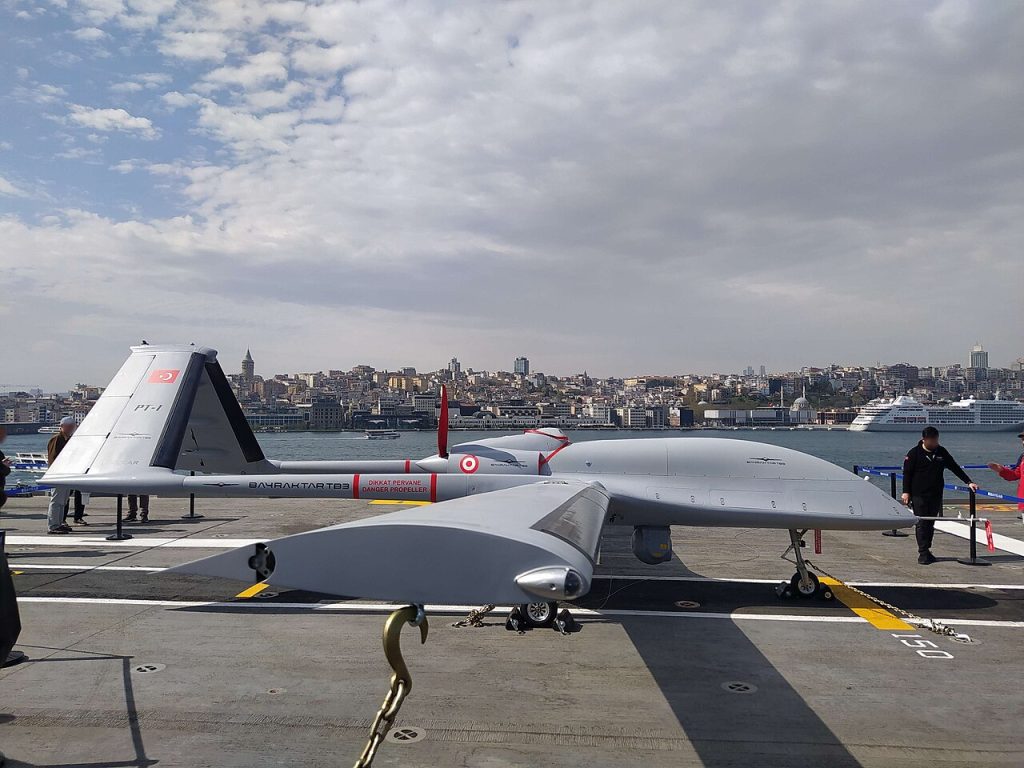
Jiutian reflects a broader trend toward unmanned motherships. China’s maritime counterpart, the Zhong Chuan Zi Hao, and platforms like the Type 076 amphibious assault ship represent a multi-domain approach. Other nations-from Iran’s retrofitted merchantmen to Turkey’s TB3-equipped Anadolu-are pursuing their own drone carrier concepts. These vessels and aircraft offer persistent ISR and strike capabilities at lower cost and risk than traditional carriers, reshaping naval and aerial power projection.
9. U.S. Parallel Developments
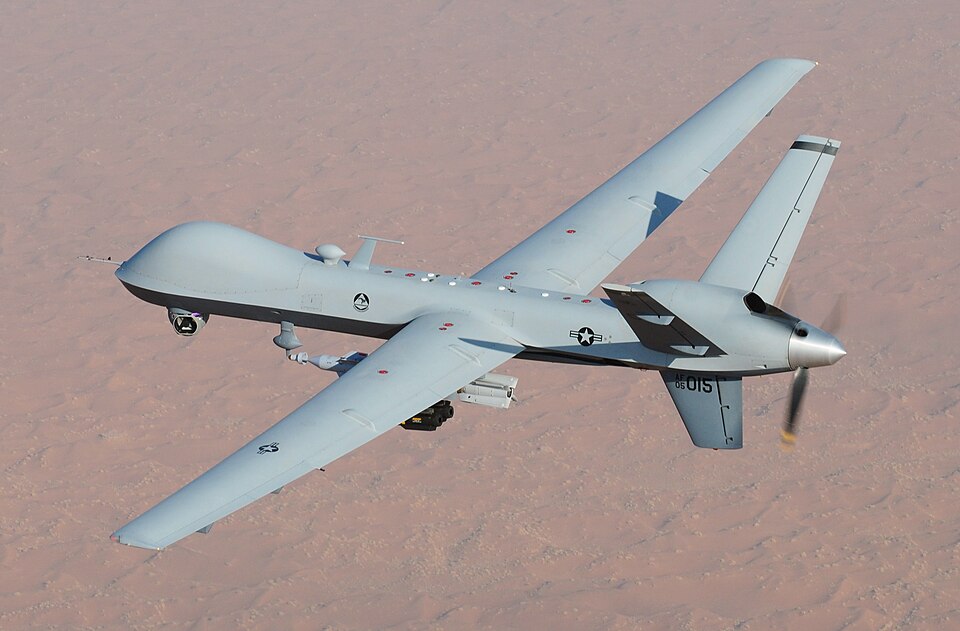
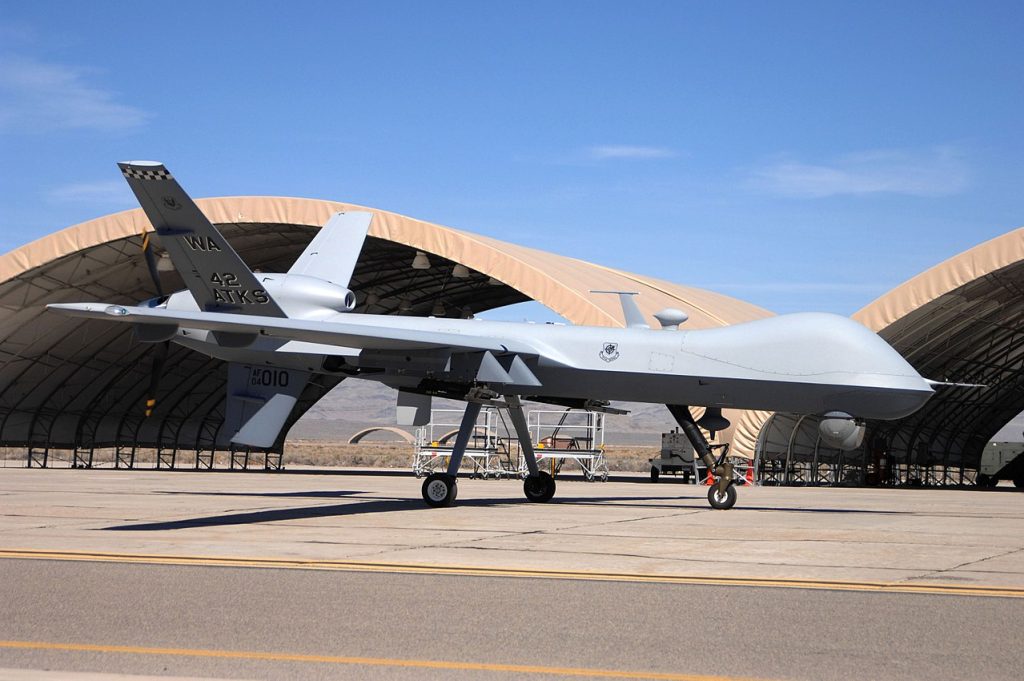
Similar concepts are being experimented with by the U.S., such as the MQ-9A Reaper’s air launch of Switchblade 600 loitering munitions. This extends the Reaper’s reach to precision strikes from standoff distances, handing off control to forward operators. Such Air-Launched Effects mirror the same logic of Jiutian: use a large unmanned platform as a node for many smaller, expendable systems, to distribute lethality and sensing across contested theaters.
In that sense, Jiutian’s emergence signals a doctrinal shift: China is betting on mass, autonomy, and modularity to offset traditional U.S. advantages in stealth and precision. Whether the platform’s swarm capabilities are fully mature or still experimental, its strategic implications are immediate. In the next Pacific conflict, the decisive factor may not be who fields the most advanced aircraft, but who can generate and survive the largest, most coordinated wave of unmanned attackers.


