“How long can a military maintain itself while incurring drastic numbers of loss before the effectiveness of its forces begins to disintegrate?” As of 1,393 days into the war between Russia and Ukraine, new information from Ukraine’s military leaders provides a disturbing insight into the level of loss incurred by Russia, but what has emerged over recent weeks are some highly indicative trends regarding technology, tactics, and positioning that could completely redefine this war.
For military researchers and observers of military technology, these are more than numbers it’s the shift in the operational reality that these numbers portend. From underwater drone strikes against high-value naval targets to the deployment of weightier warhead options within range-capped UAVs, the technology side of the war is picking up momentum. Meanwhile, the territorial advances of Russia continue in an incremental manner, in terms of square miles covered, which speaks again to the tedious reality of this conflict.
“This list encapsulates the most important events with current reporting period information, integrating death tolls, lost equipment, and operating advancements into a broad-picture view.”
1. Russian Personnel Losses Exceed 1.19 Million
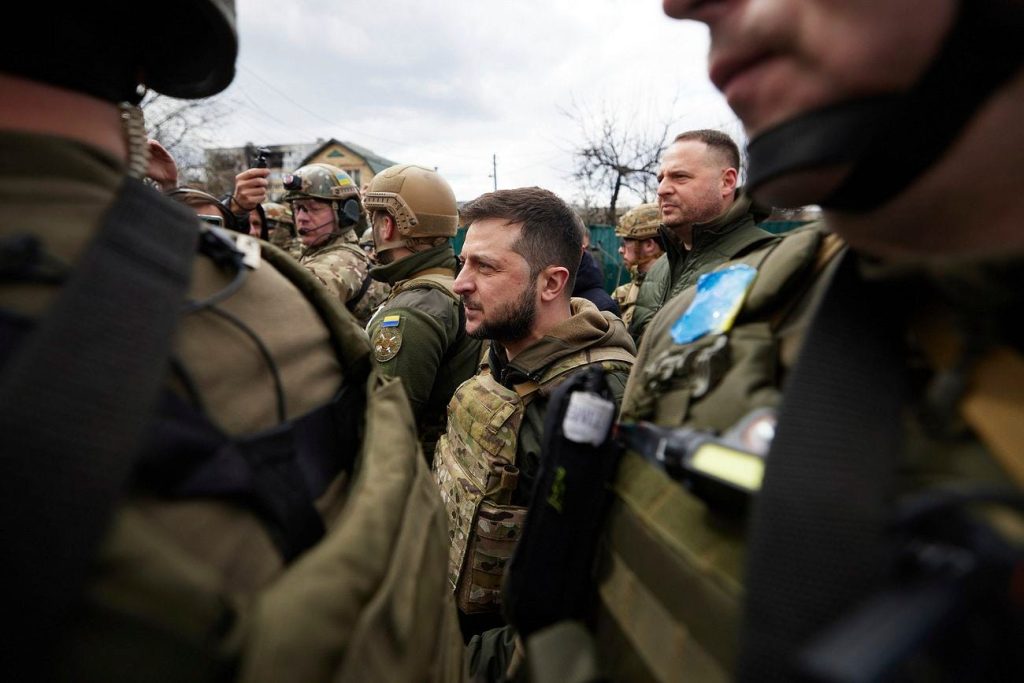
According to the General Staff of the Armed Forces of the country, the cumulative number of Russian losses has reached 1,192,350 as of December 17, 2025, with a new addition of 1,730. These numbers, although disputed by the Russian government, correspond with several estimates indicating anywhere between 950,000 and a million casualties for the Russians by 2025. The pace of depletion has been catastrophic, with estimates indicating that Russia has lost around 83 troops for every kilometer squared conquered within the year.
Such setbacks put additional pressure on Russia’s force-generating capabilities, which have mainly been dependent on voluntary enlistments with huge financial rewards. According to ISW, the policy is experiencing diminished marginal returns, thus plans for involuntary mobilization of non-active reserves in 2026.
2. Heavy Armor and Vehicle Losses
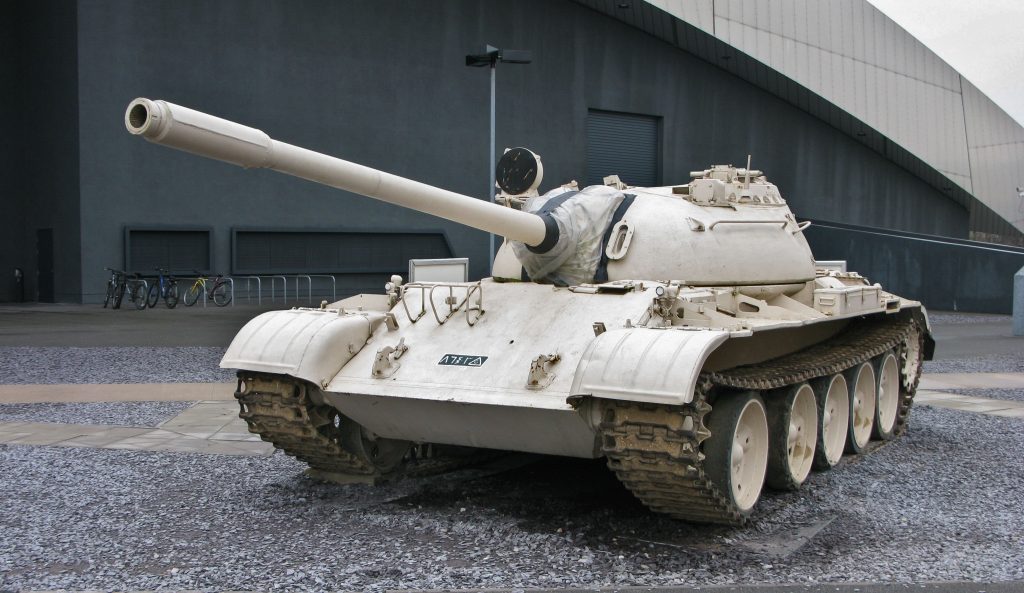
According to the most recent figures from Ukraine, a staggering 11,427 tanks and 23,758 APCs have been destroyed or put out of action. Open-source tracking projects such as Oryx confirms that catastrophic losses have been sustained – in access of 4,000 main battle tanks and 8,800 AFVs as of mid-2025. These losses comprise between 121%-143% and over 60%, respectively.
Losses of such severity have made Russia resort to using older platforms such as T-55/54 MBTs and BMP-1 IFVs, usually employed for frontal assault missions with makeshift armor. Further depleting other stocks, such as T-90M main battle tanks, has made Russia unable to engage extensively in any kind of major mechanized attack.
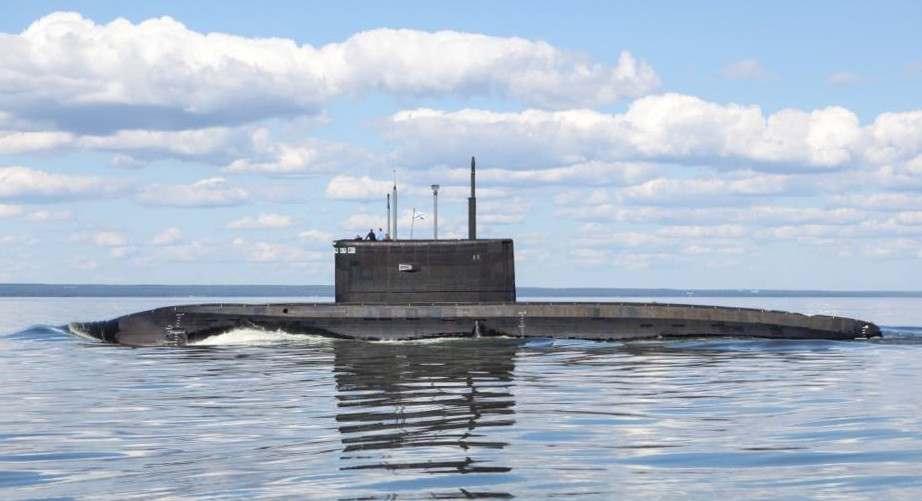
3. Underwater Drone Strike on Kilo-Class Submarine
On December 15th, the SBU and the Ukrainian Navy attacked an ‘Improved Kilo-class’ submarine with the use of an ‘Sub Sea Baby’ UUV in the port of Novorossiysk. The video shows damage from the stern with a huge blast that has disabled the propulsion and control planes. Regardless of the fact that this ship can float, it is considered a complete loss throughout the war due to the absence of Russian Black Sea capabilities for repairing its submarines.
The strike circumvented the-floating barrier defense system, which was intended to protect surface drones, thus demonstrating the weakness of Russian maritime forces to UUV attacks. The strike weapon may potentially target high-value assets such as the Kerch Bridge, which has vulnerabilities that the strike has exploited.
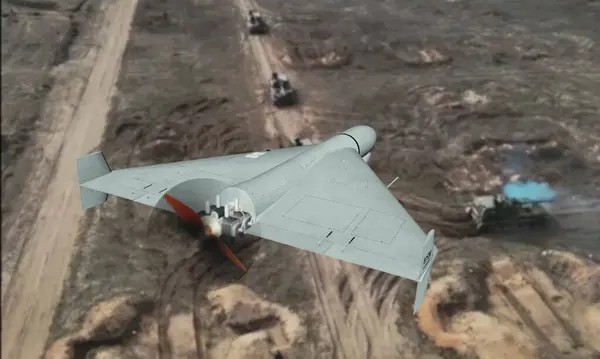
4. Russia’s Dual-Warhead UAV
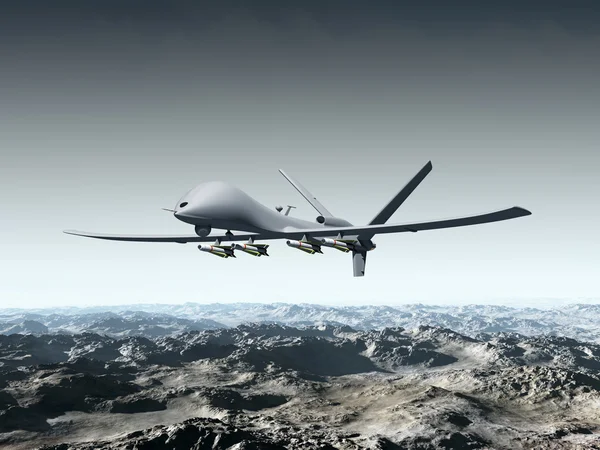
The Russians have started using the Geran 2 one-way strike drones, equipped with double 50 kg high-explosive incendiary warheads, for the total weight of 100 kg. Indeed, Serhiy Beskrestnov, a Ukrainian expert, has confirmed, according to the analysis of the debris, that the setup is no longer experimental.
This upgrade places the Geran 2 into a weight class that is capable of causing structural damage to hardened threats using fewer drones than the previous version. The new design incorporates mutual standards for production and tactical flexibility on the munition design, although weight increments may see reduced range capabilities for these new variants.
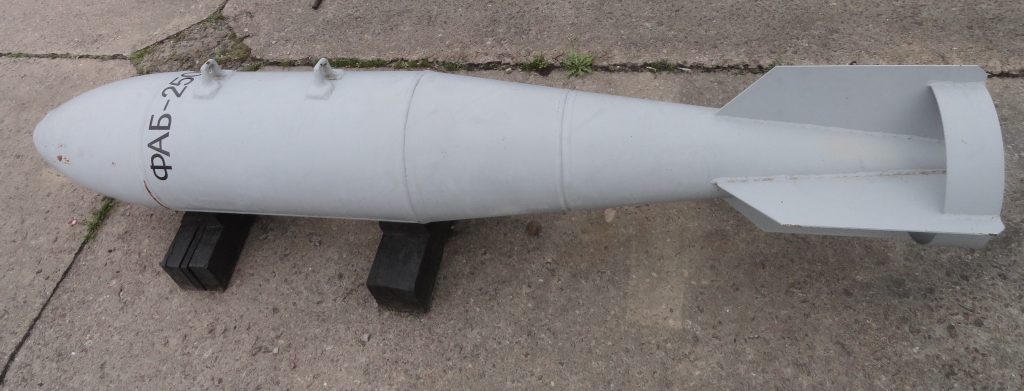
5. Kamikaze UGV with Captured FAB-250
Ukraine’s 100th Mechanized Brigade used a kamikaze UGV carrying a captured FAB-250 airbomb to blast Russian fortifications. This device was originally a logistics robot but was retrofitted to deliver the 250 kg payload to target.
Though the price per strike may be above one million hryvnia ($20,000-$25,000) per strike, there is no risk of air vehicles being endangered over contested airspace. Experts point out that these UGVs serve a specialized purpose, offering a complement to FPV drones for precision strikes of fortified positions.
6. Russian Incremental Territorial Expansion
November 18 through December 16, the Russians increased their control over Ukraine by 215 square miles, whereas in the earlier period, it was 169 square miles. But in the last week, the increase was very low at 9 square miles. Average monthly increase since January 2025 is 176 square miles.
Nevertheless, these gains, which have largely been in areas like Pokrovsk and Hulyaipole, have continued to be slow and expensive. According to ISW, taking fortified areas like the “Donetsk’s Fortress Belt” could take two to three years, with very heavy losses.
7. Cognitive Warfare and Negotiation Pressure
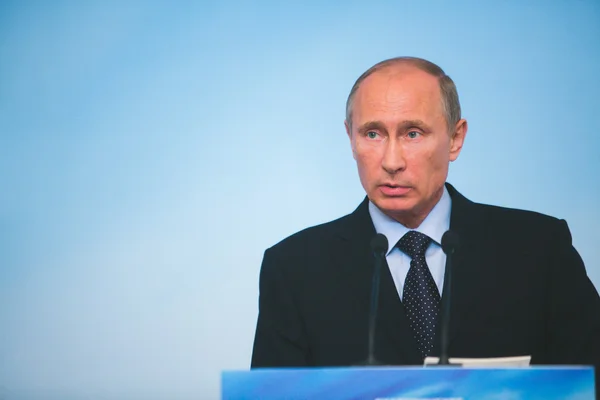
Information warfare efforts by the Kremlin are being escalated in an image of certain victory in the war of attrition. “Historical territory” is how President Putin referred to regions that he demands Ukraine hand over entirely, namely the provinces of Donets and Luhansk.
ISW says that these moves mask Russia’s ineffectiveness in achieving its strategic goals through military action and may provide “conditions for further aggression from positions of strength” once territory is ceded.
8. Tactical Dominance of Attritional Infantry
Drone-engaged battlefields obstruct the ability for either side to mass armor on the battlefield. Current Russian offense patterns include small-dismounted infantry attacks and sometimes require minimal armor involvement. Consequently, the share of the number of victims in drone and precision strikes has risen to 60 to 80 percent in the year 2025.
The absence of coordinated armored movements has resulted in chaotic battles, with reported cases of Russian forces wounding or harming themselves in withdrawals under fire.
9. Strategic Reserve Depletion
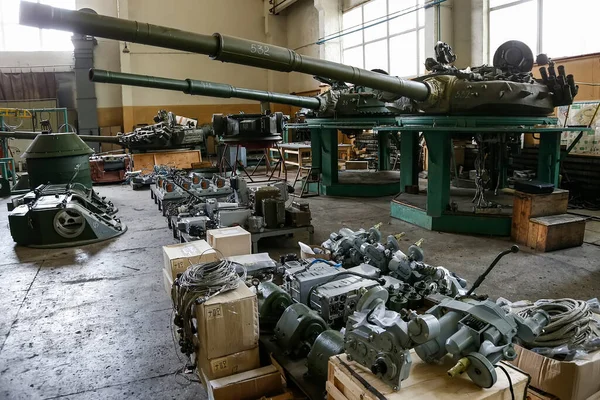
The estimated strategic reserves in Russia, estimated between 3,000-4,000 MBTs, and over 7,000 AFVs, are dwindling. The depletion of the reserves has been noted by analysts such as the Covert Cabal on the emptying of the main storage depots. The production is low, with revamped Soviet tanks dominating the production.
Such a shortage, along with a workforce shortage in the defense sectors, indicates that the Russian government might, due to their current loss levels, reach a point of reliance on outdated technology by 2026, meaning lower combat effectiveness.
10. Long Range Strikes by Ukrainians on Russian Infrastructure
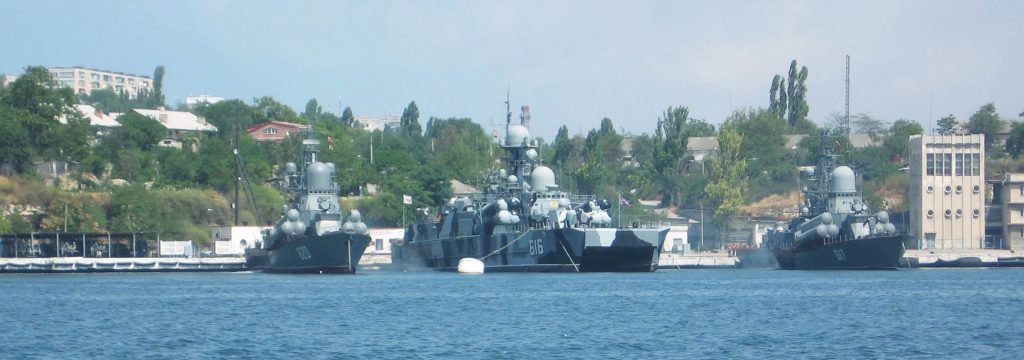
Ukraine persists with operations targeting Russia’s defense industrial base and energy sector. These operations have included strikes on targets such as Krasnodonska, which are located in the Luhansk Oblast region, and tankers in the Black Sea, which are affiliated with what is often referred to as Russia’s “shadow fleet.” These are efforts to sabotage logistics and industrial production. In March 2025, RFE/RL approximated that Ukraine’s strikes have caused a minimum of 60 billion rubles ($714 million) in damages to the energy infrastructure in Russia, where some sources regard 70% of refinery stoppages to be directly related to these attacks.
The toll of the latest casualties and equipment losses make apparent the attritional nature of the war on the ground, whereas new innovations in the form of underwater drones and weightier UAV payloads are reconfiguring the operational landscape. The Russian advance on the ground appears to have impressive resource constraints compared to its intellectual war of inevitable victory. For strategists in the defense community, this is indicative of the resourcefulness and sustainability challenges of the Russian military.


