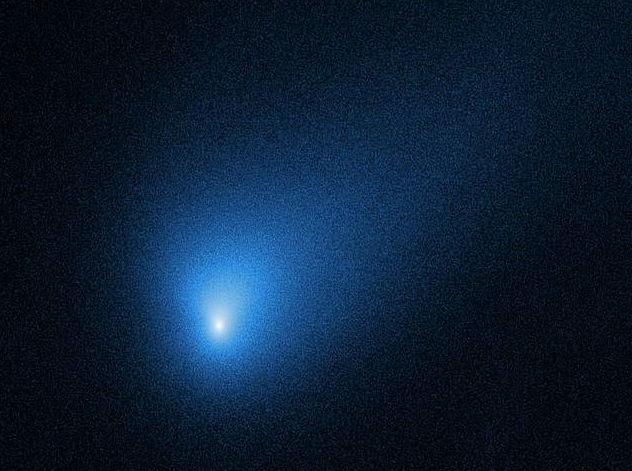
Do opportunities to observe visitors to our solar system occur often? No, they do not. And when they do, the possibility of observing them up close becomes even more scarce. “This object is a comet,” said NASA Associate Administrator Amit Kshatriya in November. “It has all the characteristics of a comet, and all the data that we have thus far received points to the fact that it is a comet. The interesting thing, however, is that it has come to us from outside our Solar System.”
1. A Visitor from the Galactic Thick Disk
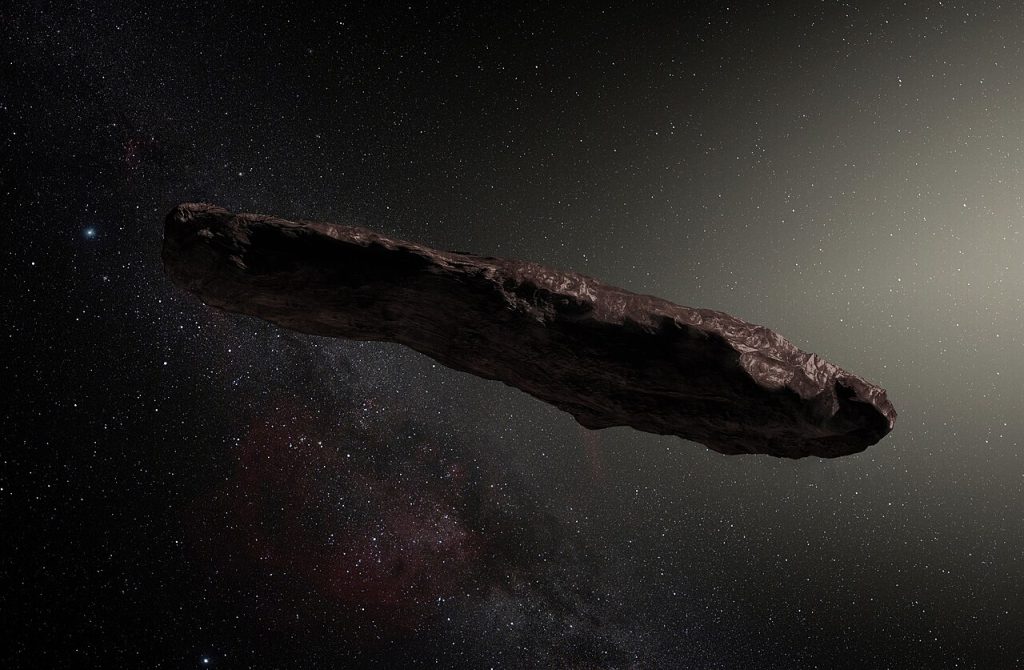
Detected on July 1, 2025, by the telescopes in Chile, which are supported by NASA’s ATLAS program, the object, named 3I/ATLAS, is the third interstellar object to have passed through the solar system, following the examples of objects 1I/ʻOumuamua and 2I/Borisov. The orbital computation has indicated that the object has an eccentricity of “6.2 significantly above the limit distinguishing a gravitationally bound and escaped orbit for our solar system.” This verifies the fact that the object came from interstellar space. Monte Carlo simulations by Shokruz Kakharov and Abraham Loeb demonstrated that the object came “from the Milky Way’s thick disk, a stellar population of older, lower-metallicity stars,” about “billion[s] of years ago.” The object’s “median age is 4.6 billion years,” and it currently is “the oldest interstellar object ever discovered.”
2. Close Approach: 19 December 2025
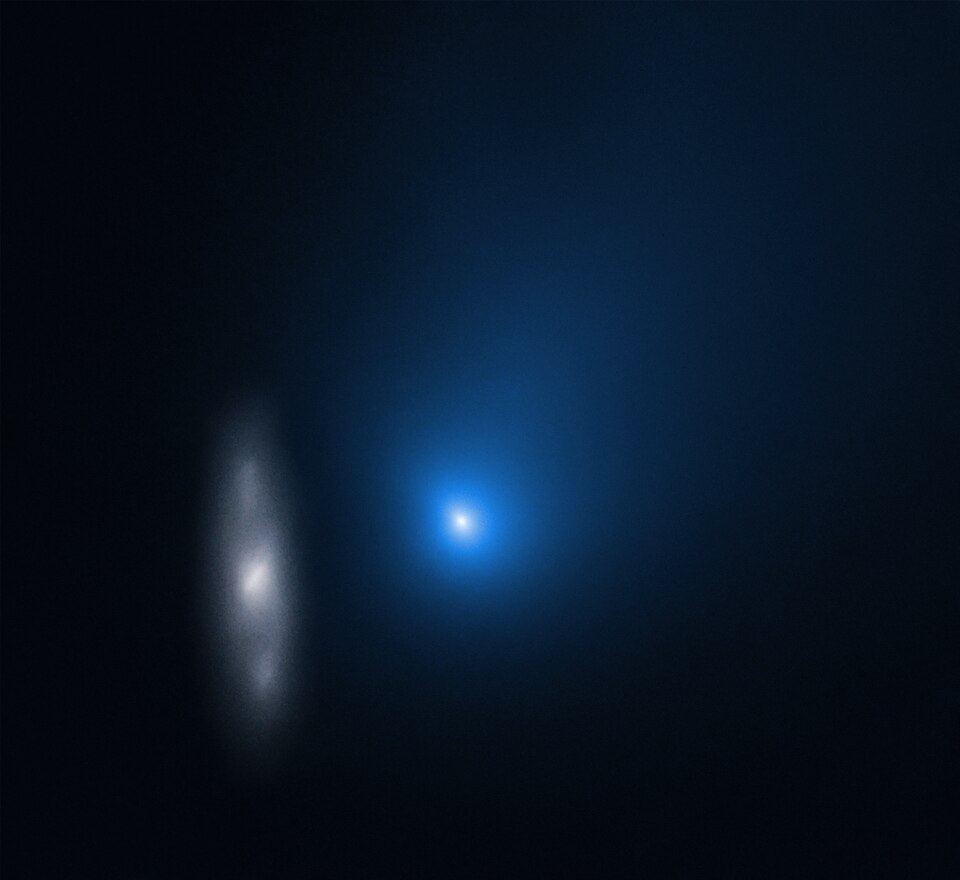
On the last Friday of the year the 19th of December 3I/ATLAS comes closest to our planet at a distance of 1.8 astronomical units or 270 million kilometers, well beyond the Earth-Sun distance but with a precious flyby opportunity for scientists before the comet fades into the vastness of space once again. This flyby has been recorded by professional observatories and even the Hubble Telescope with pictures of the comet’s tail and coma formation.
3. Peculiar Chemistry and Early Outgassing
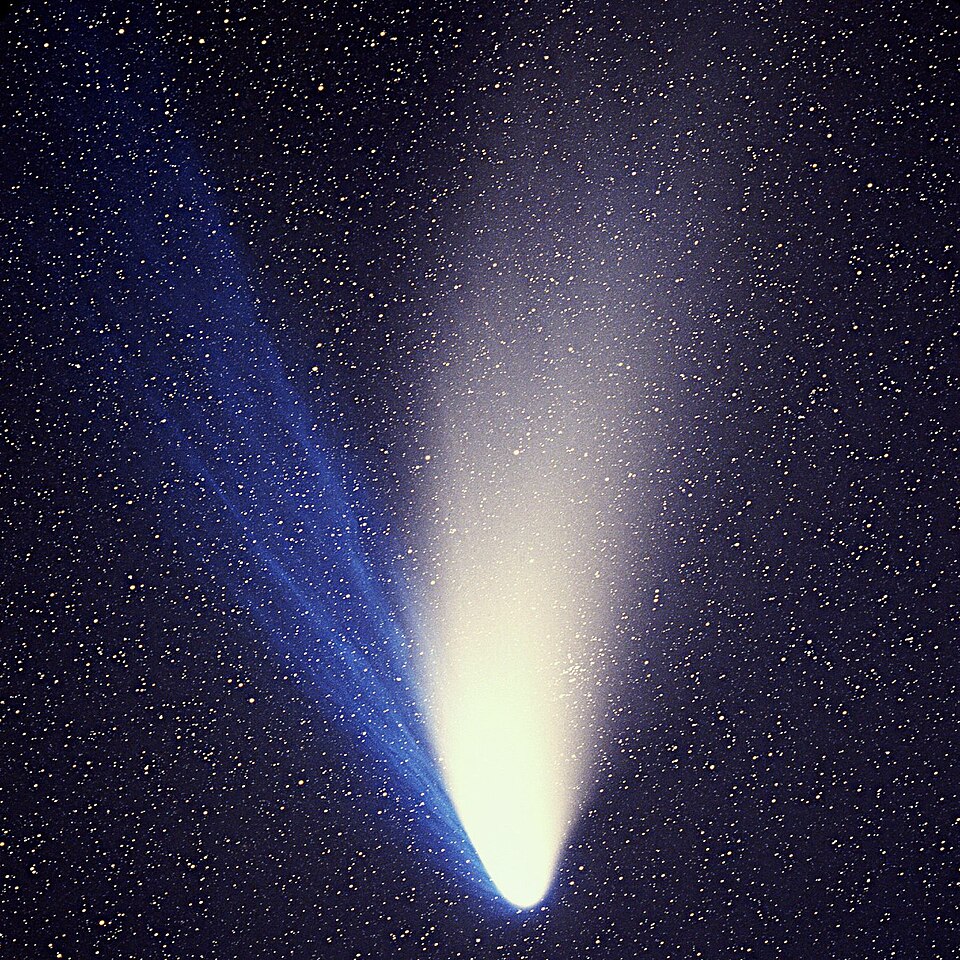
Spectral and photometric observations have shown unusual chemical activity. At the beginning of the approach, 3I/ATLAS started the release of huge amounts of carbon dioxide, hydrogen cyanide (HCN), and methanol (CH3OH) long before perihelion. Regions rich in metallic elements, such as nickel and iron, appeared at unexpectedly high abundance, which may point to the comet having possibly extreme composition similar to those observed in deep space objects, unlike “normal” solar system comets. Late November observations indicate the changeover in the coma color from red, indicative of tholins-rich dust, to the faint green color produced by the fluorescence of diatomic carbon (C2), which forms just before the comet’s passage in the solar system.
4. Dust-Dominated Spectrum
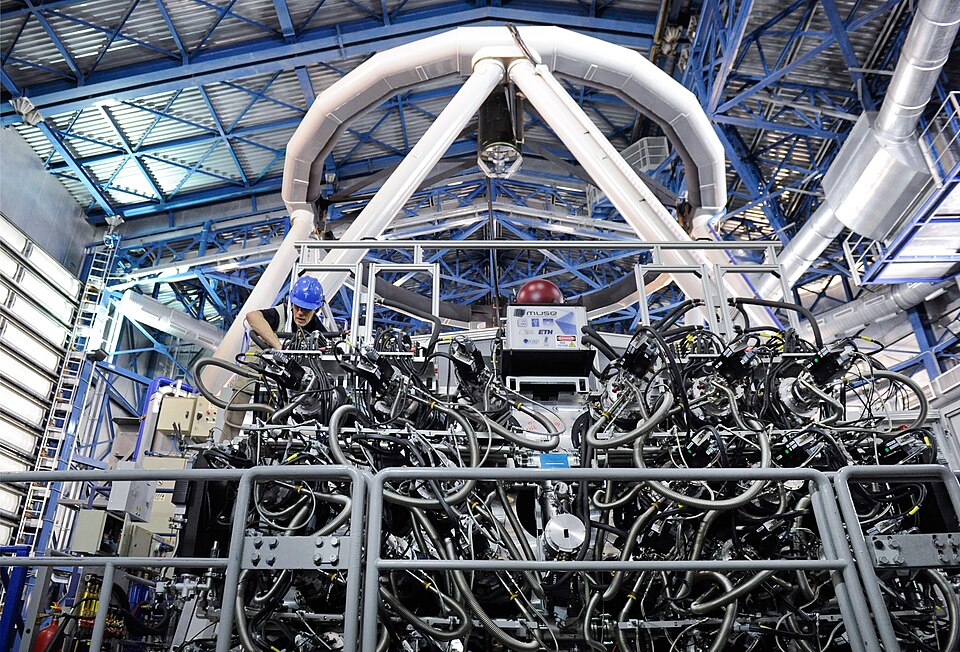
The high-resolution optical spectra collected using VLT’s MUSE instrument yielded a red, featureless continuum with no observable lines of CN, C₂, NH₂, or [O I]. The intensity of the normal reflectivity gradient at 18% per 1000 Å suggests a coma dominated by dust, with a minimal level of volatiles present during observation. The dominance might be accounted for either by surface processing due to its passage in the interstellar medium or due to exhaustion of the volatiles.
5. Multi-Mission Observation Campaign
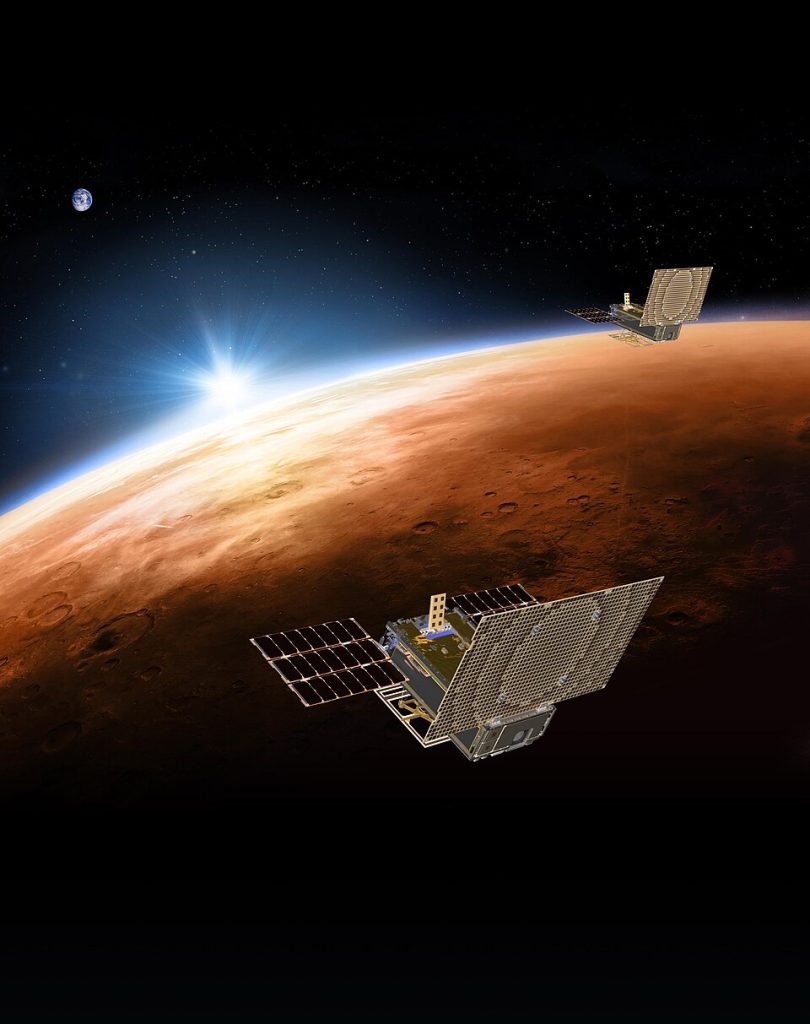
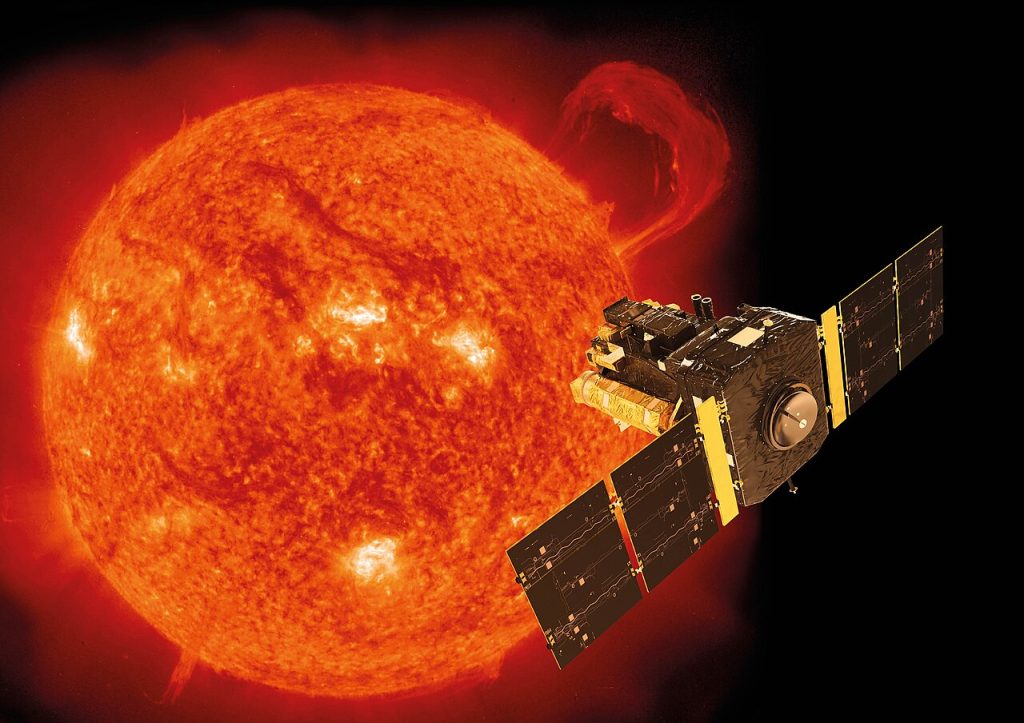
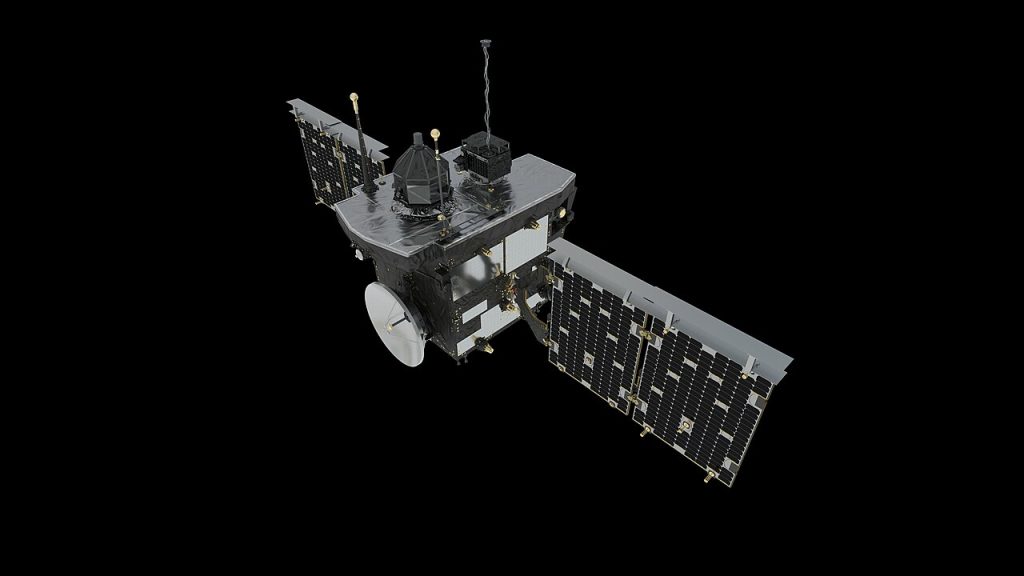
NASA is tracking 3I/ATLAS using twelve assets scattered around the solar system. Observations of the Red Planet took some of the closest images of the comet as it flew by the planet in October. Recording the passage of the comet around the Sun were missions that study the Sun itself, such as the Solar Terrestrial Relations Observatory satellites and the Solar Heliospheric Observatory. Also getting involved is the newly formed PUNCH mission and deep-space probes Psyche and Lucy.
6. Trajectory and Future Path
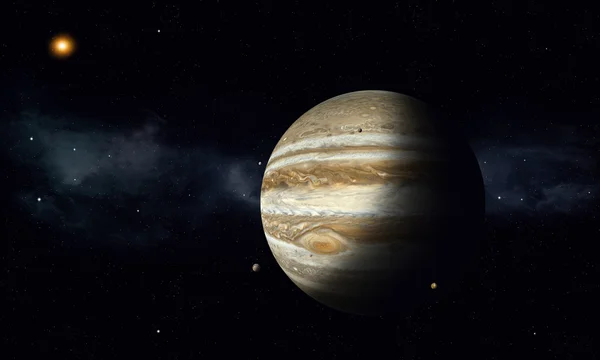
Following its close flyby of Earth, 3I/ATLAS will go on to fly by Jupiter in March 2026, Saturn in July 2026, Uranus June 2027, Neptune in 2028, and then transit the orbit of Pluto in April 2029. Its hyperbolic orbit assures that it will never come back, and hence, observations made during this week are all that scientists will ever get.
7. Unlocking Clues to Other Star Systems
The interstellar comets also bear chemical compositions of their home planetary systems, providing a direct window into planetary genesis around other stars beyond the Sun. As Professor Martin Barstow said, “They certainly bear chemical signs of origin outside our own solar system, so learning about them is very informative regarding the chances of such material migrating between planetary systems.” The differences offered by 1I/‘Oumuamua, 2I/Borisov, and 3I/ATLAS illustrate that there is dissimilarity in the modes of ejection and origin environments for such bodies within the galaxy.

8. The Future of ISO Detection
There are promises of more discoveries in store with advances in survey technology. The Vera C. Rubin Observatory’s LSST will search for dozens of interstellar objects annually, which will allow for statistical analyses to be done on compositions and origins. The Comet Interceptor, which will go on mission in 2029, could analyze interstellar visitors in-situ, although this won’t be possible with 3I/ATLAS’s rapid approach.
The Flyby of 3I/ATLAS represents the transient yet precious opportunity that the field of planetary science will ever know the opportunity to explore the chemistry, composition, and past of a planet that has been formed around another star, passing through our neighborhood before moving back into the darkness.


