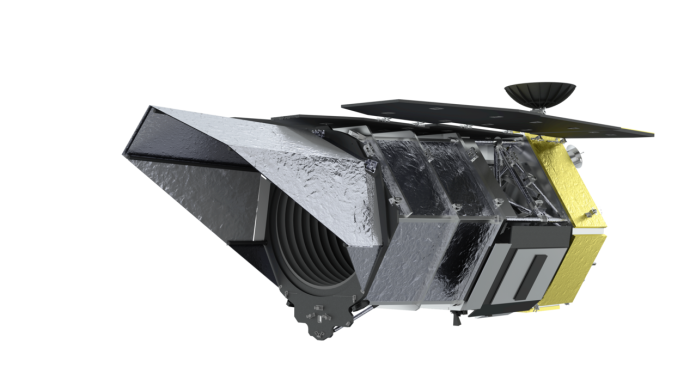
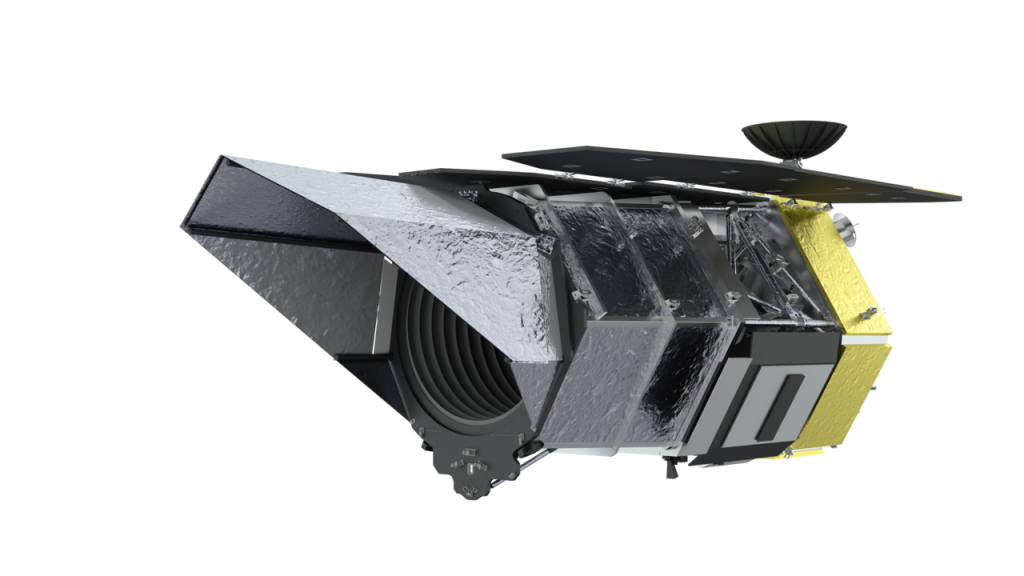
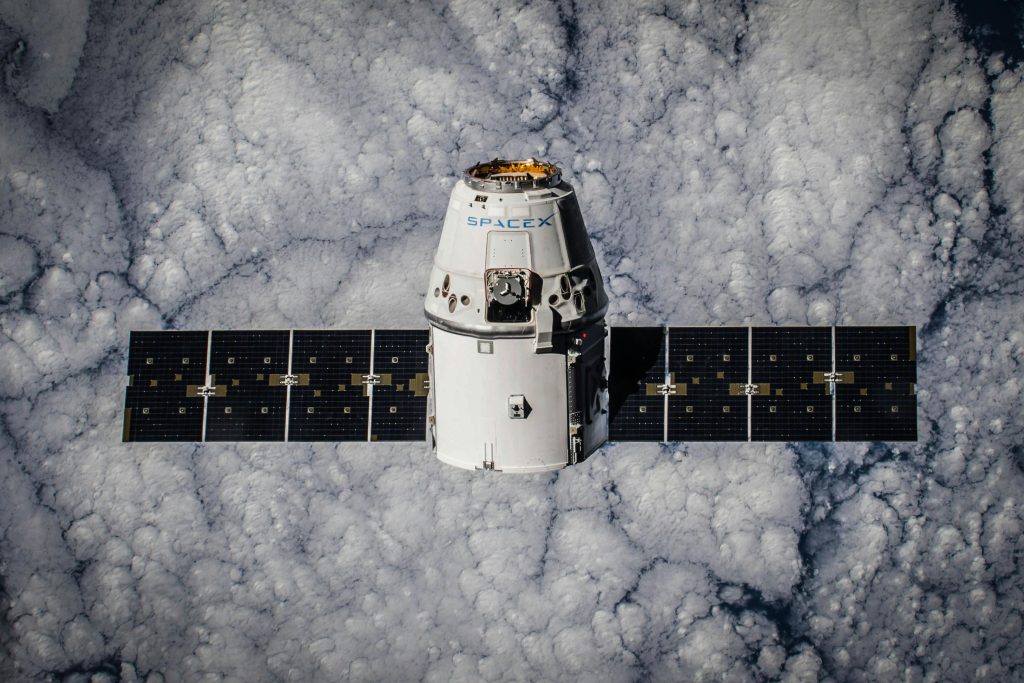
Engineers inside NASA’s largest clean room at Goddard Space Flight Center joined the inner and outer assemblies of the Nancy Grace Roman Space Telescope on November 25, 2025, marking the end of a ten-year engineering effort. The milestone places the mission well ahead of its scheduled launch in May 2027 – it might fly as soon as fall 2026 – aboard a SpaceX Falcon Heavy rocket bound for the Sun-Earth L2 point, nearly 1.5 million km from Earth.
1. Wide-Field Infrared Vision
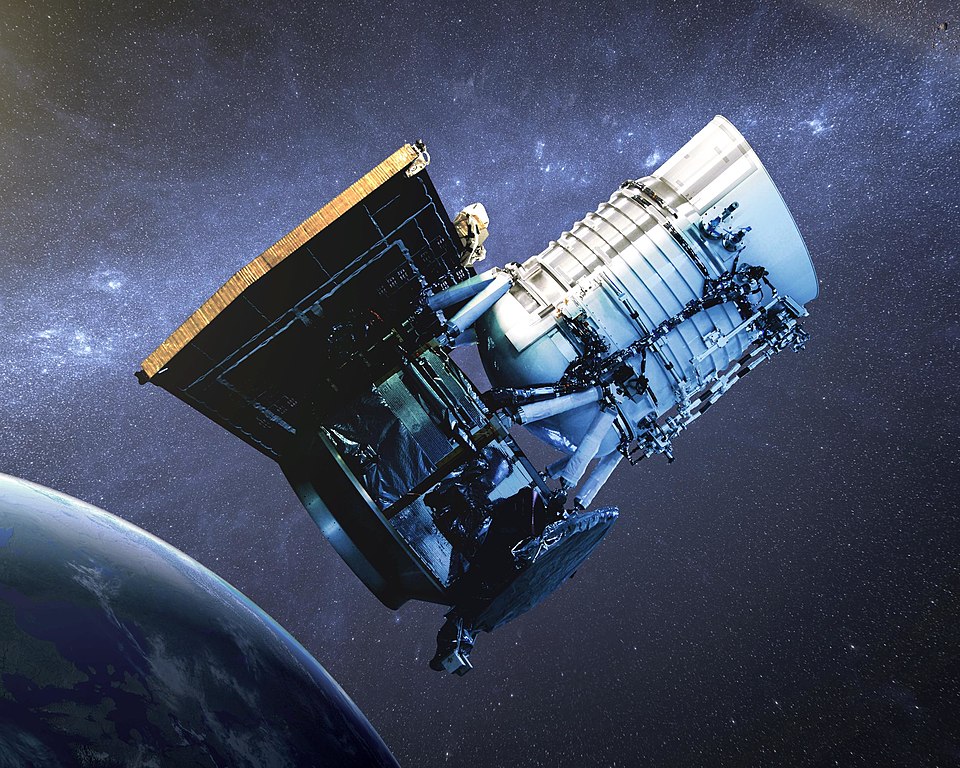
The Roman’s WFI is a 288-megapixel visible and near-infrared camera, delivering images with Hubble-like resolution but covering 100 times more sky in a single exposure. This vast field of view will enable Roman to map the cosmos hundreds of times faster than Hubble, gathering 20 petabytes of data in its five-year primary mission. The WFI’s design-18 detectors each with 4,096 × 4,096 pixels-allows surveys that, if done by other telescopes, would take several decades, from charting billions of galaxies to detecting faint supernovae across cosmic time.
2. Dark Energy and Cosmic Structure
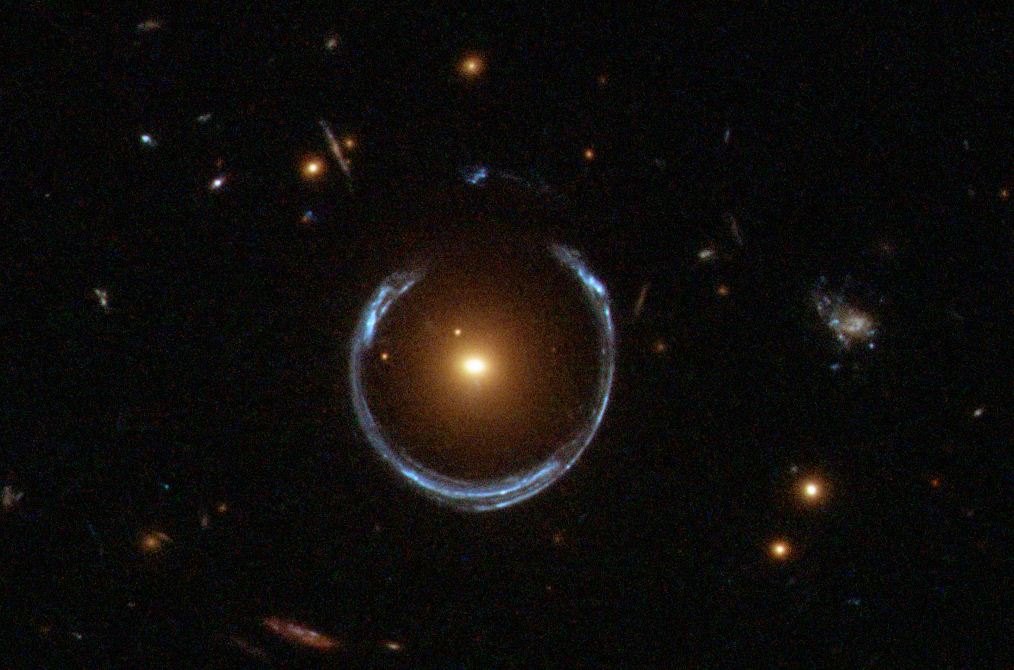
Roman’s High-Latitude Wide-Area Survey will use deep imaging and spectroscopy together to trace the evolution of galaxy clusters and map the large-scale structure of the universe. Measuring weak gravitational lensing, the subtle warping of shapes of galaxies by dark matter, Roman will constrain the distribution of this invisible mass. Its capability of detecting and measuring tens of thousands of cosmic voids-certain regions dominated by dark energy-will provide unprecedented tests of cosmological models.
3. Time-Domain Astronomy
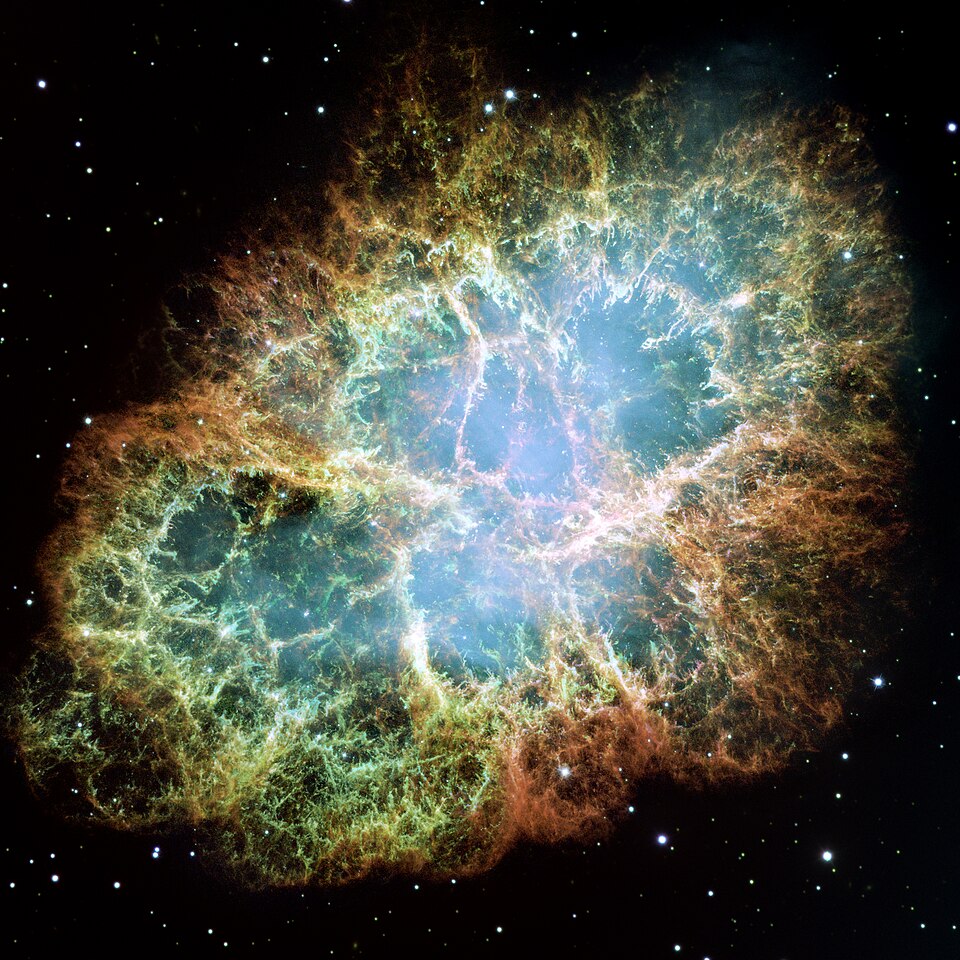
Thus, the High-Latitude Time-Domain Survey will repeatedly image the same region over months and years, creating “movies” of the dynamic universe. These will not only catch transient phenomena-supernovae, variable stars, microlensing events-but also probe how dark energy is influencing cosmic expansion. In infrared, Roman has sensitivity that lets it see through dust-obscured regions of space and unveil stellar activity in these regions that would never have been visible to ground-based surveys.
4. Galactic Bulge Microlensing
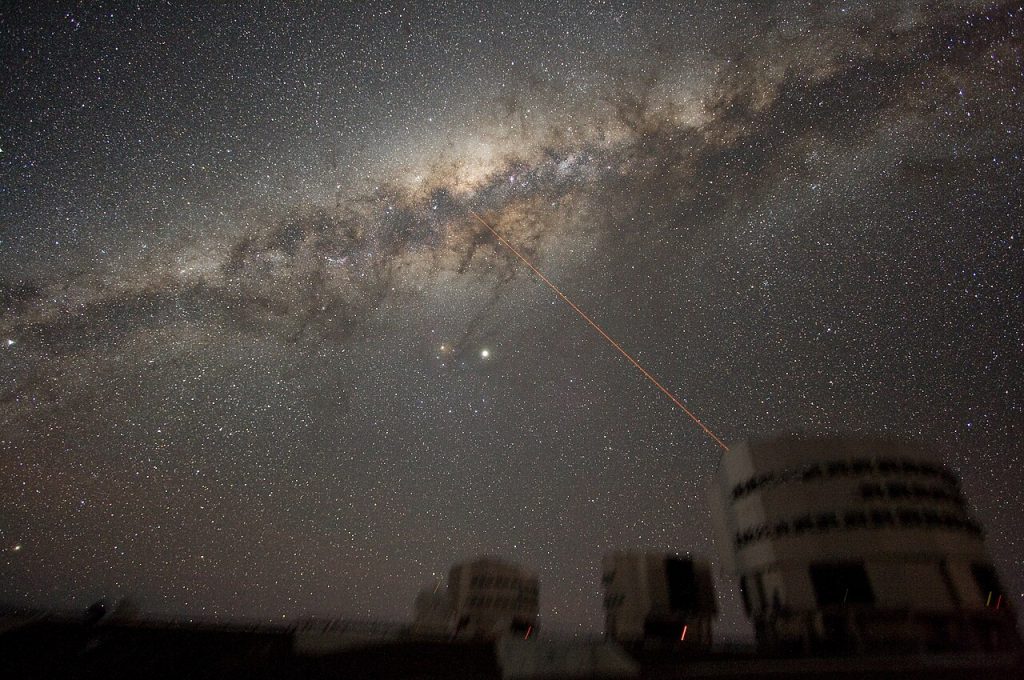
The Galactic Bulge Time-Domain Survey will turn inward and yield one of the deepest views of the Milky Way’s core. Roman will monitor hundreds of millions of stars to detect microlensing signals caused by intervening objects-planets, brown dwarfs, black holes-warping background starlight. This method can find exoplanets in or beyond their star’s habitable zone, rogue planets drifting without a host, and isolated stellar remnants. The same dataset will reveal 100,000 transiting worlds.
5. Coronagraph Technology Demonstration
The Coronagraph Instrument is a leap in optical engineering for exoplanet detection. By using masks, filters, and dual deformable mirrors, it creates an “opposite” wave that cancels starlight, making it possible to take direct images of planets that are a billion times fainter than their stars. Recent electromagnetic interference tests confirmed that the CGI cameras sensitive enough to count photons can operate without interference from the systems of the spacecraft. Though this is optimized for planets like Jupiter, its success will pave the way to a new mission that would hunt for Earth analogs in the future.
6. Galactic Plane Survey
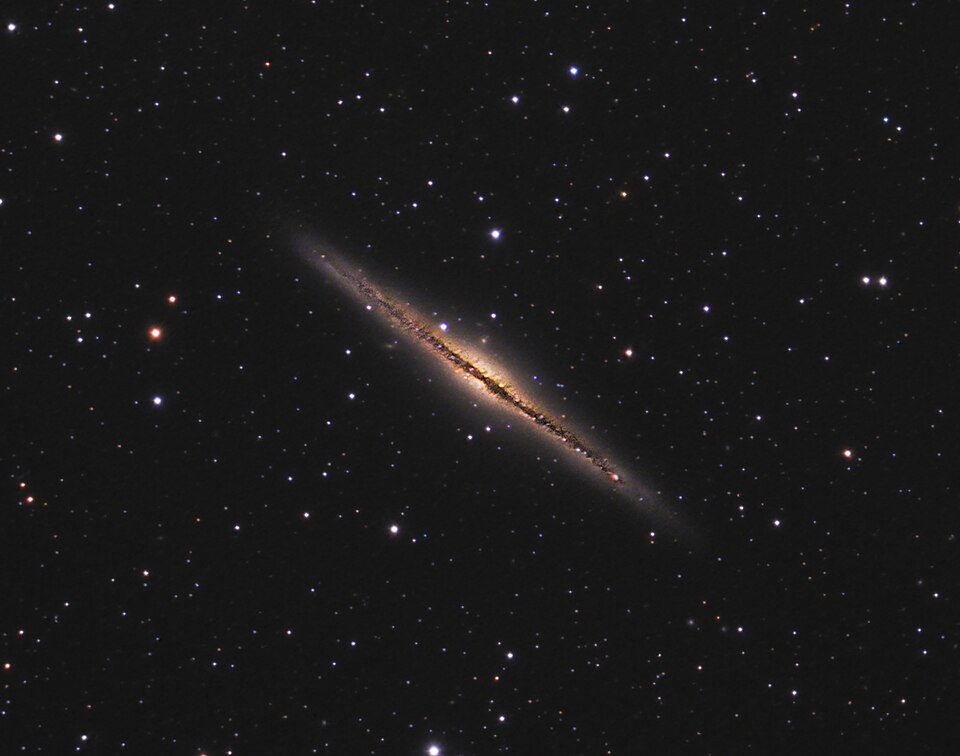
Roman’s first selected general astrophysics program, the Galactic Plane Survey, will map up to 20 billion stars across 700 square degrees-equivalent to 3,500 full moons-over 29 days of observation spread across two years. Infrared capability will pierce the dust veil, revealing the far side of the Milky Way, stellar nurseries, and ancient globular clusters. The resultant dataset will be a “scientific mother lode,” providing unprecedented opportunities for studies of star formation, cluster evolution, and compact binaries-the precursors of gravitational-wave events.
7. Data Management and Accessibility
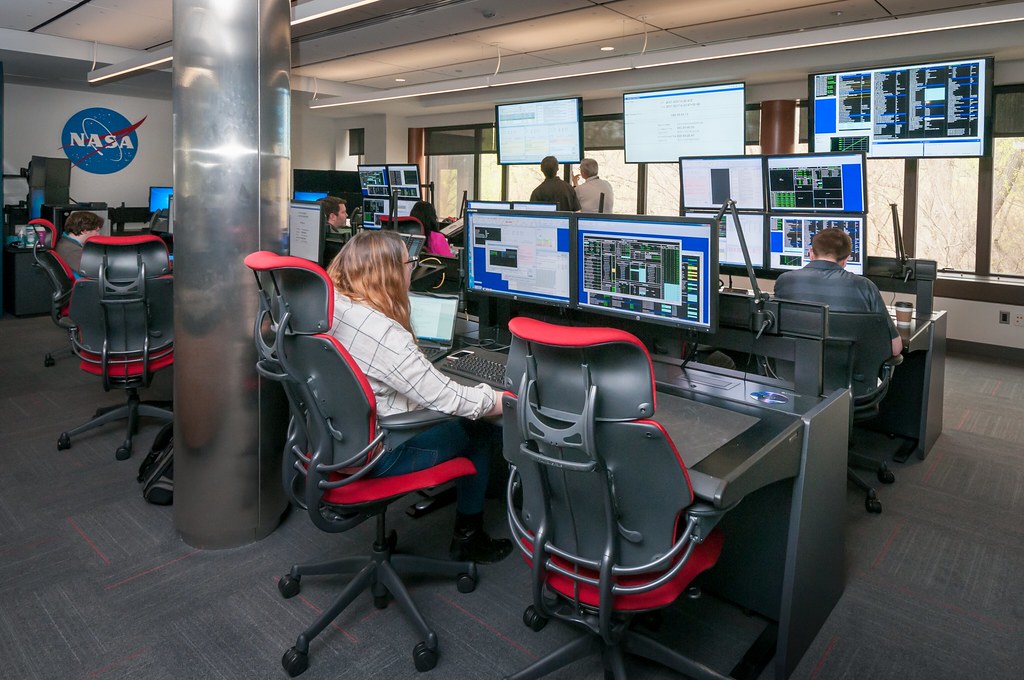
The infrastructure required for handling Roman’s data volume is very advanced. The cloud access to raw and processed data, analysis tools, and ample computing resources will be given at STScI’s Science Operations Center for the mission. Having no proprietary period, immediately after the data release to the global community, Roman’s datasets will trigger collaborative discoveries and accelerate any follow-up research.
8. Engineering Heritage and International Cooperation
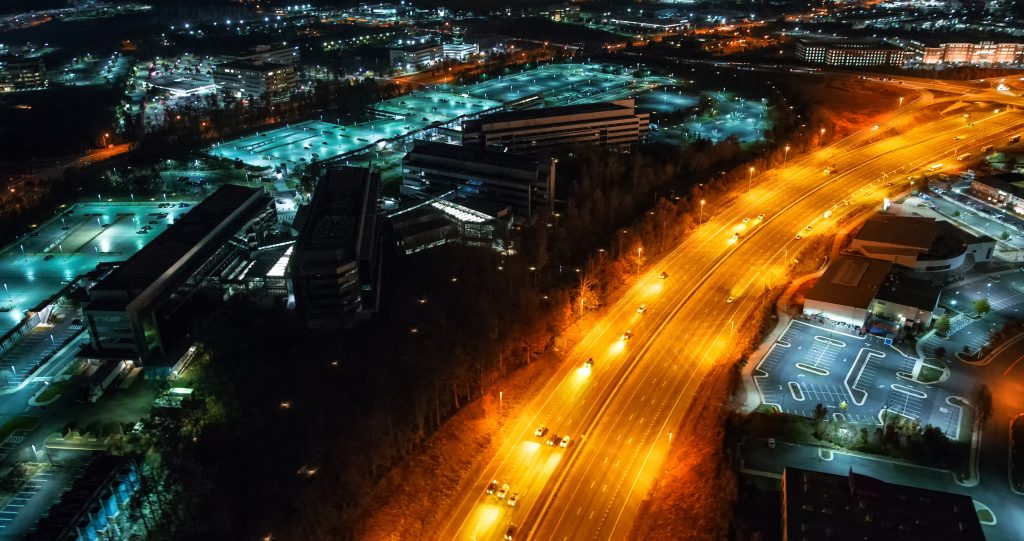
Roman’s 2.4 m primary mirror was initially fabricated for the National Reconnaissance Office and then repurposed for science. The ESA is providing EMCCD detectors for the coronagraph, star trackers, and a new downlink antenna featuring a 35 m dish at the New Norcia station in Australia. By late 2024, the spacecraft bus – holding the instruments and electronics of Roman – finished integration, and between 2025 and 2026, the spacecraft underwent spin tests and final assembly.
9. Launch and Orbit
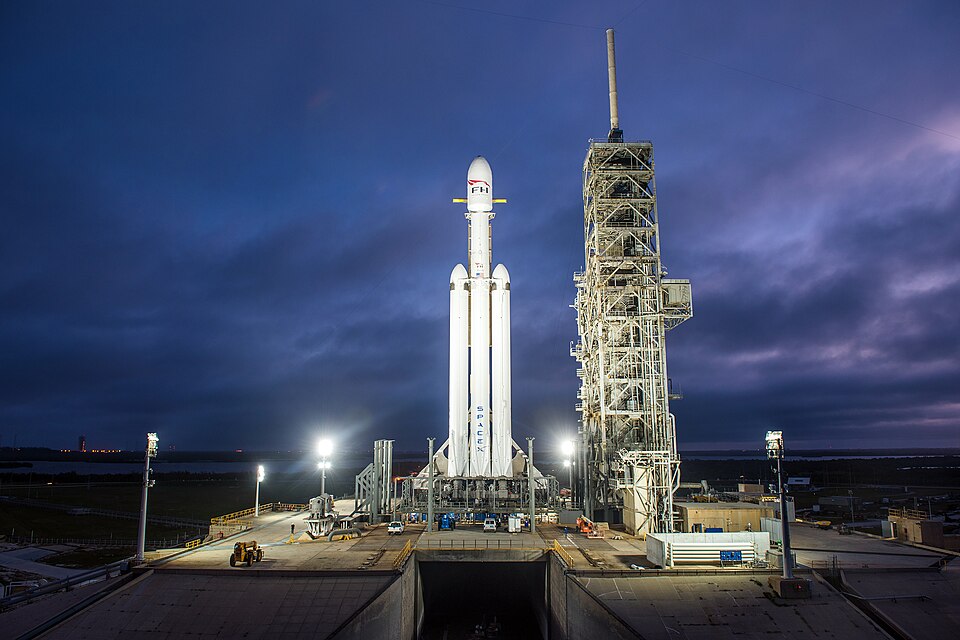
The Falcon Heavy, selected by SpaceX, has a very large carrying capability and will launch Roman into a special halo orbit around L2, which is useful for infrared observations because it offers a very stable thermal environment and a clear field of view of the sky. Its nominal lifetime is five years, with possible extension depending on fuel reserves for station-keeping and pointing.
As Julie McEnery, Roman’s senior project scientist, put it: “In its first five years, the mission is projected to reveal more than 100,000 distant worlds, hundreds of millions of stars, and billions of galaxies.” By completing its development early and being equipped with state-of-the-art instruments, Roman is poised to revolutionize humans’ perception of space-and maybe just bring us closer to understanding whether we are truly alone.


