“Could the comet be nothing more than a ‘dirty iceball’ hurtling through space or something much more meaningful a harbinger of secrets hidden deep within the galaxy’s past and waiting to be unraveled?”
Comet 3I/ATLAS will make a close approach to Earth when it gets closest to our planet on December 19, 2025, reaching a maximum distance of 1.8 AU or 270 million kilometers. It shall be the third confirmed interstellar object to enter the solar system. Comet 3I/ATLAS shall not be visible to the naked eye, but it could attract scientists’ attention due to the peculiar velocity, gas emissions, and origin of the comet.
1. Record Breaking Velocity
“With a speed of about 130,000 mph or about 210,000 km per hour, the speed of 3I/ATLAS far exceeds any recorded comet or asteroid ever seen in the solar system. The approach speed of the comet at a heliocentric velocity of 58 km/sec makes the comet a suitable object to have spent a number of years orbiting the interstellar medium with the goal of increasing velocity along the way through a number of gravitational interactions.”
2. Outgassing and Non-Gravitational Acceleration
The orbit of the comet demonstrates a subtle non-gravitational acceleration. The process of analysis of this effect may be attributed to the cometary activity, during which the frozen gases sublimate on the sunward side, and the dust particles eject with velocities no greater than 20 m/s. The corresponding mass loss from the cometary cloud varies from 6 to 60 kg/s, depending on the size of the grains. Consequently, the nucleus was ‘pushed’ away from the Sun, which is typical for natural cometary physics. By this point alone, comets differ from asteroidal space debris.
3. Imaging Challenges Across the Solar System
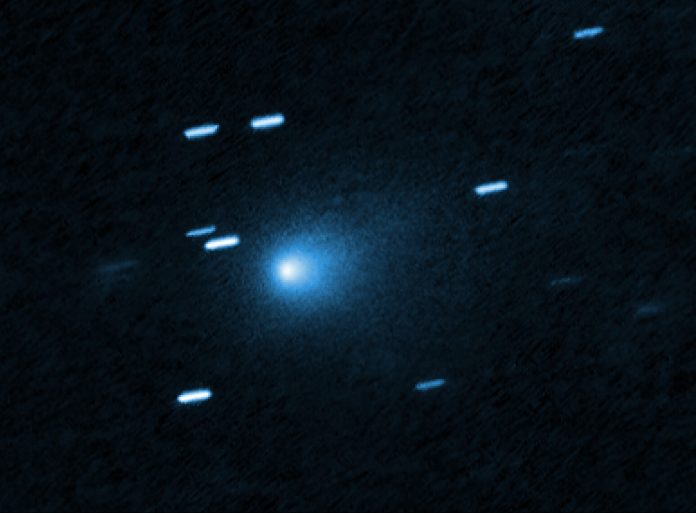
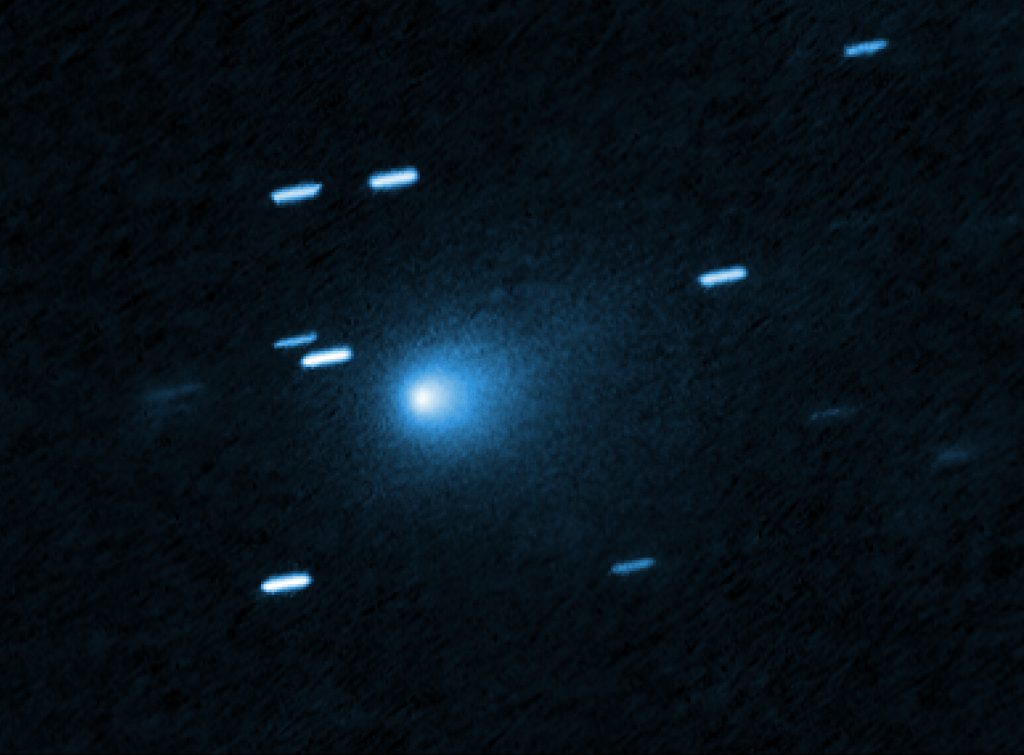
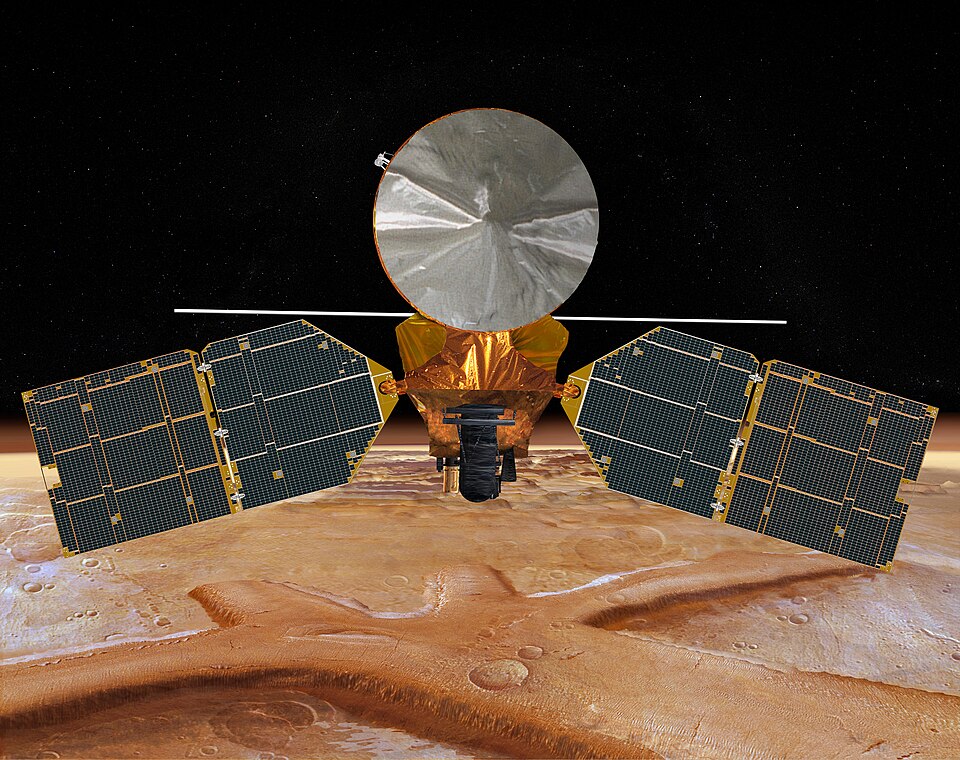
Imaging a distant, faint, and fast object at a distance of millions of kilometers is a very challenging task. Although ESA’s ExoMars Trace Gas Orbiter, with the capability to photograph Mars’ brightly illuminated surface, could see no more than a “fuzzy white dot” as 3I/ATLAS flew by at a distance of 20 million miles, a fairly clearer observation was made at a distance of 19 million miles by the Mars Reconnaissance Orbiter, while Hubble’s Wide Field Camera 3 observed a bright nucleus along with a dust coma and streaked stars due to the motion of 3I/ATLAS.
4. Multi-Spacecraft Observations
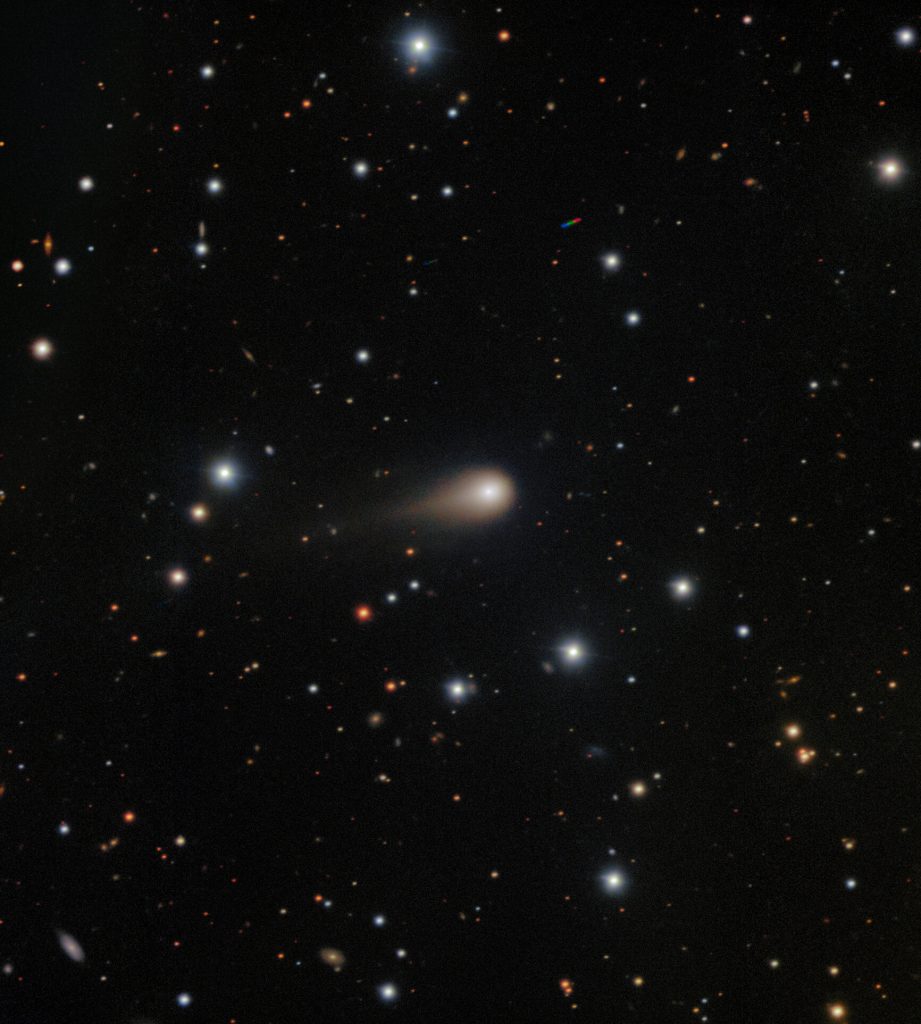
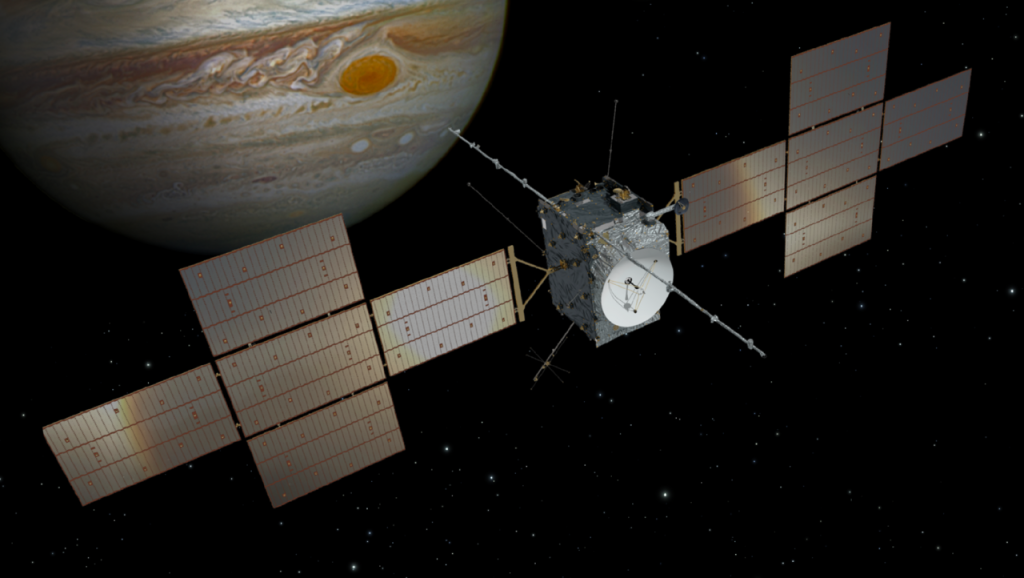
The composition and processes of the comet are now also being used by various space observatories, like James Webb and Jupiter Icy Moons Explorer, which was launched by NASA and ESA. Although not an analytical instrument, as it is a navigation camera on board Jupiter Icy Moons Explorer, named NavCam, it was able to capture a stunning photo of the coma and two tails, which are made up of a plasma and a dust tail, just a few days after passing perihelion. The arrival of detailed spectroscopic data is expected in February 2026 in order to confirm unusual properties of atypical dust chemistry, which are indicative of a different formation environment, which is not found in our solar system, with a tendency to harbor a high ratio of volatile-rich and refractory compounds.
5. Size Estimates and Physical Properties
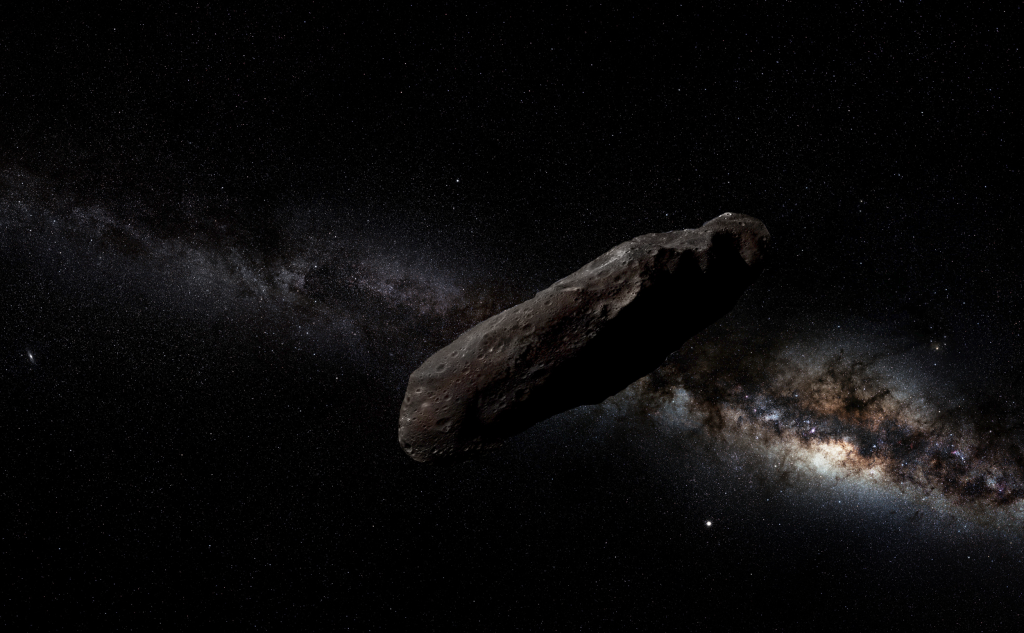
The size of the nucleus is limited by Hubble to have a diameter ranging from 320 meters to 5.6 km. Although the former, 3I/ATLAS is larger than the previous ones: 1I/ʼOumuamua with a size of 200m, while the second one is 2I/Borisov, which was less than 1km. Additionally, the size of the coma is comparable to those measured in the solar system cometary bodies discovered at distances of 300 million miles away from the Sun.
6. Galactic Orbit and Age
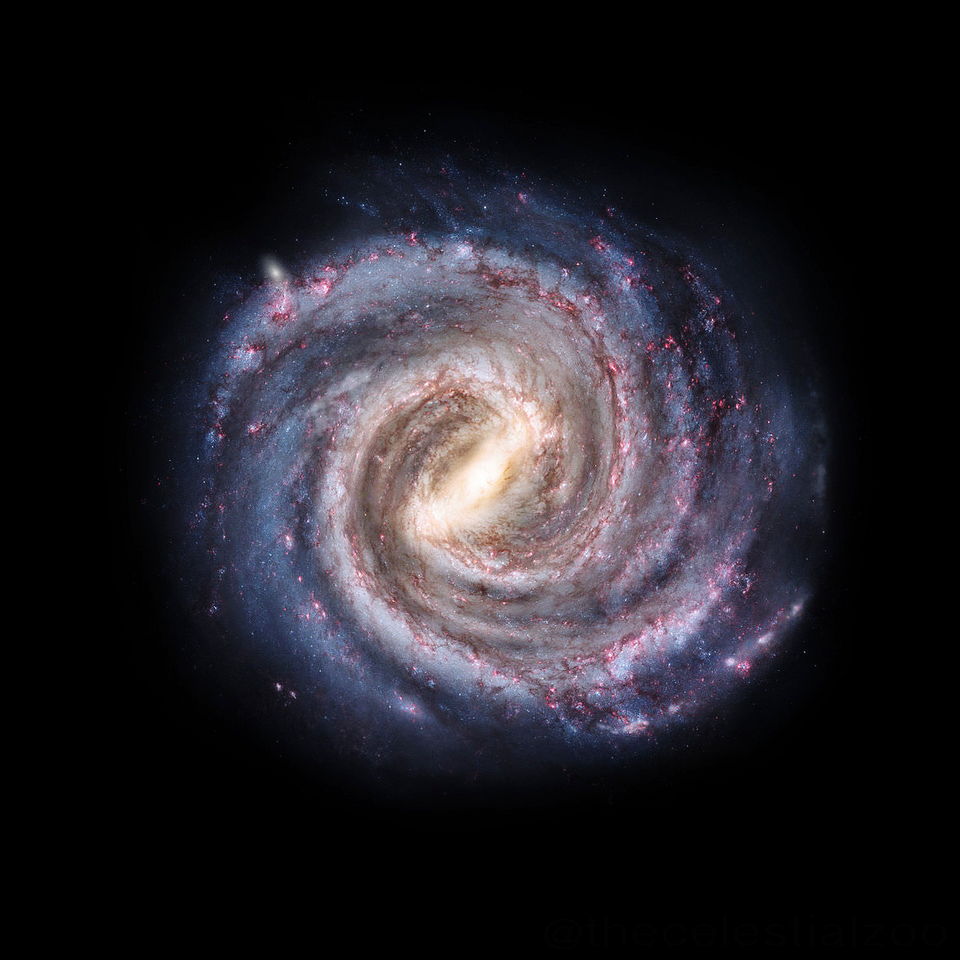
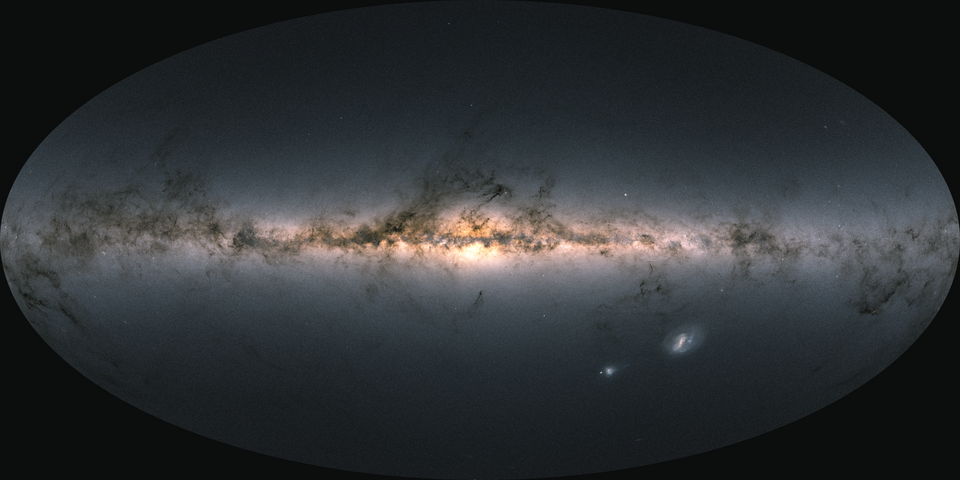
Monte Carlo orbital simulations of 10,000 orbit solutions have been used to model the orbital path of the system, 3I/ATLAS, through the Milky Way galaxy, subject to a maximal vertical distance of about 0.48 kpc above or below the galactic plane, typical of the thick disk star system, and the system is calculated to be about 9.6 billion years old by Bayesian analysis, clearly being very old compared to the Solar system and having formed in the distant past during the evolution of the system.
7. Search For Parent Star
With the data available of 30 million stars from the Gaia DR3 data release, there were 93 potential stellar encounters that took place within the last 10 million years, but none had the same proximity and speed needed by the perturbation. Based on this data and the high speed of the encounters (>20 km/s) and the fact that there was no perturbation, this goes to show that the comet’s orbit has been the same since its ejection and that its place of origin cannot ever be found.

8. Consequences for Planetary Formation Theories
The case of interstellar comets, like 3I/ATLAS, may offer a way to access the resource of volatiles and organic chemistry in comparison with comets of our own planetary system, since it is thought to be the remnants of the disordered stage of planetary system formation, when the migration of planets caused by the interaction of a multiple star system or star and a planetoid companion may eject icy bodies into interstellar space. There is a Population of planetesimals in interstellar space, according to computations.
9. Future Missions to Interstellar Objects
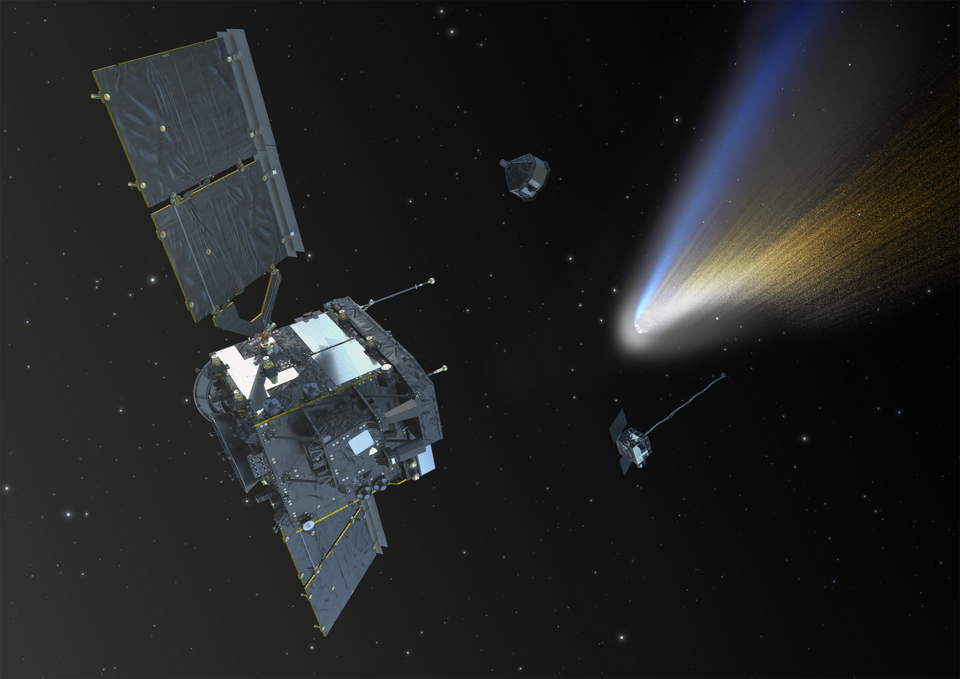
The Comet Interceptor, scheduled to launch in 2029 to the Sun/Earth L2 point, plans to lurk to wait for a target, possibly an ISO. The “ready to launch” mission architecture is a crucial aspect of ISO capture, as ISOs offer a temporary window of opportunity for close observation. The heavier payload, equipped with a neutral mass spectrometer, may examine the formation nursery of a 3I/ATLAS-type object at a level of resolution that currently is not possible.
As the 3I/ATLAS speeds by the orbiting zone around our planet, the comet carries with it the frozen memory of a planet formation that may have occurred some 10 billion years ago. For the astronomer, the light reflected off the dusty coma of the comet is the key to unlocking the quest to record the map of formations of planets within the galaxy.


