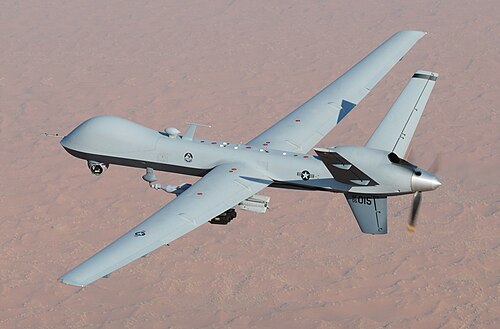
The fact is, it doesn’t often happen that a defensive system progresses, in record-breaking manner, from prototype test qualification to production authority. Nevertheless, this is exactly what has occurred regarding the AiON counter-UAS command-and-control system developed by Northrop Grumman. The need is clear: hostile drones are now considered less a threat, considered possible, but rather an actual part of every-day operations.
In recent years, adversaries have taken advantage of the Increased use of small, low-cost unmanned aerial systems, or UAS, technology. Battlefield observations from Ukraine, Nagorno-Karabakh, and the Middle East demonstrate that swarms of unmanned drones are now hunting targets with deadly precision. In this context, the Defense Innovation Unit quick turnaround of AiON is not merely a technological achievement it is a necessity. Here are nine essential advancements and lessons that serve as a gateway towards AiON from the laboratory and onto the battlefield.
1. Live-Fire Proven at Yuma Proving Ground
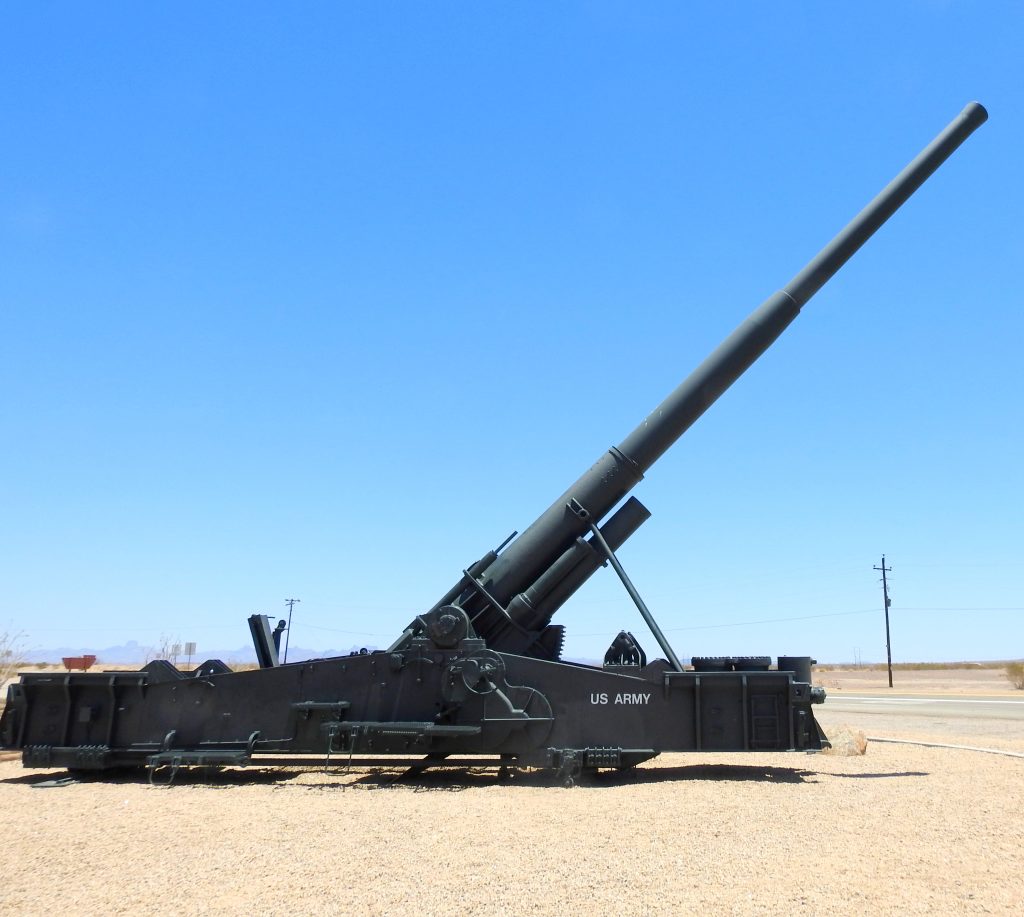
The credibility of AiON has been established under operationally realistic test conditions at Yuma Proving Ground, Arizona. The system has been tested by evaluators for various engagements against simulated and live unmanned targets. In four separate trials, AiON has been able to detect, track, identify, and destroy threats while ensuring human-reviewed engagement control through autonomous decision support tools.

2. Authority for Immediate Production
Following successful completion of its prototype work in the DIU, any U.S. Department of War entity may now place a follow-on production transaction for AiON without having to compete. “This acquisition process is extremely rare, reflecting a sense of urgency with respect to urgency as well as maturity of technology,” Kenn Todorov, vice president Northrop Grumman. “Thanks to the success at Yuma, we’ve been able to prove with AiON our ability to innovate and quickly provide our warfighters with good capability.”

3. Modular, Open Architecture for Rapid Adaptation
AiON is a command and control system made for scalability by design. Its open architecture is designed to accommodate new APIs, sensors, and effectors, making it easy to reconfigure against new forms of unmanned threats as they emerge. AiON is a critical solution, as new forms of drones are now using AI technology for automatic identification of their own target and swarm behaviors.

4. Centralized and Distributed Control Options
Operators can control numerous defended positions remotely and this helps to offer the required control and flexibility for different missions from base defense to force protection. Such remote control also helps to distance the personnel from danger while responding quickly to the situation.
5. Passive Detection to Minimize Electromagnetic Signature
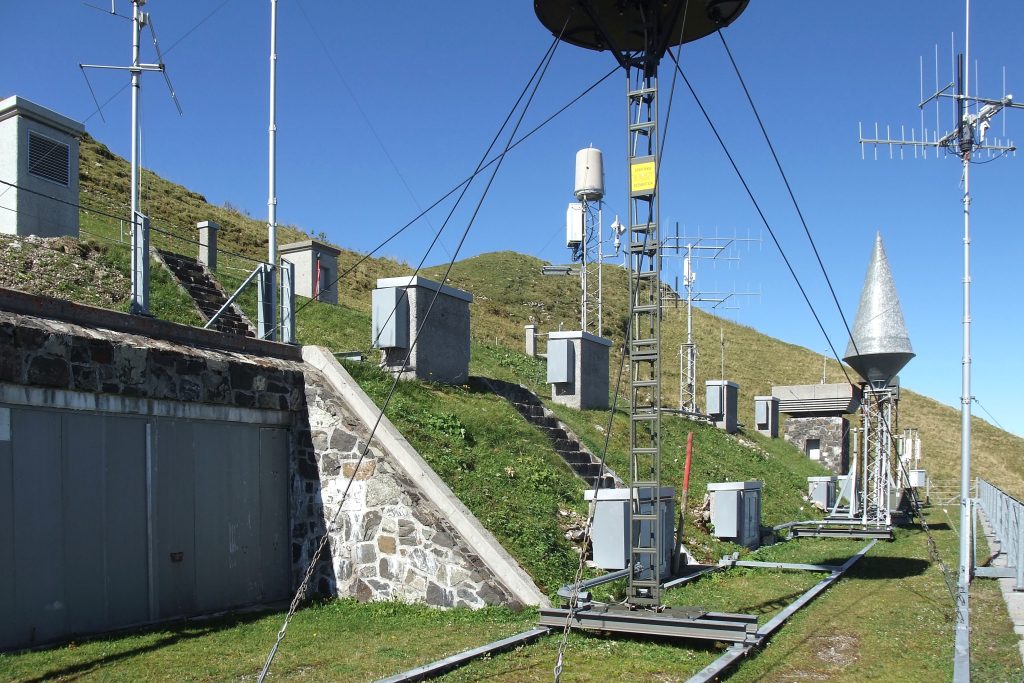
AiON does this by learning from the experience of the battlefield and using passive detection techniques to avoid the pitfalls of the active radar approach. It has already been noted that active radar can function like a spotlight and that this can compromise the security of friendly forces. This may begin to explain the challenges AiON will face in providing high-quality data.
6. Integration with Existing Weapons and Networks
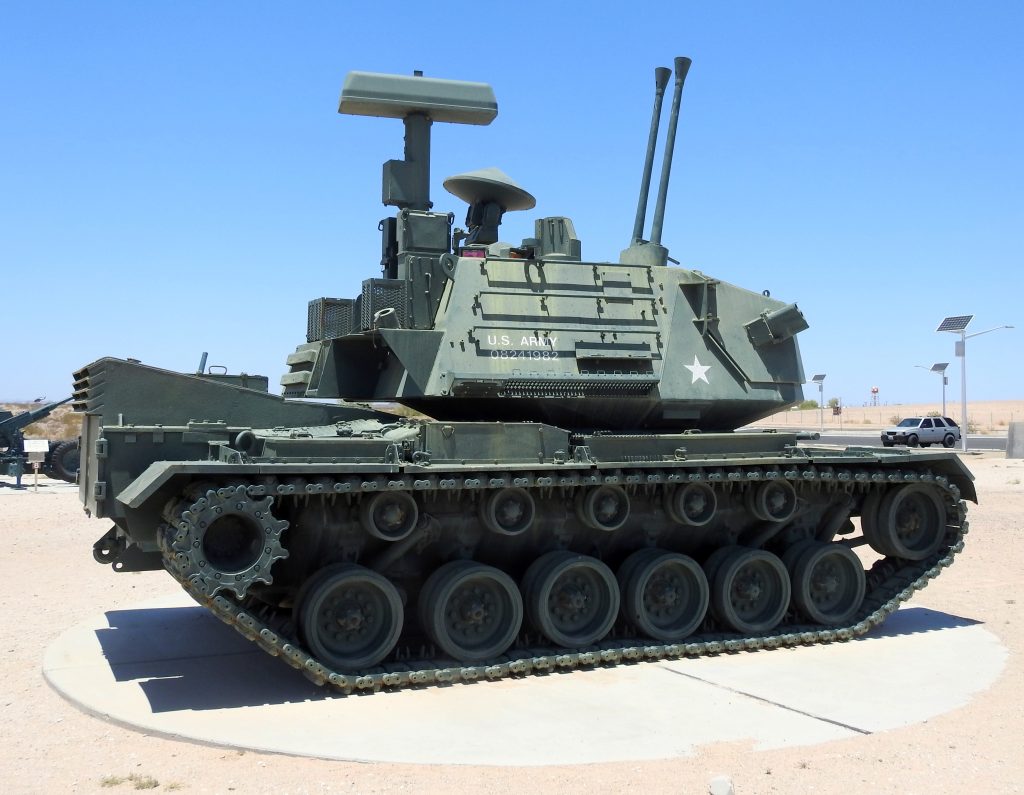
AiON is designed to be compatible with existing inventory management systems, answering the need to utilize existing, fielded hardware rather than waiting for new systems. This is reflective of the need for AI integration with remote weapon systems so autonomous search and destroy capabilities can provide target location information into the COB. This has the direct effect of improving the sensor-to-shooter timeline, which is a priority as outlined in the testing doctrine at Yuma Proving Ground.
7. Safety Measures for Friendly Air Traffic
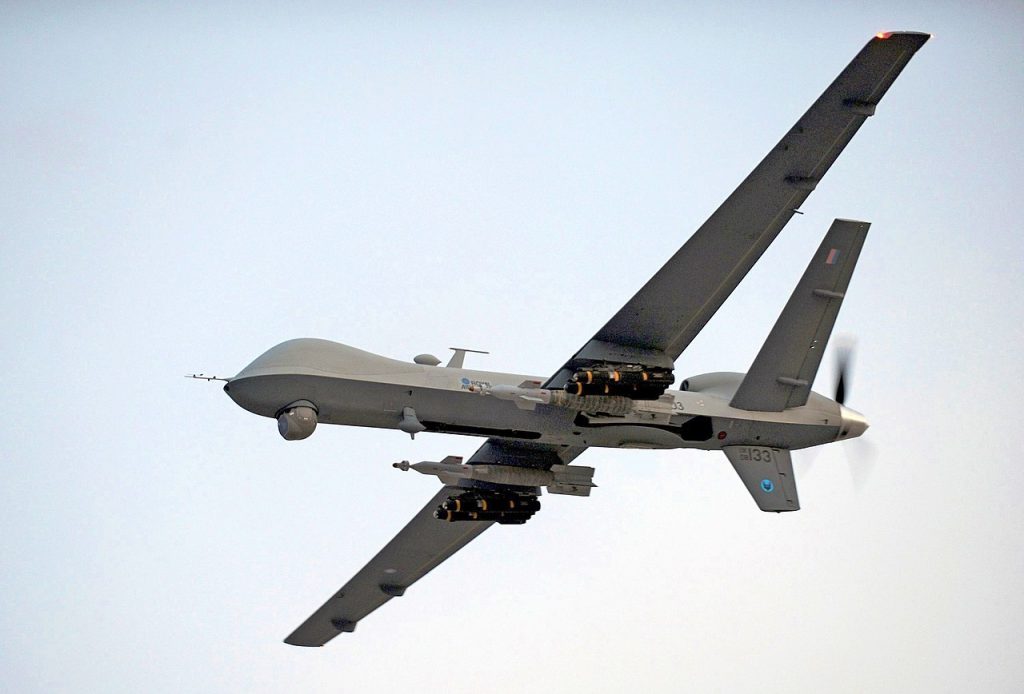
The key feature is the ability to suppress or avoid friendly air tracks while engaging. In a typical battle space, the presence of friendly UAVs and aircraft simultaneously presents a challenge when threat systems are also operational; thus, AiON suppresses fratricide. The AiON platform provides human operators the ability to monitor and override engagements to prevent the use of lethal force when it is inappropriate.
8. Alignment with Layered Defense Strategies
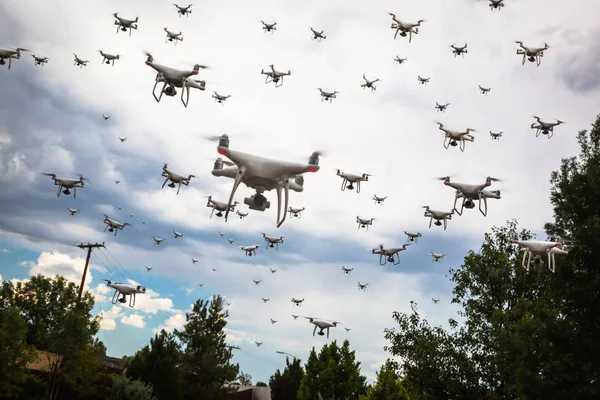
To address these issues, the Center for a New American Security has called upon the DoD to design resilient and layered defenses by integrating active and passive components. For its part, the architecture of AiON promotes the integration of different sensors and effectors that allow layers of intercept ranging from short-range kinetic interceptors to electronic warfare. This is particularly important in the case of a swarm of drones where cost-effective interceptors have been considered more useful than missiles.
9. Pathway to Allied Adoption
With production rights in place, Northrop Grumman is already preparing for possible AiON deployments not only in the country, but also for other allied nations. The company believes that “significant future opportunities exist to work with other customers and allies who understand the fundamental need for innovative solutions such as AiON.” This is in line with multinational exercise programs like NATO Bold Machina, where mutual development and interoperability are assessed to counter emerging remotely-controlled unmanned aerial threats. The fact that AiON is moving from the prototype phase to production is a major advancement in the field of counter-UAS technology.
With the ability to autonomously engage, be modular, use passive detection, and integrate with current systems, AiON meets the technological and operational requirements of the new world of drone war. When adversaries can develop swarms of low-cost, intelligent drones, the ability to quickly deploy effective systems is no longer an advancement, but rather an imperative.


