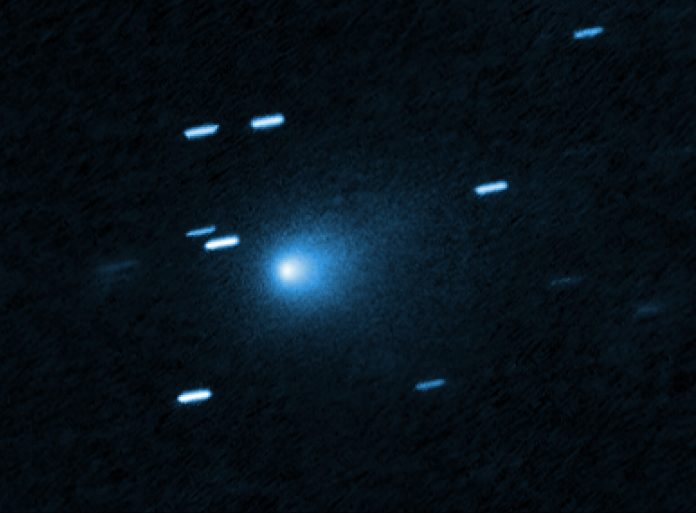
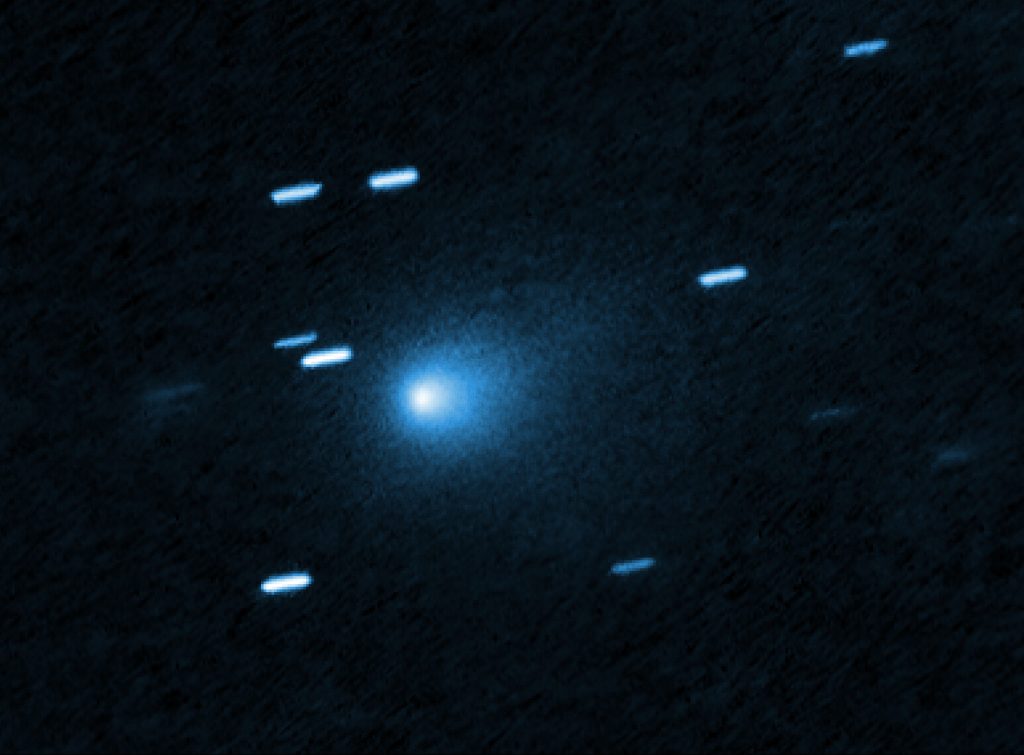
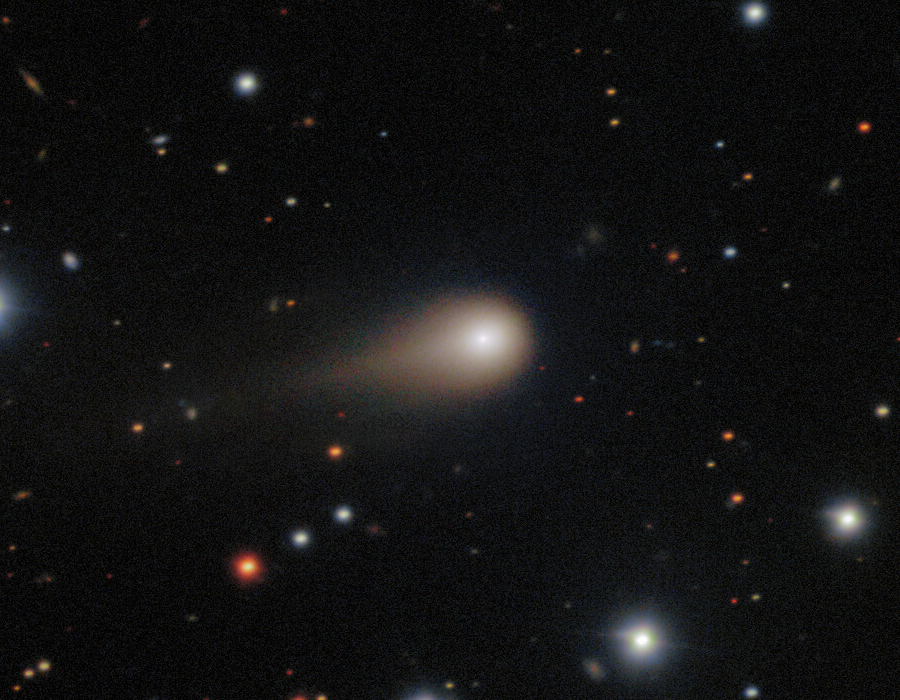
The appearance of 3I/ATLAS in December 2025 has plunged the field of cometary science into uncharted territory. Its anti-tail, an event occurring only when cometary material ejects in the direction of the sun, has extended an impressive 500,000 kilometers, which is larger than the average Earth-Moon distance. Cometary activity of this extent, reached only 45 days after perihelion passage, requires minimum sunward velocities of 130 m/s with respect to the nucleus. Whether or not it is possible without propulsion is unclear.
1. Physics of the Anti-Tail
Cometary dust dynamics are typically described by the ratio β of solar radiation pressure forces to solar gravity. For comets, the dust tails lie outside the Sun, while anti tails appear sunward of the comet from an Earth viewpoint if the larger particles are projected from the sunlit sides and remain gravitationally bound long enough. Finston-Probstein analyses and variants for the geometry near the Sun predict size, launch velocity, and solar angular width that can increase the β value and create features, as observed in C/2014 UN271. For the comet 3I/ATLAS, both the extreme elongation and sunward motion imply efficient acceleration and possibly even non-thermal acceleration of the dust.
2. Imaging Anomalies and Jet Geometry
High-resolution observations showed a bright and narrow solar-oriented jet, a hollow-looking nucleus, and asymmetrical brightness in the coma. The collimated jet argues against fan-shaped patterns produced by rotating gases. The ‘X-shaped’ features, likely indicative of ejected small objects with speeds of approximately 500 m/s, lie perpendicular to the Sun-alignment, a characteristic untypical for solar-heated jets.
3. Polarimetric Signatures
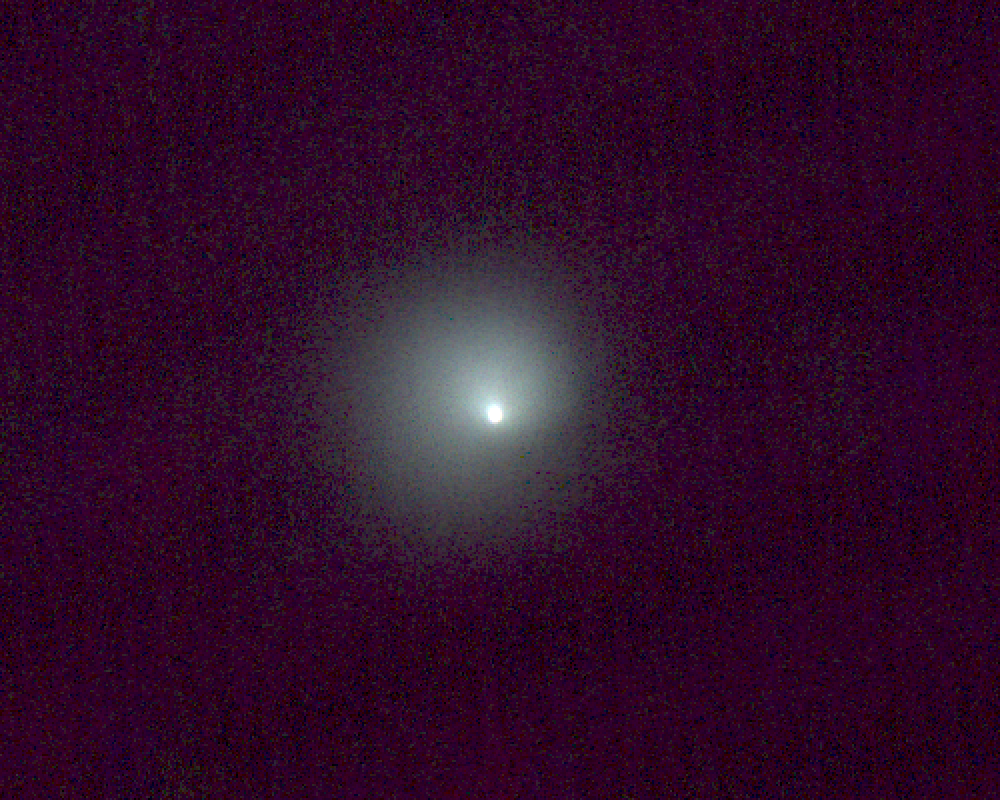
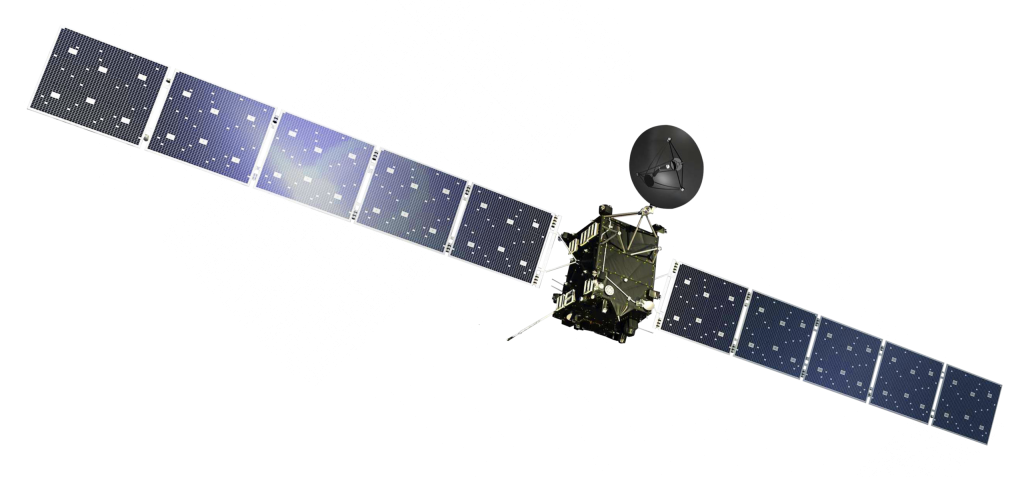
The polarimetric observations indicate a strong negative branch (P_min ≈ -2.7% at ∼ 7° phase angle), with inversion occurring at 17°, which is larger than would be expected for a comet. This could be explained by regolith or nano-scale surface structures. Comparison with in-situ Rosetta observations at 67P/C-G suggests that while dark, large particles can give rise to strong negative polarization, the strength observed at 3I/ATLAS could be exceptional.
4. Detection limits and survey capabilities
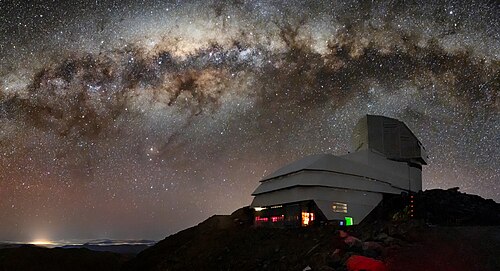
Current surveys such as Pan-STARRS and ATLAS are capable of detecting objects >100 m in diameter out to 1 AU, but not smaller or faster ISOs. An expected future survey with the LSST Vera C. Rubin Observatory will image the sky every few nights, allowing machine-learning-based classification even among distant ISOs. Simulations have suggested LSST might be able to find ISOs in numbers high enough to determine whether 3I/ATLAS is an unusual object or representative.
5. Comparative Context: ‘Oumuamua and Borisov’
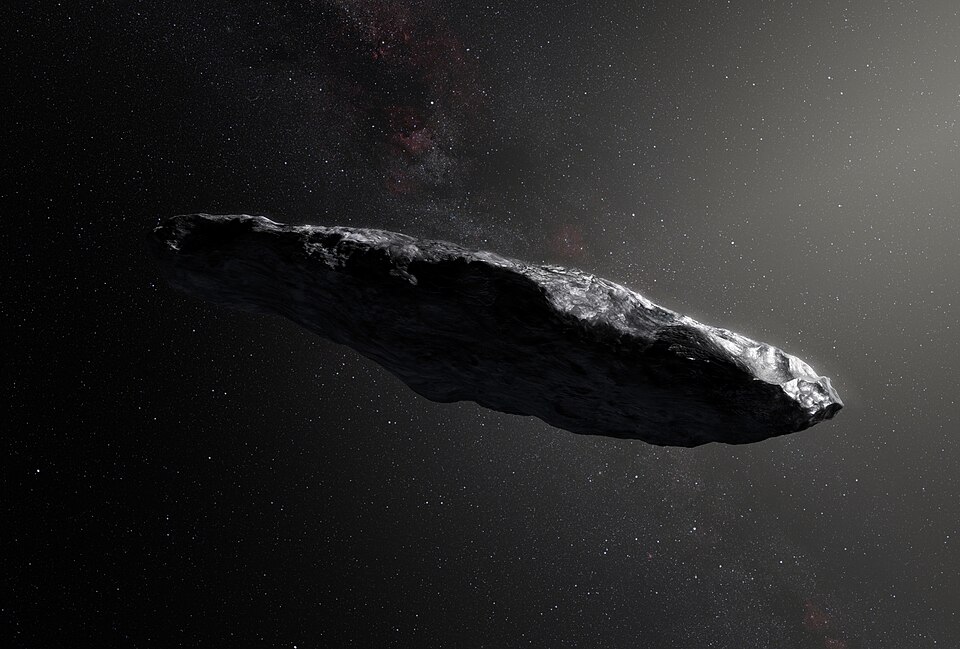
1I/’Oumuamua demonstrated several anomalous properties, including non-gravitational acceleration without an observable coma, an extreme aspect ratio exceeding 10:1, and unusual spectral characteristics, placing it at rating level 4 on Loeb’s scale. In contrast, 2I/Borisov behaved consistently with conventional interstellar comets, exhibiting clear gas emission, dust activity, and a composition similar to Solar System comets, resulting in a rating level 0. Notably, 3I/ATLAS appears to share multiple characteristics with 1I/’Oumuamua, including a steep orbital inclination of approximately 5° relative to the ecliptic, apparent coordinated flybys with planetary bodies, and the presence of dust without detectable gas emissions.
6. Loeb Scale Engineering Thresholds
The Loeb Scale is a formalization of anomaly analysis ranging from Level 0 (natural) through Level 10 (confirmed technological threat). Level 4 represents “the critical threshold at which hypotheses about technosignatures are brought into play.” In 3I/ATLAS analysis, parameters are spectral rarity scores (approximately 0.80), albedo anomalies (approximately 0.60), and trajectory improbability (approximately 0.90).
7. Chemodynamic Origins
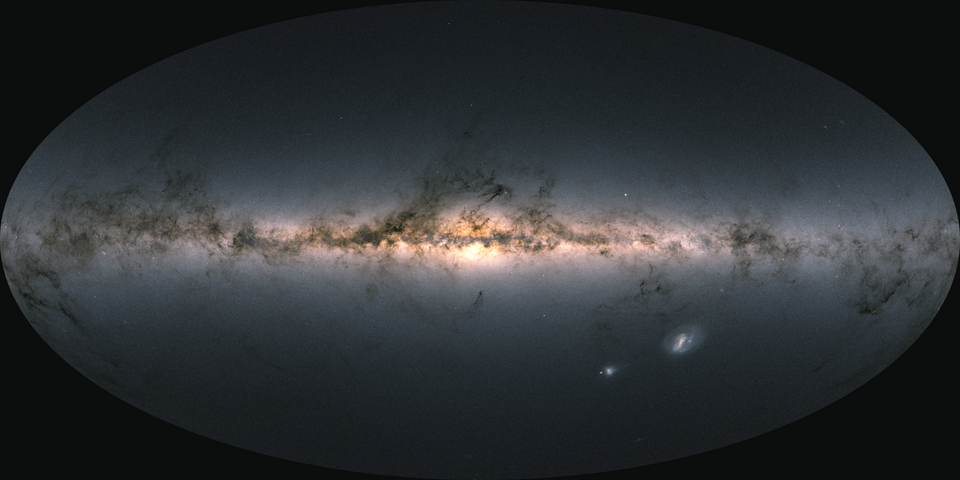
Analysis of Gaia DR3 data indicates ISOs retain the distribution of velocities from stellar moving groups, which correlate with ISODensity/ ISOMetal/ ISOCmjectory Planetesimal properties. The path of the 3I/ATLAS ISO near the center of the galaxy and the peculiarities of its composition may be indicative of it coming from a chemically different stellar population. Such chemodynamic signatures might indicate the diversity of extrasolar planetesimal engineering, natural or artificial.
8. Engineering vs. Extreme Naturalism
Natural explanations for 3I/ATLAS demand very unusual parameters for a thick crust that channels the jets, specific distributions for the dust grains to achieve deep negative polarization, and very unlikely orbital orientation. The “technology hypothesis” is highly speculative and makes sense in the geometry for the directed jet, the sub-objects that are expelled, and the favorable trajectory for maneuvering.
“The approach by Loeb provides the guarantee that the possibilities are considered without jumping to any conclusions.”
The intersection of dust jet physics, polarimetric anomalies, and unlikely orbital mechanics makes the object 3I/ATLAS a key case study in the coming generation of studies of interstellar objects. In the coming age of detection by the LSST, the oddity or ubiquity of these engineering-like objects will be measurable.


