Towards the end of 2025, Elon Musk’s verbal cognitions about orbital data centers escalated from intermittent thoughts to an all-out push, positioning them as the only logical progression of AI infrastructure. “The simplest and most ambitious idea,” Musk has tweeted about his plan is to “transfer the heaviest computations to orbit where solar power is always available, and the primary expense relates to propulsion, not cooling. This is happening. Next step: orbital data centers.” The context is ripe AI models swelling to the point of stressing the planet’s power infrastructure, the upcoming 2026 IPO of SpaceX by investors eager to capitalize on its growing success, and Jeff Bezos’s Blue Origin secretly working on similar infrastructure.
1. Energy Crunch and AI, a Widening Gap
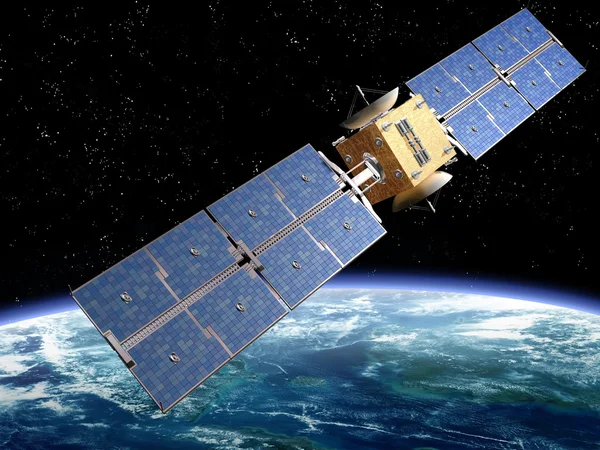
The global demand for computing power by artificial intelligence is increasing at an unprecedented rate. Goldman Sachs forecasts that the energy requirements for artificial intelligence could increase by as much as 165% by the year 2030, while data centers in the United States may account for up to 9% of the nation’s power consumption by that time. Conventional data centers are being resisted by local authorities regarding issues of land, water, and power consumption. The orbital satellite bypasses all these challenges by exploiting the sunshine in sun-synchronous orbits and emitting the excess heat into space.
2. Starlink V3 as the Compute Backbone
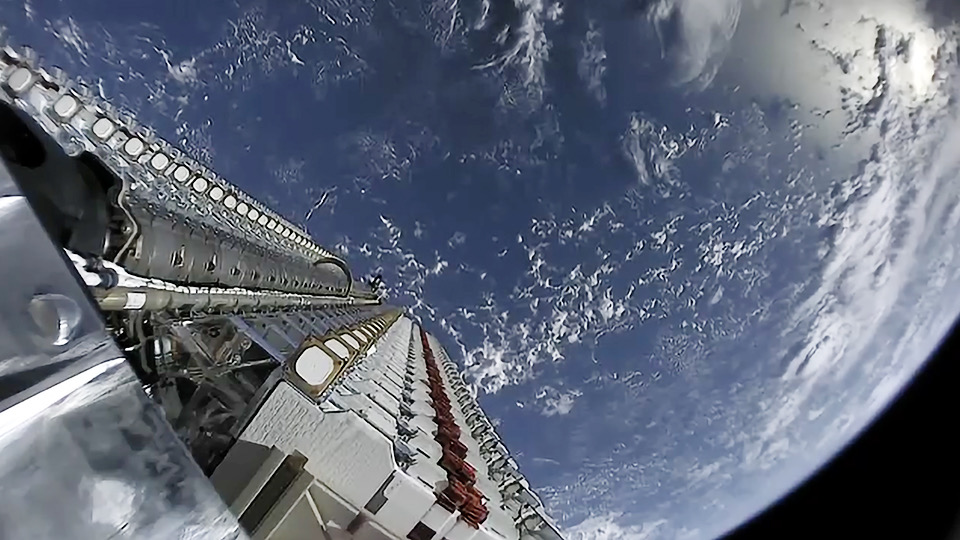
Musk has said, “Just scaling the Starlink V3 satellite design, with high speed laser communications, would solve the problem.” The V3 satellite network, with speeds of 1 terabit per second per satellite, represents an improvement ten times greater than the V2 ‘mini’ satellite model’s 0.1 terabit speeds. With each Starship mission, 60 of these high-bandwidth satellites could be placed into orbit, with projected speeds of 300 to 500 gigawatts of solar AI compute power, which would represent computing capability exponentially greater than the 59 total gigawatts of data center capacity currently represented by Earth’s computing networks.
3. Starship’s Heavy-Lift Advantage
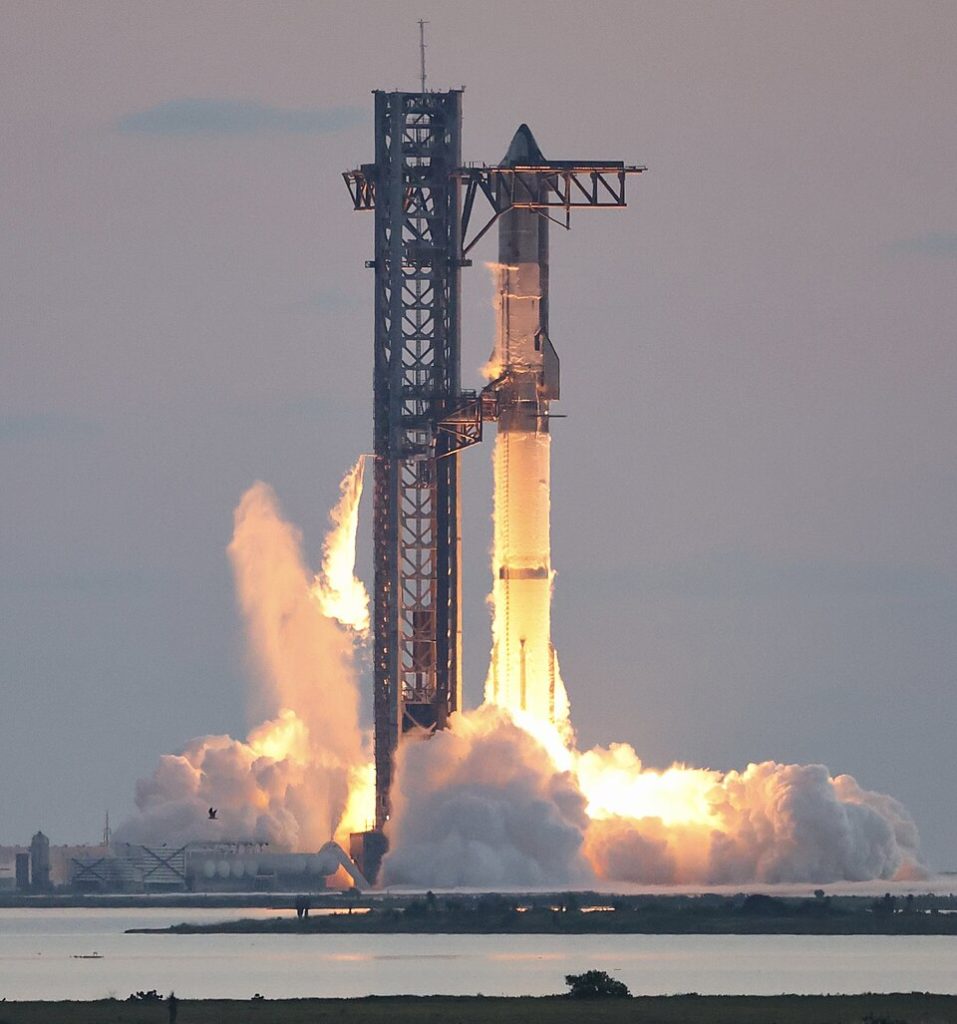
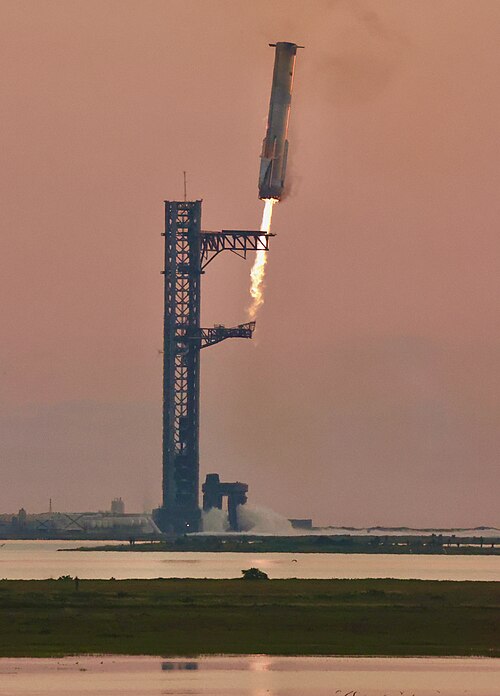
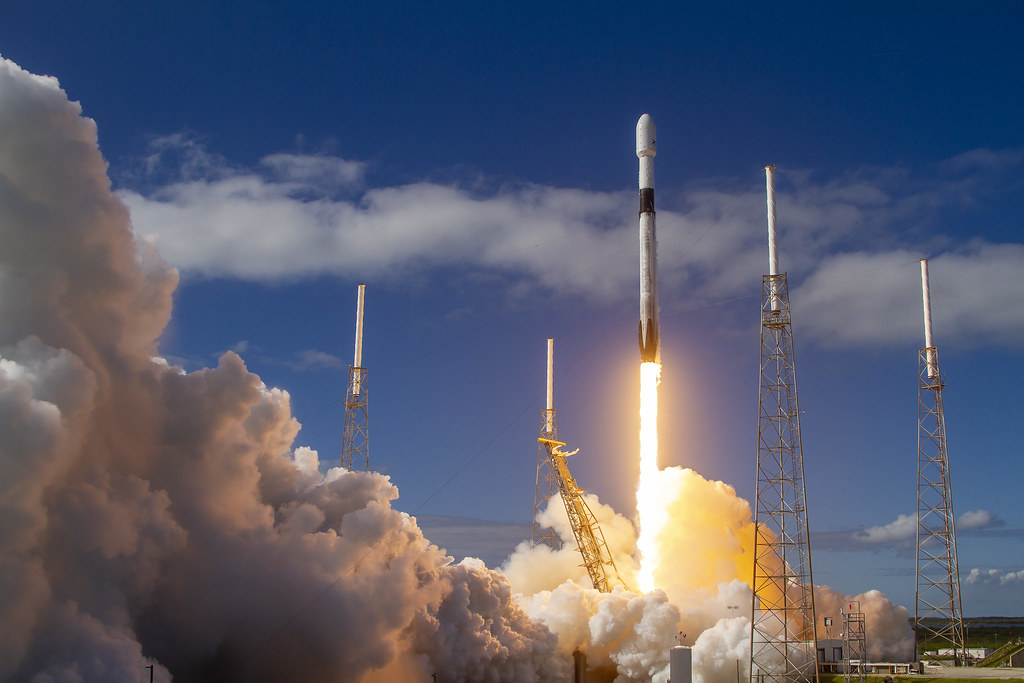
Orbital data centers are dependent on launch economics. SpaceX’s Starship is being developed as fully reusuable and aims at making costs go below $200 per kg, and this is seen as a tipping point if reached by Google’s Project Suncatcher as it equates orbital data centers to earth-based data centers. Starship’s carrying capacity of 100+ tons facilitates massive solar panels, radiators, and computing modules.

4. Laser-Linked Orbital Networks
“The focus on intersatellite optical communications is an integral part of Musk’s vision.” This is because the laser communications enable the transfer of information at the speed of light in a vacuum without the refraction that affects fiber-optic communications, reducing the latency to under 10 milliseconds across the globe. The system is mimicked from the data-center networks on Earth but scaled up to the orbital level. This is despite the difficulty in aligning beams between satellites that are traveling at high speeds and the effect of orbital drift.
5. Early Proof: Starcloud’s AI In Orbit
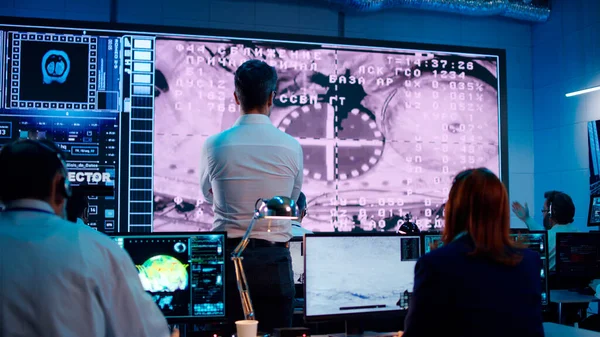
In the last month of the year, the Nvidia-supported Starcloud initiated the Starcloud-1 satellite, which comes with an H100 GPU and the power to perform computations 100 times more powerful than the previous models. This satellite also trained OpenAI’s NanoGPT on works by Shakespeare and performed computations with the Gemma model by Google. Its CEO, Philip Johnston, describes this technology “as a big start towards transferring almost the entire computation out of the Earth.” They will construct an orbital data center measuring 5 GW and have solar panels and cooling panels of width 4 kilometers.
6. Engineering Problems in Vacuum Conditions
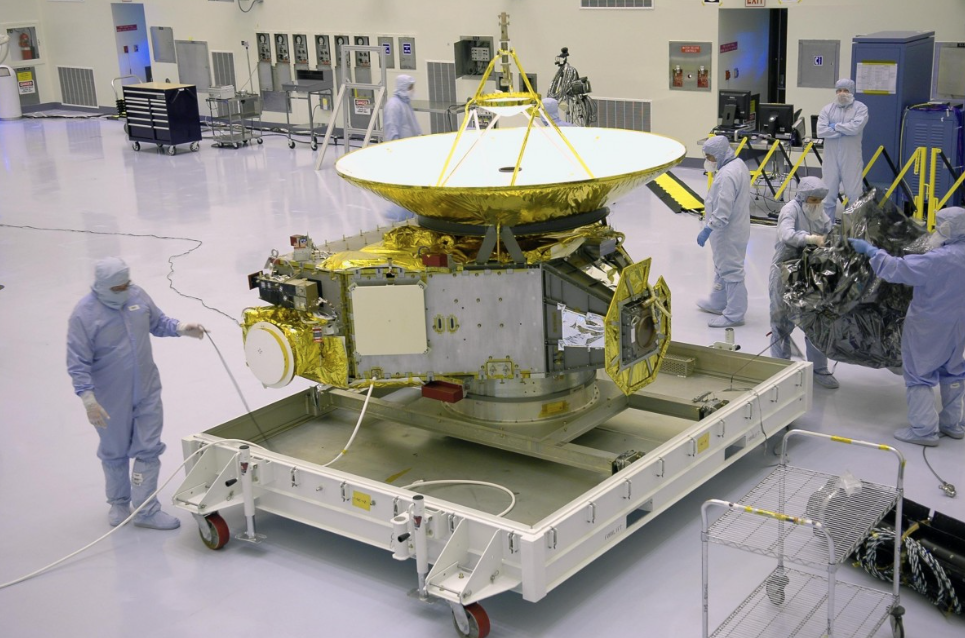
Thermal management can be considered one of the most difficult challenges to overcome. In the absence of convection or coolant, light must be dissipated with massive radiators; NASA research has shown that these could take up well over 40% of the mass of a high-power system. Radiation hardening presents another set of problems; although Google’s TPU has shown it could withstand thrice the level of anticipated radiation in orbit, its reliability under solar storms has never been tested.
7. Competitive Landscape and IPO Dynamics
Blue Origin has worked on the development of orbital AI data center tech for over a year, and Bezos expects gigawatt-sized clusters to emerge in space over the next two decades. Suncatcher, a data center to be developed by Google, plans for its first prototype launch in 2027. Aetherflux and Lonestar Data Holdings have other plans for space and lunar computer infrastructure. SpaceX and its $1.5 trillion IPO in 2026 could expedite the development of Starship and subsequent deployment to space. CFO Bret Johnsen said the funds will “deploy AI data centers in space, develop Moonbase Alpha and send uncrewed and crewed missions to Mars.”
8. Sustainability and Risk Factors
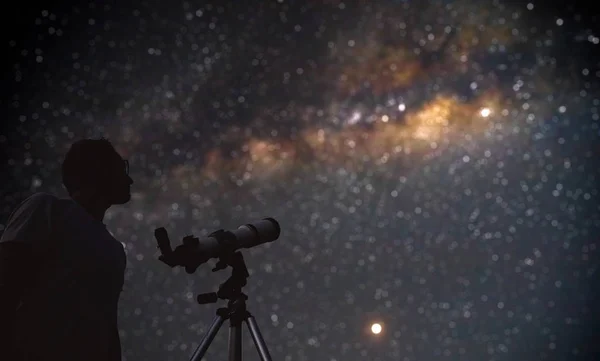
On one side, proponents point out possible reduction in carbon emissions by as much as 10 times in comparison with natural gas-based land-based data centers, yet concerns surround rocket launch and re-entry as possible sources of ozone-depleting substances. There are also light pollution risks, as pointed out by astronomers, in case massive solar panels fill up orbit. There are still no defined regulations on sovereign orbital data centers.
9. Strategic Implications for AI and Connectivity
The potential integration of the compute nodes with the direct-to-cell capability of Starlink could be the answer to the delivery of high-performance AI to areas with limited infrastructure build-out. According to Musk, the satellites would be able to create ‘bitstreams’ of AI and communicate only the answers with minimal bandwidth required to receive the information from space. Such a technological innovation could move the ‘center of gravity of cloud computing to space,’ thereby posing a new competition to the likes of Amazon’s AWS, Microsoft Azure, and Google Cloud computing service providers.
“It is possible that the next ‘Columbus Moment’ may actually come from space, if Musk and his SpaceX team can make good on his announced plans”1, wrote Joshua Foust, a space commentator in 2018, when Musk announced his plans about space internet and using satellites with laser communications connections for clarity and speed, and now with the availability of heavy-lift launch, laser networking, and AI’s relentless compute demand, the orbital data center is no longer a hypothetical idea but a space race reality.


