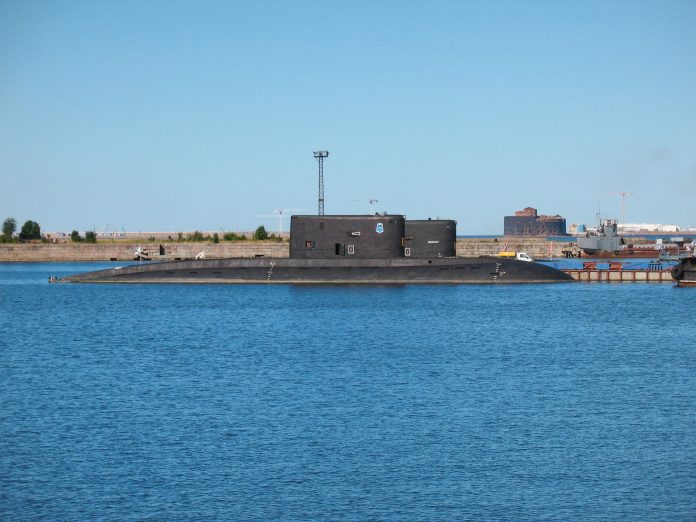
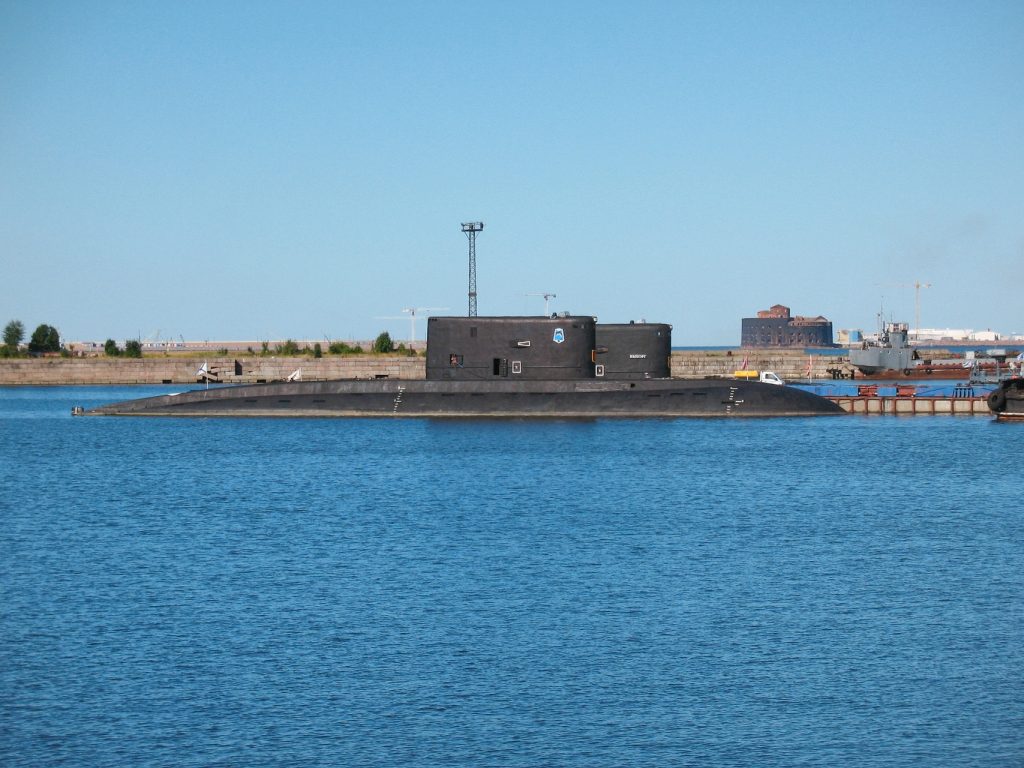
The first attack on a submarine in history that was conducted from an underwater drone has caused waves of shock in military circles, according to reports. On December 15th, the Security Service of Ukraine (SBU) asserted that their “Sub-Sea Baby” unmanned underwater vehicle (UUV) had severely damaged the Kilo class submarine docked at the port facility in Novorossiysk. The city had long been seen as beyond the reach of Ukrainian forces. Russia does not confirm that any damage was inflicted.
This strike is not an isolated occurrence. This is only the latest in a set of deep strike attacks involving unmanned systems and precision targeting against Russia’s military and energy infrastructure. This strike and those preceding it represent not only innovation on the part of Ukraine but also the application of these tools to leverage their power in peace negotiations.
1. Historic First Use of UUV in Combat against a Submarine
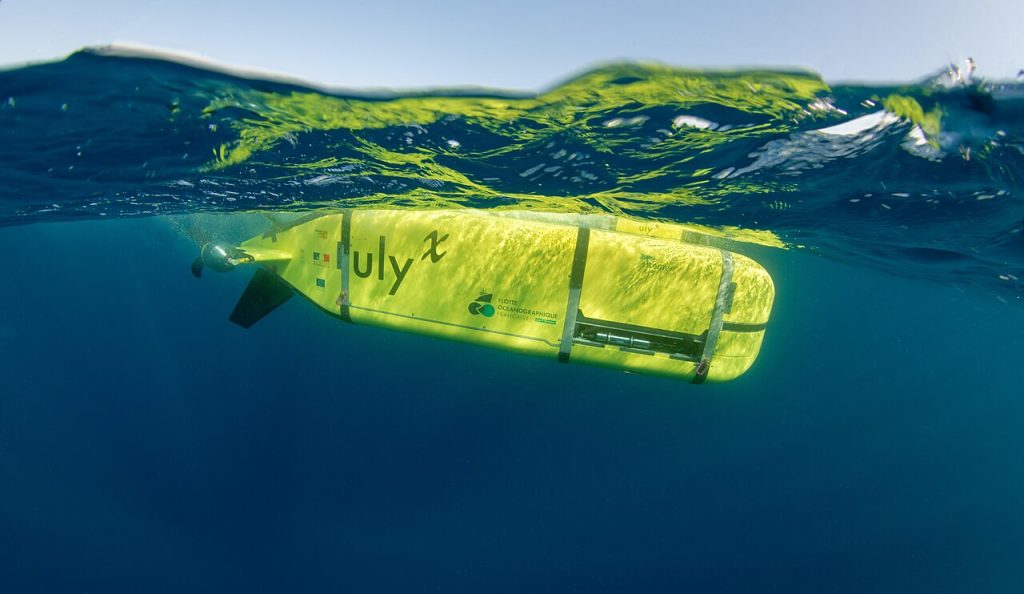
The SBU’s attack on the submarine in Novorossiysk marks the first internationally documented underwater drone strike on a submarine. In a statement published in Reuters, Alexander Kamyshin, an adviser to President Volodymyr Zelenskyy, asserted that “it was the first time in history that an underwater drone had neutralized a submarine.” The Sub Sea Baby successfully infiltrated the busy harbor to attack the Project 636.3 Varshavyanka submarine with four Kalibr cruise missiles. Its capacity to breach the defenses in a harbor will make obsolete most defensive methods designed for conventional drones.
2. Targeting Russia’s ‘Black Hole’ Sub
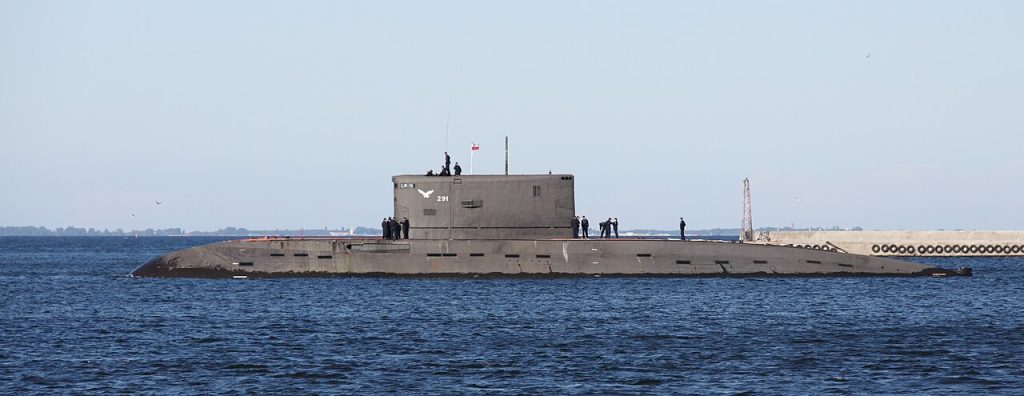
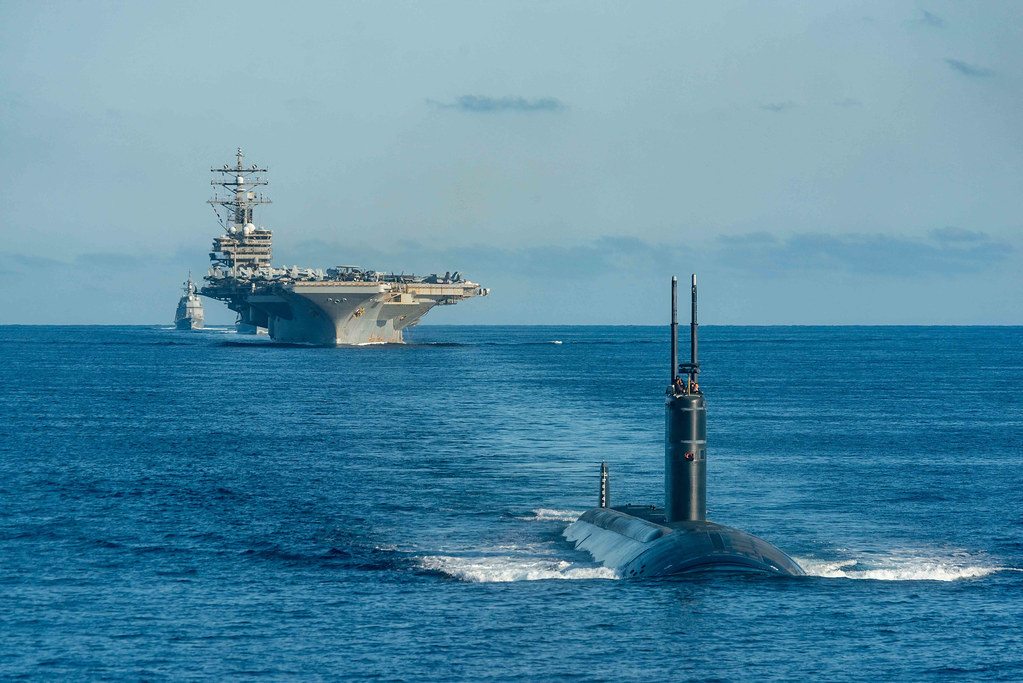
The Improved Kilo class, codenamed “Black Hole” due to its acoustic stealth capability, is estimated to cost $400-500 million even under sanctions rules. These diesel-electric submarines play a crucial role in Russia’s strike powers and have been attacking Ukrainian infrastructure via Kalibr missiles. A damaged submarine in its berth would mean that Russia loses not only a precious asset but also its deterrent effect as well. Needed repairs would necessitate surface operations that could again come under attack, which would be an operational nightmare for Russia’s Black Sea Fleet’s maintenance teams.
3. Evolution from USVs to UUVs
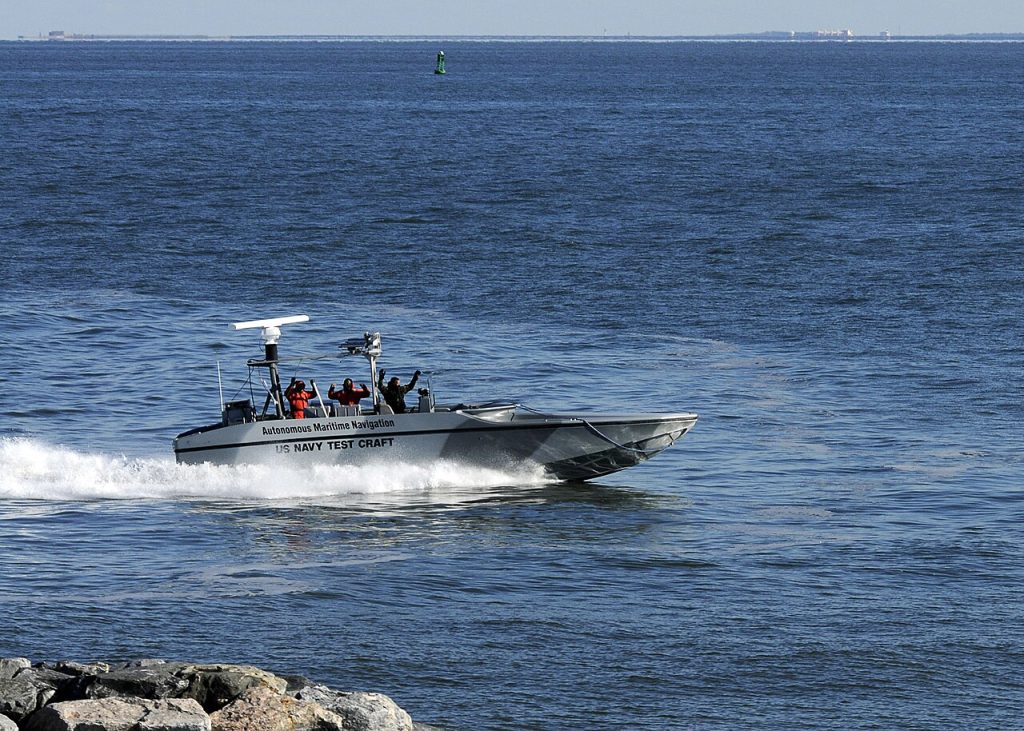
Prior successes by Ukraine involving unmanned surface ships (USVs) like the Magura V5 generated the momentum that inspired the development and launch of underwater drones. “Magura series models,” the company explains, “have achieved unique successes: the sinking of the Ivanovets corvette and Tsezar Kunikov landing ship. Total losses for the fleet amount to more than $500 million. “UUV Marichka and Toloka are the newest additions in the portfolio launched in 2023. Their mission is kamikaze attacks on ships and infrastructure.
4. Forcing Fleet Relocation
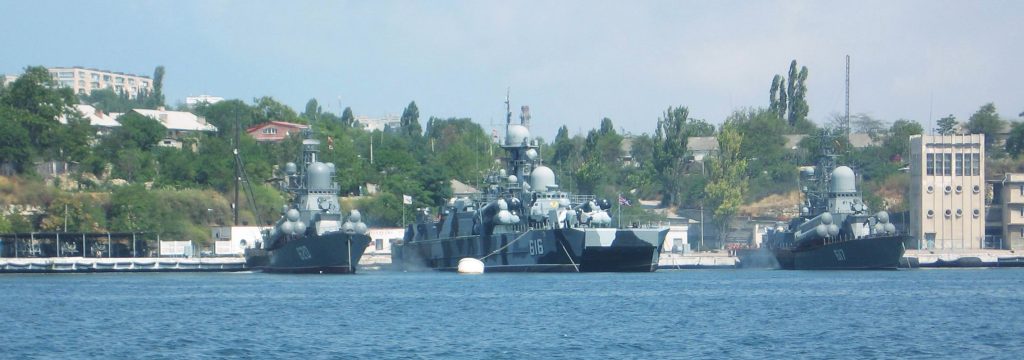
Repeated USV and missile strikes have already forced the Black Sea Fleet of Russia to move from Sevastopol to Novorossiysk. The September 2023 attack on the submarine at Rostov-on-Don, which was in dry dock but targeted by Storm Shadow missiles and USVs, has left it beyond repair, according to experts H.I. Sutton and Aaron Amick. Now, Novorossiysk itself is under threat, thus removing all havens for the Black Sea Fleet and making submarine maintenance even more difficult.
5. Integration into Deep-Strike Campaign
The submarine strike is also part of Ukraine’s larger plan that targets the military and energy infrastructure within Russia’s interior. Since August 2024, Ukraine has targeted 77 energy targets, including refineries, export points, and offshore platforms such as Lukoil’s Filanovsky offshore platform. This is part of the “long-range sanctions campaign.” This campaign targets Russia’s war budget and has involved the highest monthly number of attacks in the month of November.
6. Swarm and Decoy at Sea
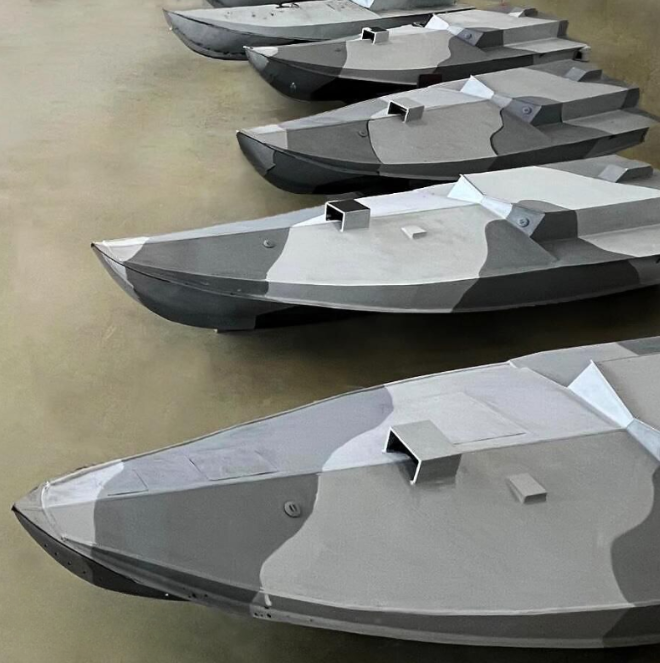
The Ukrainian naval drone strategy relies on swarms of decoy drones to saturate the defenses while strike drones carry out attacks using explosive payloads. This has destroyed a third of Russia’s Black Sea Fleet and has resulted in a de facto blockade of Russia’s ports. According to General Valerii Zaluzhnyi, “The sea space has gradually been occupied by naval drones. Now, powerful ships hide in protected ports.” The key here is the asymmetry of costs drones are very cheap in contrast to warships.
7. The Increasing Role of Navy Drones
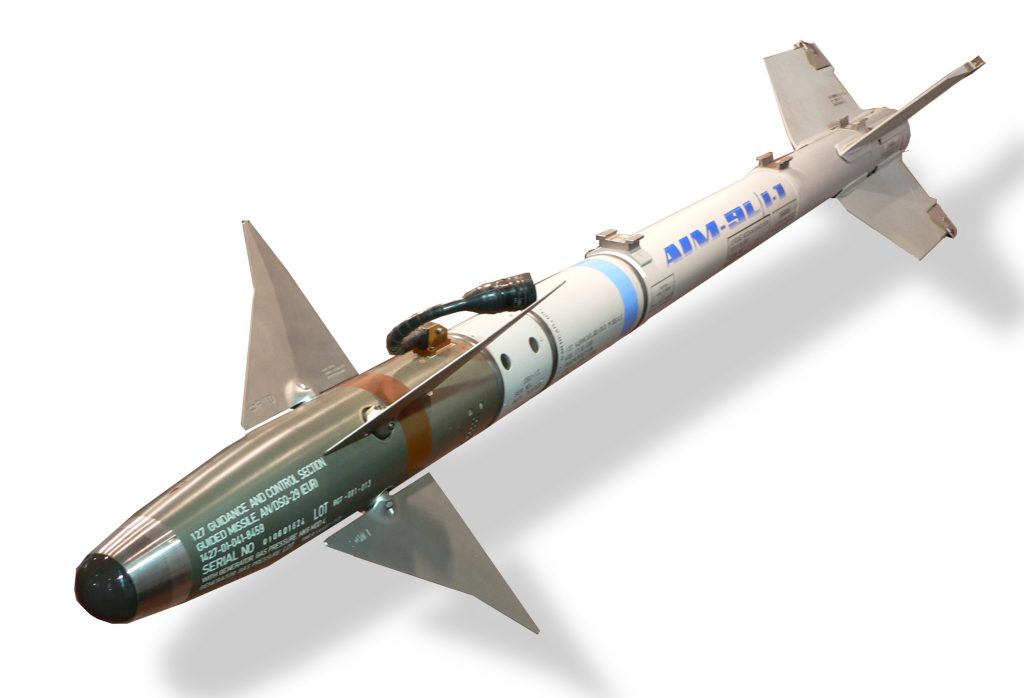
In addition to ship strikes, Ukraine has repurposed its sea drones to serve as launchers of FPV kamikaze drones, engage ground targets, air defense systems, and even combat aircraft. In May, 2025, Magura V7 sea drones launched AIM-9 Sidewinder missiles to destroy two Russian Su-30 fighters in the Black Sea. In doing so, each ship now presents a multi-domain threat, which is able to conduct surveillance, mine laying, and precision strikes well away from their homeland.

8. Fast Innovation Cycles
Current Cat and Mouse Exemplars Russia’s USV Designs are Influenced. Innovation Cycle of Two to Three Months USV Designs are Influenced by Ukrainian Designs, But the Innovation Leader is Ukraine Due to its Operational Experience Advantage. The Innovation Cycle is Stated by SAMUEL BENDETT of the Center for a New American Security (CNAS). The launch of the Sub Sea Baby exemplifies the capacity of the Ukrainian forces to develop prototypes into battle-ready units within a shorter duration compared to its opponent.
9. Strategic Leverage in Peace Talks
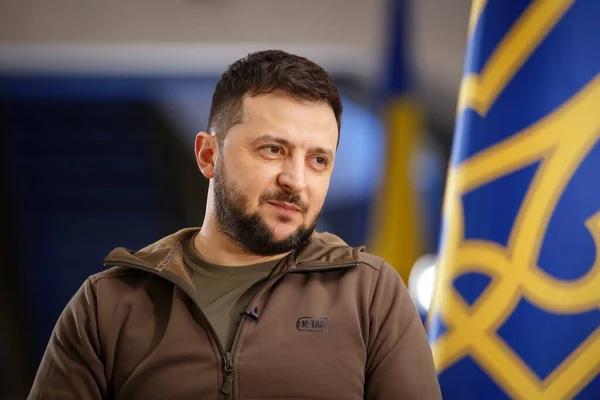
The value of being able to strike back comes through in President Zelenskyy’s comments on their bargaining position in negotiations: “Our ability to produce weapons and strike back are our leverage in negotiations” (German-Ukrainian economic forum). The display of their reach in the port of Novorossiysk, even in highly sensitive negotiations, shows Ukrainian strength in negotiating the terms of the settlement.
The Ukraine’s strike against a Russian submarine beneath the ocean’s surface is more than just a victory on the battlefield, as it reflects a new era of naval warfare, where unmanned technologies are poised to change the way that wars are fought at sea. By taking a tactical approach that mixes technological prowess with precision, Ukraine has diminished the ability for freedom of action for the Russian Black Sea Fleet, as well as stretching a campaign of deep strike attacks into Russian-protected zones.


