Forget the old playbook in naval warfare; Ukraine just tore it out and set it ablaze. In a conflict already defined by technological improvisation, Kyiv has pulled off an audacious claim of the first-ever underwater drone strike to disable a submarine, challenging decades of maritime doctrine. If reports are to be believed, the prized Kilo-class diesel-electric boat of Russia, armed with Kalibr cruise missiles, was put out of action within its own port.
This is more than another strike in the Black Sea campaign; underwater, uncrewed vehicles are breaching defended harbors to reach those targets that have been most elusive beneath the surface as this attack marks a jump into a new phase. For defense analysts and military technologists, the operation afforded a rare glimpse at how asymmetric innovation can upend conventional force advantages-and why the world’s navies are now watching Ukraine’s drone programs with sharpened attention.
1. First Recorded UUV Strike on a Submarine
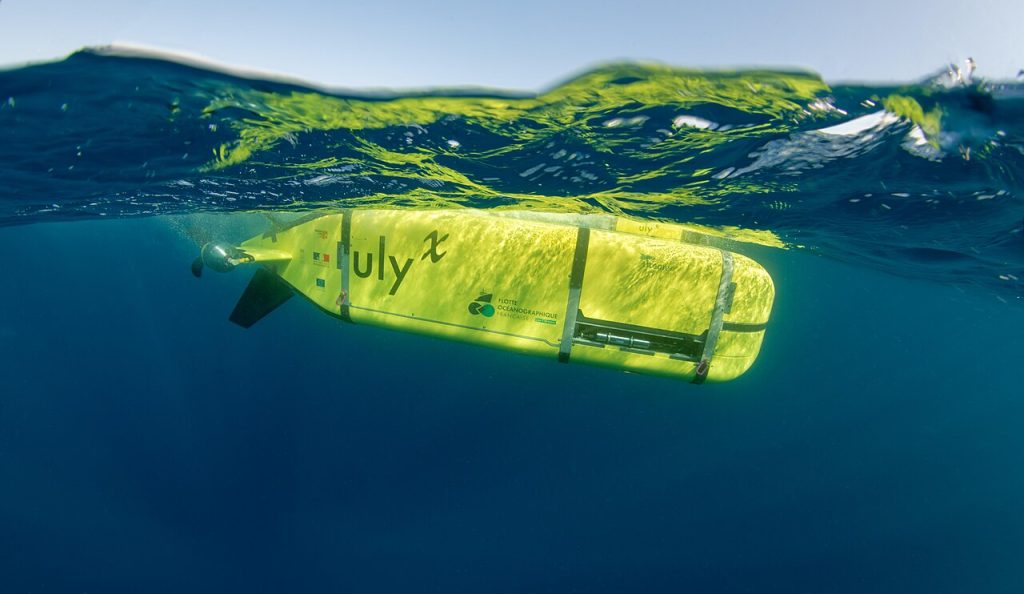
The SBU, Ukraine’s Security Service, claimed its “Sub Sea Baby” drones had conducted a precision strike against one Russian Project 636.3 Improved Kilo-class submarine in Novorossiysk, publishing footage showing an apparent sudden explosion at the dockside. Moscow denied any damage was sustained, but the SBU insisted the vessel indeed had been disabled-a first-of-its-kind successful use of an uncrewed underwater vehicle in such an anti-submarine function. The congested nature of the harbor in which the strike occurred speaks both to the guidance capabilities of the drones and the skill of the operators.
2. Target: Russia’s ‘Black Hole’
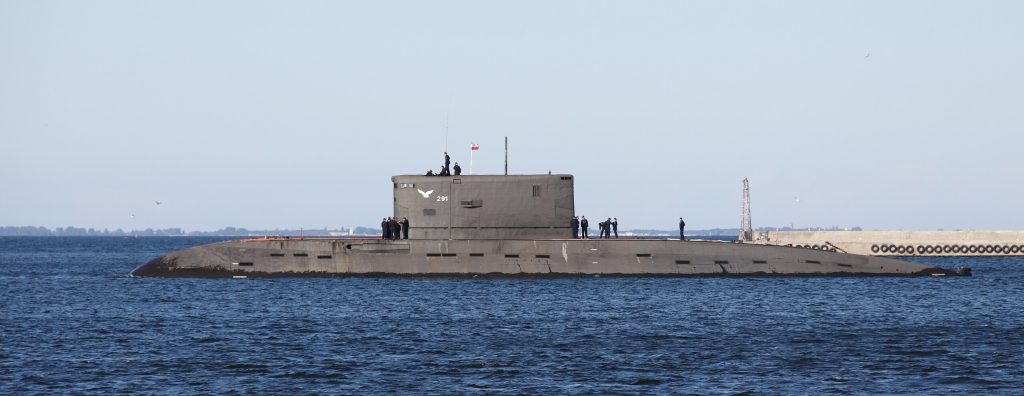
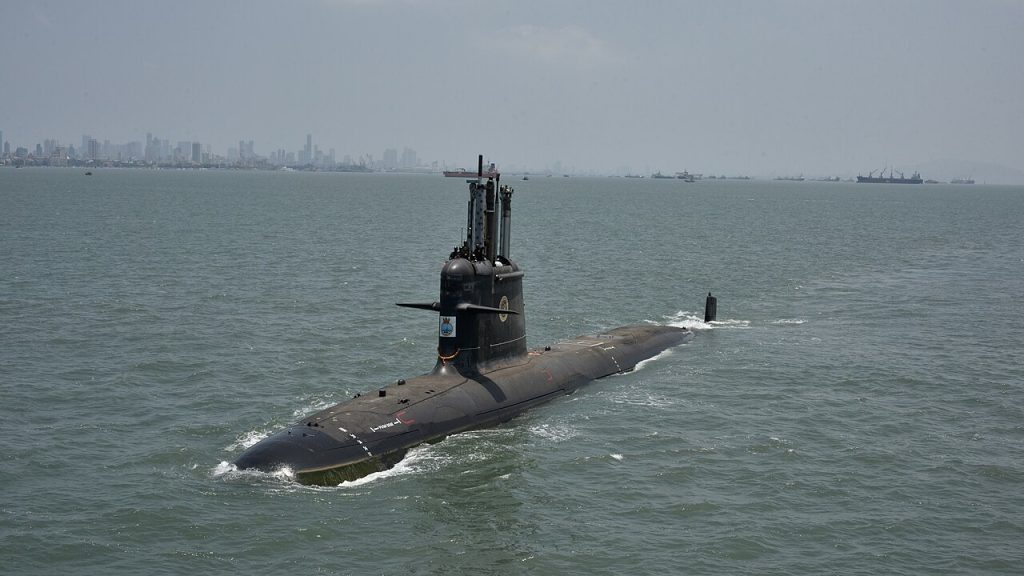
Due to acoustic stealth, the Improved Kilo-class is considered one of the most silent diesel-electric submarines in the world and has earned the “Black Hole” nickname. Measuring 74 meters and displacing over 3,900 tons, it is capable of diving down to 300 meters and can conduct operations up to 45 days with a crew of 52. Equipped with six 21-inch torpedo tubes, it is capable of carrying up to four Kalibr cruise missiles-a weapon used extensively against Ukrainian cities. The removal or disabling of such a platform takes away from Russia’s Black Sea Fleet one potent strike asset.
3. Strategic Impact on the Black Sea Fleet
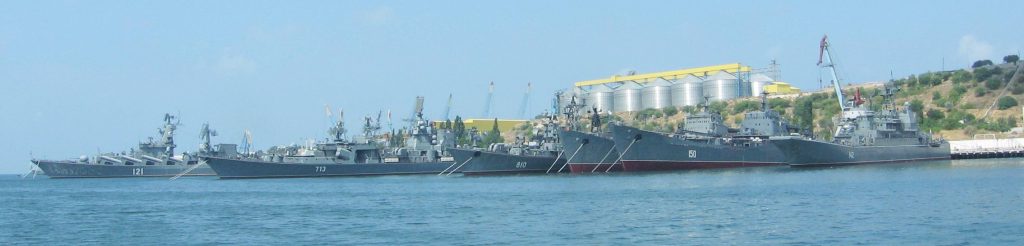
Already, Ukraine’s Naval drone campaign has forced Russia to move much of its fleet from Sevastopol to Novorossiysk-considered by the Russians a safer haven, it has now been shown to be well within reach for Ukrainian systems. Were this to be confirmed, the loss would cut the numbers of operational Russian submarines in the Black Sea from four to three-three capable of Kalibr. Repairing the vessel would involve above-water work, putting it very much at risk of follow-on attacks.
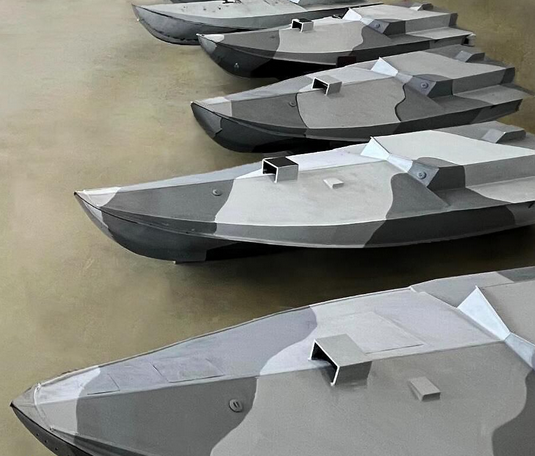
4. Evolution of the Sea Baby Platform
From a single-shot strike craft, Sea Baby has grown into a reusable multirole system. As SBU Brigadier General Ivan Lukashevych reported, the new systems include an AI-assisted friend-or-foe targeting system with increased range to 1,500 km, payload carriage up to 2,000 kg, variants fitted with rocket launchers, machine-gun turrets, or deploy aerial drones. These upgrades further widen the scope of use, where strikes are allowed well out of reach of enemy firing capabilities, thus enabling complex, layered attacks.

5. Asymmetric Warfare in Practice
Ukraine’s turn to maritime drones was born of necessity. When in 2014, it lost the majority of its fleet, Kyiv followed an asymmetric approach that combined coastal missile systems with small boats and air support. Then in 2022 came a new addition: sea drones. More than a third of Russia’s Black Sea Fleet was damaged or destroyed, including high-value vessels like the flagship Moskva. “An extraordinary tribute to the Ukrainian tech sector and those in uniform,” said retired Gen. David Petraeus.

6. Penetrating Defenses
The Russian defenses against key ports-like Sevastopol Bay-are multilayered, long-, medium-, and short-range systems of detection and destruction. UUVs provide a way to defeat some of those barriers because operating beneath surface obstacles allows exposure to aerial overwatch to be greatly reduced. Being underwater also reduces countermeasures developed against surface drones, like helicopter-deployed FPV interceptors.
7. Global Race for Underwater Drone Capability
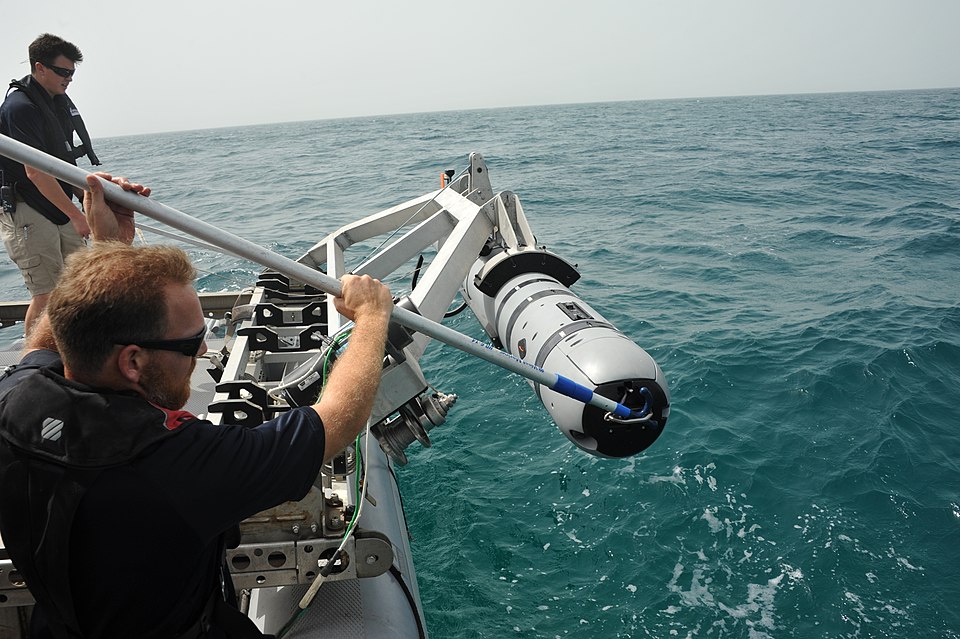
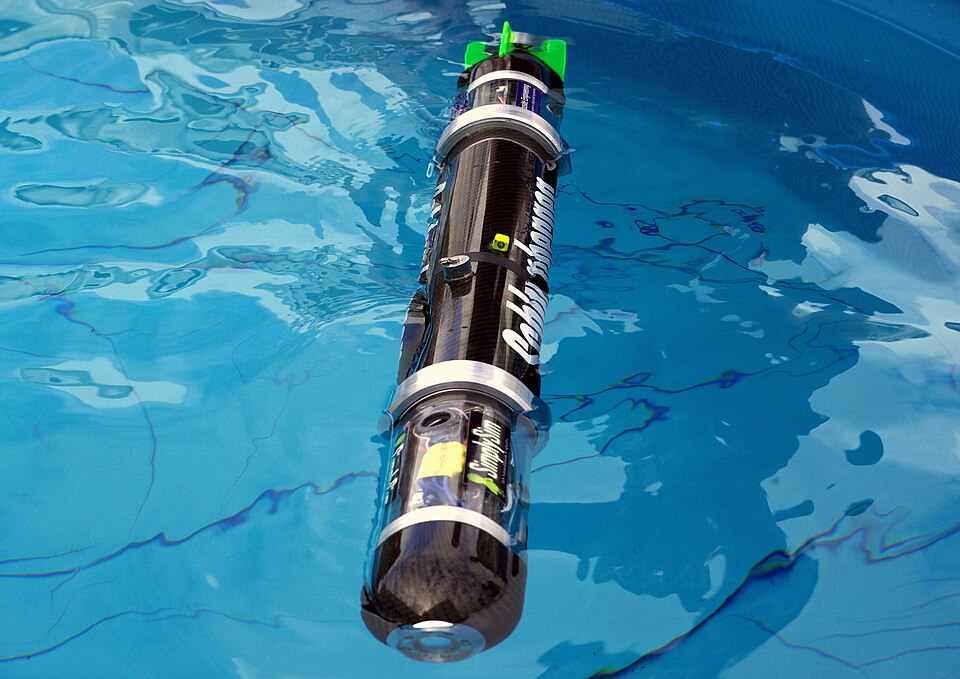
Beyond Ukraine, the navies of the United States, China, and NATO allies are making major investments in UUVs. Such systems could be launched from submarines or motherships, extend operational reach and serve in reconnaissance, mine-laying, and strike roles. That reach-out-and-hit capability of targets in port at great distances is seen as a harbinger of future maritime conflict.
8. Economic and Logistical Blow
The SBU estimates the value of a Kilo-class submarine at $400 million, with the effect of sanctions pushing replacement costs as high as $500 million. The Russian shipyards have very limited access to sophisticated components; thus, repairs or replacement are very slow and highly expensive. This adds financial pain to an already substantial operational loss as Moscow ramps up production of other unmanned systems.
9. Innovation-Countermeasure Cycle
The adaptation of Ukrainian drones by Russian forces drove the success rate down from 85% to less than 10% in some areas. Kyiv responded with upgrades: adding missile modules, machine guns, and an aerial drone deployment capability. This is an iterative cycle indicative of broader trends in modern warfare: each innovation prompts rapid countermeasures, demanding continuous technological evolution.
10. Redefining Naval Combat Doctrine
The strike at Novorossiysk tested an assumption that submarines were safe in ports from attack, while also demonstrating how autonomous underwater systems could neutralize high-value assets without hazarding crewed vessels. As emphasized by the SBU itself, the operation sends a very clear signal: modern unmanned systems are capable of changing the equation of naval power and thus compelling doctrinal reassessment on the part of navies everywhere.
Ukraine’s claimed disabling of a Russian submarine with an underwater drone is more than a tactical win; it is a strategic statement. It is a sign that even the stealthiest and best-protected assets are within reach for a system that is relatively inexpensive and highly innovative. For military planners, the lesson is clear: the underwater battlespace is no longer the sole domain of manned submarines, and for the capabilities beneath the waves, the race has started.


