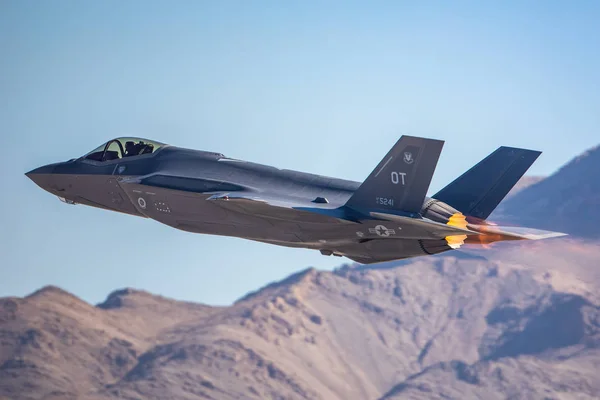
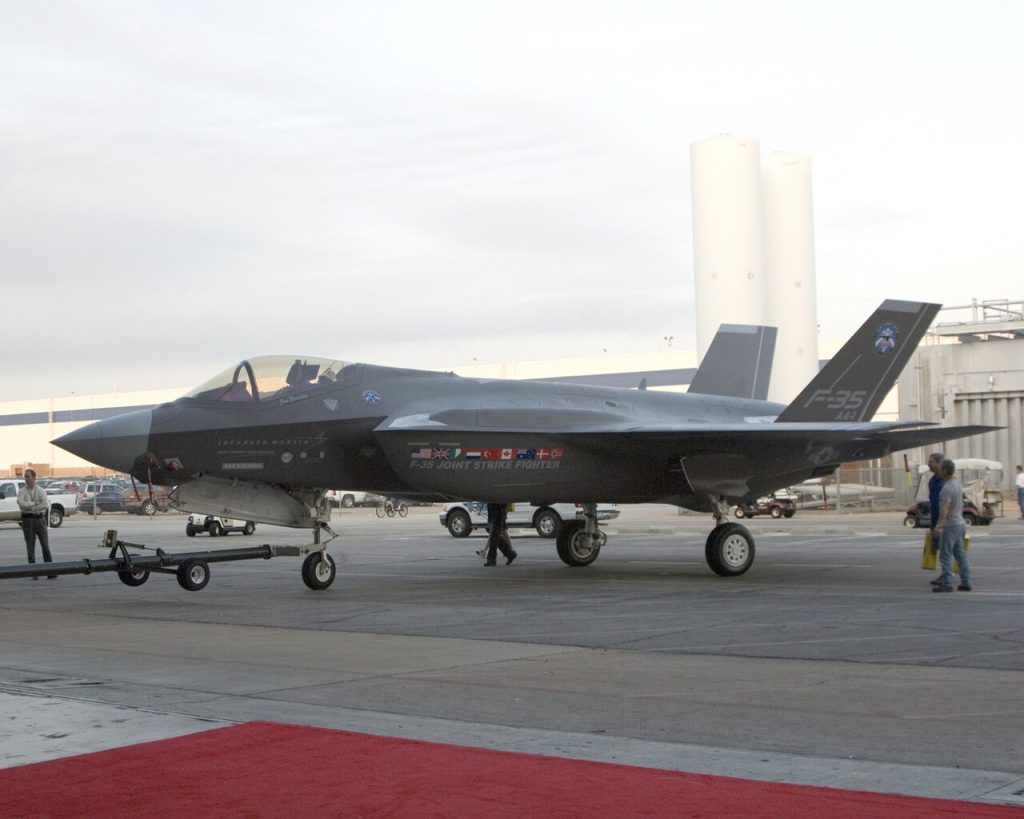
“What does the intersection of the most expensive defense purchase of a nation and rising costs and geopolitics mean? Switzerland is learning the hard lesson. The purchase of 36 F-35A Lightning IIs for the Alpine country’s Air 2030 program has faced turbulence that might lead to shifting the entire air power strategy and defense strategy of the country. “
Lately, Bern has confirmed the intention to “acquire the maximum possible number of aircraft within a predetermined cost framework of 6 billion Swiss francs” following a referendum. This is a reflection of a rainbow of circumstances, including price increases from the United States, postponed essential modernization works, and a changing Security environment in the wake of Russia-Ukraine. The following list is a breakdown of the most significant arguments underpinning this decision and its implications for F-35.

1. The Fixed Budget Referendum Constraint
The procurement procedure in Switzerland is quite exceptional, as the budget was ratified by a popular referendum even before the type of aircraft was decided. The referendum in 2020 has assigned a strict cap of 6 billion francs, which cannot change with prices later on. This is a democratic provision that prevents Bern from placing a full order because they are otherwise forced to cut the order quantity, thus avoiding a second referendum that could be political poison. The original order of 36 was quite within the estimated costs, but with inflation, that has changed.
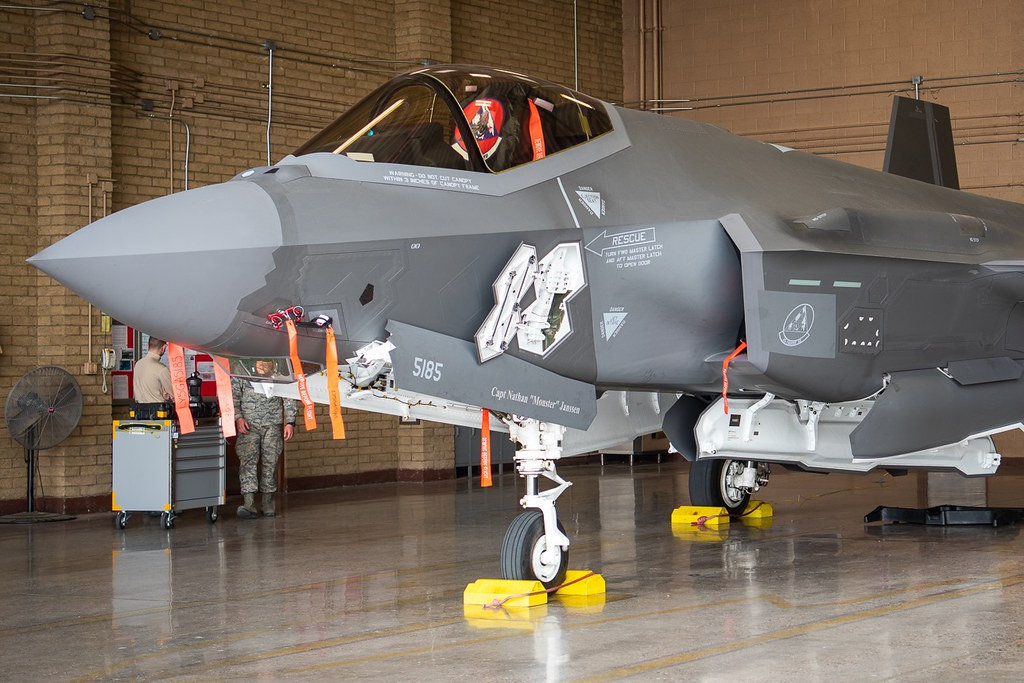
2. Increasing Costs, Price Increment of $610 Million
Conversations with US officials made known that “there has been a misunderstanding” with regards to the fixed price. Inflation, price surges of raw materials, and supply chain issues have both raised the cost. An estimated $610 million has been added due to this. The Pentagon made known that fixed-price contracts take into consideration the element of inflation. However, there is no warranty that the initial cost and the final cost will be similar.
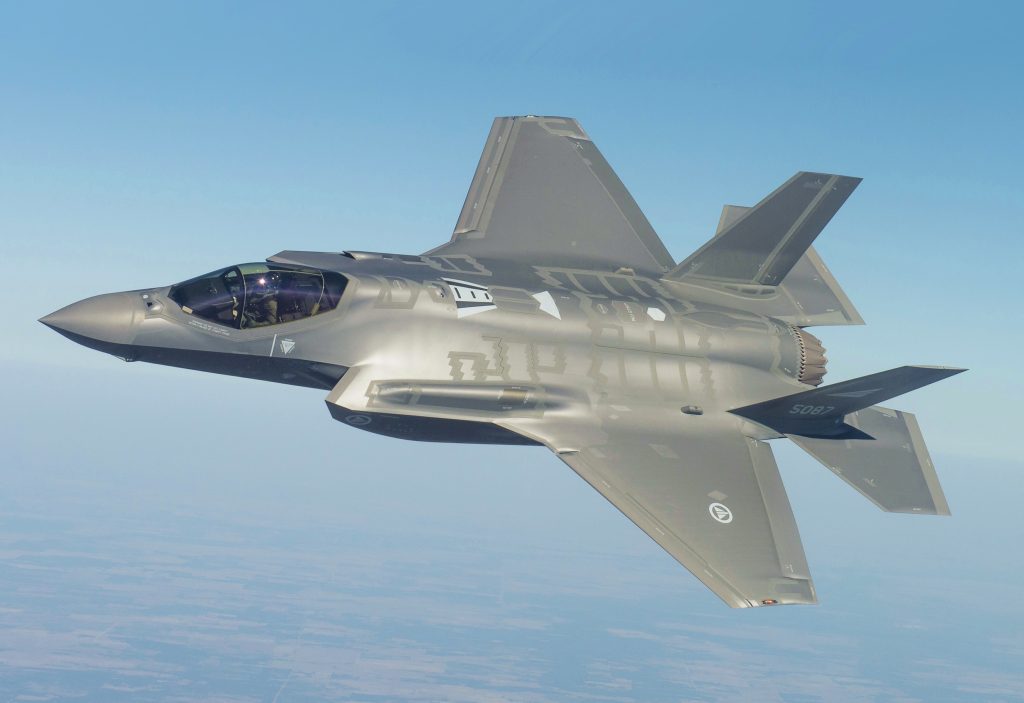
3. The Block 4 Upgrade Dile
The Swiss F-35s will receive TR‑3 components to enable Block 4 capabilities, though this schedule is also in jeopardy. According to the Government Accountability Office, costs for achieving Block 4 spiralled from $10.6 billion to $16.5 billion, being now likely to be completed in 2031, five years beyond original schedules. Capabilities such as enhanced missile attacks, advanced electronic warfare, or enhanced target recognition will perhaps be available only after delivery of initial orders, leaving Switzerland to ultimately decide whether to upgrade or forgo these abilities.
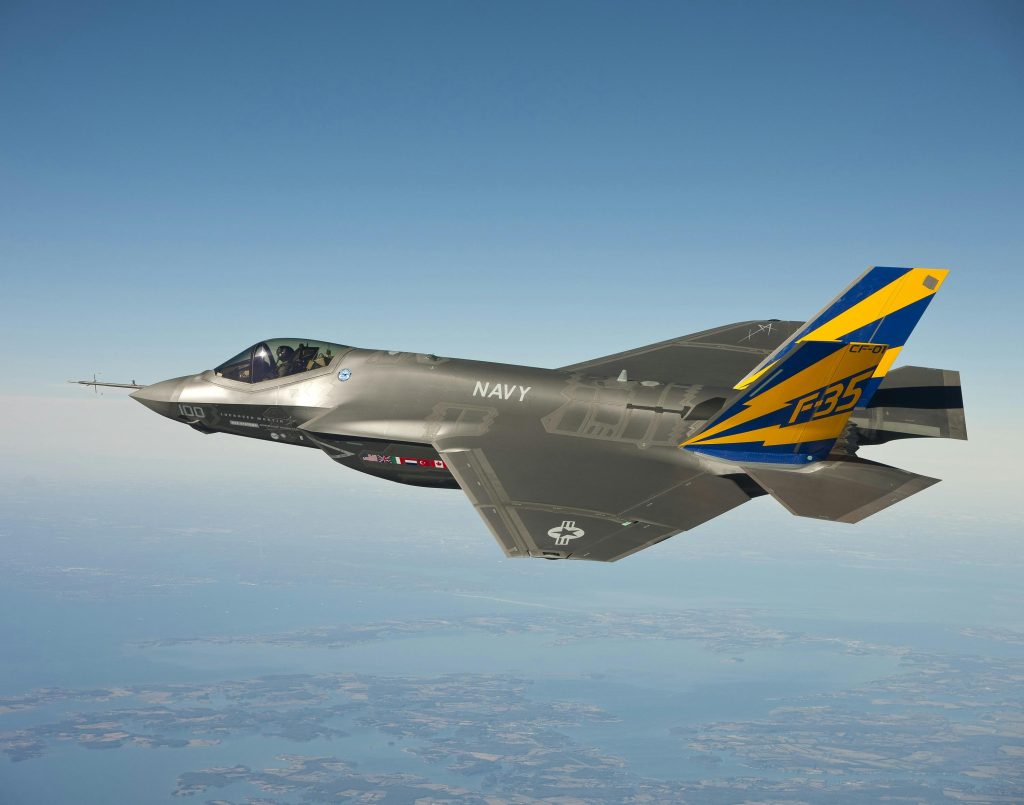
4. TR‑3 Delays and Production Disruptions
Technology Refresh 3, “the backbone of Block 4,” has experienced problems in hardware and software. GAO found that Lockheed Martin has been averaging delivery of the jets about 238 days past due as of 2024 but has received performance incentive payments anyway. The next generation of Distributed Apoeture Camera Systems will not be available until 2026 and is identified as a major cause of delay in enhanced capabilities. For Switzerland, this implies that initial delivery of the fighter jets will be limited in combat capabilities.
5. Keeping the Fleet Going for Decades
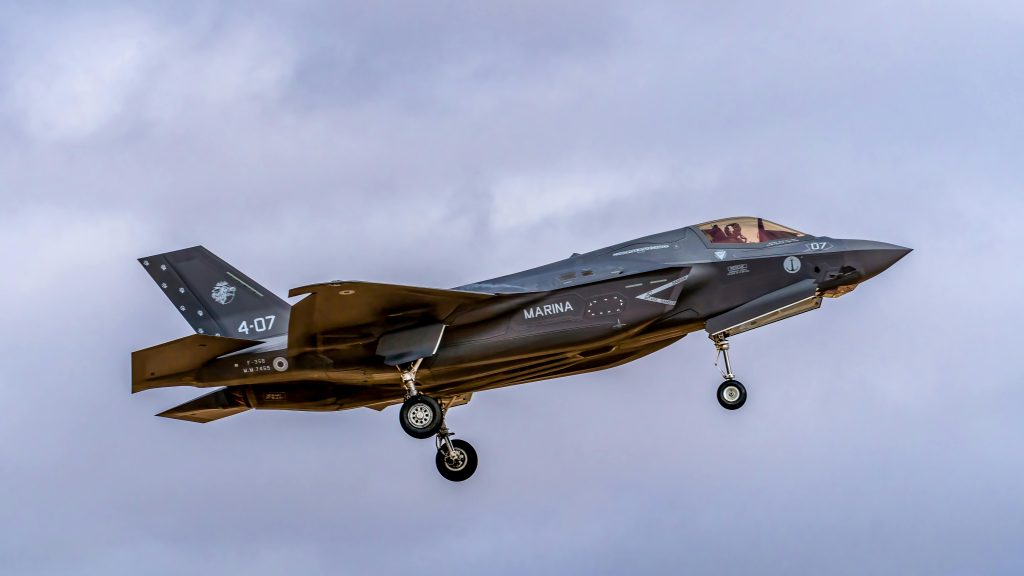
However, aside from the procurement cost, the cost of the F-35’s sustainment is intimidating. According to GAO, the total amount that it takes to maintain the planes over 77 years is a whopping $1.58 trillion. This means that the total amount the program will entail is over $2 trillion. In the case of a petite air force, the amount assumes exponentially higher significance regarding the size of the fleet.
6. Trade Disputes with Washington
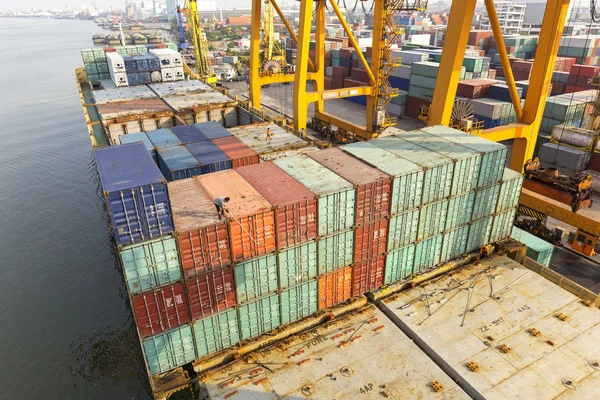
Earlier in 2025, the U.S. imposed tariffs of up to 39 percent on Swiss exports, later reduced to 15 percent. This move stirred up a lot of controversy within the country regarding the purchase of American fighter jets when trade tariffs are being imposed. Even though the tariffs have been eased, they have caused political wounds that have emboldened people who oppose the sale of F-35s to Switzerland.
7. Swiss Neutrality Policy Transitions
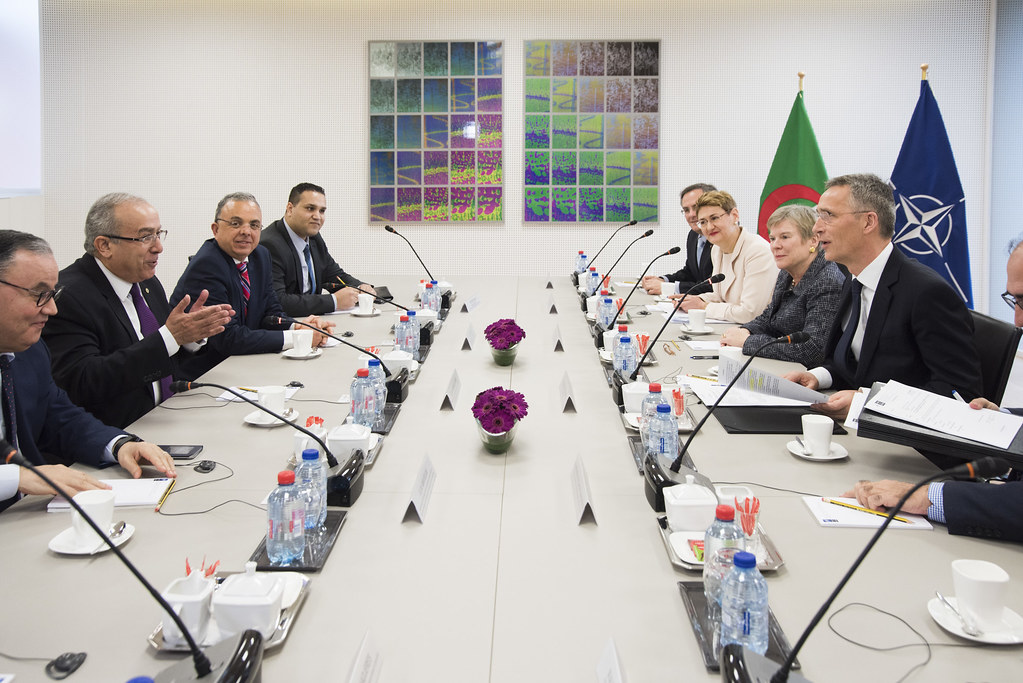
Traditionally known for its neutrality, Switzerland has come closer to NATO following the all-out invasion of Ukraine by Russia. The likelihood of hosting the NATO liaison office in Geneva and holding discussions on closer cooperation is the result of a realistic re-evaluation of Switzerland’s neutrality. Most Swiss citizens prefer drawing closer to NATO but not joining the alliance definitively.
8. Security Requirements Beyond Air Policing
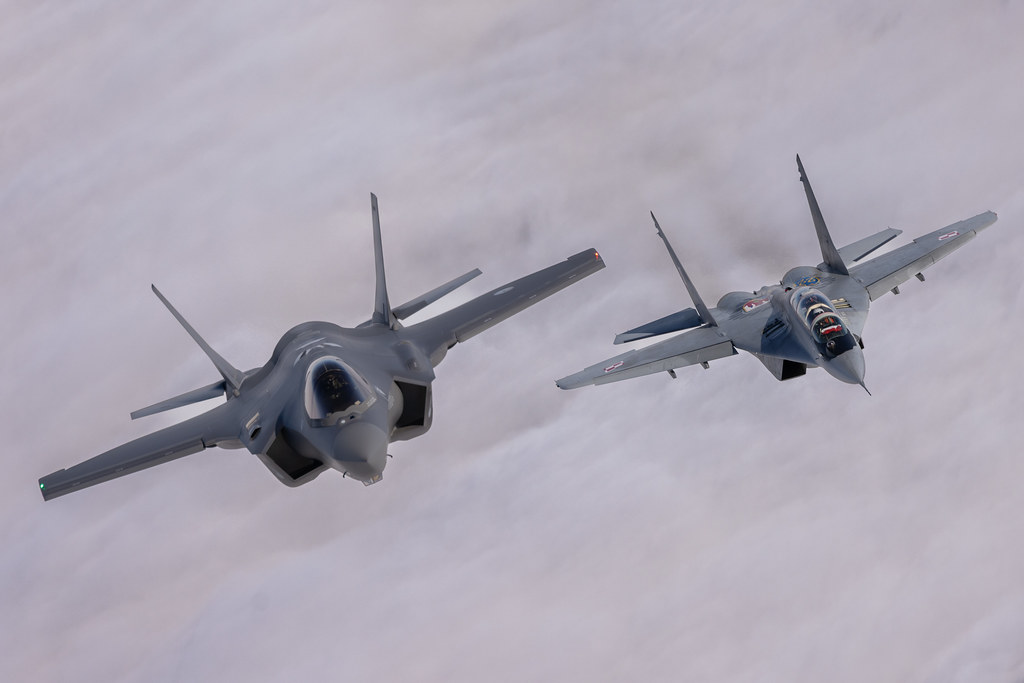
There are concerns regarding whether Switzerland needs an inconspicuous multirole fighter for its normal air policing operations. However, there is a warning that the security environment in Europe could force Switzerland to retain 55 to 70 additional fighters. The conflict between existing and possible future needs provides the backdrop for whether to keep up with a premium force or to pursue a hybrid strategy and buy complementary fighters that cost substantially less.
9. Lessons from Past Procurement Setbacks
Previous rejections of a Swedish Saab Gripen deal in 2014 demonstrated the vulnerability of fighter jet programs under Switzerland’s participative democracy. The adjustment in the use of F-35s looks back on this experience, where some politicians have been urging alternative solutions in Europe. An adjustment in force composition could lead to another vote, which might delay upgrading. The Switzerland F-35 cut is not merely a procurement exercise, but a microcosm of the ways in which the acquisition of modern fighter jets is tied to domestic and international politics, and the realities of what is often a troubled process. It’s a reminder for those of us in the defense community that, in the high-stakes world of fifth-generation fighter acquisition, the bottom line is only where the story really starts.


