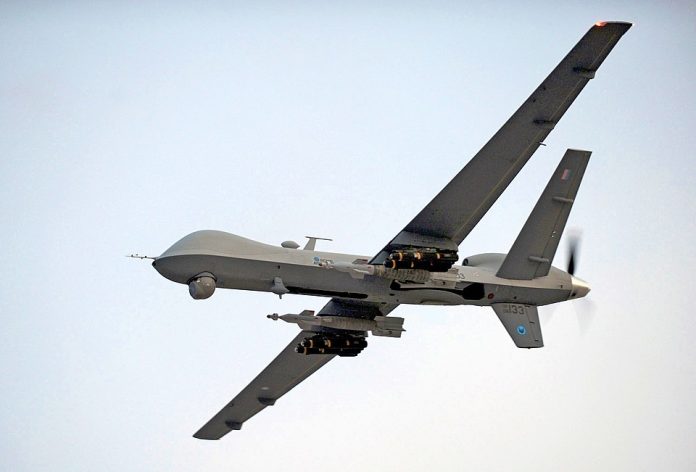

“Why would investors risk millions in a warzone? In Ukraine’s case, the answer lies in a rare convergence of battlefield validation, undervalued assets, and a global rearmament cycle rewriting the rules of defense investment. Four years into the conflict, Ukraine’s defense-tech ecosystem has transformed from a niche cluster of garage-based innovators into a magnet for venture capital, drawing funds from across Europe, North America, and Asia.
This is not a surge based on sentiment alone. Investors are finding technologies that have already proved themselves in the most extreme combat conditions, valuations far below their Western counterparts, and a procurement environment that rewards agility over incumbency. In a period where NATO and European states are accelerating their defense budgets, Ukraine’s position as a live testing ground for next-generation systems creates opportunities that are difficult to replicate elsewhere.

1. Explosive Growth in Early-Stage Funding
According to data from Brave1, Ukraine’s defense-tech investment jumped from $5 million in 2023 to $105 million in 2025, with 50 startups securing all of that year’s deals. That puts Ukraine’s early-stage funding volume on par with-and in some cases beating-the rest of Europe combined. Seed rounds that once closed at $200,000-$400,000 now regularly hit $2.5-$5 million, with standout raises such as $15 million for Swarmer and $3.74 million for Tencore. The growth is sector-specific, driven by technologies tied directly to frontline needs. Investors are not betting on abstract concepts; they back companies whose products are already deployed at scale in combat, which radically shortens the validation cycle compared with that of Western peers.
2. Battlefield-Proven Technologies
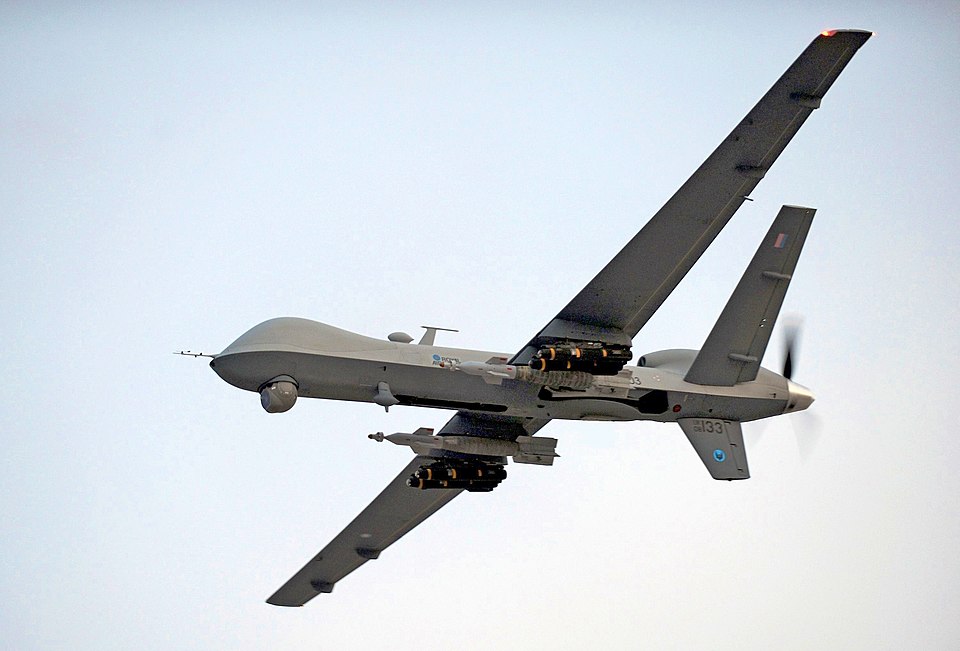
Ukraine’s shift to a drone-centric military doctrine has given startups endless opportunities to test, refine, and prove their systems under live fire. According to Artem Moroz from Brave1, these firms have moved beyond R&D to full production, generating revenues and traction. Some already sell test units to the US Army and NATO forces. Western defence firms now covet the ‘tested in Ukraine’ label as a badge of credibility, partnering with local firms to trial systems against Russian electronic warfare and air defences. Such an environment provides a technical advantage that cannot be replicated in controlled tests and gives Ukrainian developers a unique edge.
3. Undervalued Assets Compared with Western Markets
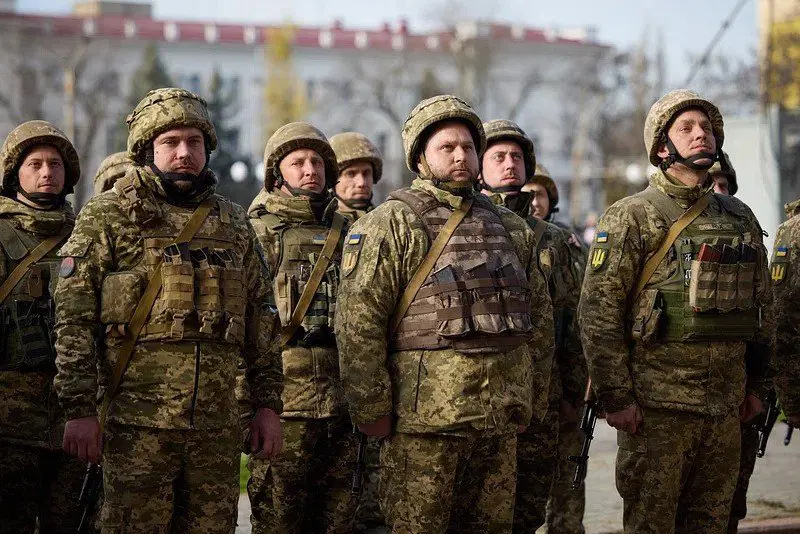
The valuations for Ukrainian defense-tech firms are a fraction of what similar firms would fetch in the West. Moroz says comparable-stage companies are at least 10 times more expensive in the US and three times more expensive in Europe. To investors, that translates to buying tested technologies at a fraction of the price, with substantial upside when export markets start to open. This price gap is particularly enticing in a capital-intensive sector with elongated procurement cycles that could delay returns and enable investors to get in at much more favorable risk-adjusted valuations.

4. Foreign Funds Establishing Local Presence
Global capital is not only investing remotely; it is physically embedding in Ukraine. US firms like MITS Capital and Green Flag Ventures have opened offices locally, while European investors including NUNC and Verne Capital committed tens of millions of euros. German Quantum Systems gained a stake in Kyiv-based drone startup Frontline, and Boeing scaled up the size of its operation. This local presence allows for faster execution of deals, deeper due diligence, and closer integration with Ukraine’s defense ecosystem so that foreign investors are better positioned to capture opportunities before they hit broader markets.

5. Legal Reforms to Attract Capital
Historically, Ukraine’s lack of standard investment instruments like SAFEs or convertible notes forced founders to register abroad. New legislation is planned for 20252026 that will bring these tools domestically, while programs such as Diia.City and Brave1 are making it easier for startups to raise under Ukrainian jurisdiction. This could unlock larger rounds, more M&A, and even Ukraine’s first $50 million-plus Series B, aligning the legal framework with investor expectations in Europe and the US.

6. Agile Procurement Model
Unlike in the US, which often relies on just a few large defense primes, Ukraine’s decentralized procurement system opens the door to small startups winning contracts for testing or limited production runs. Using platforms like Brave1 Marketplace and DOD Chain, direct sales to the military can be made without needing any political connections or massive manufacturing capacity. This competitive structure accelerates growth for early-stage firms, ensuring innovative solutions quickly reach the front line and collect real-world feedback.
7. Strategic Position in the Drone-Era Arms Race
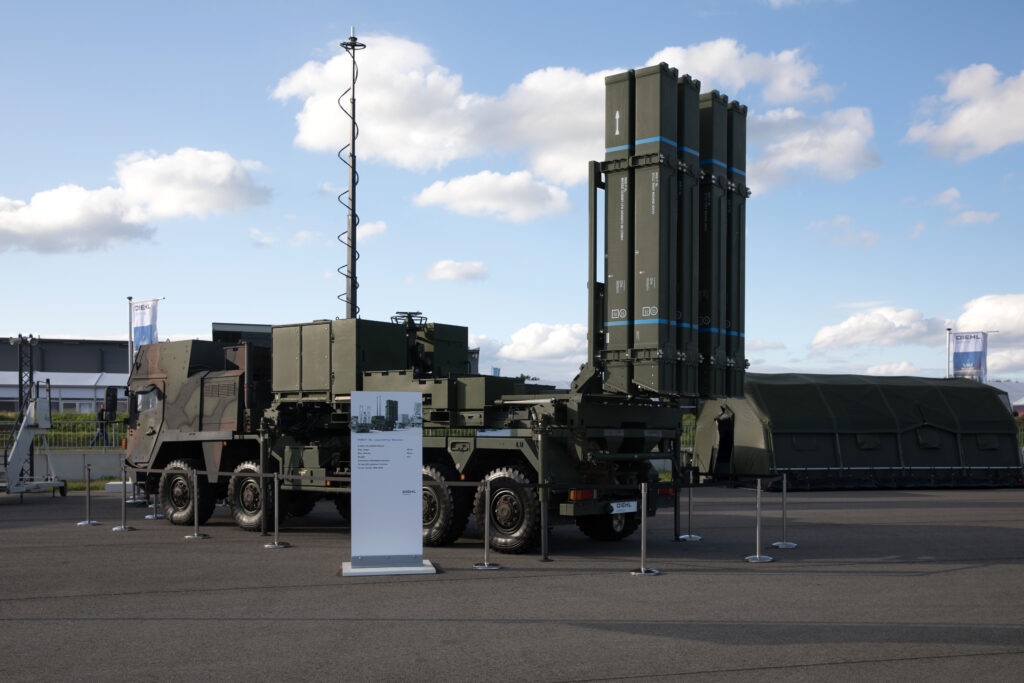
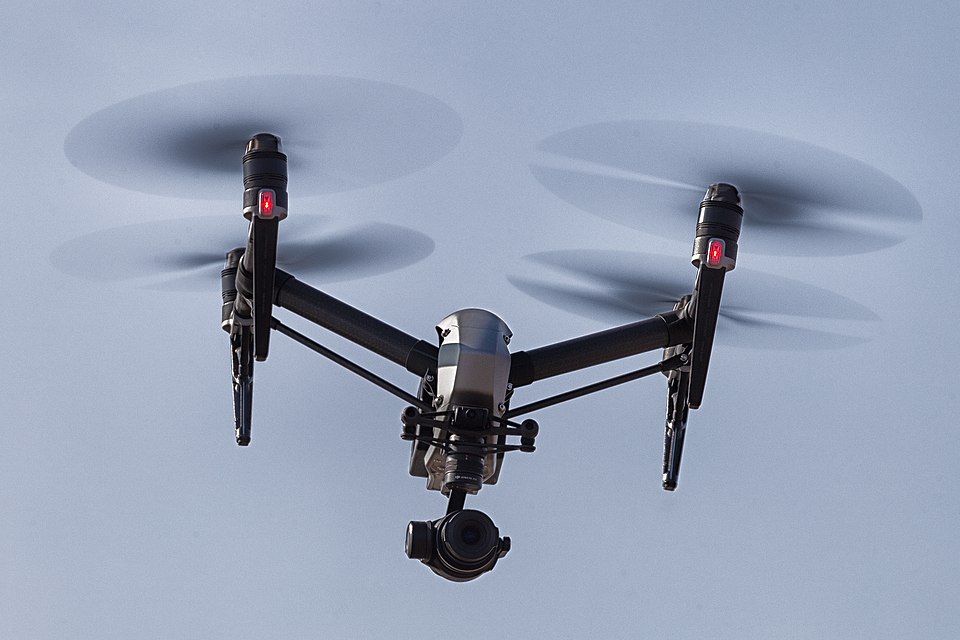
Roman Sulzhyk of Resist.ua compares Ukraine’s role to “the invention of the tank and airplane rolled into one,” and forecasts the country will be among the world’s top five manufacturers of drone-era war fighting systems. What is a $12 billion industry today could grow to $510 billion if post-war exports reach $25 billion annually. As Europe starts a rearmament cycle, with NATO allies committed to higher spending on defense, Ukraine’s drone capabilities put it in an important position as a strategic supplier in future procurement cycles.
8. Extending Global Market Reach
But demand for Ukrainian systems is growing well beyond NATO. Deborah Fairlamb of Green Flag Ventures points to interest from Southeast Asia, Latin America, Africa, and the Middle East, where governments are in a market for affordable, combat-proven technologies. Dual-use platforms, such as autonomous monitoring tools and tethered aerial surveillance, extend the market potential into border control, disaster response, and commercial security. This diversification reduces dependence on Western buyers and enhances the resilience against geopolitical shifts in procurement priorities.
9. Integration with NATO Innovation Initiatives
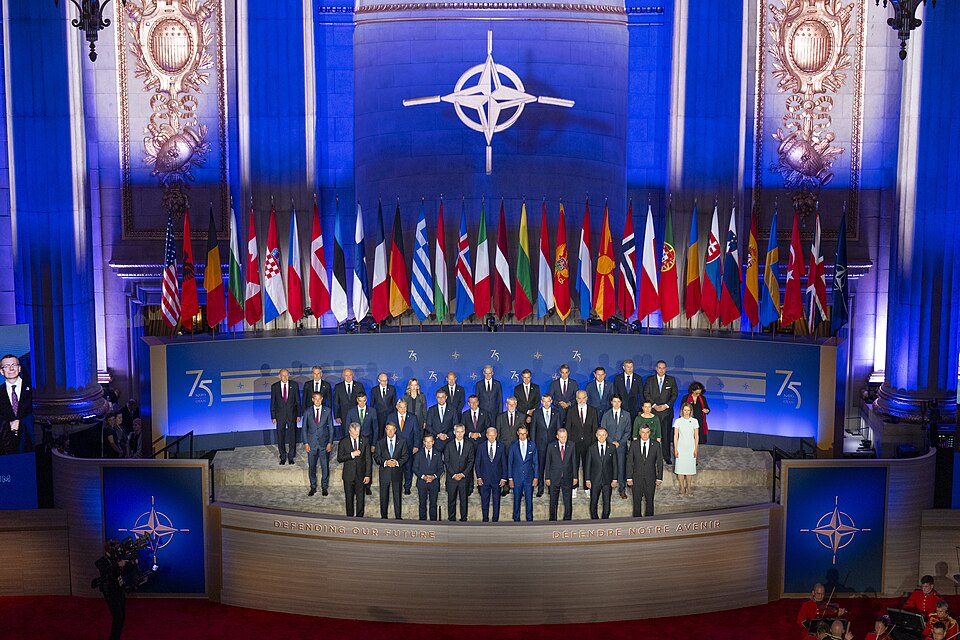
Joint programs like UNITE Brave NATO are offering grants for counter-drone and secure communications projects, with initial funding of €10 million, which could expand to €50 million by 2026. These initiatives have the aim of bringing innovative products to the front line and scaling tested technologies to meet interoperability requirements.
Such partnerships embed Ukrainian firms in transatlantic innovation networks, increasing their visibility and credibility with allied militaries and opening new funding channels in the process. The boom in Ukraine’s defense technology is not a speculative bubble but a perfect storm of combat validation, undervalued assets, and worldwide demand for next-generation systems. For investors able to be patient and exhibit expertise in a regulated and high-stakes market, the opportunities are huge. As legal reforms take hold, procurement remains agile, and NATO integration deepens, Ukraine is well-positioned to evolve from wartime innovator to peacetime exporter, fundamentally reshaping the global defense landscape.


