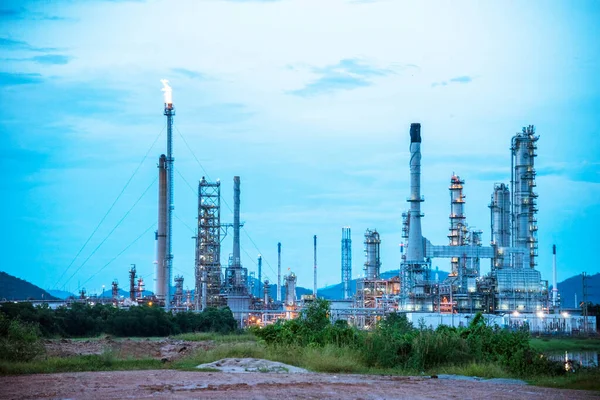
For a country that has the “fourth-largest oil reserves and the second-largest gas reserves globally,” Iran’s situation raises the question of how the country is still finding it “difficult to ensure the continuity of fuel supplies.” Iran’s newly implemented three-tier pricing plan for gasoline is the country’s first change “since the2019 nationwide protests that left at least 1,000 peopledead” and provides insight into Iran’s increasing financial and political strains.
1. Three Tier Pricing System
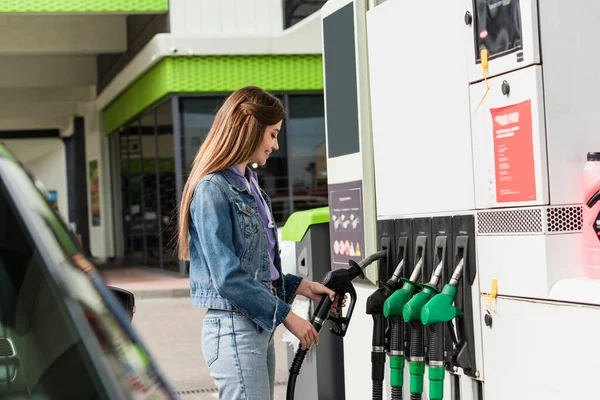
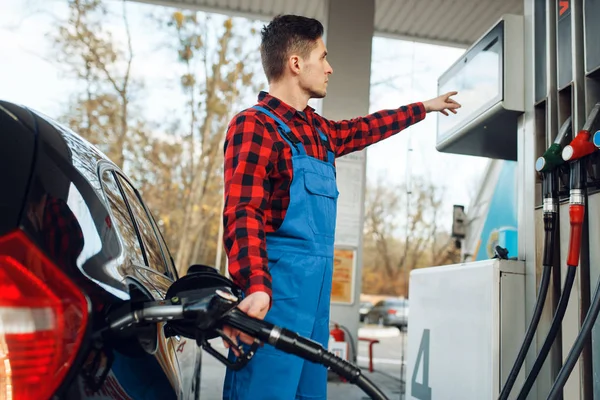
Starting December 6, drivers had to pay for petrol based on a new scheme, where the first 60 liters per month costs 15,000 rials per liter (approximately 1.25 U.S. cents), while the next 100 liters will cost 30,000 rials (2.5 cents), and anything after that will cost 50,000 rials or about 4 cents per unit. Even then, Iran’s petrol is one of the cheapest in the world, especially compared to the most expensive categories, which this new system has created.
According to Iranian estimates, Iran’s petrol production costs are 20 times higher than the current subsidized price, but this new system will somehow help Iran overcome this enormous subsidy problem.
2. The Burden of Subsidies and Fiscal Costs
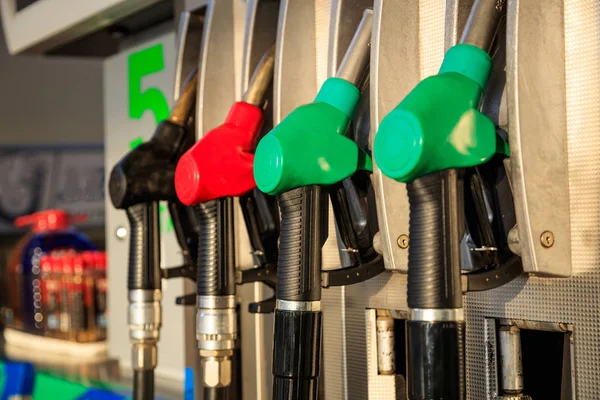
Iran has some of the largest energy subsidies globally, estimated at $52 billion every year just for petroleum products in 2022 by the International Energy Agency. These subsidies create market distortion, promote unsustainable consumption practices, and even facilitate smuggling into countries such as Pakistan and Afghanistan, whose prices could be ten times higher. It is estimated that between 20 and 30 million liters of gasoline are smuggled out of Iran every day.
3. Economic Pressures Driving Reform
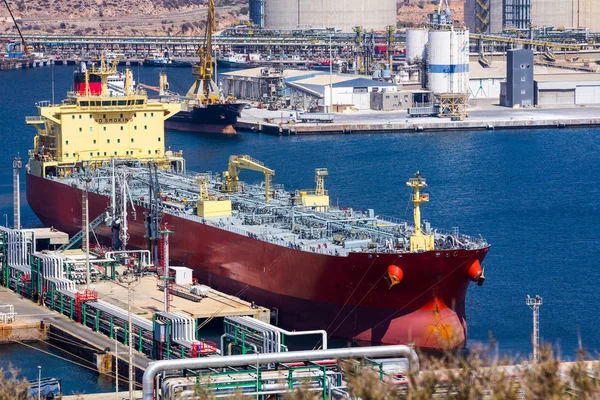
The surge in the value of the Iranian rial, currently at 1.26 million to one US dollar, has exacerbated the fiscal burden of supporting extremely low prices for fuel. Iran’s inflation rate is currently at 40%, with each rise of 10,000 rials in gasoline contributing a potential rise of 5% in the inflation rate. Sanctions aimed at Iranian oil exports have driven down revenues and spurred inefficiencies in refining and petro-distribution chains.
4. Historical Context of Fuel Unrest
The history of fuel price rises has been highly fluctuating in Iran. The hike introduced in 2019 with a rise of 50 percent for discounted fuel and a staggering 300 percent for fuel beyond the allowed quota resulted in protests in more than 100 cities. The move resulted in the deaths of at least 321 citizens, according to reports submitted by Amnesty International. Access to cheap fuel is a deeply entrenched social right.
5. Engineering and Infrastructure Challenges
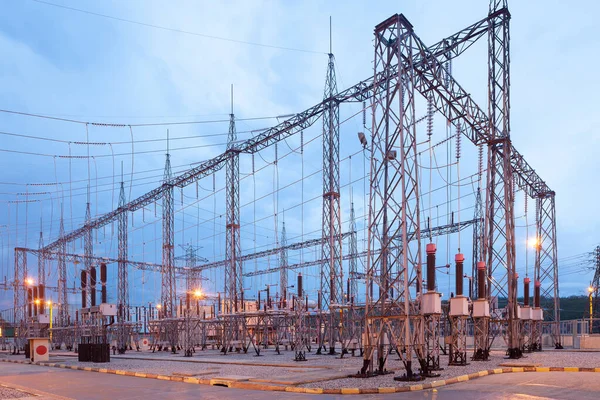
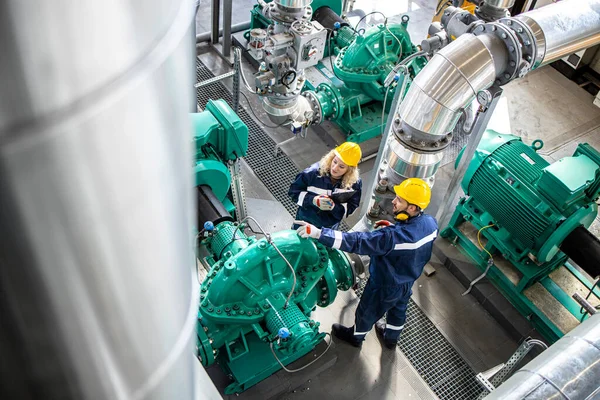
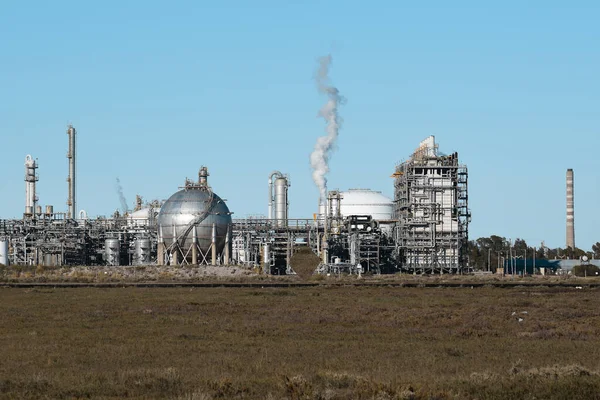
The country’s energy sector has been inefficient and prone to waste due to decades of underinvestment. It is said that around 38% of Iranian domestic gas and electricity is lost in the production and transmission stages because of the outdated infrastructure. This is in addition to the country’s inefficient cars, which have an average mileage of only 17 to 21 miles per gallon.
6. Smuggling Networks and Security Gaps
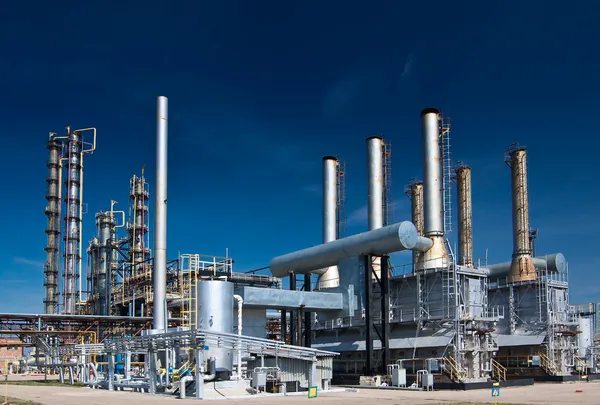
A porous border regime, a wide price gap across regions, and entrenched corruption feed organized smuggling rings. The entry into this trade by corporate bodies associated with the Islamic Revolutionary Guard Corps further adds to enforcement challenges, given that this group works outside civilian oversight. Smuggling contributes to shortages and political tension with neighboring countries.
7. Effect on Gig Economy and Employment
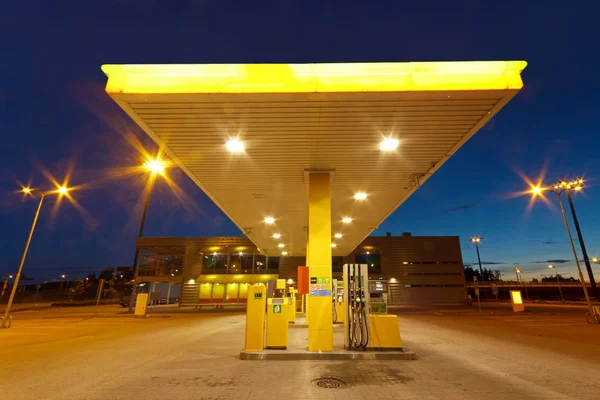
Iran’s cheap fuel makes possible the livelihoods of millions of people. An estimated 8 million users of Iran’s online taxi services are Iranian citizens. For taxi drivers, Iran’s cheap fuel has a direct impact on their profits. This has happened in Iran as well as in Africa’s South Africa and India and Argentina in Latin America because of rising fuel prices.
8. Currency Depreciation and Pricing Models
In highly subsidized markets such as Iran’s, the effect of currency depreciation adds to the difficulties in aligning fuel prices and production costs. The Iranian economy has an administrative set of fixed prices that have not kept rhythm with international standards and have created a gap between export prices and local prices.
9. Political Calculations and Regime Stability
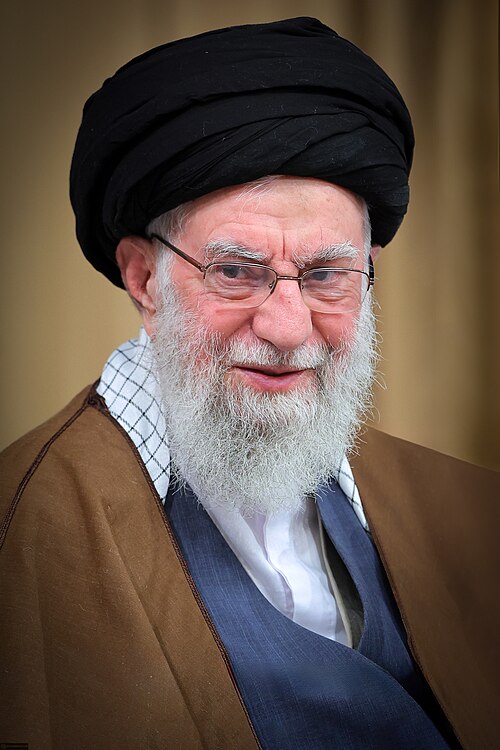
Supreme Leader Ali Khamenei has been closely observing fuel policies, where fuel rationing and a redesign of fuel prices belong to his “resistance economy” ideology. It seems Iranian authorities do not want a repeat of mass unrest in 2019, introducing changes gradually, with less-expensive pricing deals for most users. However, with upcoming regular assessments, sharp adjustments may also happen.
10. Prospects for Reform
Specialists agree that the reform of subsidies should go hand in hand with the improvement of the infrastructure sector, the development of solar power generation, and clear governance. Iran’s solar potential reaches 12,000 MW, and the level of the renewable power sector is less than 1% within the overall energy sector. Otherwise, the recent energy reform policy on pricing may end up being just a temporary solution.
Iran’s current move for adjusting fuel prices has implications that transcend an economic measure, because it symbolically reveals aspects of its technological deficiencies, budget deficits, or political realities. While this gradual move might develop into an extensive revision of its energy policies, this shall depend on its capacity to improve its infrastructures, control smuggling, and handle its extremely unstable convergence of public opinions and economic necessities.


