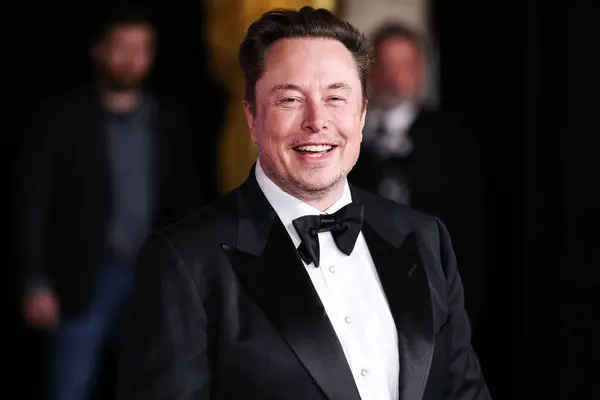
It started with a satellite sending a message back to Earth: “Greetings, Earthlings! Or, as I prefer to think of you-a fascinating collection of blue and green.” That playful transmission from Starcloud‑1, an NVIDIA H100‑powered spacecraft, marked more than a milestone in AI history. It signaled the moment orbital data centers shifted from speculative concept to operational reality, with America’s most influential tech leaders-Elon Musk, Jeff Bezos, Jensen Huang-converging on a shared vision: moving compute power off‑planet.
1. Convergence of Tech Titans and Startups
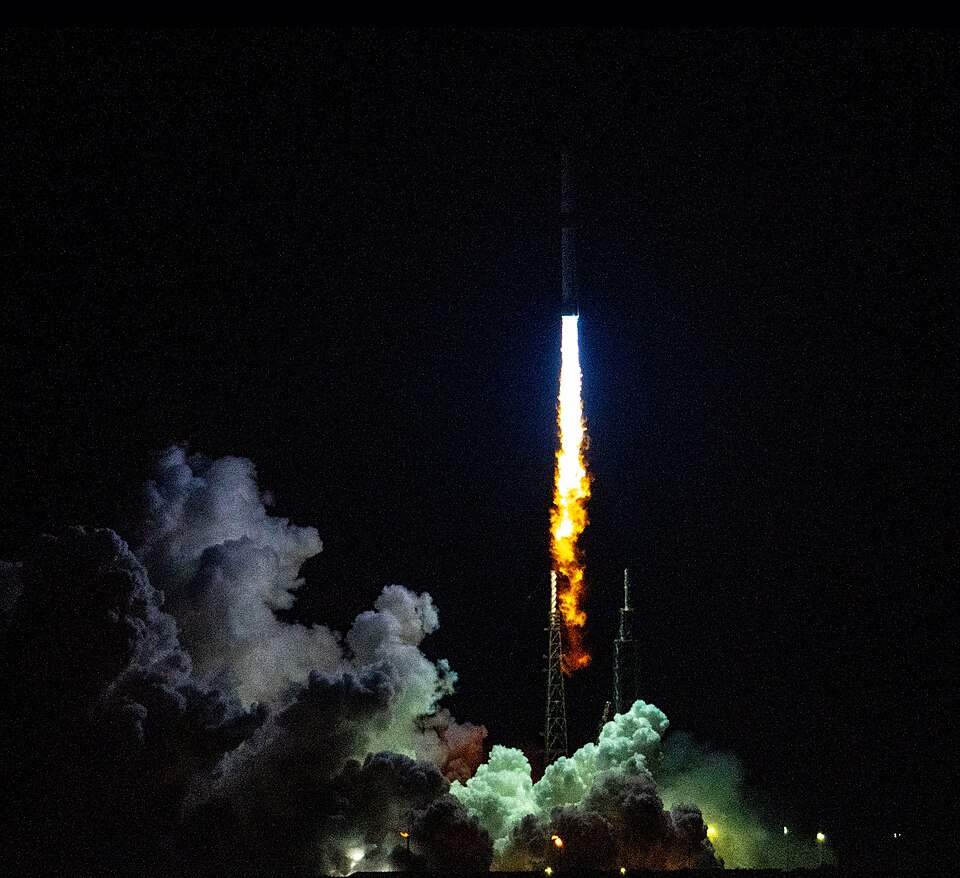
Musk’s non-stop promotion on X has surely amplified the concept, but the momentum is collective. Bezos’ Blue Origin has established a space data center development team, while Huang publicly signed off on orbital compute as a part of NVIDIA’s strategy. Google’s Project Suncatcher plans to launch solar-powered satellites with tensor processing units by 2027. Baiju Bhatt’s Aetherflux lays out the plan for launching an orbital data center satellite in the same year. Startups such as Starcloud are proving out the viability of the market, just having trained the first large language model in space using an NVIDIA H100 GPU-100 times the power of any GPU to fly.
2. Economic Rationale and Launch Cost Collapse
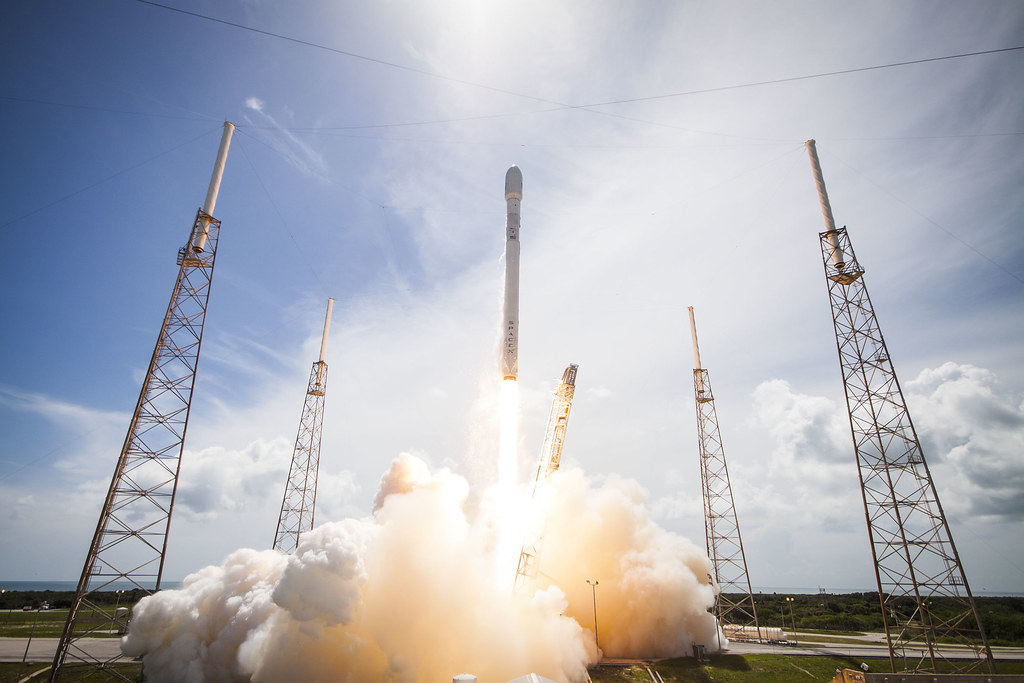
The key economic enabler is continuous high-irradiance solar energy in orbit, combined with cooling without water. SpaceX’s Falcon Heavy already offers payloads for ~$1,500/kg, while Starship’s projected $100/kg may completely reshape the definition of feasible. Blue Origin’s New Glenn and rideshare programs will squeeze costs even further. Solar arrays operate in space at 1,366 W/m² with no atmospheric losses, while radiative cooling completely avoids millions in annual water and energy costs associated with terrestrial hyperscale facilities.
3. Terrestrial Bottlenecks Powering the Transition
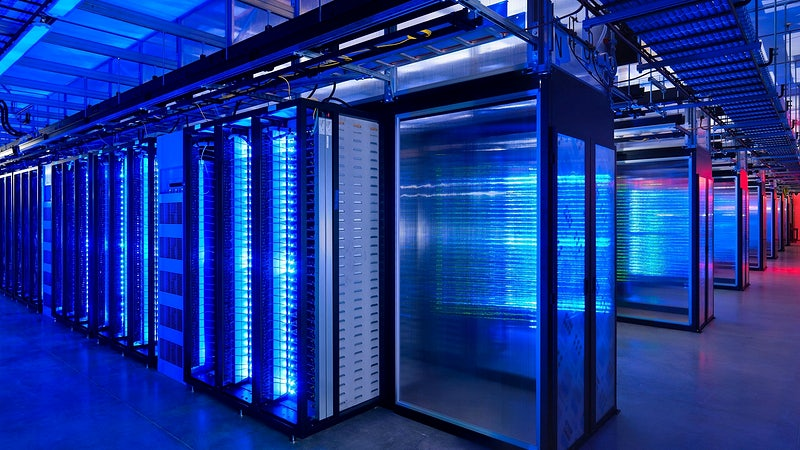
Morgan Stanley anticipates a 20% U.S. power shortfall for data centers through 2028, about 13 GW. Already, $64 billion worth of projects have been delayed by regulatory hurdles and NIMBY opposition. Permitting, land acquisition, and grid interconnection can take years; orbital deployment sidesteps all that. What Bhatt characterizes as an “infrastructure detour”. Yet another way to use the terminology is to bypass terrestrial choke points.

4. Architecture and Operational Logistics
The white paper from Starcloud lays out a roadmap for a 5‑GW orbital facility with solar and cooling panels set out on sides 4 km in each direction; that is, more power than the largest plant in the US. Architectures under consideration span from monolithic satellites to distributed constellations enabling batch AI training, inference on satellite imagery, and real-time environmental monitoring. Maintenance cycles mirror chip life, about five years, demanding periodic launches to refresh hardware.

5. Radiation Hardening of AI Payloads
Space radiation-from solar flares to galactic cosmic rays-can induce single‑event latch‑ups and permanent faults. Carnegie Mellon’s compact, soft‑error‑tolerant flip‑flop design achieves equivalent or better tolerance than traditional triple modular redundancy at reduced area, lowering cost and improving energy efficiency. Military‑grade rad‑hard processes, gallium arsenide semiconductors, and redundancy techniques are crucial to protecting high‑density AI clusters against the 5,000 particle strikes every 40 nanoseconds that chips might experience in orbit.
6. Orbital Thermal Control
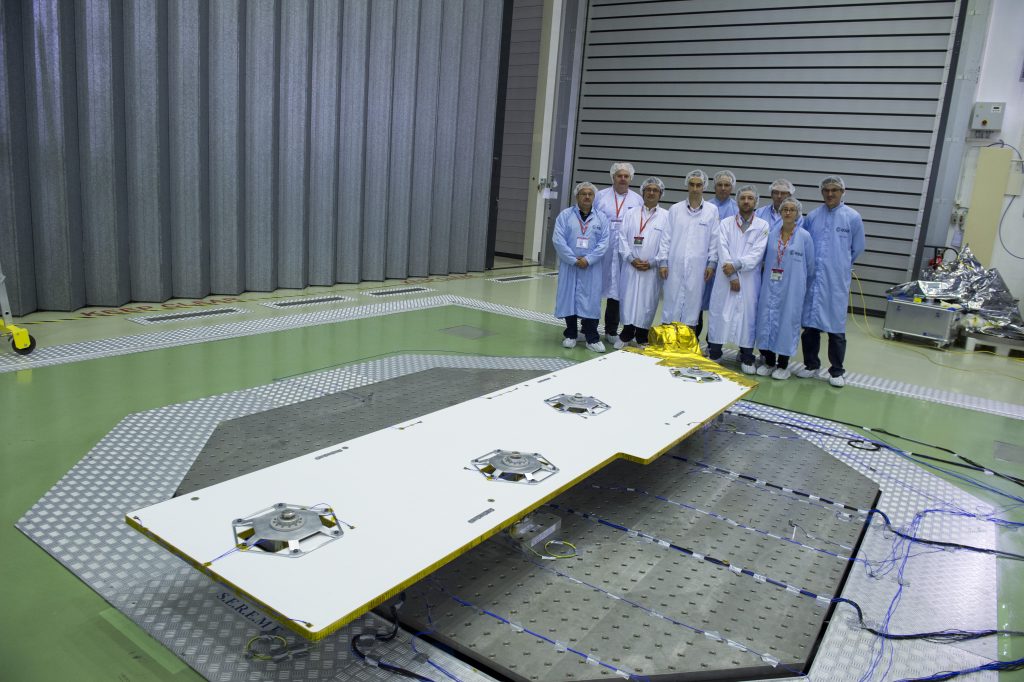
Cooling in vacuum is by radiative heat dissipation via large, lightweight radiator panels, normally made from graphene or composites of carbon nanotubes. Other than Earth’s evaporative cooling, which can use as much as 5 million gallons of water per day, orbital systems reject heat directly to space. Stable sun‑synchronous orbits enable predictable thermal control, taking advantage of the cold to enhance semiconductor performance and reduce leakage.
7. Strategic Sourcing and Cost Optimization
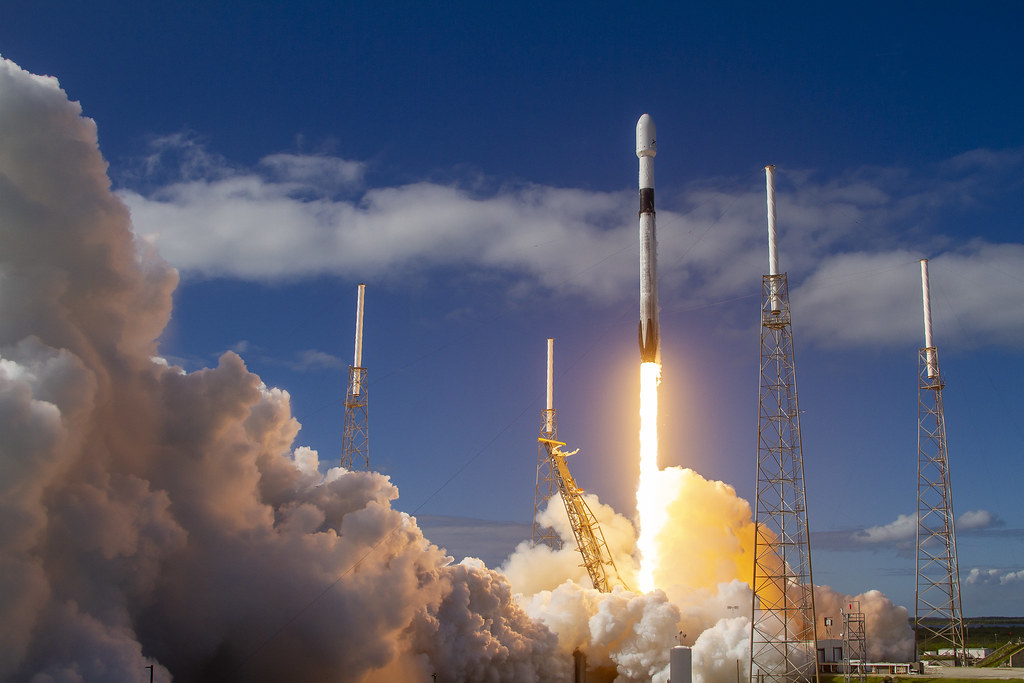
Operational viability depends upon procurement strategy. Subsystem bundling under single prime contractors can yield 30-50% savings. SpaceX’s rideshare model reduces per‑kg launch costs by aggregating payloads. Long‑term contracts, vendor consolidation, and lifecycle modeling shift orbital infrastructure from experimental to economically executable. Eliminating mirrored terrestrial facilities for disaster recovery further cuts capital and insurance costs.
8. Environmental and Regulatory Considerations
Orbital platforms promise 10× lower carbon emissions than gas‑powered terrestrial data centers, but rocket launches and reentry events can generate pollutants harmful to the ozone layer. Space debris mitigation-including deorbit plans and shielding-is mandatory. Astronomers warn of interference with twilight observations, and compliance with ITU spectrum allocations and data governance laws will shape deployment timelines.

9. Emerging Use Cases and Strategic Value
Orbital compute goes beyond training AI: instant wildfire detection through thermal signatures, maritime rescue coordination by locating lifeboats, and military intelligence applications. Telemetry integrated within allows satellites to return conversational answers about their whereabouts, as evidenced with Starcloud’s Gemma model. These capabilities fit into sovereign resilience goals and insulate against terrestrial geopolitical risks.
The race to orbital data centers is no longer the stuff of distant visions. Driven by falling launch costs, advancing radiation-hardening techniques, and mounting terrestrial constraints, the convergence of Musk, Bezos, Huang, and a cadre of startups is making space the next frontier for AI infrastructure-one where economics, engineering, and environmental strategy meet 500 kilometers above Earth.


