“Starlink internet is what will help pay for humanity’s trip to Mars,” Elon Musk recently said at Starbase. That’s as telling about the reasoning behind what promises to be an historic IPO as any single fact about it. And historic it will be for an IPO that promises a value of $1.5 trillion, making it potentially the biggest IPO ever. It’s more than a source of liquidity for its participants, as significant as that will be. It represents access into an engineering competition that will be highly capital-intensive.

1. The IPO Scale and Musk’s Net Worth Increase
According to Bloomberg, SpaceX aims for a raise of $30 billion in 2026, and the company could be valued at $1.5 trillion. Musk would have more than doubled his worth, as he owns almost half of SpaceX, and he would be valued at $461 billion. Additionally, he will be able to raise more money on loans against his stake in the company as it will be listed on the stock market. It will help generate tax-free money that he would use for projects ranging from Tesla’s AI projects to colonizing Mars.
2. Why SpaceX Needs Public Capital Now
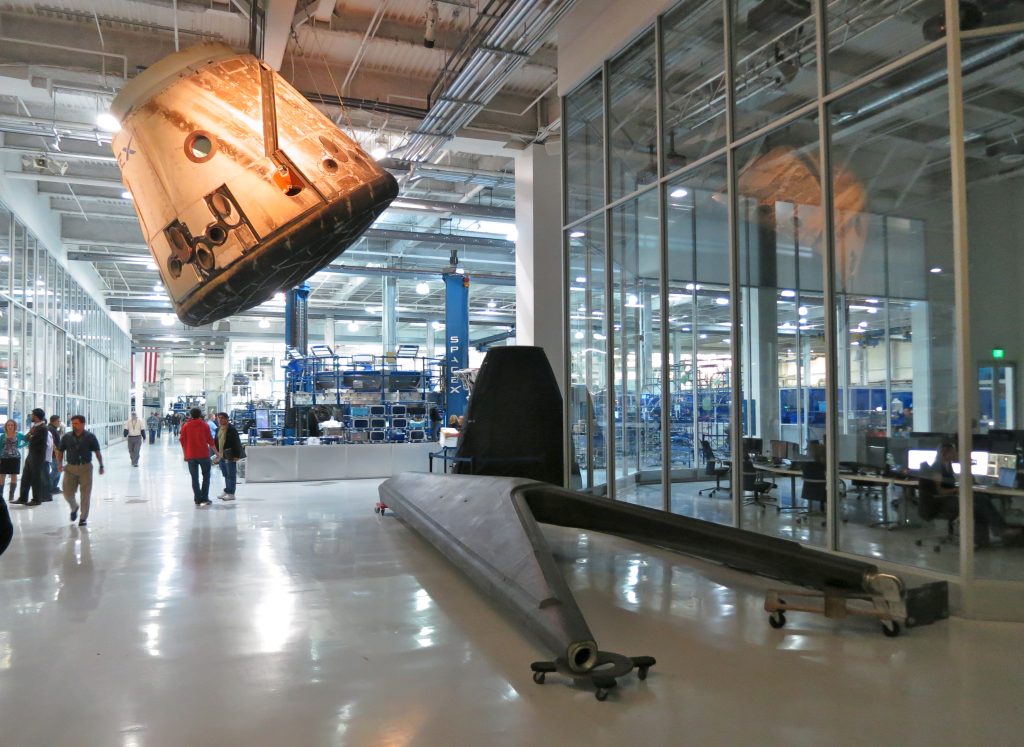
SpaceX currently dominates the market for astronauts and satellites but needs investment for its next phase of growth. StarShip, a reusable heavy-lift rocket, continues work after several prominent failed tests. StarLink, an already massive low-Earth orbit internet service, continues with direct-to-cell and larger satellites. All these projects will require billions and billions more, and then there are ambitions for Mars, which would entail thousands and thousands of launches within very narrow windows.

3. Starship’s Engineering Challenges
The recent unmanned Starship flights have demonstrated various problems. Flight 9, conducted in May 2025, experienced a fuel leak, leading to loss of attitude control and an inability to have a controlled entry. Previous flights included Raptor engine failures due to harmonic disturbances and mechanical problems. Musk describes Raptor V3 improvements as “a massive increase in payload capacity, engine efficiency, and reliability,” but critical steps, such as propellant transfer in space, have been pushed into 2026.
4. The Role of Starlink as a Revenue Generator
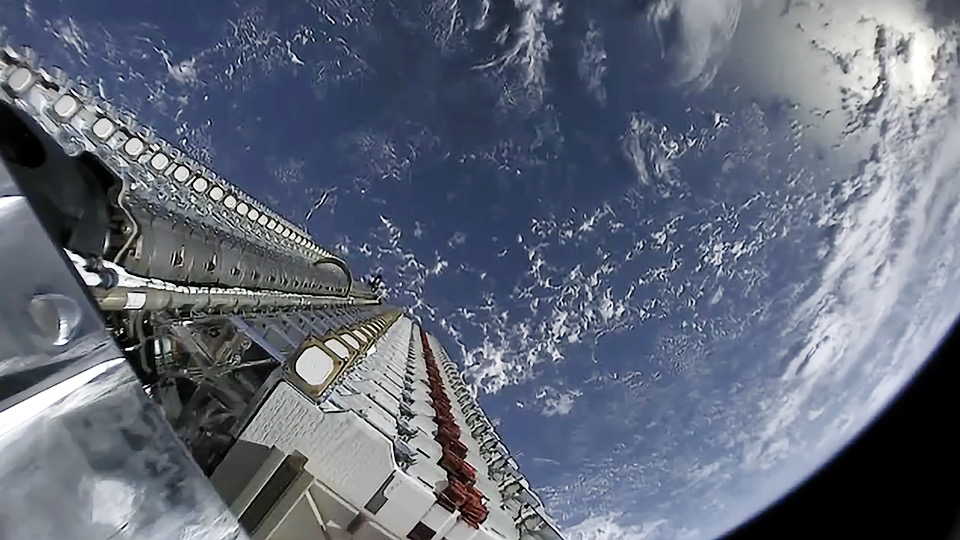
Starlink has emerged as SpaceX’s main moneymaker with international expansion fueling rural internet market share and new business opportunities emerging in aviation, shipping, and government contracts. It should be noted that it triggered a 38% increase in revenue exceeding $100 million within a year in a market as foreign as New Zealand and partnerships with carriers such as One NZ helping to enable direct connections from satellites to phones. Its end-to-end business with satellites and launch capabilities makes it achieve a cost per kilogram of no more than 2,500.
5. Competitive Position within Market Launch
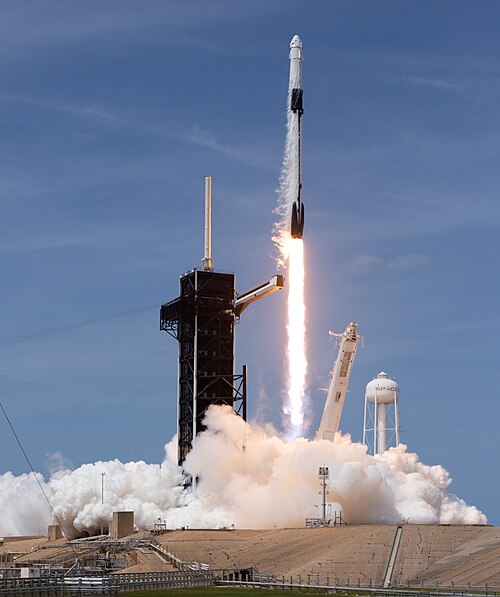
SpaceX launched 138 Falcon 9s in 2023, 69% of which were for Starlink. Internal demand like Starlink keeps the rate necessary for viability. Falcon 9’s partially reusable configuration can carry 18 tonnes to LEO. Falcon Heavy meets more demanding missions. Its competitiveness on price and frequency has caused a collapse in Europe’s historical GEO launch market. The delayed and expendable Ariane 6 struggles against SpaceX on these terms.

6. Risks Associated with Going Public
A SpaceX IPO would offer these same pressures from investors and government regulation that Musk has eschewed at Tesla. The SEC has examined Musk’s communications before, and SpaceX itself has been fined for deviations from FAA and EPA licenses concerning environmental issues. A challenge might arise with a broader set of shareholders who are less tolerant of projects requiring significant capital outlays for things like establishment on Mars and who might expect shorter-term profitability.
7. Regulatory and Political Crosscurrents
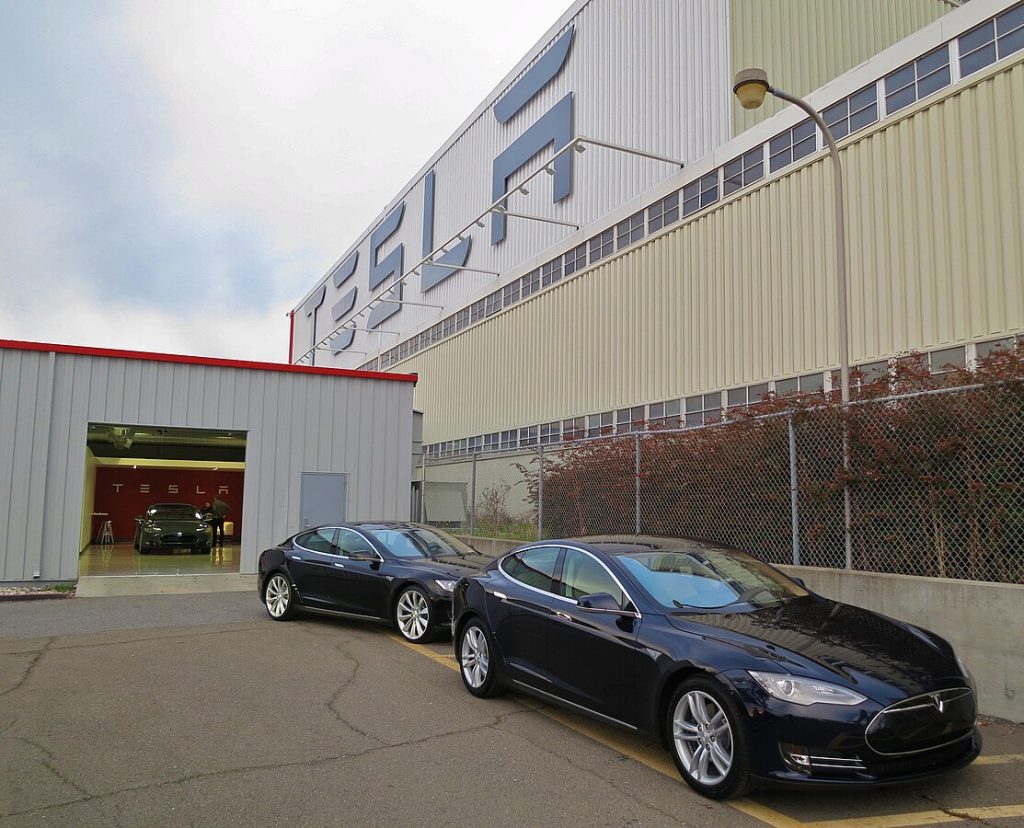
Musk’s increasingly political clout, and now with a deep relationship with the soon-to-be-launched U.S. administration, might mitigate some regulatory headaches. Nevertheless, SpaceX’s contractual dependence on NASA and FAA regulations keeps it vulnerable to changes in policy. Previous instances, like Tesla’s SEC settlement that almost limited SpaceX’s capital raising, make it clear that Musk’s own legal tussles affect and are intertwined with SpaceX’s capital planning.
8. The Mars Logistics Equation
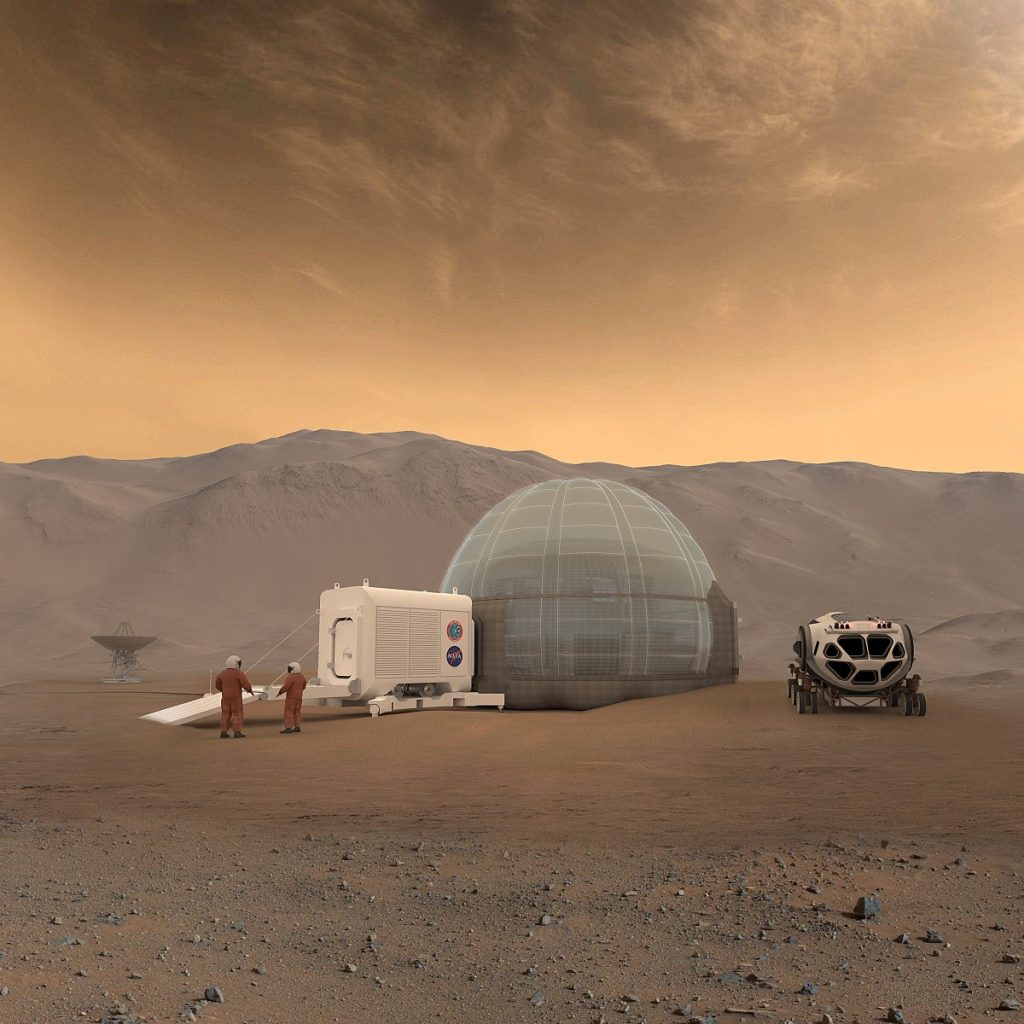
Musk’s plan for Mars calls for growth from five Starship landers in 2026 to 500 in 2033, with multiple orbital refueling flights. A total number of thousands of flights per year will be necessary within full capacity production. Rapid turn around times will be necessary, with a focus on no more than one to two hours per launch and a production factory capable of producing 1,000 Starships per year. These are unheard-of requirements.
9. Strategic Implications for Investors
Tech-savvy investors will be drawn to an IPO with SpaceX because it presents an opportunity to invest in a vertically integrated space business strategy that has already disrupted the cost structure associated with access to space. However, it will be dependent on its ability to assure markets about StarShip’s readiness and StarLink’s expansion as an attractive business strategy that will focus on balancing short-term profitability with its exploration strategy.


