“If not us, then who?” The company slogan of Fire Point is more than a rallying cry-it encapsulates the urgency behind Ukraine’s most disruptive long-range strike weapon. In a war predicated on cost, speed, and adaptability, the FP-1 drone has emerged as a precision tool that is as affordable as it is deadly. Up until now, Ukraine’s notable deep-strike successes inside Russia have been done with this single-use kamikaze UAV, say defence analysts.
Built in days, a fraction of the cost, and proved against hardened targets, FP-1 is forcing a rethink of how long-range warfare can be waged when resources are tight but the pace of innovation is relentless. What follows is a breakdown of engineering choices, production methods, and operational tactics that have turned FP-1 from a wartime experiment into the backbone of Ukraine’s strike doctrine.
1. Dominating Ukraine’s Deep-Strike Statistics
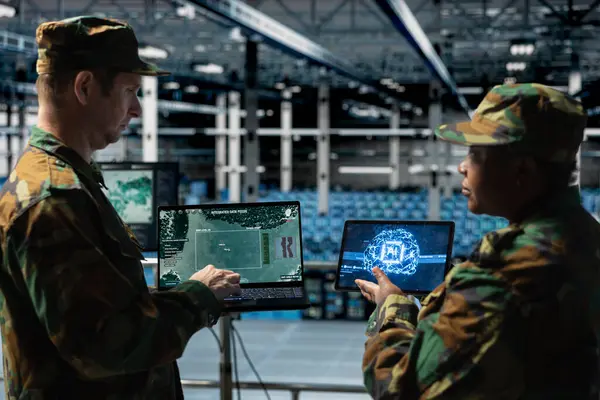
Official figures from the General Staff of Ukraine attribute 59 percent of the long-range strike missions and 54 percent of the confirmed hits to FP-1. This means more than half of Ukraine’s successful deep strikes are delivered by a single platform, an unprecedented concentration of capability. Its route completion rate and effectiveness are the highest among Ukraine’s deep-strike UAVs, giving commanders confidence in its reliability even under heavy electronic warfare pressure.
2. Single-Use Design Philosophy
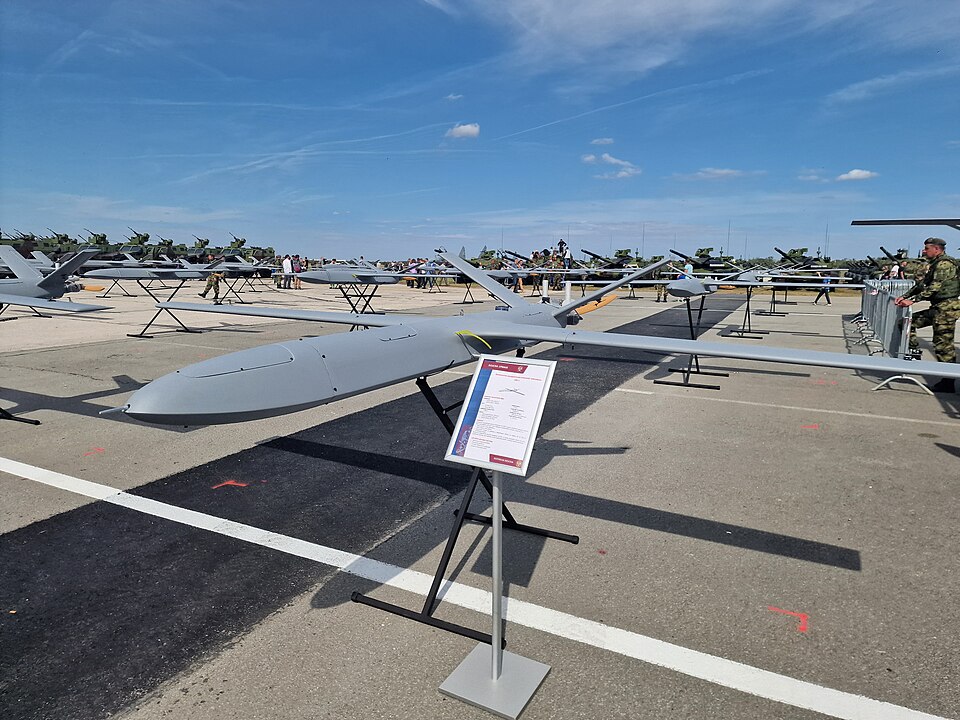
Unlike multi-role drones like Liutyi, designed to withstand hundreds of hours of flight, FP-1 was designed from the very outset as just a one-way strike weapon. This allowed engineers to avoid durability needs and use lighter, cheaper materials without taking anything away from mission success. In the words of Defense Express, one system is made like a disposable cup, another like a durable mug-the disposability of FP-1 is its advantage in cost.

3. Radical Simplification in Manufacturing
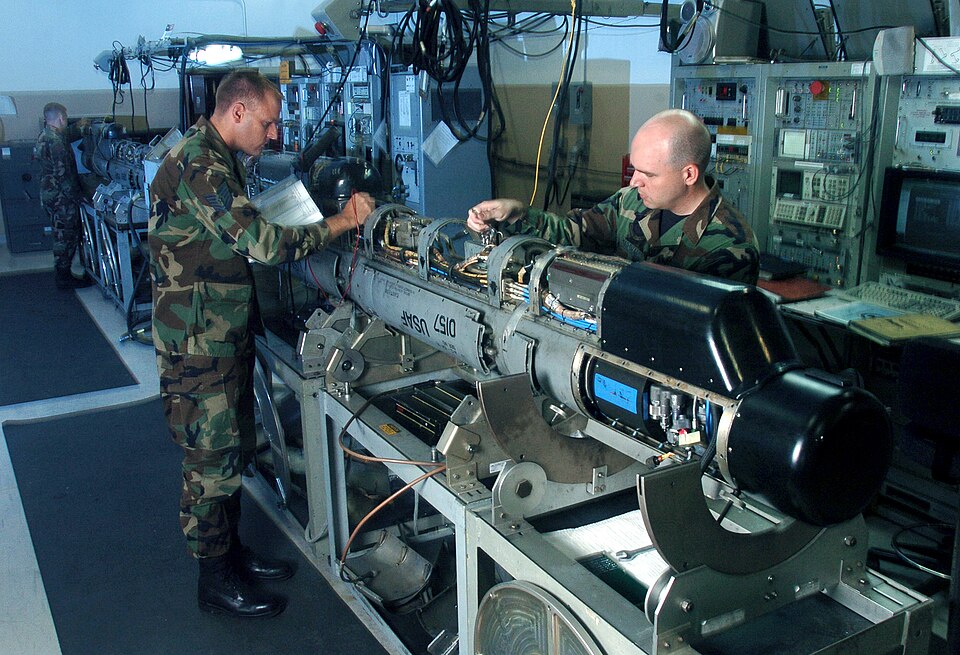
The Fire Point production line of aircraft replaces the composite-cured fuselages with vacuum-formed plastic, uses laser-cut plywood for the avionics bays instead of the expensive aviation units, and for the engines, the manufacturer uses moped engines. To attach wings and tails, carbon rods are used, while tie-straps and clamps fasten connections. That is an old but forgotten principle of wartime production, and accordingly, FP-1 can be assembled in just three days and this assembly could easily be scaled across a number of facilities.
4. Engineering Simplicity That Works
Building a simple airframe was easy; making it survive long-range missions under GPS spoofing and EW attack was far harder. Fire Point employs about 300 engineers, many of them veterans with EW expertise, to refine navigation algorithms and countermeasures. With mass production enabling daily destructive tests, the team is able to iterate faster than rivals-a trait most Ukrainian developers cannot boast.
5. Production Scale That Rivals Russia
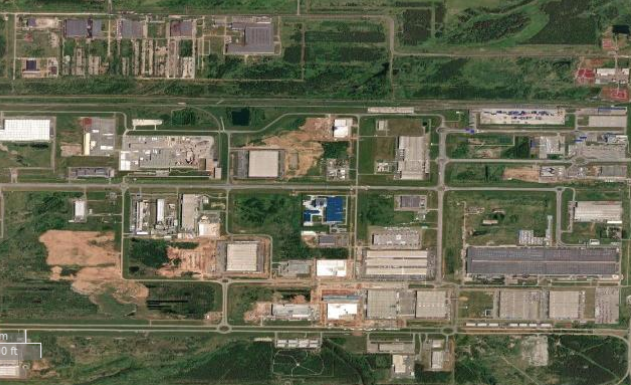
The FP-1s are manufactured at a rate of 200 units daily, which puts Ukraine’s production on par with that of the Shahed drone factories in Russia, but at a much lower unit cost. At $55,000 per drone, FP-1 is cheaper than many Russian loitering munitions and dramatically less costly than cruise missiles. This scale means Ukraine can sustain high-tempo strikes without exhausting its budget, creating a mirror-image problem for Russian air defenses.

6. Proven Combat Record
Since their entry into mass use in 2024, FP-1s have struck oil refineries, radar stations, air defense systems, and military vessels deep inside Russia. These have included targets such as S-400 launchers, Nebo radar stations, Pantsir-S1 units, and high-value infrastructure like the Kirishinefteorgsintez refinery. These hits degrade Russia’s wartime economy and force costly redeployments of defensive assets.
7. Evolution Into FP-2 and Beyond
The FP-2 variant gives up range for payload, carrying a 105–120 kg warhead over about 200 km. It has already seen use in precision strikes on occupied Donetsk and Luhansk. Fire Point’s adoption of solid-fuel boosters for these drones led to in-house propellant development-a breakthrough now feeding into ballistic missile projects like the FP-7 and FP-9.
8. From Flamingo Missiles to Interceptors
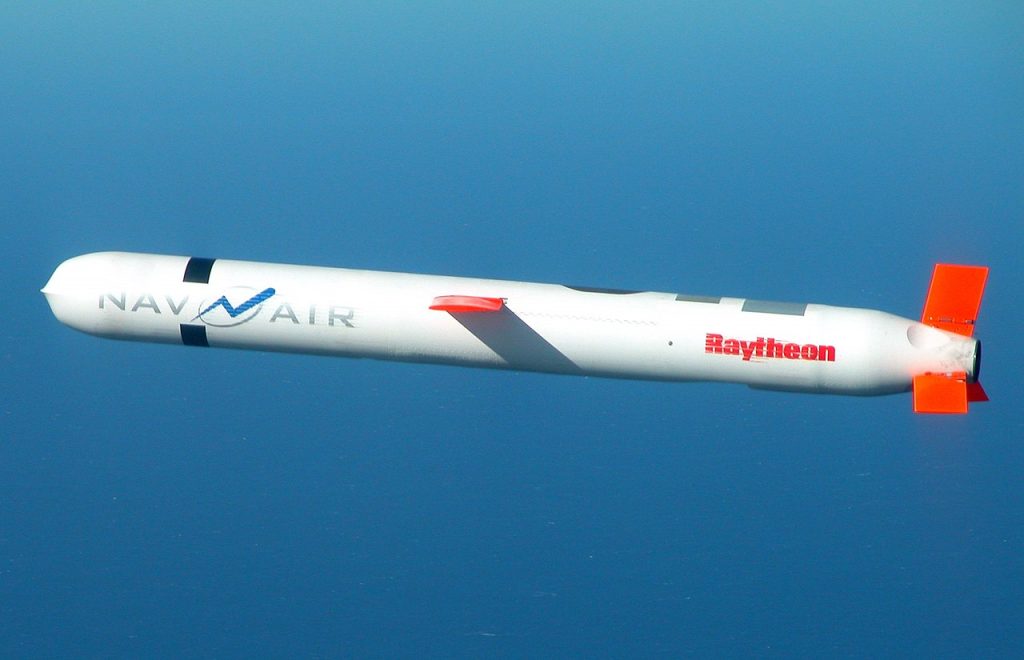
Beyond the drones, Fire Point is producing the FP-5 “Flamingo” cruise missile, which has a strike capability of 3,000 km with a warhead of 1,000 kg. It also works on interceptor missiles against ballistic threats, with collaboration from European defense firms on guidance systems. Such an expansion justifies how the revenue created by the FP-1 finances a wider strategic arsenal.

9. Strategic Endorsement and Global Ambitions
Former US Secretary of State Mike Pompeo joined Fire Point’s advisory board, pointing to the platform’s rare ability to strike deep and at volume. He underlined that Western militaries need to learn from Ukraine’s wartime innovation speed. The Fire Point leadership has made overtures toward future sales to NATO markets by framing FP-1 not just as a weapon of war but as a deterrent asset for allied forces.
The story of FP-1’s rise is not just one of clever engineering but rather a real case study in how wartime necessity accelerates innovation. Embracing disposability, radical simplification, and relentless iteration, Ukraine has built a weapon that can achieve strategic effects at a sustainable cost. As production scales and variants multiply, FP-1’s legacy may be less about any single strike and more about proving that in modern conflict, speed and adaptability can outmatch even the most entrenched industrial powers.


