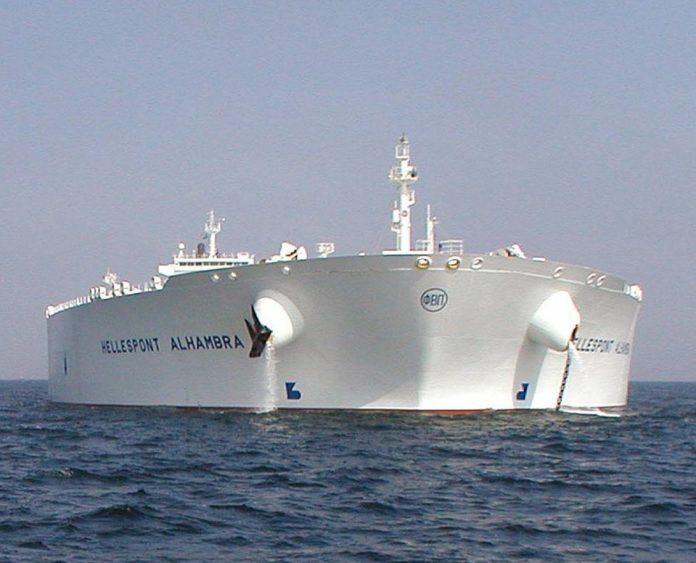
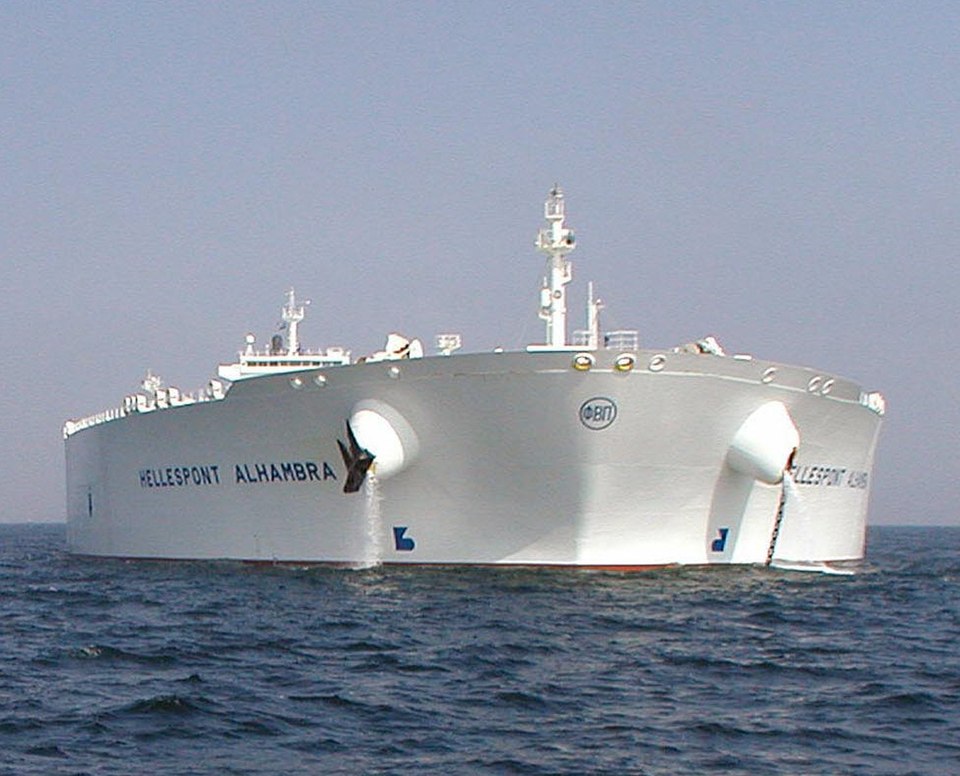
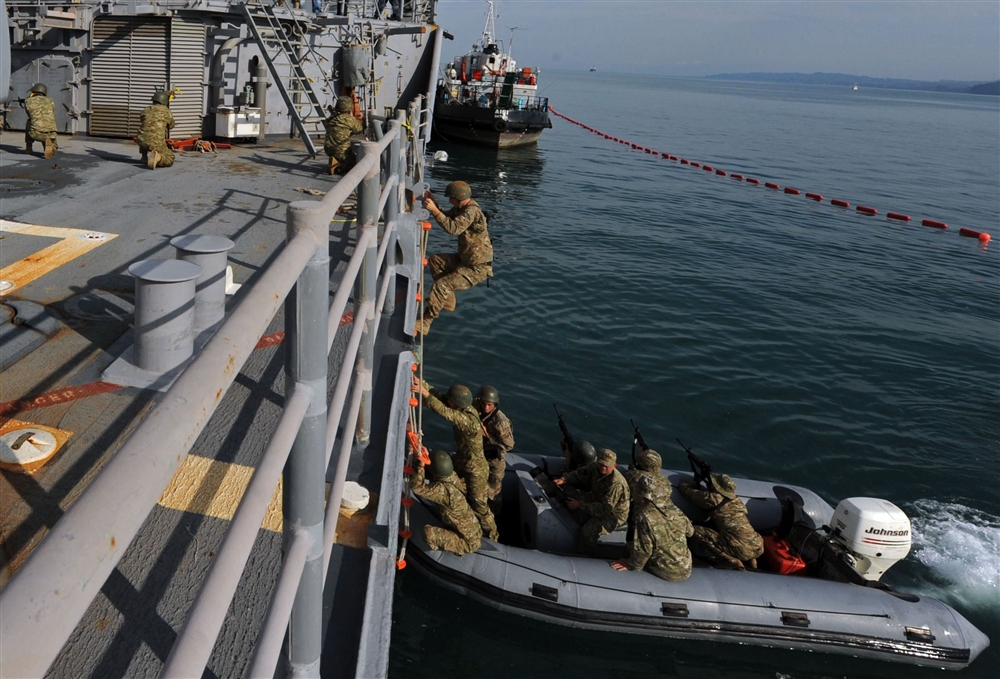
Just before dawn in the Caribbean, two U.S. military helicopters hovered mere feet above the cargo deck of the 333-meter oil tanker Skipper . Special operations forces began fast-roping down, weapons at the ready, as they conducted a highly unusual maritime intercept operation under Coast Guard operational control. The sanctioned oil tanker, barred from 2022 operations for carrying oil on behalf of Iran’s Revolutionary Guard Corps and Hezbollah, had set sail from Venezuela moments before encountering U.S. forces. Operations began with a launch from USS Gerald R. Ford , with 10 members of the Coast Guard MSRT and 10 Marines.
1. Expanding Maritime Seizure Campaign
According to reports, the “Skipper” seizure represents the first seizure of a sanctioned Venezuelan oil tanker and represents a larger U.S. effort to address what it calls the “shadow fleet” shipping oil to China and other destinations. Intelligence analysts have also compiled a list of additional sanctioned oil tankers operating below radar and with less-than-fully comprehensive insurance. Spy assets were tracking vessels within Venezuelan and global waters, waiting for opportunities to board as permitted under U.N. Convention on the Law of the Sea agreements for stateless vessels.

2. Strategic and Economic Stakes
The impact on shipments of Merey Crude oil has already affected almost 6 million barrels. It has been pointed out that, because Venezuela’s economy relies so heavily on oil exports, it may suffer serious pressure if more seizure operations make tanker ships hesitant. From a market viewpoint, it can be recognized that oil prices rose 1.3 percent on the first day after the raid, because geopolitical pressures affect energy costs directly.
3. Oil Price Risk Modeling
Studies conducted by the Dallas Fed on economic modeling have shown that geopolitical threats of oil supply can lead to price and inventory increases due to the escalation of downside risk. But market psychology can at times magnify price risk. The recent Ukraine war witnessed the price of Brent crude oil jumping by more than $30 within a couple of days because of market psychology.
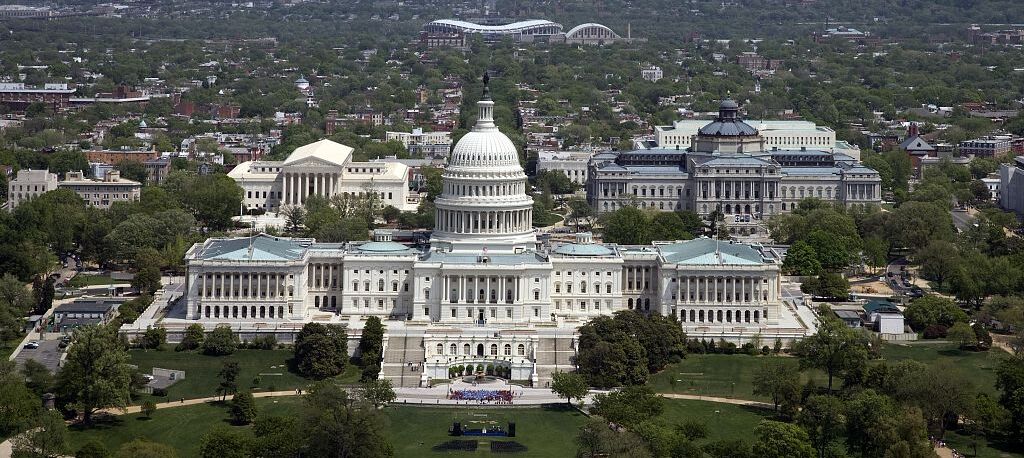
4. GOP Health Care Stalemate
Capitol Hill: Republican leaders are still at odds about handling the expiration on Dec. 31 of additional subsidies for people with Affordable Care Act plans. Leaders have coalesced around a solution offered by Sens. Bill Cassidy and Mike Crapo that would use the money from subsidies for health savings accounts and cost-sharing subsidies and assert it would reduce 2027 premium costs by 11%. House Speaker Mike Johnson refuses efforts from moderates to extend the additional subsidies despite threats from Rep. Brian Fitzpatrick and others that expiration would not be acceptable.
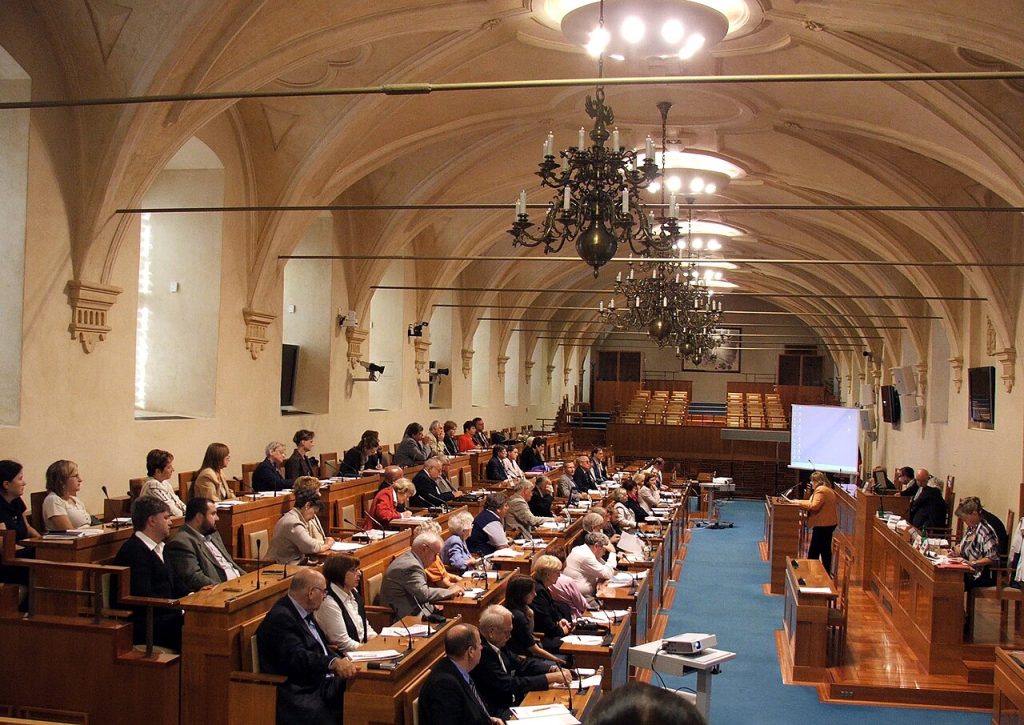
5. Legislative Deadlock and Political Risk
Both the GOP plan and Democratic legislation for an extension of three years of subsidies have failed a vote in the Senate, illustrating the challenge that would be posed in balancing ideological gaps with the possibility of an average increase of $1,000 per year for premiums. The Congressional Budget Office expects 2 million more people uninsured if an extension fails. Certain members of the GOP contemplate discharge petitions.
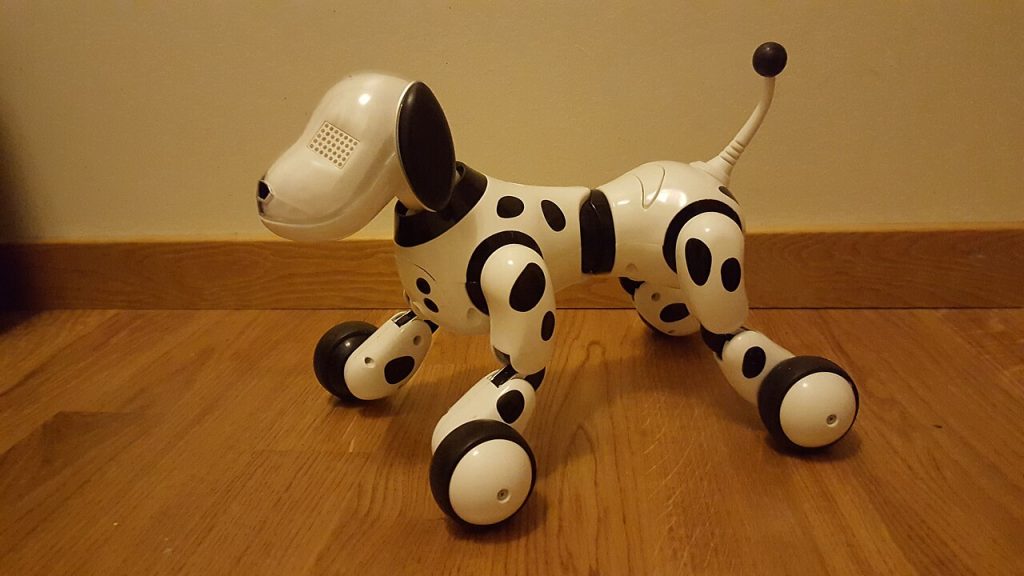
6. AI Toys Under Fire
The so-called latest generation of kids’ toys uses AI. But testing done jointly with Common Sense Media and a testing center affiliated with U.S. Public Interest Research Group Education Fund shows some internet-connected kids’ toys, like robot pets and interactive stuffed animals, have given kids links and information about finding sharp objects and talking about explicit matters.

7. Risks and Gaps Associated with Embedded AI
These toys integrate hardward, softward, and adaptable AI learning models that have the ability to store conversations, thus making these pseudo-connections with children permanent. However, specialists have argued that these trivial designs make it easier for kids’ privacy and trust to be compromised and make these kids lose healthy interactions. The U.S. lacks comprehensive regulation, with regulations covering physical safety via the Consumer Product Safety Commission, but there are no departments primarily responsible for child safety on prejobbed AI.

8. Industry and Policy Responses
Industry leaders point to benefits such as local data processing and parental control tools, but enforcement on these guidelines and rules has been lacking. OpenAI temporarily removed a developer whose AI-powered teddy bear did not comply with guidelines on content.
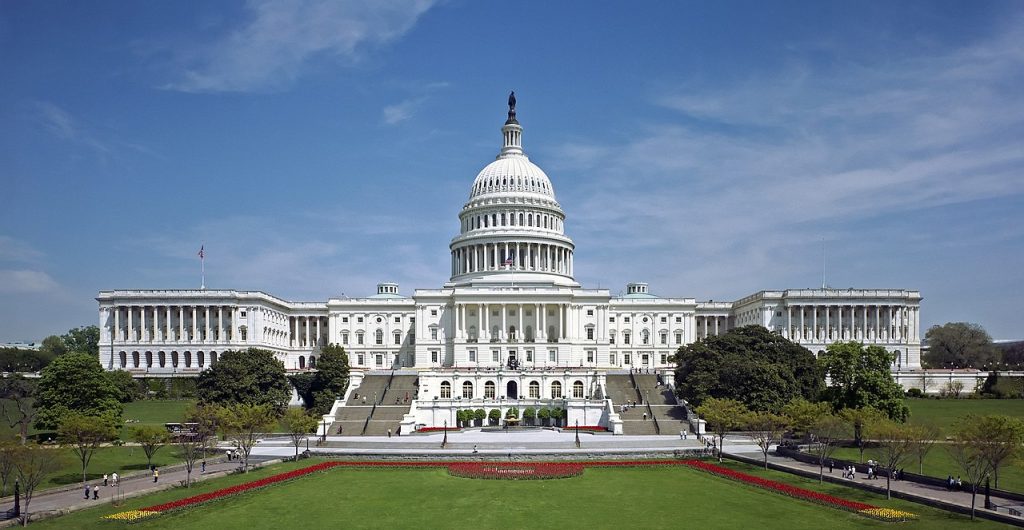
Proposals involving guidelines like COPPA 2.0 seek to expand guidelines to include teens and incorporate deletion tools for data. Some propose risk-based guidelines for AI, like in the EU. The intersection of high-risk maritime interdictions, uncertain energy markets, highly politicized health policy debates, and unregulated AI consumer products establishes the multiple dynamics at play within the realms of security, economics, and technology influencing U.S. agendas.


