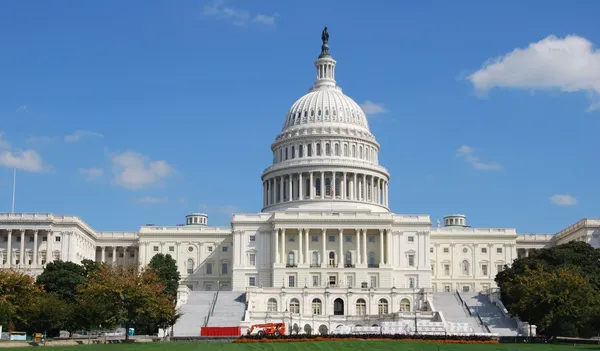
Is Congress secretly planning a decades-long confrontation with China on its own terms, and with implications extending beyond Taiwan and beyond Asia itself? The latest National Defense Authorization Act appears so, and it contains provisions that extend well beyond softer tones and wishes emanating from the White House. While it apparently considers stability on trade, Congress appears determined to carry out an assertive agenda.
The $900 billion defense policy package, extending over 3,000 pages, represents more than an appropriations measure on military spending it depicts a road map on competition. Whether it’s restrictions on capital outlays within core sectors of critical technologies or an intensified collaboration role within the military with Taiwan, these components typify a bipartisan understanding on Capitol Hill that competition with China represents more than a passing phenomenon and cuts into varied realms, including economics, security, and ideologies. Below is a comprehensive list dissecting factors defining competition.

1. Tightening U.S. Capital Flows into Chinese Military-Linked Tech
The NDAA requires review of U.S. investments in China’s most anxiously guarded industries, including semiconductor, aerospace, quantum computing, and artificial intelligence. It goes with what Treasury requires as of Jan. 2 on halting capital with the possibility of enhancing foreign military strength. Both arms makers and lawmakers believe there are more elements accompanying capital investment beyond mere dollars that China might use for weaponry.
As Rep. John Moolenaar pointed out, “For too long, the hard-earned dollars of American retirees and investors have been sent to build up China’s military and economy.” By including it in a bill that must be passed, Congress can effectively make it difficult for future administrations to undo it quietly.

2. Limiting Federal Contracts with Chinese Biotech Companies
A watered-down form of the BIOSECURE Act shows up in the NDAA, banning federal dollars from going to “biotechnology companies of concern.” Unlike the failed bill from last year, it does not list specific companies. Rather, it depends on the Office of Management and Budget for making that determination. Companies that develop drugs with these biotechnology businesses have five years to fix supply chain problems.
It had already been argued that actions against enterprises such as BGI Genomics and WuXi Biologics could have disrupted clinical trials and driven up drug prices. The new strategy focuses on safeguarding drug and genetic data supply chains without abrupt changes.
3. Expanding Pentagon Investment in Biotechnology
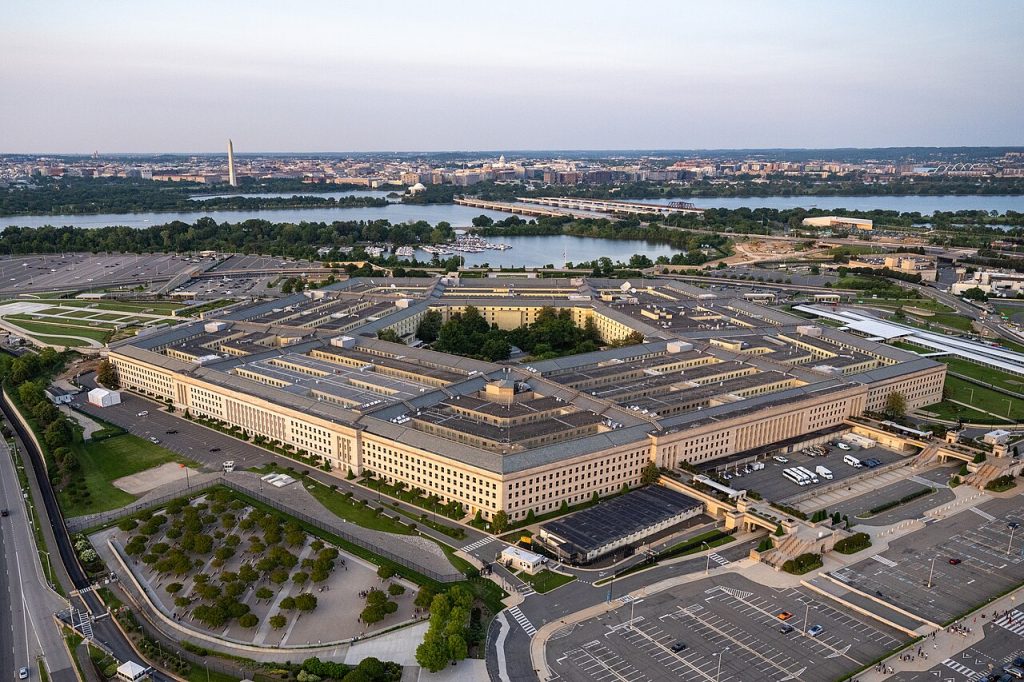
But beyond these restrictions, the NDAA also mandates DoD investment in biotech. There appears to be an understanding that biotech falls within a dual-use area, meaning it can be very useful for health innovation as well as bioengineering/synthetic biology.
By allocating defense dollars for biotech capabilities within the country, Congress aims to diversify its sources of procurement and make America more competitive within an area that China aims to gain a strategic edge within.
4. $1 Billion Boost for Taiwan Security Cooperation
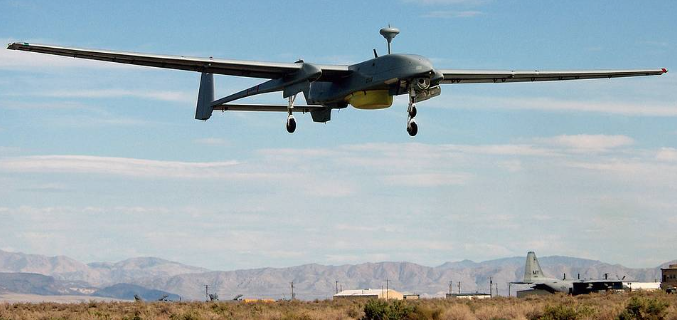
Taiwan security appropriations escalate from $300 million to $1 billion as a result of the Taiwan Security Cooperation Initiative. The Taiwan security legislation relates to joint drone and anti-drone activities, joint development and production, and enhances Coast Guard training.
These steps enhance deterrence within the Taiwan Straits, as China has made it clear that it might use force. Secondly, they are a Congressional message about Taiwan’s role within U.S. defense planning. China has made it clear that Taiwan’s relationship with foreign nations will challenge China’s sovereignty.
5. Support for Taiwan’s Candidacy for IMF Membership
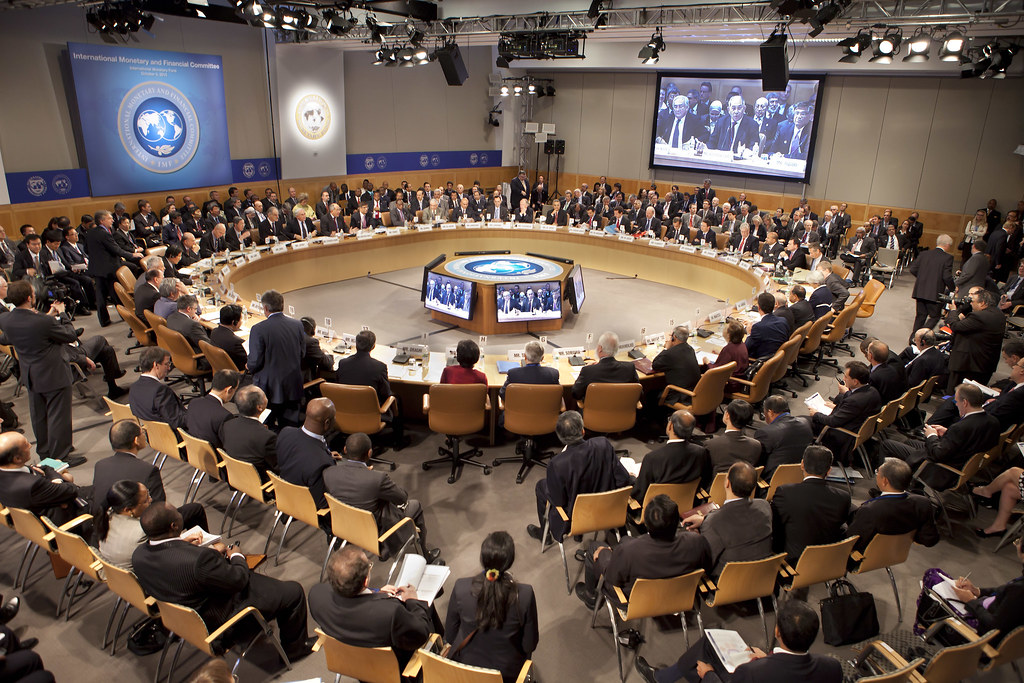
The NDAA also contains provisions for Taiwan Non-Discrimination Act and supports Taipei’s bid to join the International Monetary Fund. By joining the IMF, Taiwan would be assured of economic protection against Taiwan’s pressure from China.
It goes beyond U.S. military assistance and focuses on the area that China aims to isolate Taiwan with its efforts.
6. Blocking Collaborations with Countries of Concern
Although an extension of a ban on collaborations in the SAFE Research Act had been waived, there are new security provisions within the NDAA with regards to research collaborations with China and other listed nations. A war on research collaborations as vectors for research transfer, it seems, is still a concern within Congress.
The universities were successful at overturning the most general prohibitions, but the retained restrictions highlight an increasingly direct relationship between research policy and national security strategy.
7. Reaction to Trump’s Nvidia Chip Sales Decision
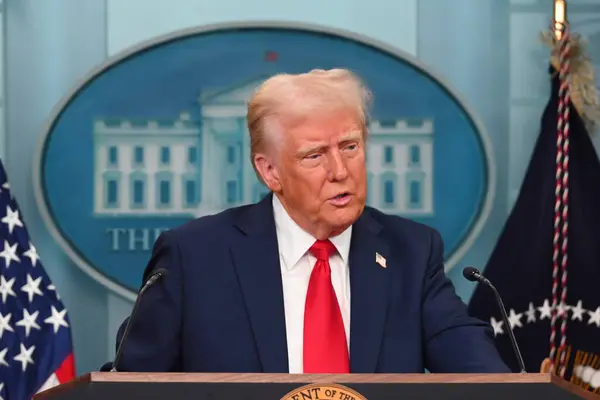
Reacting to United States President Donald Trump’s approval for Nvidia to sell its H200 AI chips to China with an export fee of 25%, Congressional hawks were highly irritated. Those who shared these feelings were Brad Carson, who argued that it “puts our competitive edge up for sale.”
“These sections of the NDAA impart a message that no matter what the administration’s trade policy preferences, it’s likely that Congress will act on Capitol Hill to make sure that ‘text’ advanced AI capabilities are not available for China’s acquisition,” said William Reinsch, senior vice president for policy and global economic affairs at the Center for Strategic and International Studies.

8. Embedding Long Term Competition within Law
These measures “build a floor under U.S. competitiveness policy very hard for future presidents to unwind quietly.” Congress’s codification of tough U.S. China policy on capital, biotech, and critical technologies establishes a hardline China policy.
It represents an appreciation of the fact that competition between the United States and China will not be an arc-light flurry but a challenge for rules and norms.
9. Defense Policy and Indo-Pacific Strategy Alignment
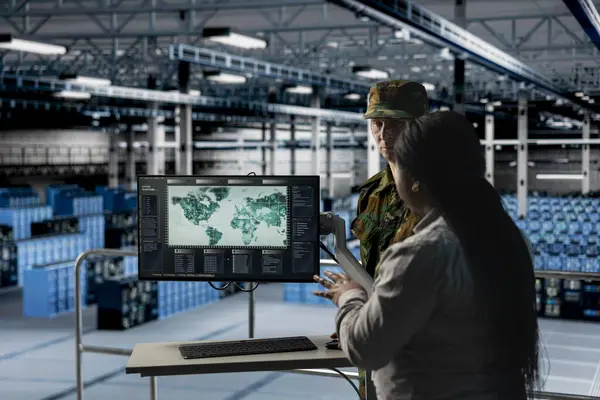
The provisions on China within the NDAA are part of a broader strategy within the Indo-Pacific region that focuses on partnership-building and burden-sharing. The national security strategy issued by the White House emphasizes Japan and South Korea’s need for greater defense expenditure, but Congress ensures that U.S. presence within the region remains strong. Encompassing military cooperation with Taiwan and resistances against technology transfers, it articulates a multi-domain competition framework that is military, economic, and technological. It works towards preventing China from either developing an illiberal sphere of influence.
China provisions within the NDAA signify a paradigm shift to U.S. strategy: integrating competition in economics, tech, and military into law. Although the White House speaks carefully about trade talks, Congress continues to enshrine provisions that will influence competition for years and potentially decades to come. To lawmakers and experts, it becomes clear: competition against China is beyond a political consideration and into a permanent national policy.


