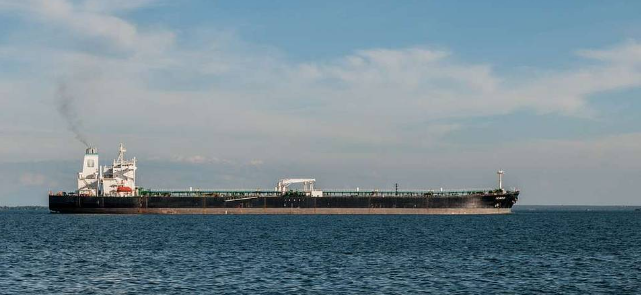
“Largest one ever seized” the words from President Donald Trump were not just political theater but a signal of a significant escalation in Washington’s sanctions enforcement. The dramatic capture of the 20‑year‑old oil tanker The Skipper off Venezuela’s coast has stirred geopolitical ripples from Caracas to Beijing.
This was not a routine interdiction. It combined elite maritime forces, high‑risk helicopter boarding, and a vessel with a shadowy history tied to sanctioned oil networks spanning Iran, Russia, and Venezuela. The seizure underscores how maritime operations are becoming a frontline tool in U.S. foreign policy, targeting the economic lifelines of adversarial states.\
What follows is a breakdown of the most critical details from the tactical execution to the tanker’s covert past offering a clear view into the strategic, legal, and economic dimensions of this high‑stakes operation.
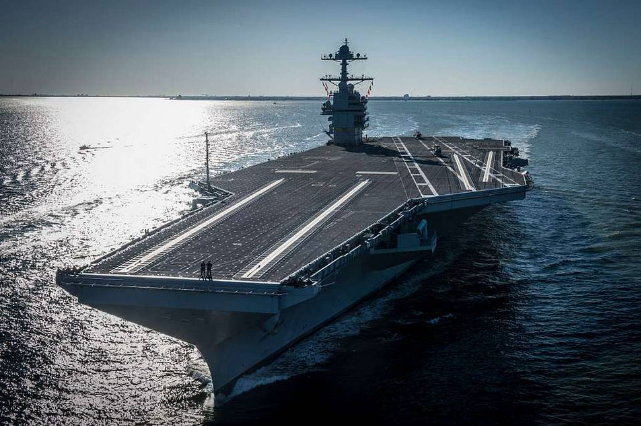
1. Elite Helicopter Raid from USS Gerald R. Ford
The operation began shortly after The Skipper departed a Venezuelan port. Launched from the USS Gerald R. Ford, the mission deployed two helicopters carrying special operations forces, 10 U.S. Coast Guard members, and 10 Marines. The boarding team came from the Coast Guard’s Maritime Security and Response Team, an elite unit trained in counterterrorism and high‑risk interdictions.
Attorney General Pam Bondi released a 45‑second video showing armed personnel fast‑roping onto the tanker’s deck. U.S. officials noted that while sanctioned vessels have been seized before, helicopter‑borne boarding at sea is rare, highlighting the mission’s complexity and risk profile.
2. Legal Lead by the Coast Guard
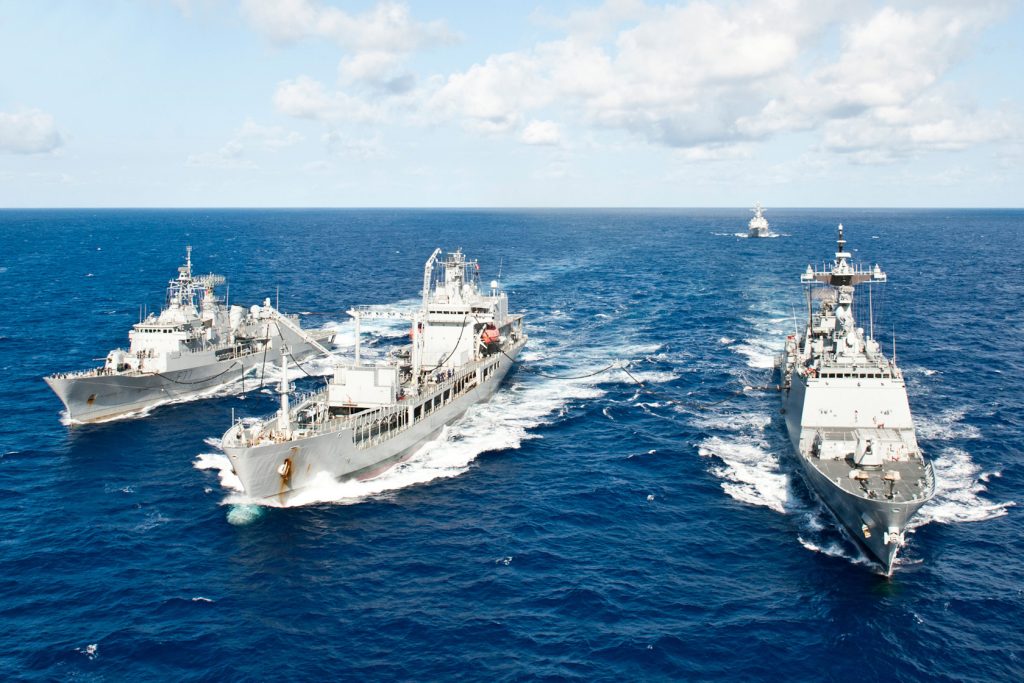
Although Navy assets supported the raid, the Coast Guard was the lead agency. This was necessary because the seizure authority fell under Coast Guard jurisdiction, tied to sanctions enforcement statutes. Legal advisers were involved before and during the mission, ensuring compliance with maritime law.
Victor Hansen, a former military lawyer, emphasized that unlike drug‑interdiction strikes, this was not justified under combat operations but under sanctions law making it a distinct legal case in recent maritime enforcement history.
3. Tanker’s Sanctioned History and Ownership
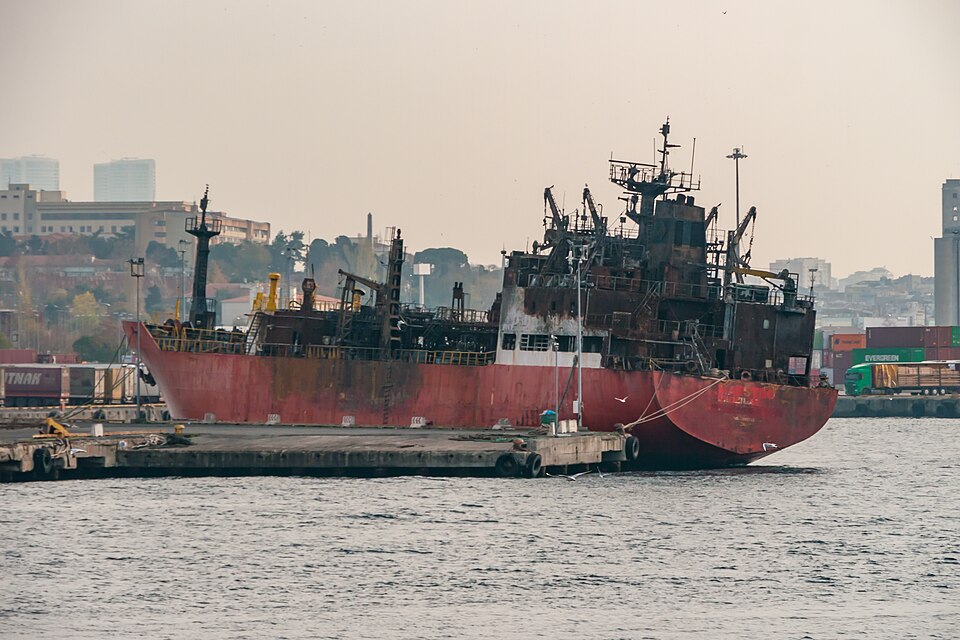
The U.S. Treasury sanctioned The Skipper in 2022, when it sailed as Adisa, for participating in an oil smuggling network funding the Iranian Revolutionary Guard Corps and Hezbollah. The vessel is linked to sanctioned Russian oil magnate Viktor Artemov and managed by Nigeria‑based Thomarose Global Ventures LTD.
At 333 meters long, the tanker was among the largest in the world when built in 2005. It was falsely flying Guyana’s flag at the time of seizure, a fact quickly denounced by Guyana’s maritime authority.
4. Part of the Global ‘Dark Fleet’
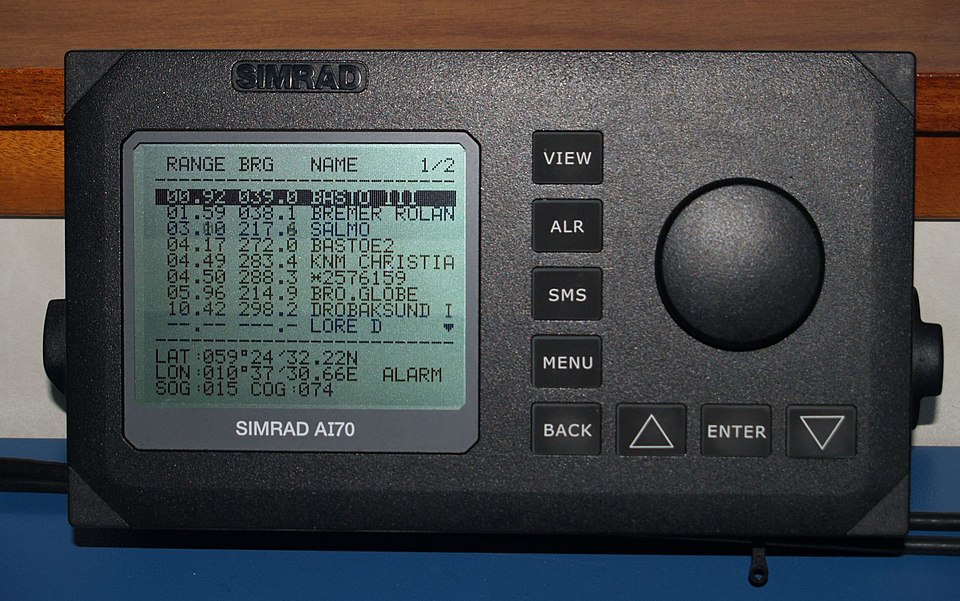
Maritime analysts described The Skipper as part of the so‑called “dark fleet” tankers that obscure ownership, identity, and routes to evade sanctions. Under international law, large vessels must carry Automatic Identification System (AIS) trackers, but The Skipper repeatedly manipulated or disabled its AIS signals.
Kpler analysts documented spoofed positions, showing the ship at Iraq’s Basrah terminal while actually loading crude at Iran’s Kharg Island. Such deception is a hallmark of sanction‑evading networks.

5. Covert Ship-to-Ship Transfers
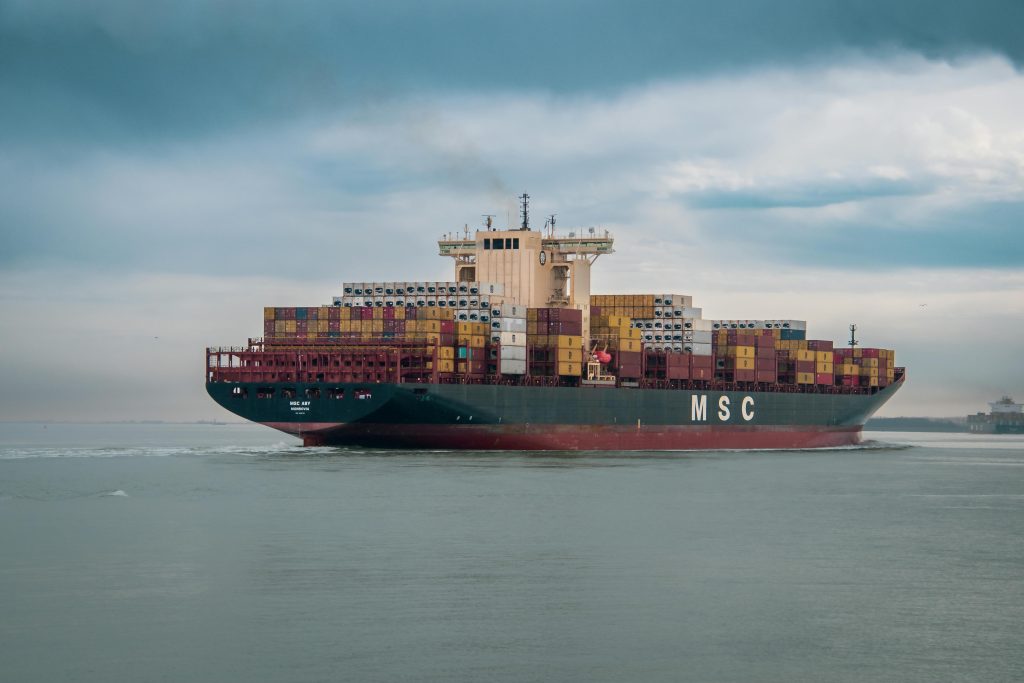
Satellite imagery and tracking data revealed The Skipper conducted multiple ship‑to‑ship transfers, including one near Barcelona, Venezuela, days before the seizure. These transfers, while not inherently illegal, are rare and often signal attempts to disguise cargo origins.
One such transfer involved about 200,000 barrels moved to the Panama‑flagged Neptune 6 bound for Cuba. Analysts noted that The Skipper had also delivered Venezuelan crude to Asia in previous years.
6. Cargo: Merey Crude and Sanctioned Oil
Before capture, The Skipper loaded approximately 1.8 million barrels of Venezuela’s Merey heavy crude at the Port of Jose. The U.S. alleges the tanker also transported sanctioned Iranian oil, creating a dual violation of American sanctions regimes.
Bondi stated the vessel was part of “an illicit oil shipping network supporting foreign terrorist organizations,” underscoring the national security framing of the operation.
7. Geopolitical Escalation Against Maduro
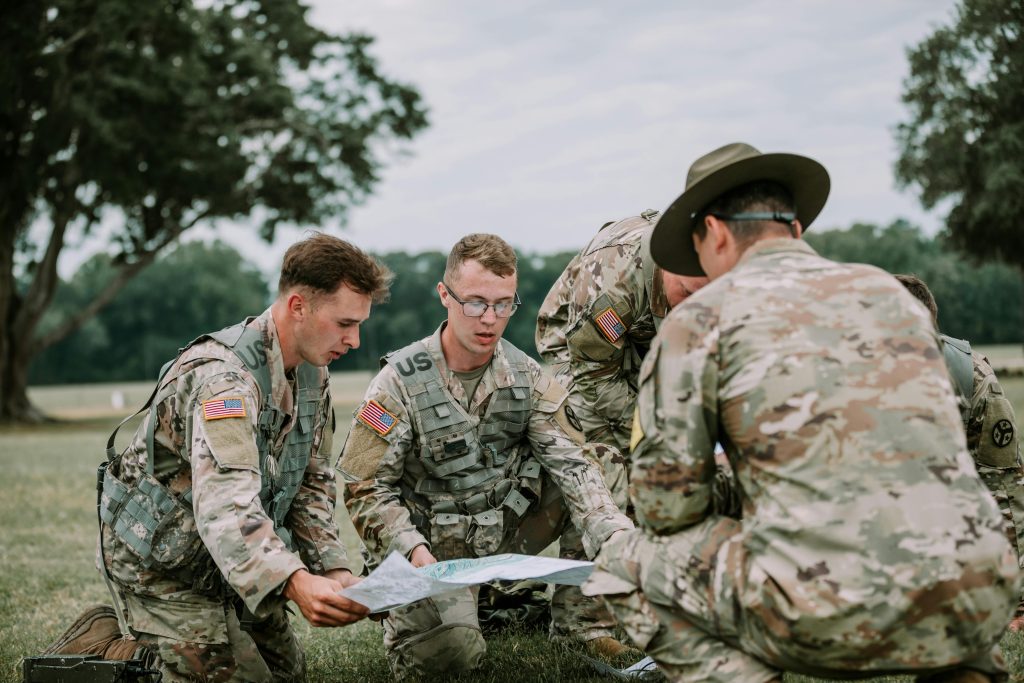
The seizure comes amid months of U.S. military buildup in the Caribbean, including deployment of 15,000 troops and multiple warships. Trump has openly pressured President Nicolás Maduro to step down, accusing him of exporting drugs and criminals.
Mick Mulroy, a former Pentagon official, said the move “amps up pressure” on Caracas, signaling that targeting oil shipments could be the start of a broader campaign.
8. Economic Impact on Oil Markets
News of the seizure pushed U.S. crude prices up about 1 percent. Analysts such as Jorge León of Rystad Energy called it “a clear escalation from financial sanctions to physical interdiction,” adding that even modest volumes can sway market sentiment when geopolitical risk is high.
However, David Goldwyn, a former State Department official, assessed the impact on Venezuelan exports as “modest” unless the U.S. expands interdictions to all vessels carrying Venezuelan crude.
9. Venezuela and Iran’s Strong Reactions
Venezuela’s government condemned the seizure as “shameless robbery” and “international piracy,” vowing to denounce it before global bodies. Iran’s embassy in Caracas labeled it a “grave violation of international laws and norms.” These statements reflect the broader diplomatic fallout, with both nations framing the action as aggressive resource appropriation rather than lawful sanctions enforcement.
The seizure of The Skipper marks a rare fusion of high‑risk naval tactics and sanctions enforcement, targeting a vessel embedded in opaque global oil networks. While its immediate impact on Venezuela’s oil flows may be limited, the operation signals Washington’s willingness to escalate from financial measures to direct interdictions at sea a move that could redefine maritime enforcement in the Western Hemisphere.


