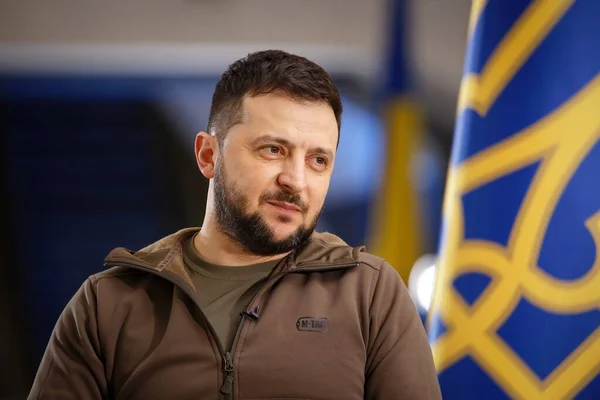
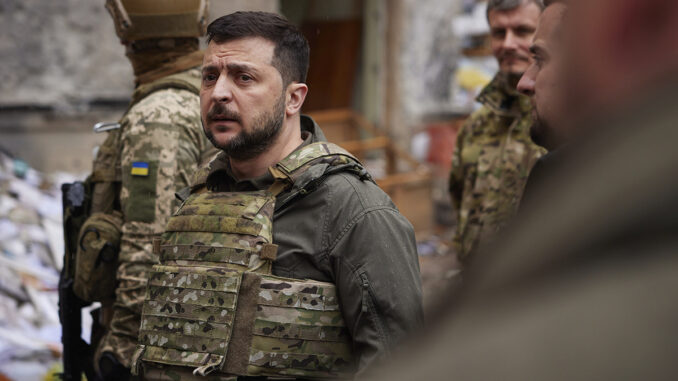
What then becomes of a country that finds itself besieged and proclaims it has unleashed an arms system it has been working on for more than a decade quietly in the background? Within the contest of Ukraine, it took an assertion on the part of President Volodymyr Zelensky that the locally manufactured ballistic Sapsan missile had entered service to set all manner of speculations and some chance calculation on the strategy side.
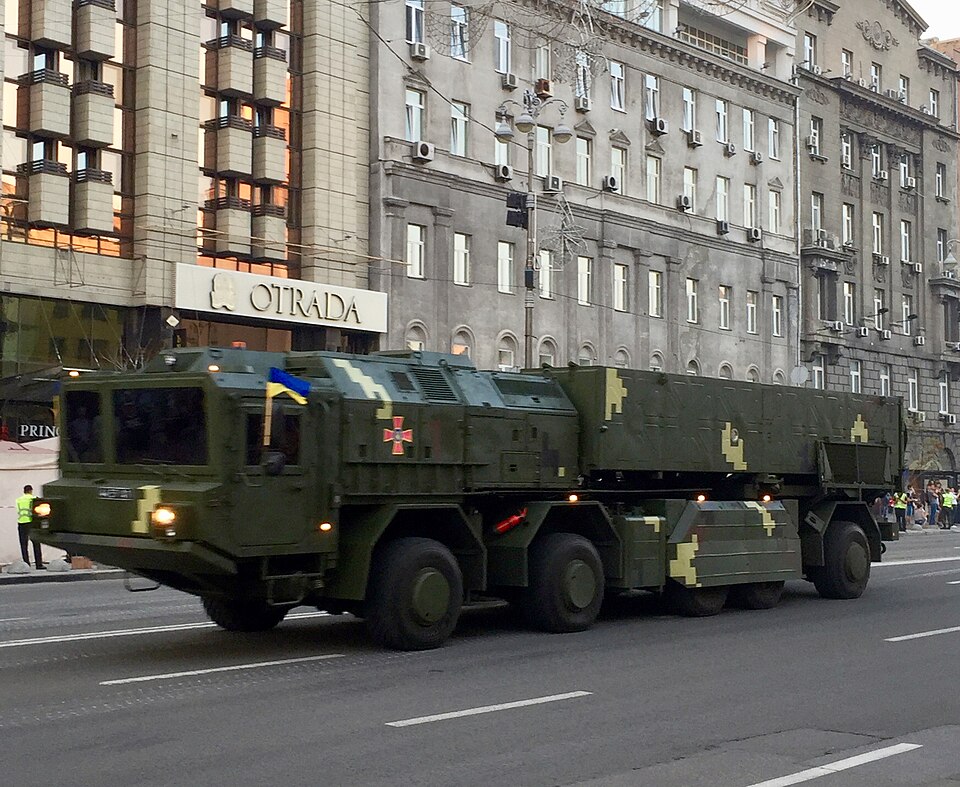
The Sapsan, if it becomes operational, would be a leap forward for Ukraine’s abilities and capabilities that would allow it to hit within Russian territory without the political and operational limitations that would be imposed on it with weapons procured from Western sources. It is the culmination of several years of on-again, off-again developments and an overall effort at a Ukraine defense industry with greater independence. Below are nine aspects that they are watching very carefully.
1. A Product of Long-Delayed Ambitions
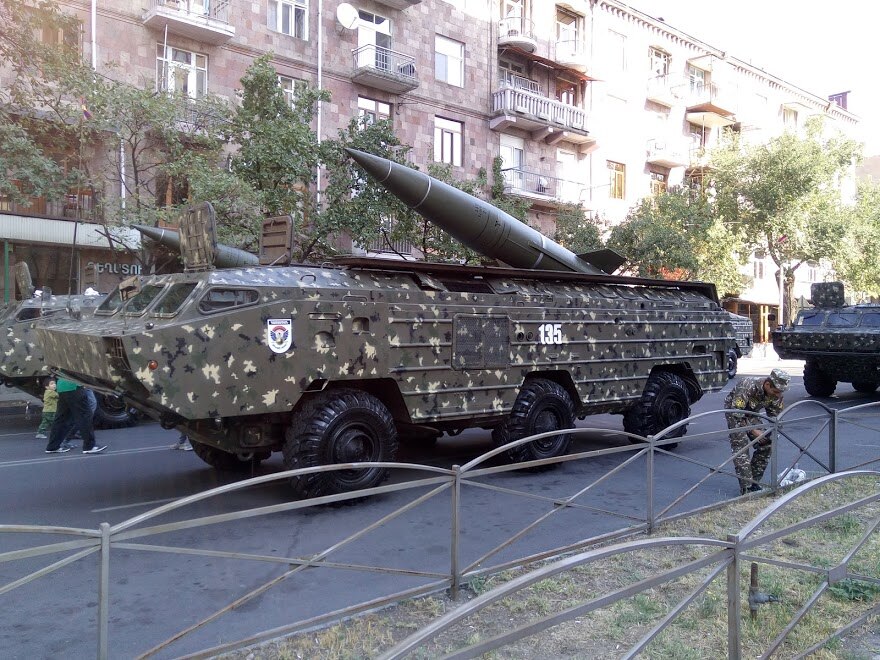
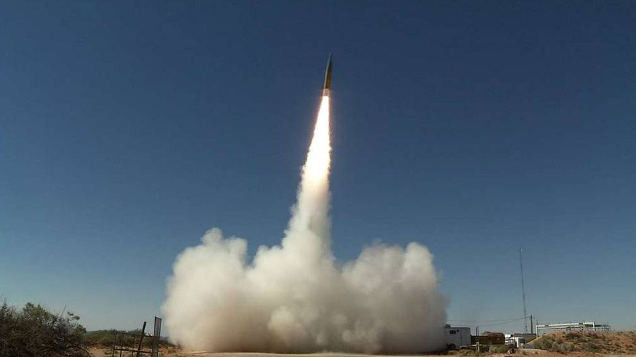
The Sapsan project began in 2006, as it replaced the Tochka-U rockets from the Soviet era. It had been put on hold multiple times due to budget cuts and changes in project priorities. It had been revived after Russia’s invasion of Crimea in 2014 and accelerated significantly after the 2022 invasion. By May 2025, it conducted a successful combat test at 300 km, which marked its start of mass production and readiness on the battlefield. It marks a project completion timeline that would normally span several decades.
2. Strategic Autonomy beyond Western Restrictions
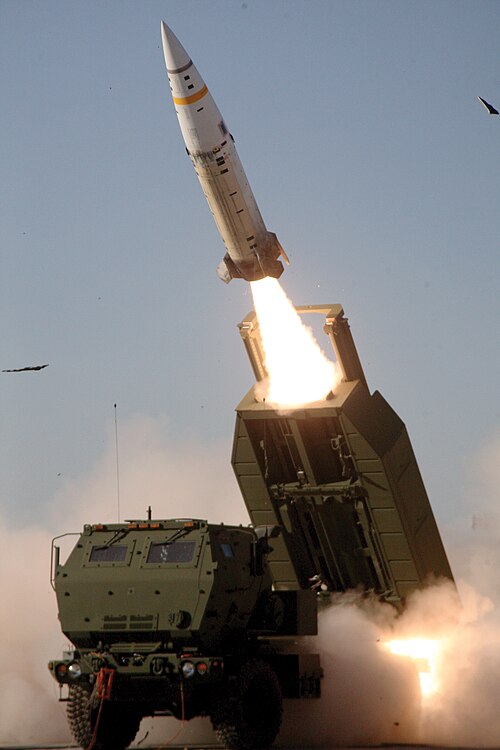
Nonetheless, as with U.S.-supplied ATACMS and Franco-British Storm Shadows, there were some limitations involved with the usage, but there would be no constraints imposed on Sapsan. This would be extremely important for Kyiv as they would be able to target high-value assets within Russia without there being an appeal for approval from allies. Deputy Defense Minister Anatoliy Klochko had labeled ballistics as “a top priority.”
3. Performance Envelope and Potential Variants
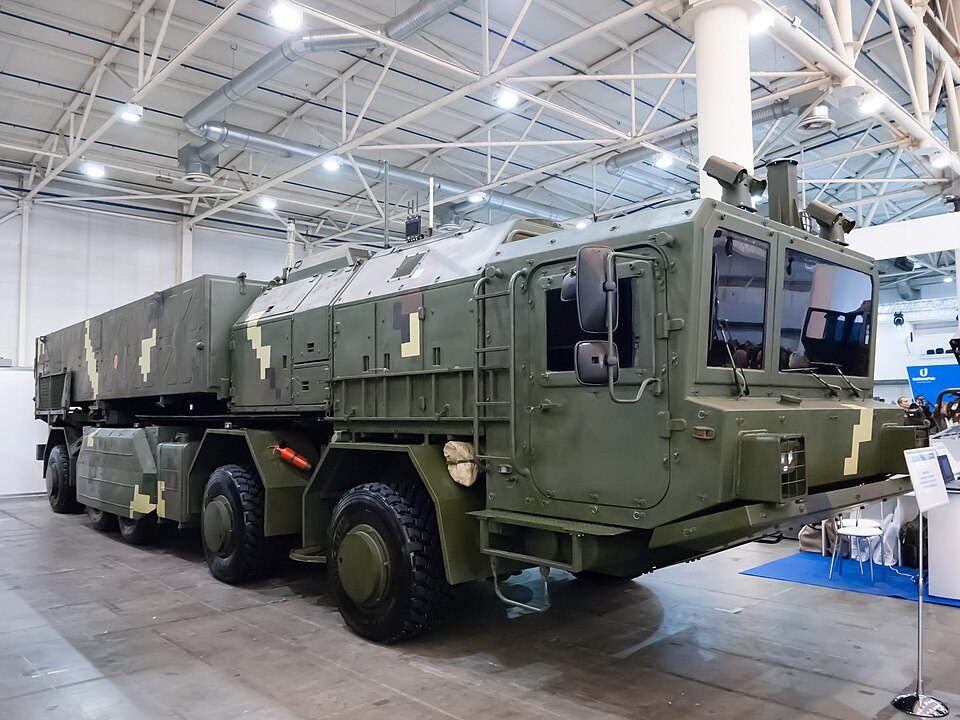
Related to the export model Hrim-2, there have been projections ranging from 280 km to 500 km range for Sapsan, but there have been some indications from some Ukrainian authorities about planning an 1,000 km projectile as well. It carries a 480 kg-warhead and a guidance package that employs highly sophisticated inertial, radar, and optoelectronic components. Its similarities with Russia’s Iskander-M have also drawn some attention, indicating it might be made highly mobile with shoot-and-scoot capabilities. Its future versions with reduced payload but with larger ranges might amplify its usage.
4. Status within a Multi-Layer Strike Arsenal in Ukraine
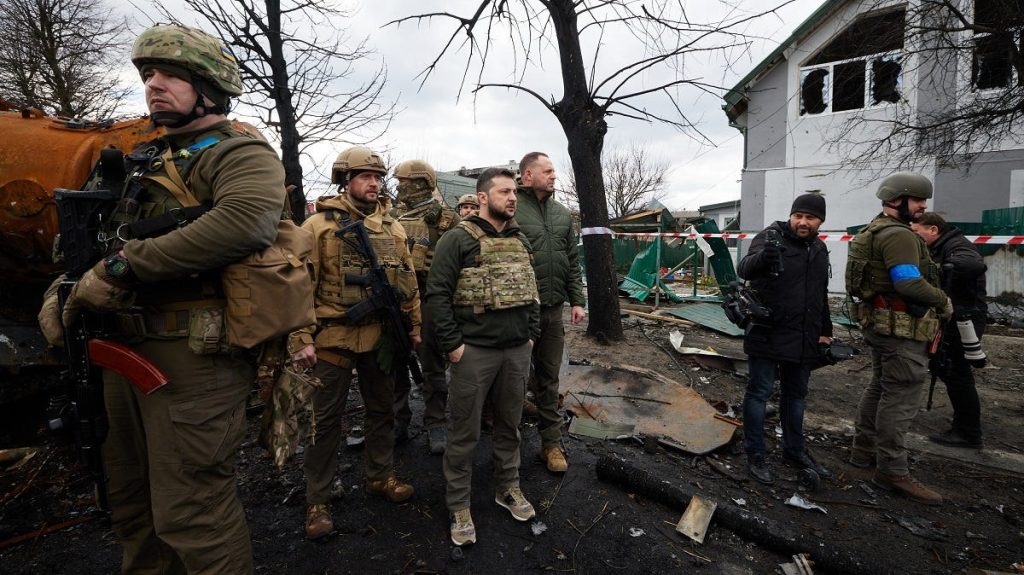
Zelensky’s announcement brought the Sapsan into a list with other ‘national’ weapons: “the Long Neptune cruise missile, the FP-5 Flamingo, the jet-powered ‘drone-missile’ Palyanytsia, and the ‘Peklo’ ‘missile drone’. These weapons make up a well-rounded ‘strike complex’ with ballistic, cruise missiles, and drones. Together, they might be able to saturate Russian air defenses and rely on the high velocity of a ballistic missile to get them through a ‘gauntlet’” that might destroy slower-moving drones and missiles.
5. Employment Details – ATACMS
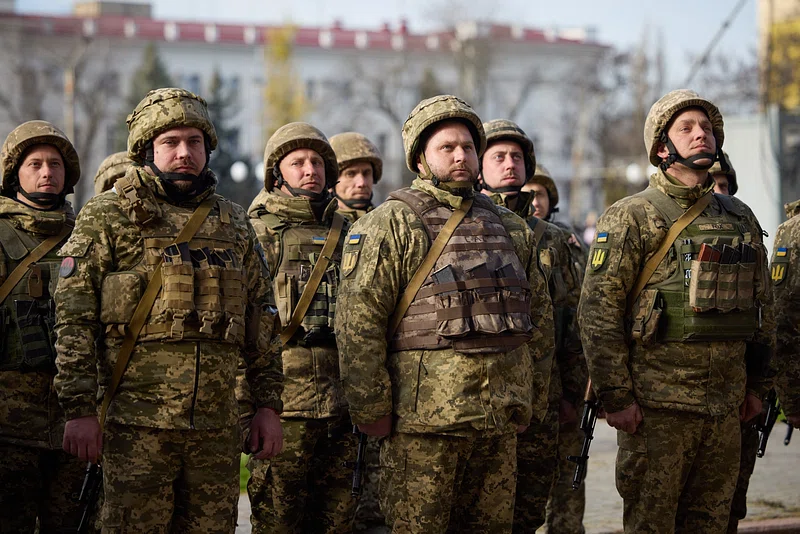
Due to a limited number of ATACMS missiles, Ukraine’s presence has compelled Russia to make some adjustments. Attacks on air bases within range have driven Russia to move high-end air defense systems like S-500. Within U.S. limitations, operation of the ATACMS system has disrupted Russian military operations. An indigenously developed equivalent with fewer political restrictions could achieve similar and better outcomes.
6. Russian Air Defense Under Pressure
A recent instance of the destruction of a rare 98L6 ‘Yenisei’ radar, which functions as the main sensor for the S-500 system, carried out by Ukraine’s GUR special forces, has created a gap within Crimea’s defense shield. The destruction of the radar would affect the warning period against fast and high-altitude threats, such as ballistic missiles. The cumulative effect of Sapsan attacks and radar jamming might compromise Russia’s intercept capabilities.
7. Tempo of Industrial Mobilization and Production
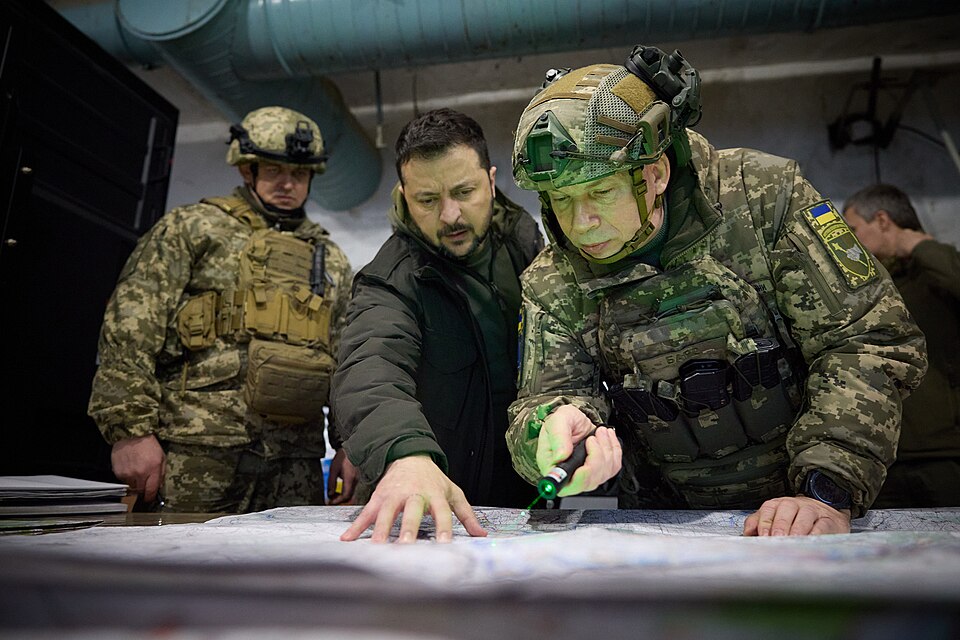
Consequently, Ukraine’s defense industry kicked into high gear with 30-40 percent of its front-line assets being locally manufactured. Also, there have been streamlined reviews within the Ministry of Defense, ensuring quicker decisions on its missile projects. Although the production numbers on Sapsan projects have not been made public, there are no hinderances on scaling up an industry compared with more labored and slower projects within Europe.
8. Western Technical Contributions
Linking happiness Although Ukraine maintains that Sapsan is an indigenous system, there has been a Russian assertion that Kyiv does not have full-cycle capabilities for developing a missile like Sapsan without foreign assistance. The Yuzhnoye Design Bureau has traditionally relied on some foreign sources for its subsystems, and foreign investment within Ukraine’s missile sector has increased since 2022. Foreign sub-components or processing methods might have accelerated its development stage, even if it were of Ukrainian origin.
9. Implications for Battlefield and Political
As seen on the battlefield, the Sapsan may hold the key for Ukraine to effectively target Russian logistics centers, command stations, and infrastructure well within range. A political implication here relates to allies and enemies alike, as it shows that Ukraine continues to demonstrate its capabilities for developing weapons on its own, with implications within the realm of arms cooperation agreements.
Whether seen on the battlefield and as a truly operational and potentially armed deterrence against Russia or as purely a propaganda weapon within the information warfare efforts on behalf of Ukraine, it should be recognized as an integral step within the broader historical defense modernization and developments within its military. A military that originally relied on external imports for precision firepower will be better equipped and empowered with a potentially refined and streamlined mass production ballistic weaponry option.


