Will drones make the difference in Europe’s deadliest conflict since 1945? It would appear so, at least in Britain. Within the last six months alone, the UK has supplied 85,000-plus military drones to Ukraine. Yet Ukraine needs these drones more than ever, with Russia scaling up its air campaign and unleashing attack drones and ballistic missiles into Ukraine with the objective of destroying its energy infrastructure before winter.
The move is about quantity but also represents a paradigm shift. London is combining mass attacks with agreements on tech-sharing, joint production ventures, and air defense operations within NATO as it responds to Moscow’s escalation. As Moscow’s attacks continue to spill into NATO- protected airspace, drone operations at least in the UK have been brought into alliance efforts on defense as well as pressure campaigns. Below are the first ten things about this mission.

1. Massive Use of Drones on Ukraine
During the past half a year alone, Britain has supplied more than 85,000 drones to Ukraine, coupled with £600 million financial support from its record £4.5 billion defense budget. These drones comprise several tens of thousands of short-range FPVs that will be deployed for reconnaissance, precision strikes, as well as destroying Russian positions in the rear. The number will clearly surpass previous ones due to ample demands and needs on the battlefields as well as efforts to saturate Russian air defenses. Companies like Tekever, Windracer, and Malloy are at the core of these production ventures.

2. Technology Sharing for Interceptor Drones
Last October, a joint commitment to share technology and develop an interceptor drone specifically designed against Russia’s air attacks was signed by Defence Secretary John Healey and Ukraine’s Prime Minister Denys Shmyhal. The drone, which draws on Ukraine’s experience on the frontlines and uses UK ingenuity and engineering expertise, aims to produce thousands per month. The collaboration will help mitigate Russia’s drone swarms and ease pressure on Ukraine’s air defence capabilities.
3. Reaction to Russia’s Escalating Strike Tempo
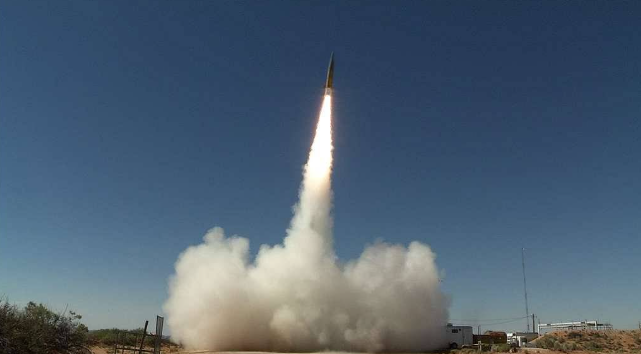
The aerial warfare campaign conducted by Russia has transitioned into an industry-driven saturation attack. Moscow launched 5,300 Shahed drones and 148 ballistic missiles in October 2025, which marked the country’s biggest monthly ballistic rocket launch yet. The separation of drone, cruise, and ballistic attacks can be attributed to opportunistic attacks based on production rates. Britain’s drone escalation aims at assisting Ukraine in responding to an irregular attack pattern.
4. Energy Infrastructure Protection within Ukraine
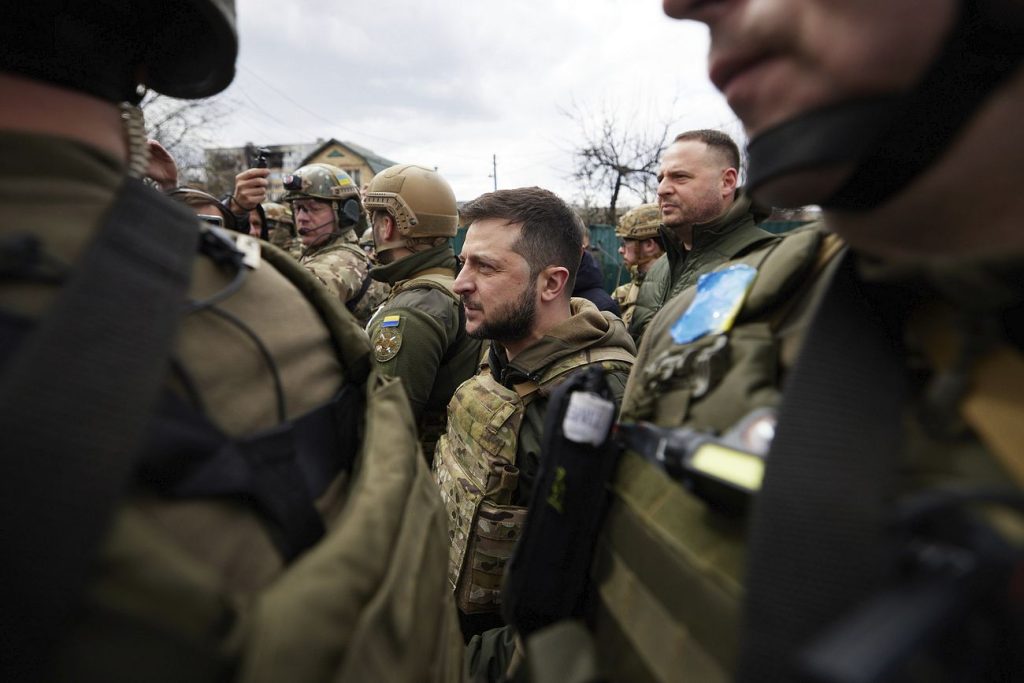
Russian attacks are increasingly aimed at gas storage, oil, and electrical facilities. There have been nine attacks on gas infrastructure in two months, with cities having to rely on generators. The role within the UK drone attacks will be to assist Ukraine’s efforts to protect gas and oil facilities and gain reconnaissance and strike operations on launch sites before they attack vital infrastructure.
5. Eastern Sentry Air Policing for NATO Since
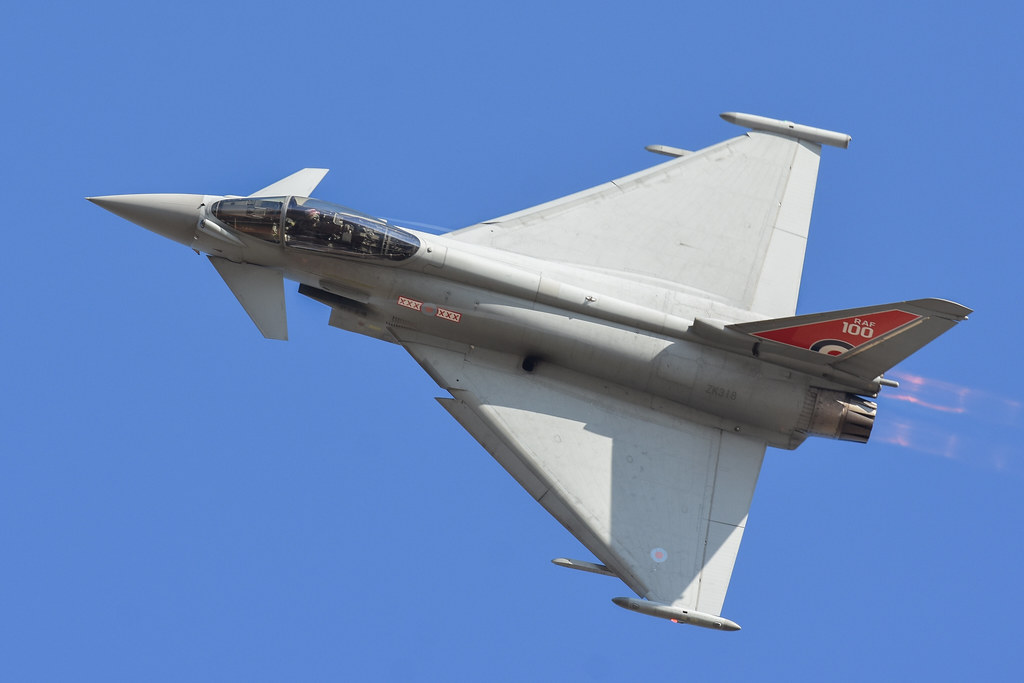
The UK has also continued its presence in NATO’s Eastern Sentry mission through the end of the year. RAF Typhoon aircraft have been patrolling airspace above Poland due to incursions there from Russian drones. According to Poland’s Prime Minister, it represents “the closest we have been to open conflict” since the end of World War II. Eastern Sentry aims to network interoperable air capabilities among eight different nations covering the alliance’s eastern area, though it’s conceded that deploying multi-million pound aircraft against drones costing mere dollars isn’t feasible.
6. Integrating Lower Cost Antidrone
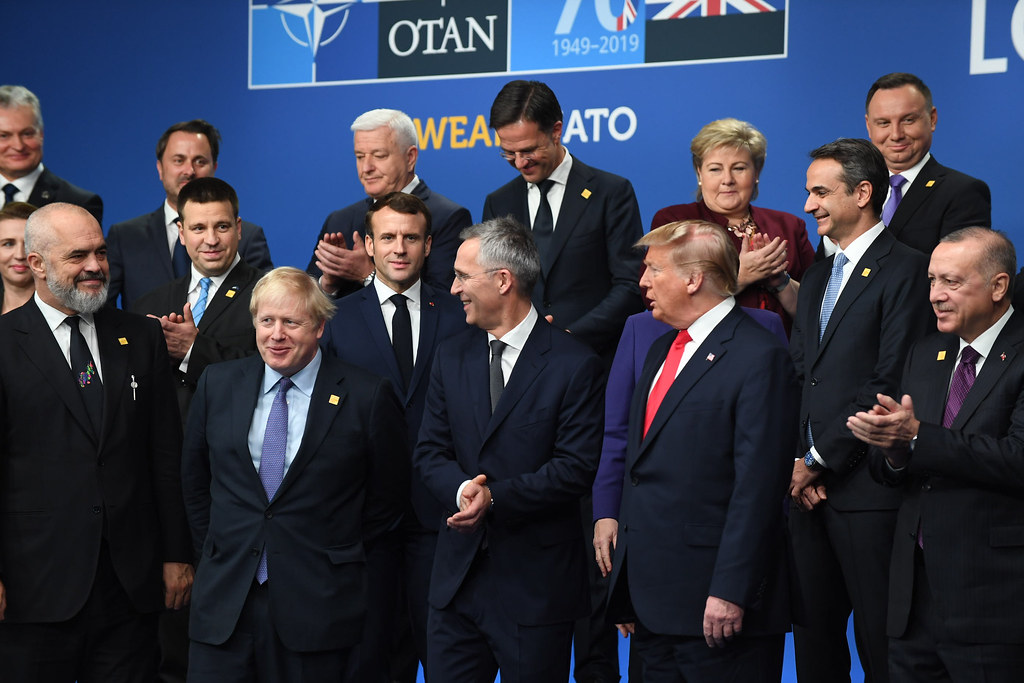
A ‘drone wall’ project, potentially backed by an EU budget, will defend NATO’s eastern sky. But there are also efforts at NATO to find alternate ways of intercepting hostile drones that are expensive. Examples include acoustic detection systems developed by Latvia and more capable weaponry that will enable planes to launch more affordable drones. Alternatively, ‘mobile fire teams,’ modeled on Ukraine’s warfare strategy, would allow quicker and cheaper reactions.
7. Economic Pressure via Sanctions and Assets
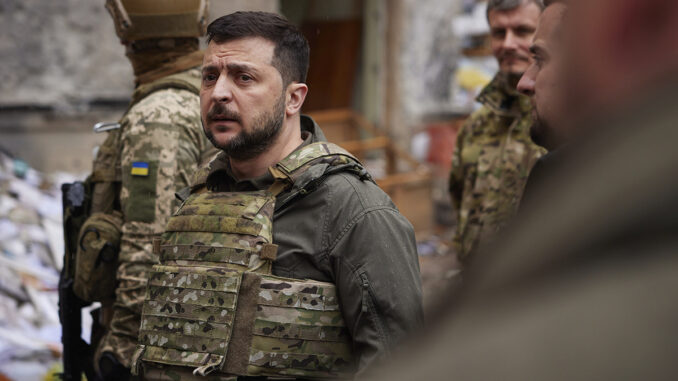
A massive sanctions package against Russia’s energy sector, shadow fleet, and third-party importers of hydrocarbons is being readied by London. The plan for using frozen Russian assets for financing Ukraine’s war efforts appears to be gaining traction. A turn of fortunes for Ukraine on the fiscal front and a warning signal to Russia about war’s cost are what Western leaders perceive at this juncture.
8. Chinese Components in Both Armies’ Drones
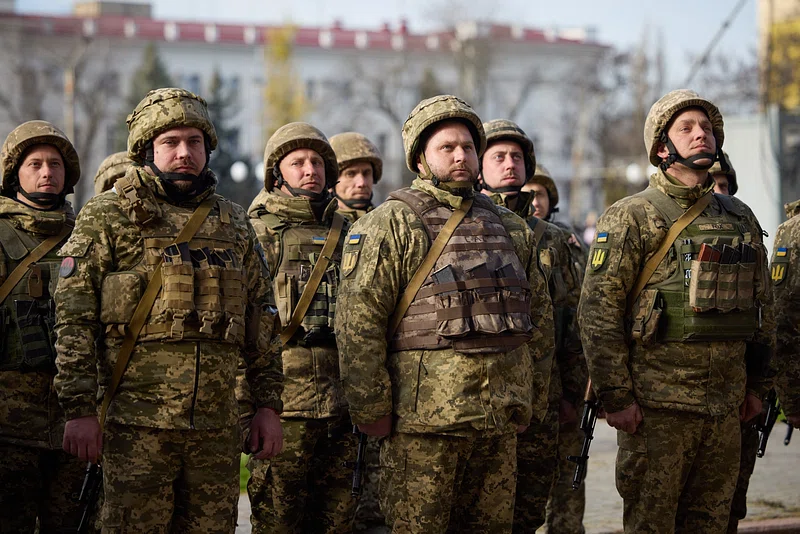
According to observers, 90% of drone components worldwide are manufactured in China, and only 5% of Ukrainian military companies do not use components from China. China-manufactured drones have been adapted for use with airframes, batteries, and cameras by Russian and Ukrainian forces despite an export ban on these drones.
9. Russia’s Reduced Armor Losses
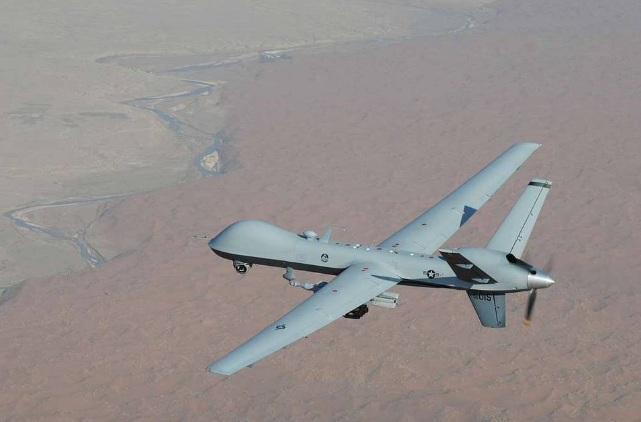
According to Oryx statistics, there were fewer Russian tank and armored vehicle casualties in summer 2025, with 83 tanks lost compared to more than 250 in previous summers. This decrease is due to fewer drone attacks and reliance on drones for targeted hits, with 75% of these hits on Russian equipment being from UAVs. It is predicted that Moscow will be holding back its armor for a mechanized attack.

10. Strategic Messaging and Alliance Cohesion
Healey’s comments put these efforts on a dual footing relating to the UK’s drone effort, as it will “grow jobs in both the UK and Ukraine.” Simultaneously, Britain aims to demonstrate its commitment and unity within NATO with these drone deliveries, as they send a clear signal about resisting Russian aggression on NATO’s Eastern Frontier. A commitment of 85,000 drones by Britain is more than a logistical challenge it’s a wager on a war trending increasingly on unmanned systems capability and alliance will.
But with Russian responses adapting and production accelerating, survival itself will depend on Ukraine’s access to technology and strategy. It would appear that Britain understands that with regards to the current state of warfare, drones are no longer tools but instead set the rhythm.


