The war in Ukraine entered a hazardous new phase-not on the battlefield but on the balance sheets. Despite record military spending and a surge in arms production, the Kremlin’s war machine is showing signs of severe financial strain. Regional governments are slashing enlistment bonuses, defense plants are missing payrolls, and the civilian economy is withering under the weight of wartime demand. The illusion of prosperity created by military expansion is fast disappearing to reveal deep structural weaknesses.
These are not just economic footnotes for the defense analyst and policy watcher; rather, they form a suite of indicators about how long Moscow can sustain its campaign. From unpaid shipyard workers to collapsing regional treasuries, all the signs point to a war economy under pressure from sanctions, supply shortages, and its own unsustainable growth.
1. The Expanding Arms Industry Meets Cash Shortfalls
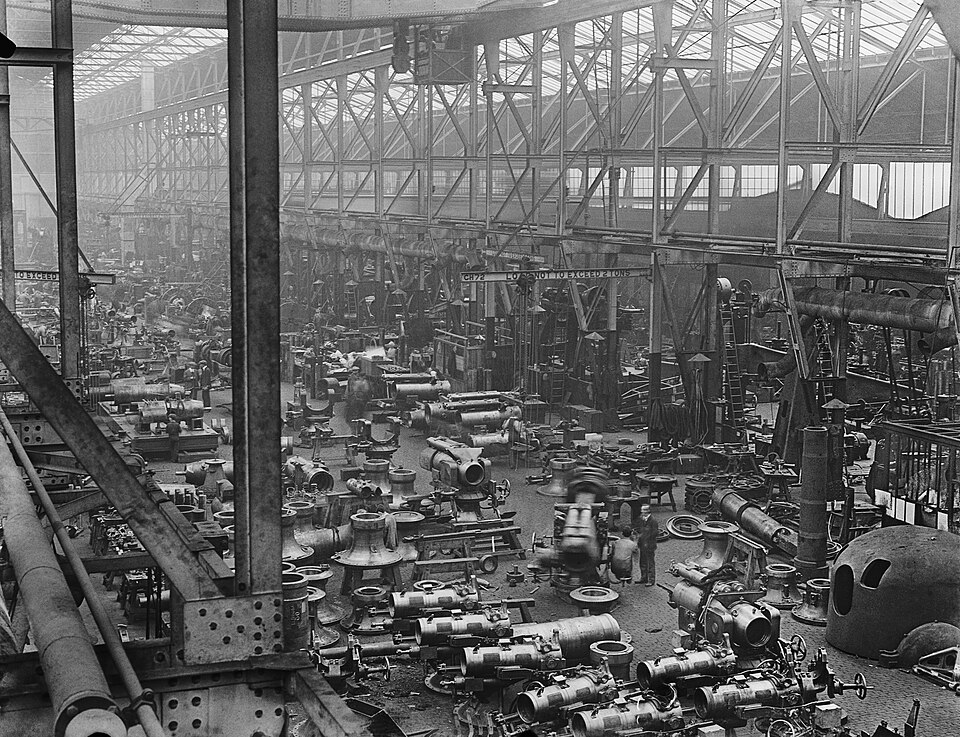
According to the Financial Times, arms-producing enterprises in Russia are estimated to have leaped from about 2,000 before the war to about 6,000 now. These boost the nation’s unemployment rate to a record low of 2.8%. But this growth has clashed with debilitating cash flow problems. The factories are confronting the growing demands to produce more, which cannot do so because sanctions forbid the importation of essential components. According to their directors, they have to deliver at fixed 2019 prices while buying parts at inflated market rates, generating losses that erode operational viability.
2. Yaroslavl Shipbuilding Plant’s Payroll Crisis
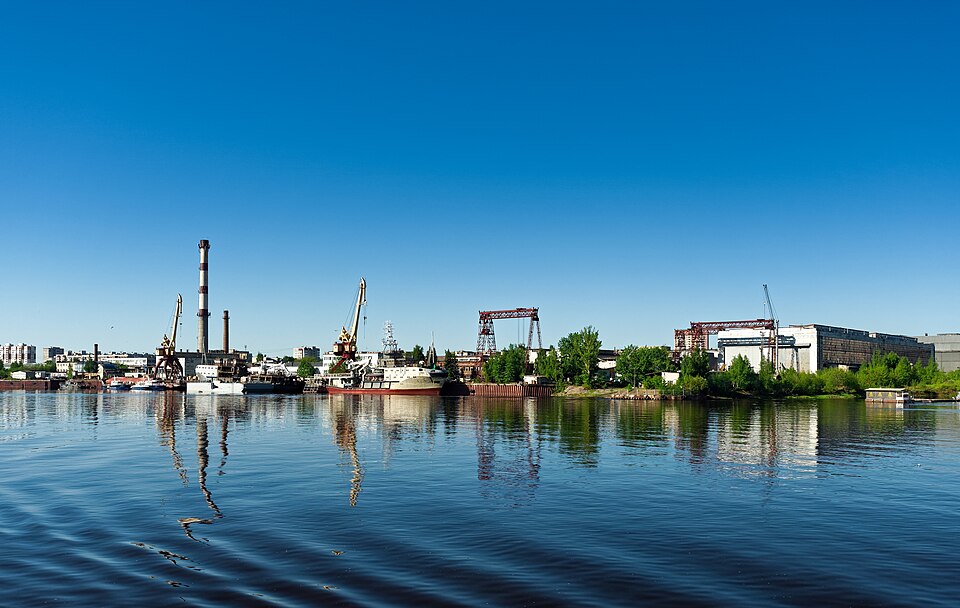
The Yaroslavl Shipbuilding Plant, which builds landing craft and patrol vessels on the upper Volga River, has not paid any of its 850 employees since September. Management blames stalled progress payments from the Ministry of Defense, but the workshops have sat idle and workers have been forced to take leave. The plant has been under sanction since 2019 and struggles to access financing. Operational strain was highlighted by incidents such as the sinking of the Kapitan Ushakov tugboat. Some of its employees have started looking for work elsewhere, underscoring the fragility of Russia’s naval production base.
3. Regional Bonus Cuts and Recruitment Collapse
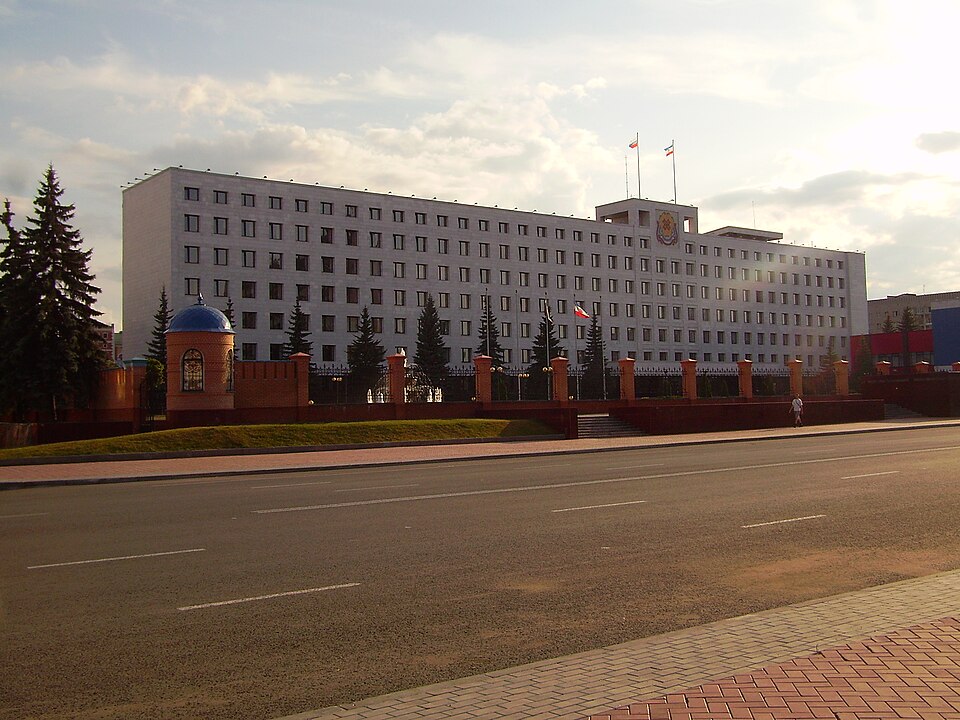
Military enlistment bonuses, which at one point reached as high as 2.6 million rubles in Yakutia, are financed by regional treasuries-not Moscow. Confronting growing deficits, the governments of Tatarstan, Mari El, Samara, and Belgorod have reduced payouts to as little as 400,000 rubles. In Yakutia, all bonuses and injury/death compensation have been cut off. Ukraine’s intelligence service reports that over 11 regions have reduced contractor payment directly undermining recruitment in regions that already struggle with meeting their quotas.

4. Death Benefits Delayed or Reduced
Moreover, relatives of dead soldiers have to wait very long, while compensation is drastically reduced. For example, in Khakassia, death payments fell from 1.1 million rubles to just 100,000, often arriving months late. Bereaved families are laying relatives to rest in debt, warn local activists. The reductions strip away one of the few tangible incentives for military service, especially in poorer regions where these payments once offset the risks of being deployed.

5. Grotesque Substitutes for Compensation
Some families in Kursk reportedly received towels instead of money; relatives in another case got a bicycle; and in Yakutsk, they were sent buckets of carrots and onions. In Murmansk, the meat grinder given to relatives of the dead became a gesture that critics called grotesque in light of the term’s battlefield connotation. Incidents like these testify both to fiscal exhaustion and to the breakdown of the state’s ability to honor its commitments to soldiers’ families.
6. Sanctions strangling the defense-industrial base
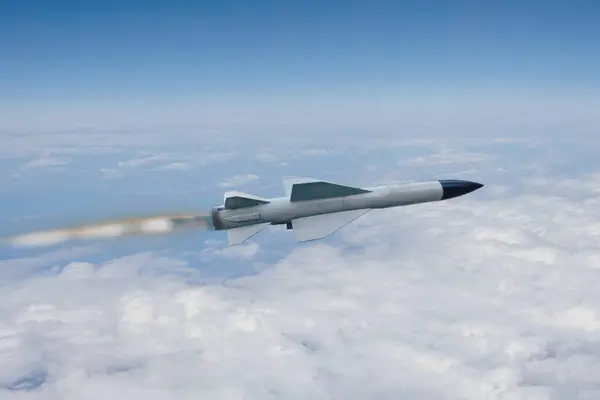
Coordinated sanctions since 2022 have cut Russia off from semiconductors, avionics, and other key imports. Hypersonic missile production has largely been brought to a standstill, according to the U.S. Treasury, while mechanical plants are shut down and aviation programs stalled. To keep military operations running, export controls have forced the Russians to cannibalize civilian assets, revert to Soviet-era stockpiles, and fall back on Iranian and North Korean supplies. Separately, these same steps have immobilized some $300 billion in central bank assets, limiting Moscow’s ability to cushion the war economy.
7. Loss of Export Markets
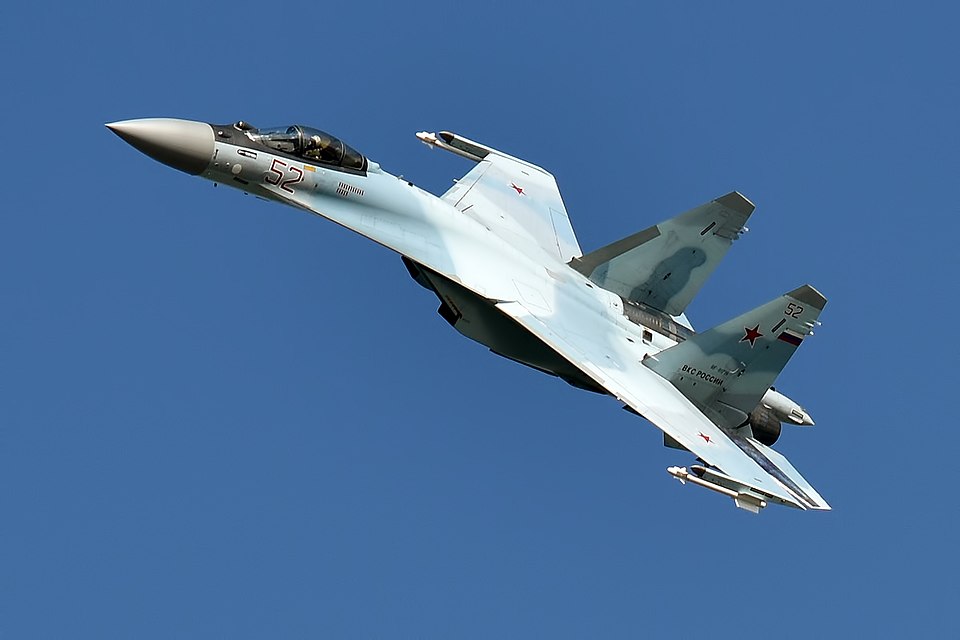
Russian defense firms once offset below-cost domestic deliveries with lucrative foreign sales. Sanctions, payment problems, and an inability to source subsystems have driven buyers away; Egypt canceled its Su-35 buy, while India walked away from shipbuilding contracts. Plants such as Uralvagonzavod and the United Aircraft Corporation, without export revenue, are facing mounting debt and workforce cuts, deepening the financial distress in the sector.
8. Wartime Economy’s Inflation Spiral
Interest rate hikes by the Bank of Russia to as high as 21% target-in theory-more than 10% inflation, but the driver is still military spending. Defense plants insulated by state funding still face working capital shortages, and civilian sectors like construction and agriculture cannot match wages in the defense sector. The labor pool shrinks daily with casualties and emigration, which forces the civilian economy into decline, fueling further price rises.

9. Foreign Partnerships to Fill Production Gaps
The production of drones that Russia has begun at the Alabuga Special Economic Zone illustrates reliance on foreign partners. Iranian designs, PRC-origin components supplying 80 percent of the electronics, and possible North Korean labor have kept output above 5,000 Shahed-type drones per month. Cheaper than missiles, this very reliance underlines how sanctions have forced Moscow to outsource key capabilities to allies within the so-called Adversary Entente.

10. Civilian Economy Withering Under Military Demand
Sectors dependent on low-skilled labor are being drained of employees by the defense industry and army. Volume in road transport, agriculture, and construction is decreasing, pre-war export markets are gone, and remaining ones face competition from China. Any cut in military orders would shock industries now reliant on defense contracts, but sustaining spending at present levels risks strangling civilian capacity altogether.
The war economy of Russia is in a paradox: just the military expansion that has boosted employment and production temporarily is the one eating into the financial and industrial bases the latter needs to sustain it in the longer run. Sanctions, shortages of supply, collapsing regional budgets, and shrinking labor are coalescing into systemic stress. To policymakers and defense analysts, these presage that Moscow is increasingly unable to support a long war-not merely because of battlefield attrition but due to the erosion of the economic machinery which feeds it.


