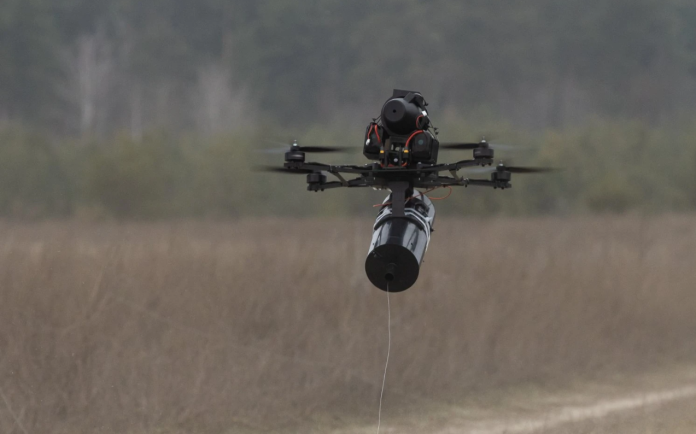
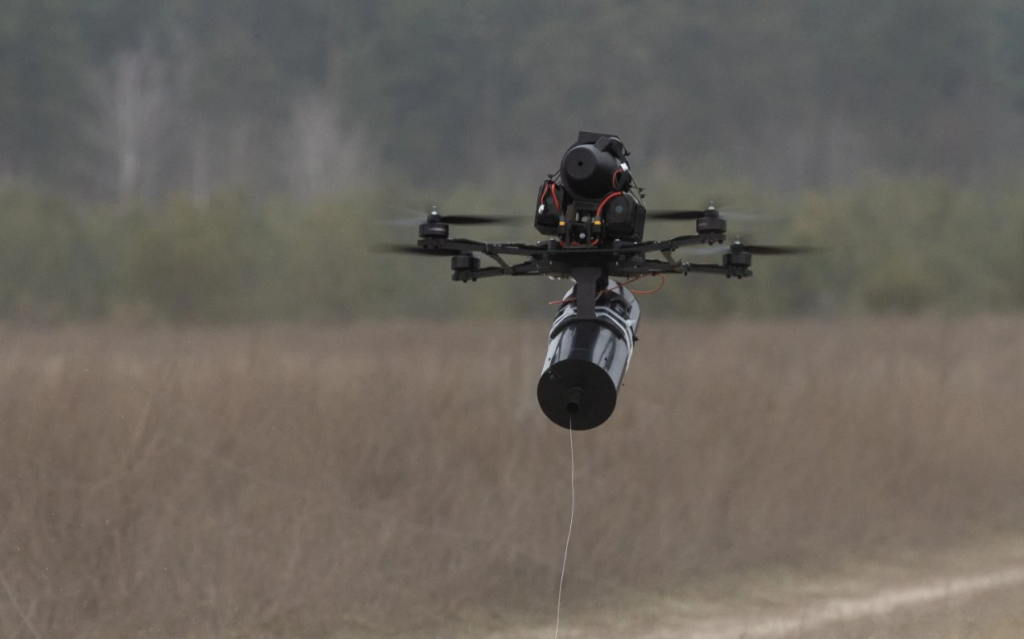
How do you stop a drone that can’t be jammed, flies low, and strikes with precision? This question has become urgent for European militaries as unmanned aerial systems reshape battlefields from Ukraine to NATO’s eastern flank. The rise of fiber-optic first-person-view FPV drones-immune to electronic warfare-has forced armies to rethink air defense, shifting focus toward adaptable and cost-effective solutions that soldiers can carry into the field.
Since the full-scale Russian invasion of Ukraine in 2022, drones have transformed from reconnaissance means to first-line strike weapons. In turn, countries race to outfit troops with personal anti-drone systems, marrying smart fire control, enhanced optics, and rapid integration into existing small arms. One of the leading contenders is the Israeli-developed Arbel system, for which interest has been expressed by at least ten European countries. Along with other innovations, these technologies signal a decisive shift in counter-drone strategy-one that prizes agility, precision, and affordability.
1. Rapid Adoption of the Arbel System
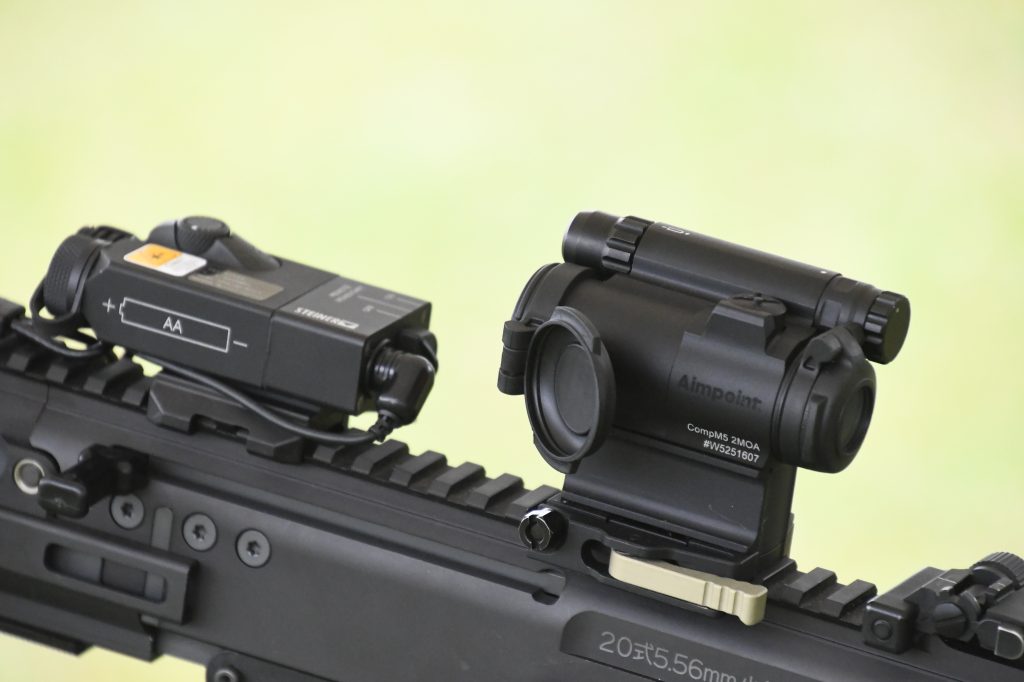
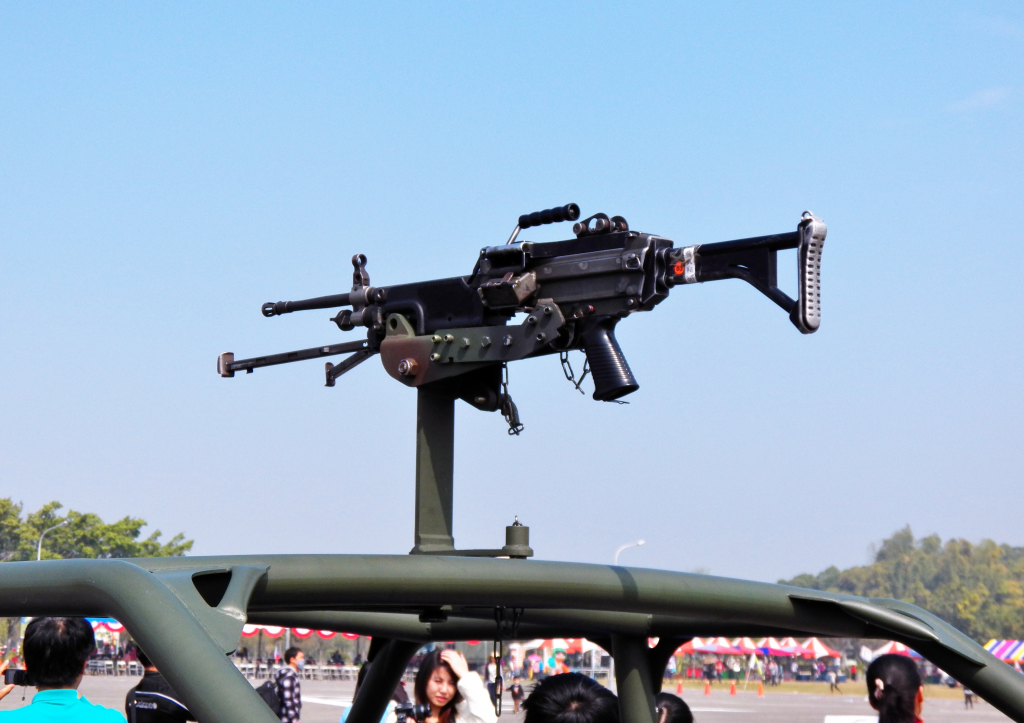
The Arbel system, from Israel Weapon Industries, installs a micro-computer on light machine guns or assault rifles that enables soldiers to strike drones with much higher precision. Semion, IWI’s head of Europe, estimates that in one year, 40–50% of European militaries will have adopted or be close to adopting Arbel. That growth reflects a continent-wide drive for affordable anti-drone defenses that can be deployed in short order without having to rework arsenals.
2. Intelligent Fire Control for Moving Targets
The key benefit of Arbel lies in its smart fire control system, which assesses in real-time the movements, stability, and trigger pull of the weapon. It fires rounds only when the conditions are optimal, while the trigger is being pulled, increasing the hit probability against fast-moving, erratic drones. Targets can be engaged from 450 meters away during daylight and 200 meters in nighttime conditions, with the addition of 400 grams to the weapon and minimal training.
3. Fiber-Optic Drones: The Unjammable Threat
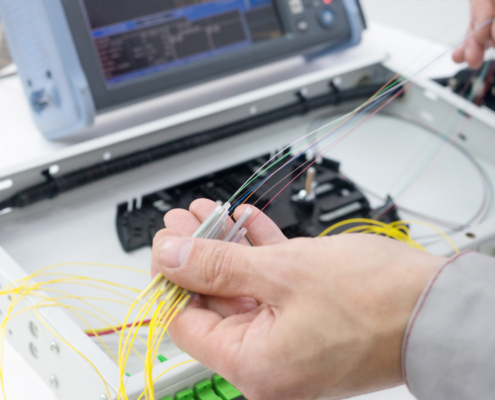
FPV drones, guided by fiber-optic cables, have now become one of the defining features of the war in Ukraine. The links remain stable against radio-frequency jamming, permitting FPV operations within the most cluttered environments. Soldiers on all sides describe battlefields covered with cables, complicating mobility and making the sites hazardous for anyone trying to take the high ground tactically. This causes defending forces to adopt direct fire solutions only, thus requiring Arbel-like systems.
4. Lessons from Ukraine’s Drone Wall
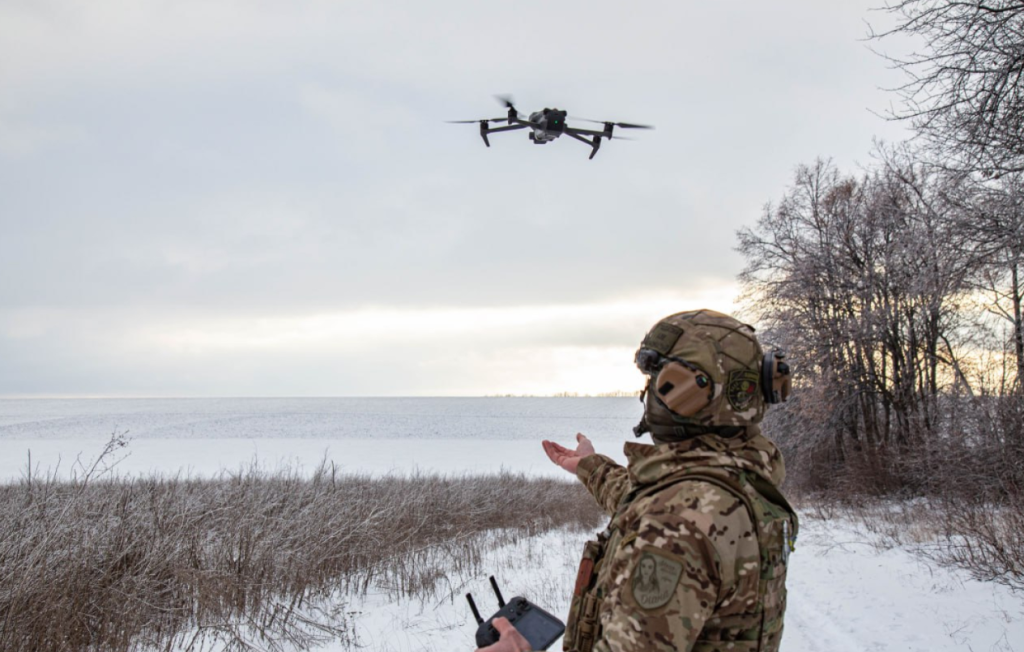
Initially, Ukraine’s unparalleled usage of drones, including a defensive “wall of drones,” granted it the upper hand in the skies. However, this advantage was increasingly chipped away by the deployment of fiber-optic drones by Russia for deep strikes into logistics and command nodes. Units such as Russia’s Rubicon have perfected long-range fiber-optic FPV tactics, forcing Ukrainian forces to reconsider supply routes and add new countermeasures.
5. Competing Technologies: Smart Shooter and AimLock
The Arbel is part of a wider ecosystem for rifle-borne counter-drone aids. Smart Shooter systems track threats through optics, performing trajectory calculations and signaling optimal firing moments. Other companies, like AimLock, employ target recognition to improve weapon performance. These other solutions complement the approach taken by Arbel and offer militaries different ways to improve the effectiveness of small arms against aerial threats.

6. U.S. Marine Corps’ SMASH 2000L Deployment
The USMC aims at fielding the SMASH 2000L, a sophisticated fire control system for M4 rifles, against small unmanned aircraft systems. Lt. Col. Eric Flanagan described it as a tool to quickly obtain a firing solution and increase kill probability. Deployed units will be prioritized for this adoption, partly reflecting the common urgency across NATO forces to equip their dismounted troops with counter-drone capability.
7. Air Force APKWS Rockets for Ground Defense
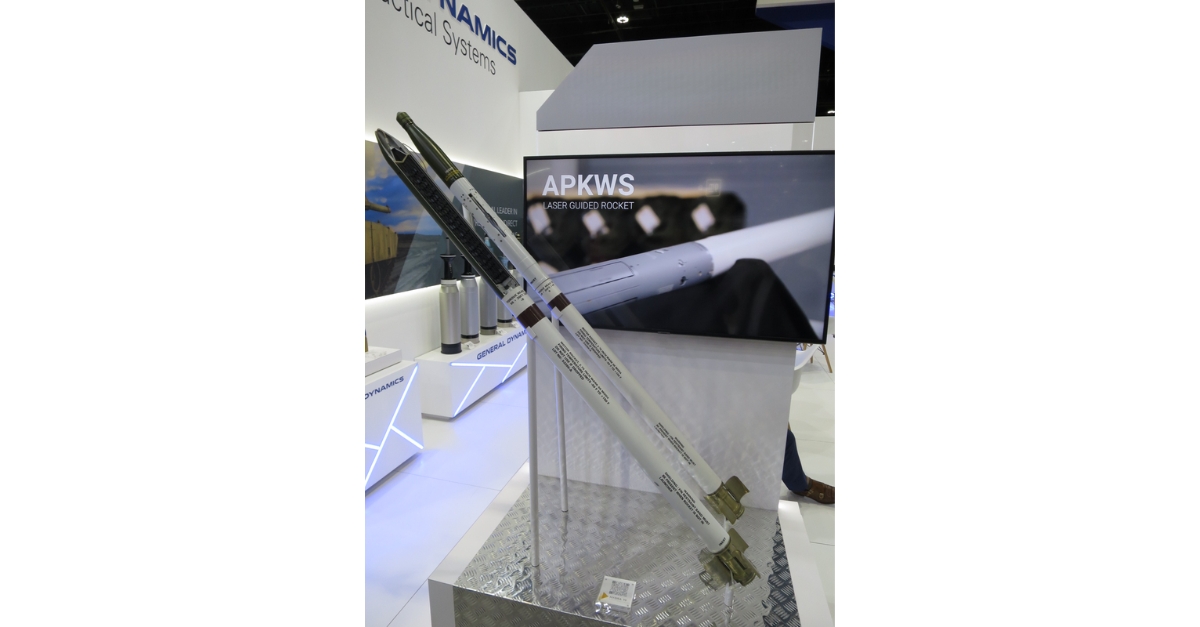
The U.S. Air Force is modifying the AGR-20 APKWS II laser-guided rockets for counter-drone missions from the ground. These air-to-ground weapons have reportedly performed well against drones in air-to-air applications. At less than US$40,000 per system and US$24,900 per shot, APKWS offers a far less costly solution compared with missiles such as the AIM-9 and will be able to engage multiple drone swarms in rapid succession.
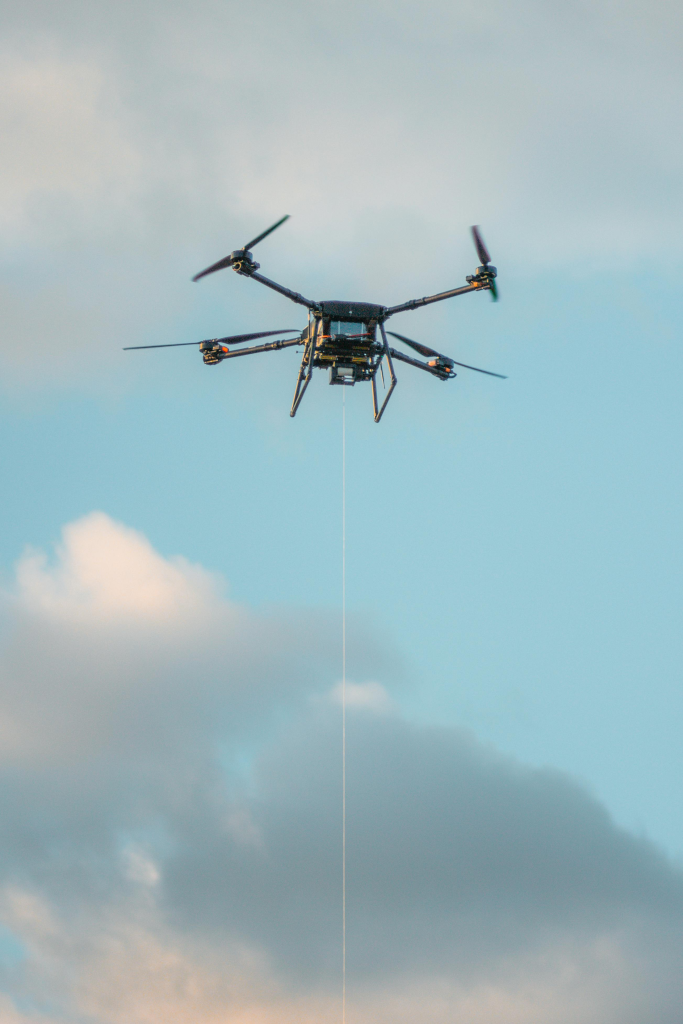
8. Tactical Challenges of Fiber-Optic Cabling
Fiber-optic drone cables can get caught on terrain, sometimes grounding flights, but also clutter battlefields and impede troop movement. At night, when visibility is especially poor, they can present other hazards. Soldiers have to make judgment calls about when to destroy cables, call in engineers, or proceed cautiously-missions that can delay operations and leave units vulnerable to other hazards.
9. Extending the Threat Beyond Europe
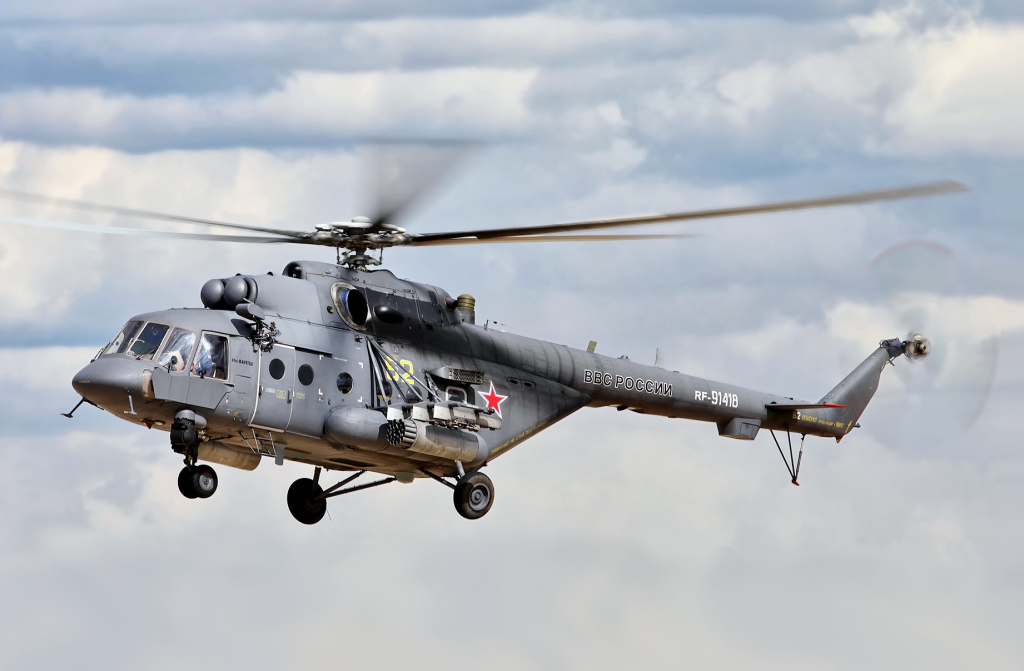
Fiber-optic drone warfare is spreading. Reports also indicate their use by the Azawad Liberation Front in Mali and the Kachin Independence Army in Myanmar, where a fiber-optic FPV drone reportedly downed a Mi-17 helicopter. This proliferation suggests that counterdrone technologies developed for Europe may soon become relevant in more diverse conflict zones.
10. Strategic Context: Deterrence vs. Defense
Some analysts warn that Europe’s focus on building a “drone wall” risks missing the larger strategic picture. The erosion of the deterrence pillars of NATO means that defensive measures alone may not suffice. Investing in long-range strike capabilities together with counterdrone systems could make deterrence stronger by showing the political will and capability for retaliation against aggressors.
The proliferation of unjammable, low-flying drones has created a paradigm shift in military plans. Systems such as Arbel, SMASH 2000L, and APKWS rockets have demonstrated the ease with which effective countermeasures can be rapidly and affordably integrated into existing platforms. However, technology alone cannot replace strategic posture and deterrence. The challenge now facing Europe is how to balance immediate battlefield needs with longer-term resilience to emerging aerial threats.


