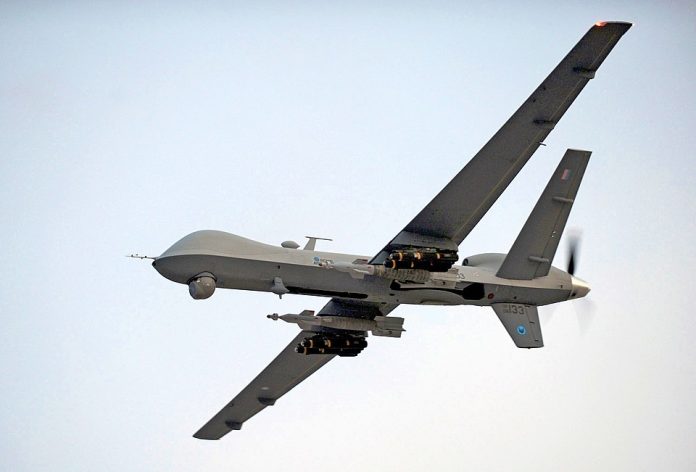
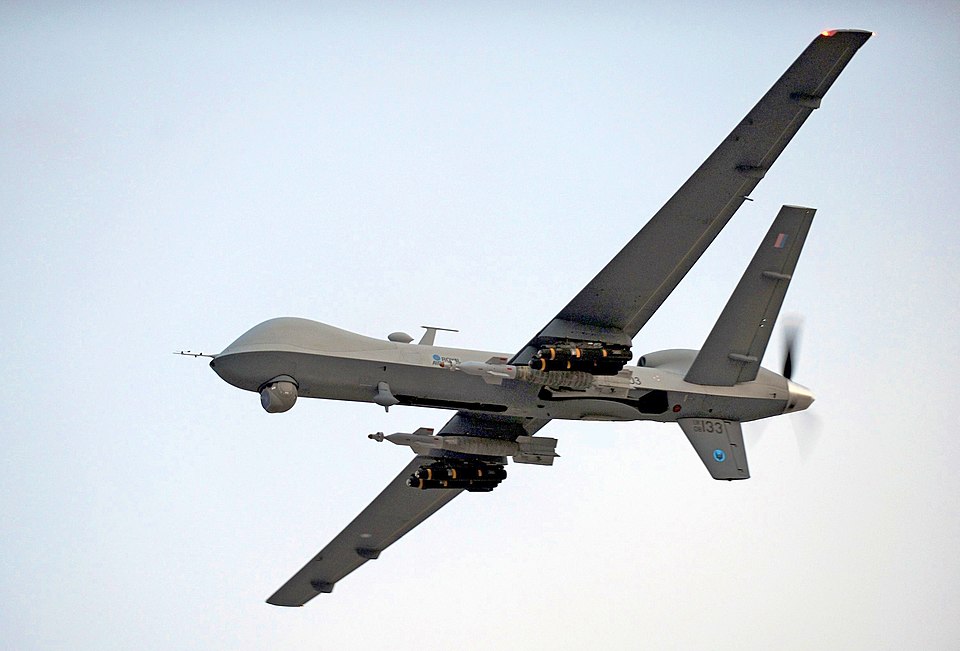
War was always a competition of adaptation, but in Ukraine, adaptation has become acceleration. The battlefields over Donetsk, Kherson, and the Black Sea are testbeds where Artificial Intelligence meets unmanned systems in the birth of a new generation of weapons that think, hunt, and strike on their own in ways unparalleled heretofore. This is not a prospect of some faraway future; it is going on right now.
As the war against Russia grinds into its fourth year, engineers and soldiers-along with significant private-sector contributions-are pushing drone technology into domains reserved until recently for science fiction. Against a foe well-stocked with massed artillery, both land- and sea-based, those systems range from AI-guided swarms to maritime strike platforms. This is a change in tactics, but one that does raise profound questions with regard to sovereignty, ethics, and the future of combat. Nine such developments that reveal how Ukraine’s AI drones are reshaping the character of war:
1. AI targeting breaks through the jamming barrier.
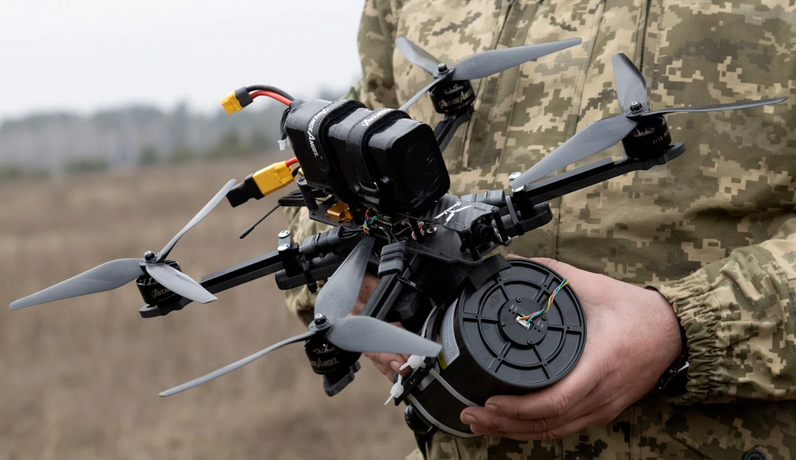
But Russian electronic warfare crippled scores of drones by severing links to human operators. Ukraine’s answer has been AI-assisted targeting systems that lock onto an image and continue the attack even after losing contact. “Without the additional guidance we simply could not hit it,” one Ukrainian pilot told Reuters. These systems tap into memory banks trained to identify vehicles, motorcycles and other targets to allow course correction in flight. The result is a leap in effectiveness: hit rates for AI-enabled drones have climbed to as high as 80%, compared with 10–50% for manually piloted craft. It’s more than a tactical edge: the capability undermines one of the most effective Russian countermeasures and keeps Ukraine’s strike options alive in contested electromagnetic environments.
2. Swarm Tactics Overwhelm Defenses
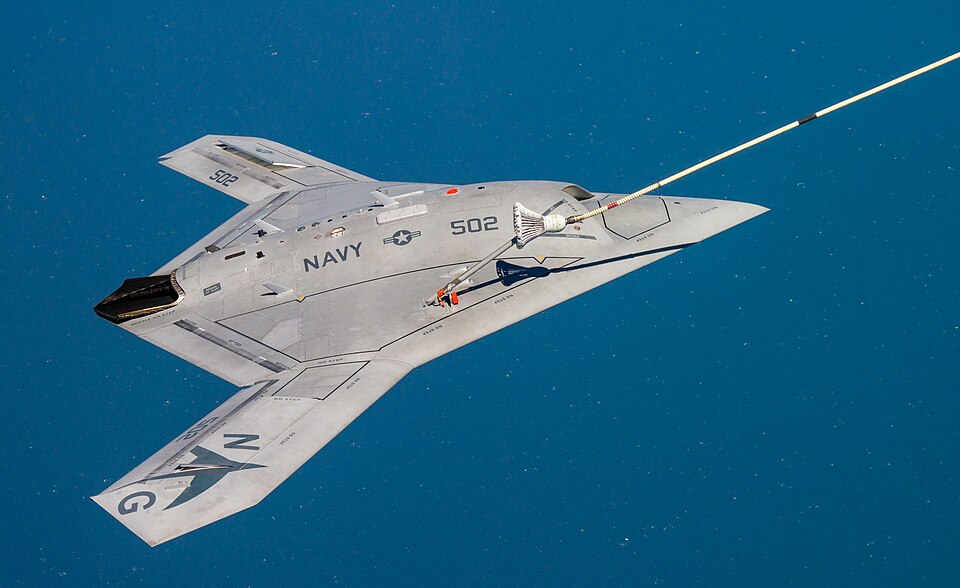
Ukrainian developers scale AI to coordinate swarms of drones saturating enemy defenses. These swarms communicate in real time, adapt to anti-aircraft fire, and dynamically redistribute attack roles. The integration of machine learning in target recognition and thermal signatures in the Saker Scout and other platforms pushes the strike success rate toward 70–80%. In so doing, it achieves the massed firepower of earlier times at a fraction of the cost, forcing an adversary to waste expensive interceptors on inexpensive, expendable platforms. It is a playbook that might redefine how smaller militaries counter better-funded opponents.
3. Sea Drones Push Russia out of the Black Sea
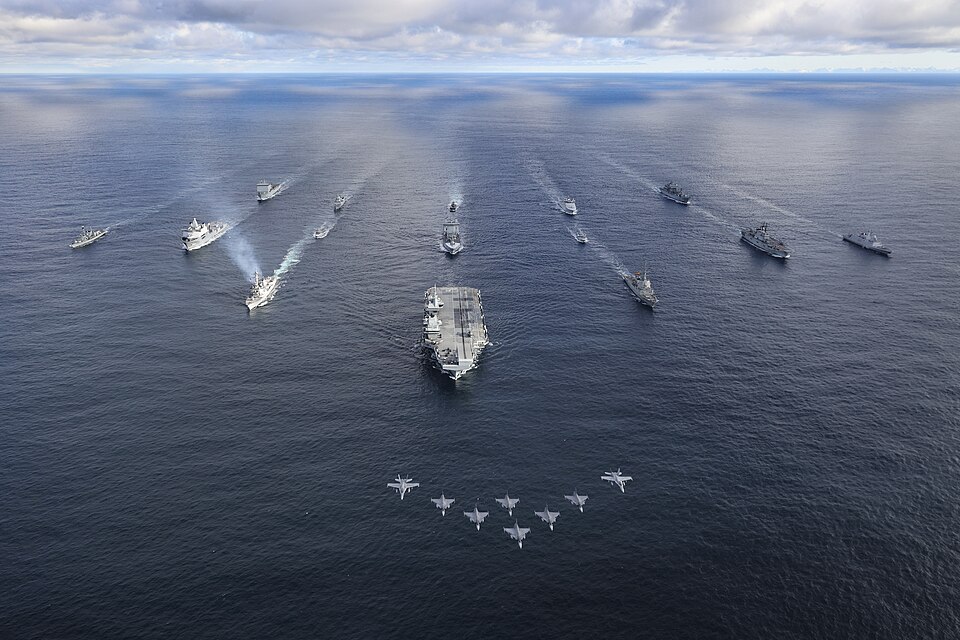
The Ukraine Group 13 maritime unit has destroyed warships and damaged infrastructure with the two models, the Magura V5 and V7, and downed a fighter jet. In an interview with the Associated Press, Commander “13th” said, “They barely operate now; they hide in ports, seldom venturing out, usually no more than 40 kilometers from shore. Future variants will embed deeper AI for autonomous target search and classification, reducing operator workload and allowing for more complex mixed-fleet operations. Co-production agreements with NATO allies such as Greece continue to grow capacity and reach, while Ukraine’s naval drone campaign is anything but over.

4. Private Tech Firms as Battlefield Partners
From data fusion platforms provided by Palantir down to SpaceX’s Starlink communications, the private companies have embedded themselves in Ukraine’s war effort. Companies provide Ukraine’s military with AI analytics, satellite imagery, and secure networks that it could never field on its own in 2022. Much of that information now feeds into the locally developed Delta platform, giving commanders a real-time operational picture. All this reliance raises, in essence, questions of sovereignty: when corporate algorithms and infrastructure become a core military function, the line separating state from private control becomes blurred. In the words of the Carnegie Endowment, the war is reconsidering the balance of power between governments and globally networked technology companies.
5. Rapid Iteration & Industrial Scaling
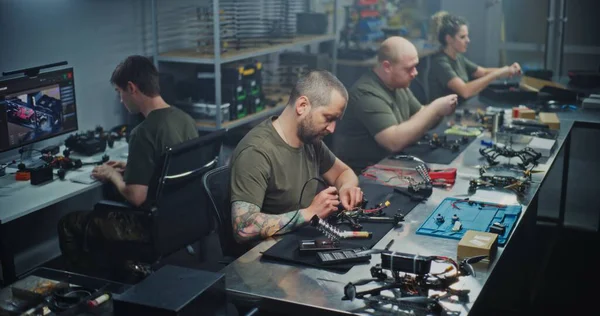
From garage workshops, Ukraine’s industry has grown into an engine capable of producing millions per year. Frontline feedback loops mean design changes can be made in weeks, rather than months. As the UK Ministry of Defence noted, drone technology in Ukraine evolves roughly every six weeks. Nevertheless, its industrial capacity is such that it is estimated to be able to make millions of drones per year. The challenge will be in sustaining an advantage not just through innovation but in scaling up production while keeping designs adaptable against new defenses.

6. Psychological and Medical Toll on Operators and Troops
Eventually, the whine of FPV drones became a source of acute stress among soldiers. Ukrainian medical officials tell ABC News that 70% of patients in some facilities show signs of burnout symptoms, 38% have PTSD, and 11% express suicidal ideation. “A new level of precision and psychological warfare,” Dr. Ronald Hirschberg of Harvard told ABC News. Therapies range from talk counseling to salt rooms; hospitals have adapted. At one Kyiv hospital, despite the injuries and traumas, 90 percent of its mental health patients return to the front-a testament to resilience but also to the relentless demands of the war.
7. Ethical Boundaries and Human Oversight
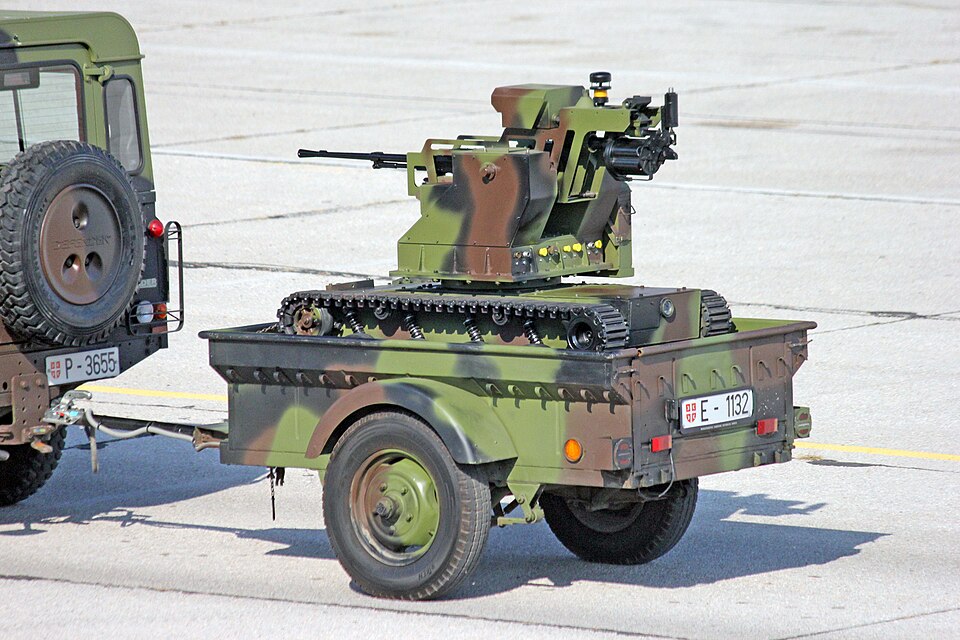
While autonomy does continue to advance, Ukrainian officials say the strike decision is always left to a human. The developers say AI still has trouble distinguishing friend from foe in complicated environments, while lethal fully automated systems run the risk of violating the laws of war. This is not an academic debate, because real misidentification may have disastrous consequences. As Deputy Defence Minister Yuriy Myronenko has said, AI should make it “easier to decide,” but not supplant human judgment.
8. Cognitive Warfare and the Information Battlespace
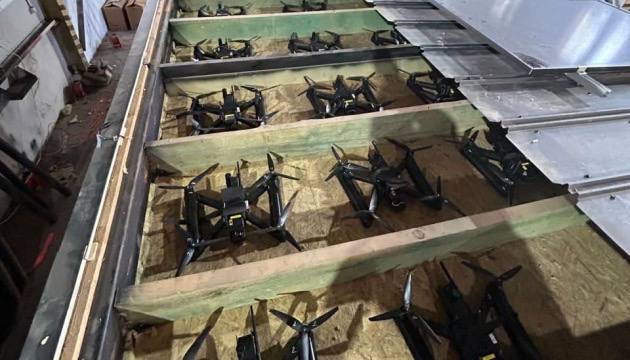
But at least as much as tools of destruction, drones are tools of perception. Their ubiquity erodes any sense of sanctuary from the front-line trenches to cities deep in the rear. Operations like the “Spider Web” swarm strike on Russian air bases show how low-cost systems can have outsized psychological and political effects. Social media amplifies these effects: Combat footage goes viral and shapes morale, international opinion, and even tactical decisions. The integration of kinetic and cognitive effects is a hallmark of modern conflict.

9. A Live Testbed for Future Conflicts
Ukraine has become a testbed of AI-powered war, luring in venture capital and defense startups eager to sell “battle-tested” systems. That dynamic accelerates innovation but also embeds commercial incentives into military decision-making. As Mark Milley, former chairman of the U.S. Joint Chiefs, warned, future wars “will be dominated by increasingly autonomous weapons systems and powerful algorithms.” The lessons from Ukraine-about speed, adaptability, and the integration of civilian tech-are already influencing military planning from Washington to Taipei.
Ukraine’s AI drone campaign is not a single breakthrough but an interlinking cascade of technical, industrial, and psychological innovations that together are transforming the conduct of war. They have not yet brought about a decisive strategic victory, but they have reconfigured the tactical and operational landscape in ways which will reverberate well beyond this conflict. For militaries worldwide, the message is clear: tomorrow’s battlespace will belong to those who can fuse human judgment with machine speed, adapt faster than their adversaries, and manage the uneasy partnership between state power and private technology.


