

Might the very minerals beneath Perseverance’s wheels hold the key to Mars’ warm and wet past? A new analysis of light-toned rocks scattered across Jezero Crater has revealed aluminum-rich kaolinite, a clay that on Earth forms only under sustained tropical rainfall or in rare hydrothermal systems. This finding, supported by the detailed geochemical and spectral comparisons with terrestrial analogs, provides one of the clearest indicators yet that parts of Mars once experienced rainforest-like conditions.

1. Unlikely home of a rare mineral
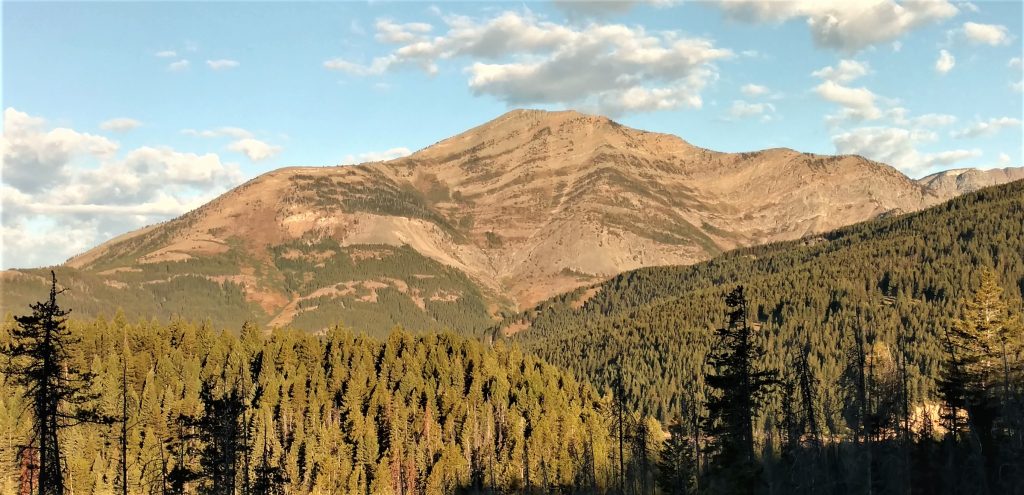
NASA’s Perseverance rover has cataloged thousands of pale “float rocks” along its traverse. SuperCam’s laser-induced breakdown spectroscopy and Mastcam-Z’s multispectral imaging identified a subset with Al₂O₃ concentrations in excess of 30 wt%, extremely low iron content (<1 wt% FeOT), and diagnostic infrared absorption bands near 2.21 µm hallmarks of kaolinite. On Earth, such clays typically emerge from millions of years of meteoric water leaching under warm, humid climates, stripping away other minerals until only aluminum-rich phases remain.
2. Matching Mars to Earth’s Tropical Soils
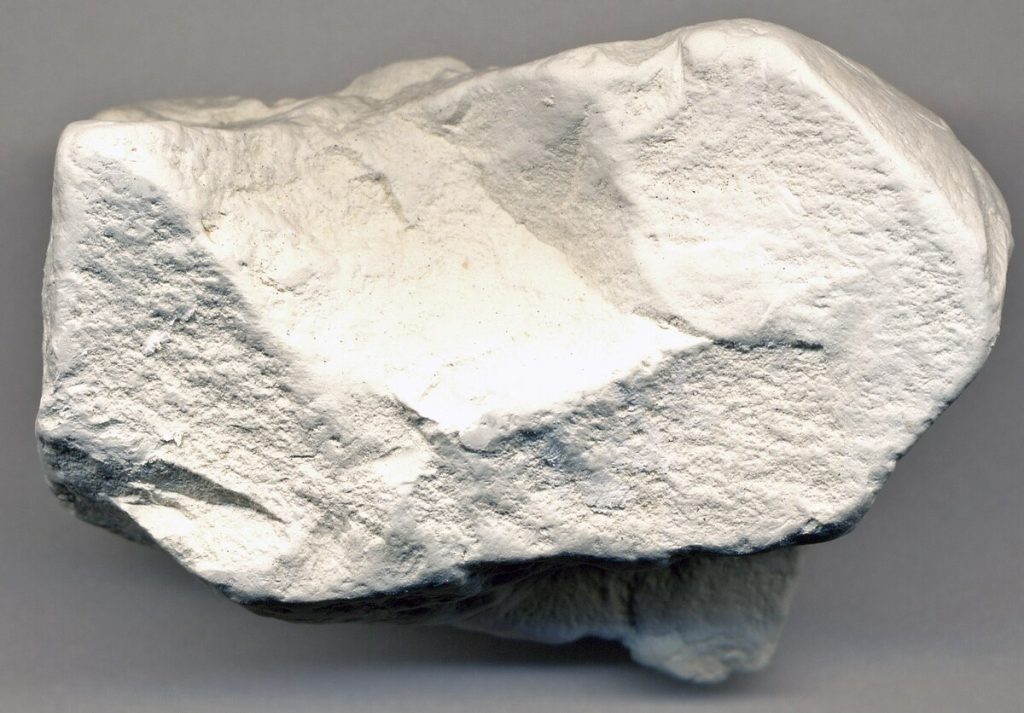
The team compared the Martian targets, including “Chignik” and “Elk Mountain”, against Eocene paleosols from San Diego and Paleoproterozoic “pallid zone” profiles from the Hekpoort paleosol of South Africa. Both the terrestrial examples formed under high rainfall (>1000 mm/year) and exhibit similar depletions in Fe and Mg, enrichments in TiO₂ (~1–2 wt%), and high Chemical Index of Alteration (CIA) values. The spectral match was particularly close between Chignik and San Diego paleosols, indicating low-temperature and precipitation-driven weathering rather than hydrothermal alteration.
3. Distinguishing Pedogenic from Hydrothermal Origins
Hydrothermal kaolinite deposits, which develop at 100–350 °C, generally have TiO₂ contents lower than 0.5 wt% and are usually highly cation-depleted, neither of which is observed in the Jezero samples. High Ti in Chignik samples its median content is 1.4 wt% and the overlap with pedogenic paleosols point to surface weathering under a humid climate. The retention of hydration bands in IR spectra of Chignik indicates minimal heating that preserved the original structure and water content of kaolinite.

4. The Puzzle of Provenance
Despite common clasts, no in-place outcrop of kaolinite has yet been found by Perseverance. Orbital CRISM data show that possible source outcrops are present on Jezero’s southwest rim as light-toned megabreccia blocks ~100 m across and as continuous outcrops along the Neretva Vallis channel. These may be relicts of a regional Noachian “compositional clay stratigraphy” comprising kaolinite-rich strata overlying Fe/Mg smectites, resulting from long-term subaerial weathering of volcanic ash or tuff.

5. Climate Implications and Magnetic Shielding
The presence of kaolinite reflects water:rock ratios of greater than 1000:1 during the alteration process; abundant surface water is, therefore, implied over long geologic time frames of 10³–10⁶ years. This is in line with recent results that suggest Mars’ dynamo may have persisted to at least 3.9 Ga and that the magnetic field could have held on long enough to shield the atmosphere from solar wind and allow the persistence of rainfall. When the magnetic field dissipated, solar wind stripping-recently measured by MAVEN-greatly increased atmospheric loss, thus terminating the humid phase.

6. Atmospheric Escape and Permanent Water Loss
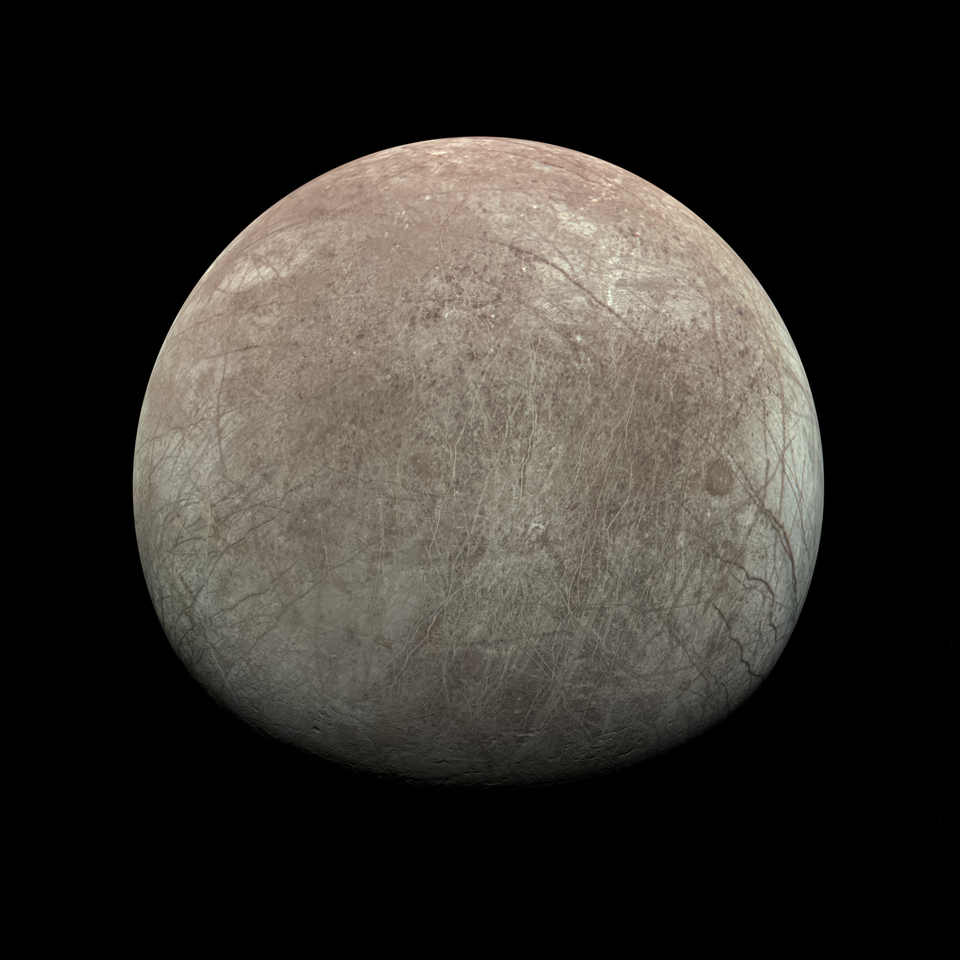
MAVEN data indicate that photochemical escape and direct interaction with the solar wind are responsible for the loss of oxygen ions from water and CO₂ to space. As kaolinite forms, water becomes bound into mineral lattices; on a tectonically inactive Mars, this bound water is never cycled back into the atmosphere. The same rainfall that made Mars habitable may have acted to desiccate it further by sequestering water irreversibly in clays.
7. Habitability Potential
The fine-grained nature of kaolinite can trap and protect organic molecules. If these clasts formed in a rainfall-driven environment, they represent the prime target for searches of biosignatures. “All life uses water,” said Adrian Broz. “So when we think about the possibility of these rocks on Mars representing a rainfall-driven environment, that is a really incredible, habitable place where life could have thrived if it were ever on Mars.”
8. Next Steps for Exploration
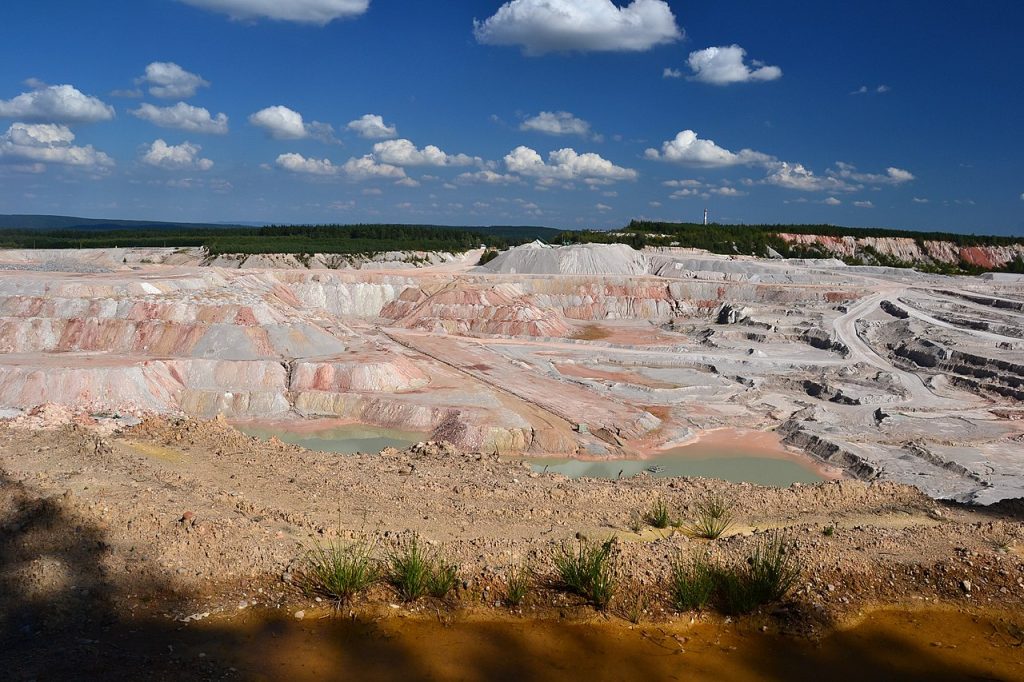
Future rover plans target the sampling of kaolinite-bearing outcrops on the crater rim. Sampling these would confirm their origin-whether from deep weathering profiles or hydrothermal systems-and provide refinement to models of Mars’ climate evolution.

Returned samples may reveal isotopic signatures of ancient water and, potentially, preserved organics. From scattered clasts to orbital detections, kaolinite is a discovery that weaves together the tapestry of mineralogy, climate science, and planetary magnetism. What this does is paint a picture of a Mars that once was warm, wet, and geochemically active-conditions far removed from the cold desert we see today.


