
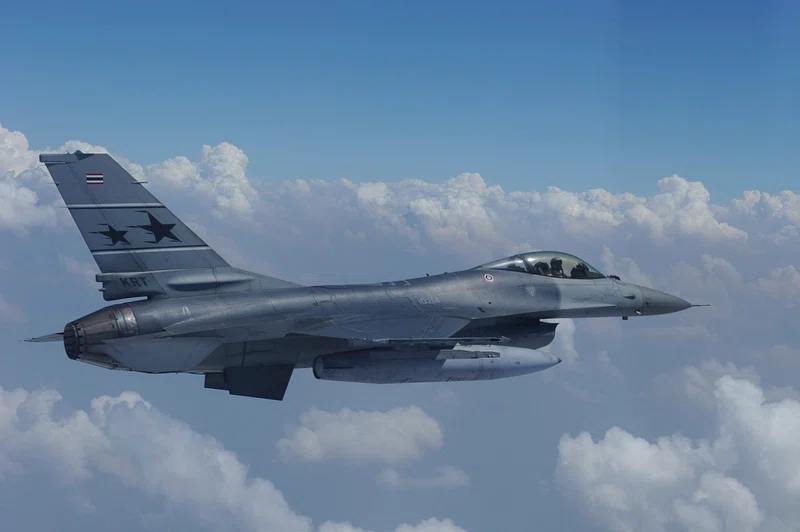
Could a few hundred Western fighter jets really tip the balance in Europe’s most intense air war since World War II? Late in 2025, Ukraine’s Air Force answered with an unmistakable data point: more than 1,300 airborne threats neutralized; a $500 million Russian arsenal destroyed; and a transformation in air combat tactics now reshaping strategic calculations. This milestone-even less than a year into combat and with fewer than 15 operational F-16s in service-emphasizes not just the aircraft’s lethality but the ingenuity of Ukrainian pilots and planners operating at the extreme edge of constraint.
This record comes amidst the unrelenting missile and drone saturation campaigns of Russia, often surpassing 5,000 Shahed UAV launches per month, besides surging ballistic salvos. The integration of Western fighters in Ukraine into a multilayered defense network has compelled Moscow to rethink its strategy, although it has also revealed key lessons on cost-effectiveness, pilot sustainability, and the future of multinational airpower in contested skies. The following 11 insights underpin the operational, technical, and strategic aspects of this feat.
1. Fast Pilot Training in a Combat Environment
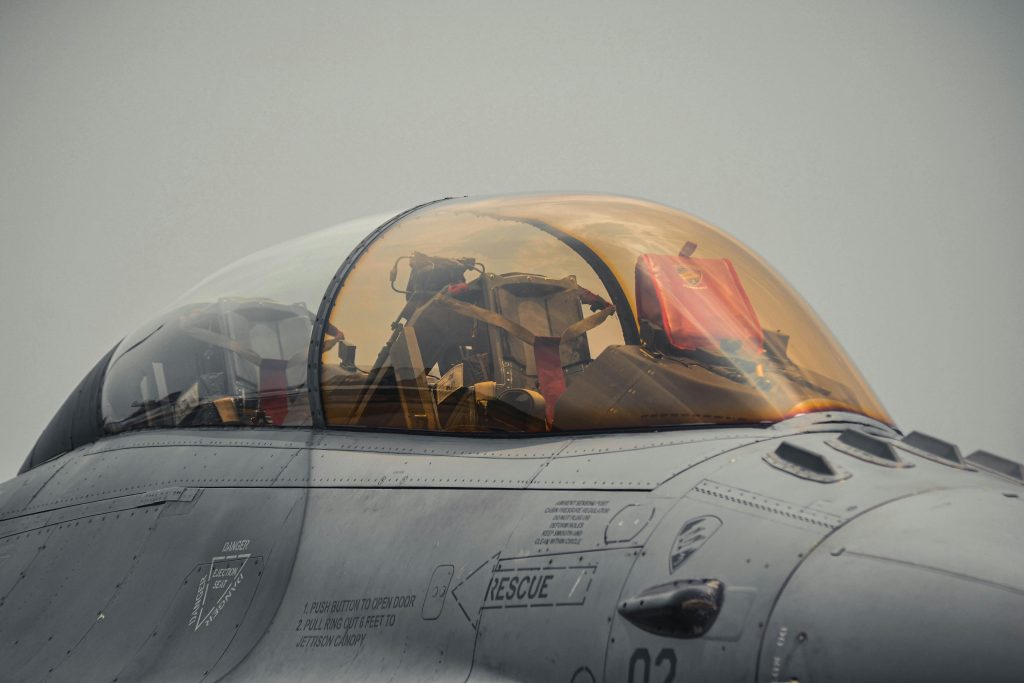
Ukrainian F-16 pilot training was compressed into 18 months-nearly a year faster than the RAF equivalents-across U.S., UK, French, Czech, and Canadian facilities. Faster pipeline requirements included the mastery of English, simulators, and combat tactics under wartime urgency. Such speed doubtless ensured that combat-ready crews would indeed emerge by mid-2025, yet the accelerated training also raised some long-term readiness concerns in putting pilots almost immediately into high-intensity interception missions.
2. F-16 Fleet’s Concentrated Operational Role
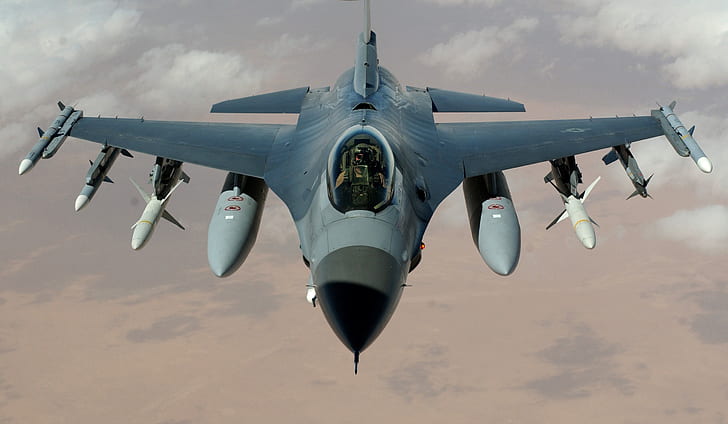
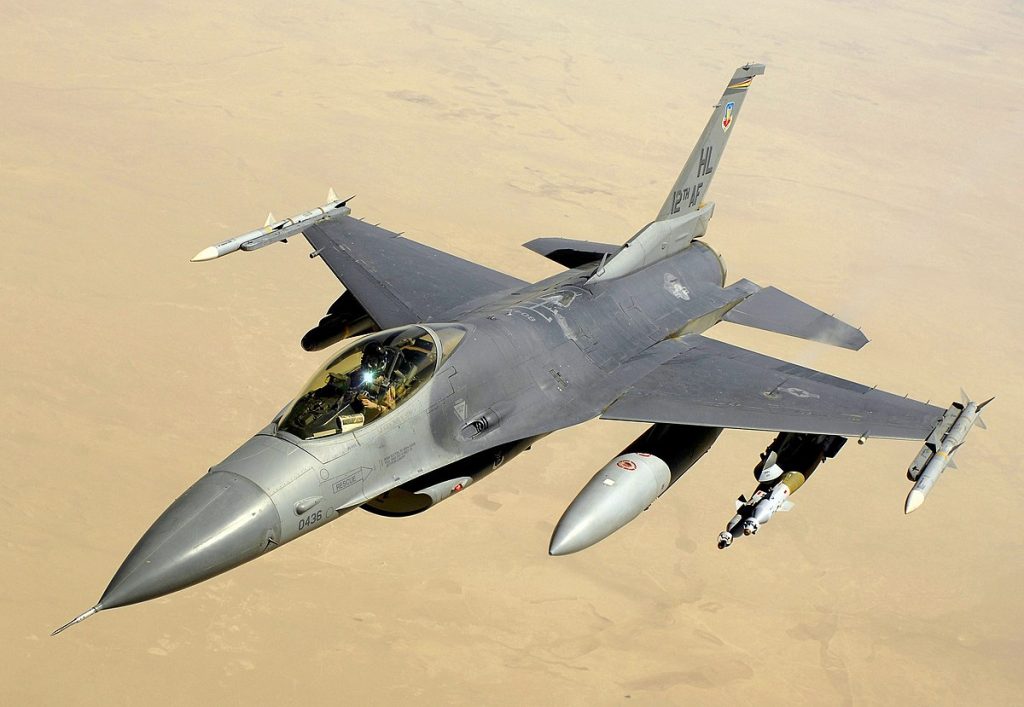
By October 2025, F-16s were flying about 80% of the sorties of the Ukrainian Air Force-a testament as much to their reliability as to the small numbers of modern jets. While intercept missions against cruise missiles and drones remained prioritized, more than 300 ground strikes have hit Russian logistics, command posts, and equipment. This twin role amplified strategic impact but stretched pilots and maintenance resources to the limit.
3. Tactical Innovation in Dispersed Basing
The Ukrainian crews started using rapid dispersal, with fighters moving several times a week to avoid targeting by the Russians. Coordination with electronic warfare teams and drone units allowed maximizing the efficiency of interceptions. This agility mirrored NATO’s decentralized doctrine, enabling the Ukrainians to sustain operations despite the attempts of the Russians to destroy aircraft on the ground.
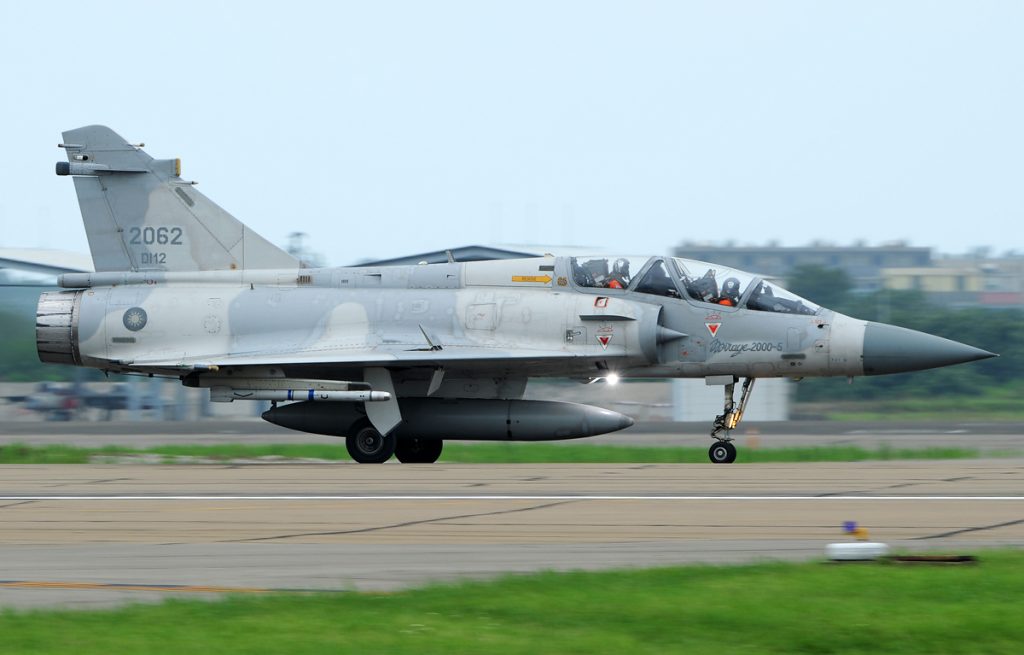
4. Mirage 2000’s 98% Intercept Rate
French-supplied Mirage 2000-5 fighters, armed with Magic 2 missiles, reportedly achieved a 98% success rate against drones and cruise missiles. Pilots remarked that longer-range weapons would be needed to cope with mass salvos, but that could be provided by the Rafale’s Meteor missile in the future. The performance of the Mirage underlined the worth of different Western platforms in Ukraine’s mixed fleet.
5. Massed Attack and Civilian Losses, November 2025
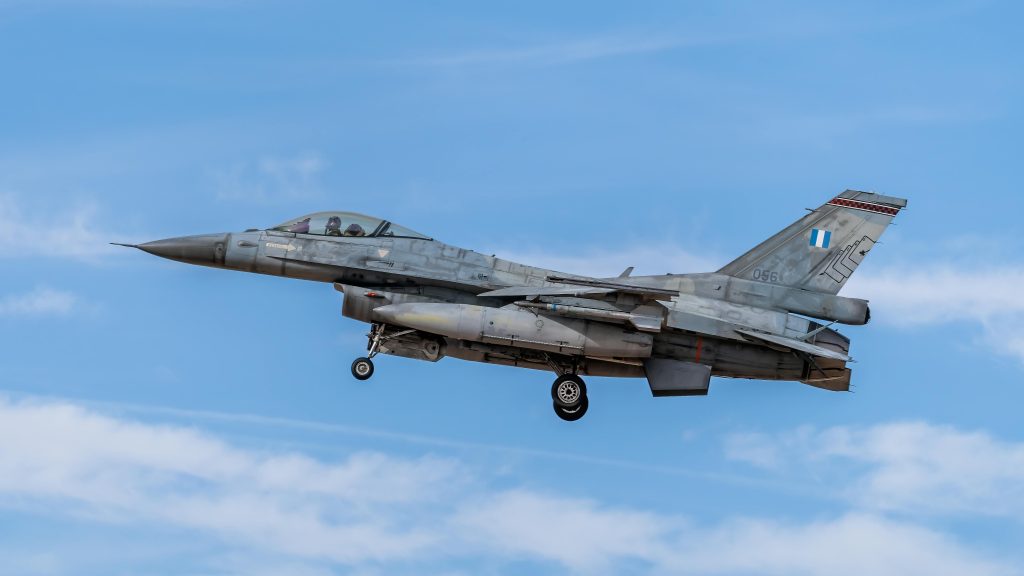
On November 19, Russia launched 476 drones and 48 missiles at western Ukraine, striking as far from the front as Ternopil. F-16s and Mirages intercepted at least ten cruise missiles, but 25 civilians were killed when some got through. This was another reminder that not even the highest interception rates can take the threat out of the skies, and civilian protection will remain a core challenge.
6. Cost-Asymmetry in Drone Warfare
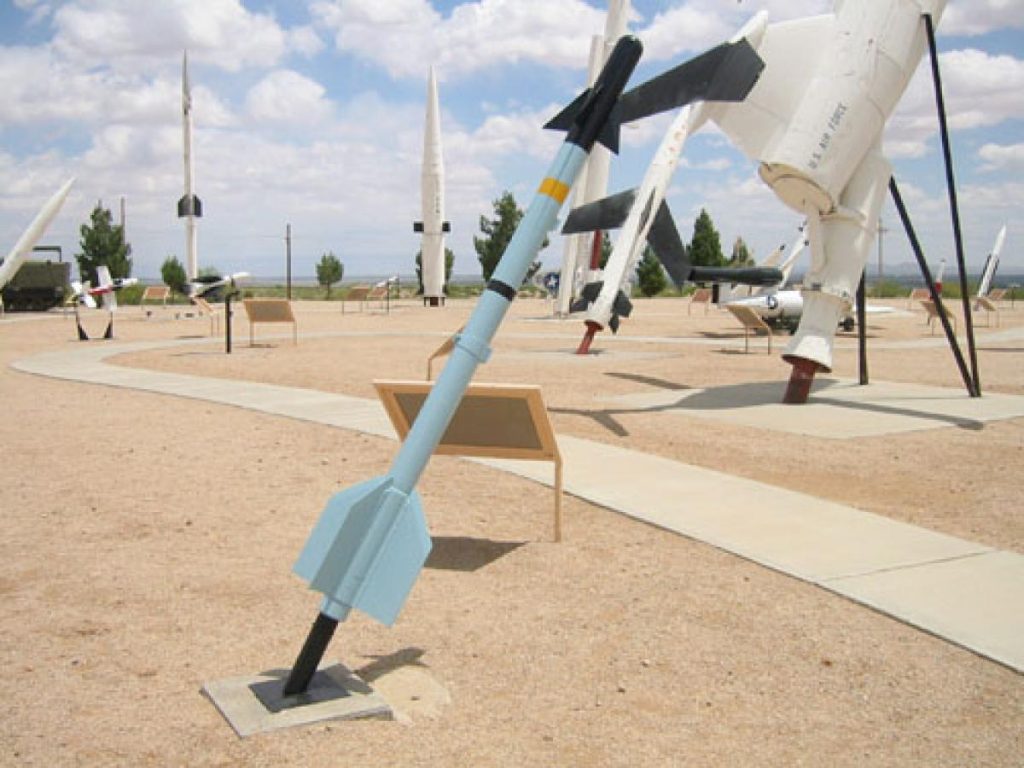
Whereas each Russian Shahed drone costs as little as $35,000 per unit, one interceptor missile in Ukraine, the AIM-9X, costs in excess of $250,000 each. That disparity works to the advantage of Russia’s attritional strategy. Ukraine’s deployment of low-cost FPV interceptor drones began to invert that calculus, allowing cheaper countermeasures against mass UAV swarms.
7. Evolving Strike Patterns in Russia
By October 2025, the cumulative Russian launches had reached 5,300 Shaheds, 74 cruise missiles, and 148 ballistic missiles. Decoupling of the launch patterns across systems reflected rhythms of industrial production, not coordinated battlefield planning. Ukrainian defenses must now rapidly pivot between swarm drones and high-speed ballistic threats.
8. Single-Mission Record and Pilot Morale
During one sortie in December 2024, a Ukrainian F-16 pilot shot down six cruise missiles, including two using cannon fire a first in the history of F-16 combat. Individual accomplishments like these served to raise morale and were reflective of growing pilot skill, reinforcing the narrative of skill matching technology.
9. Sustaining Pilot Capacity
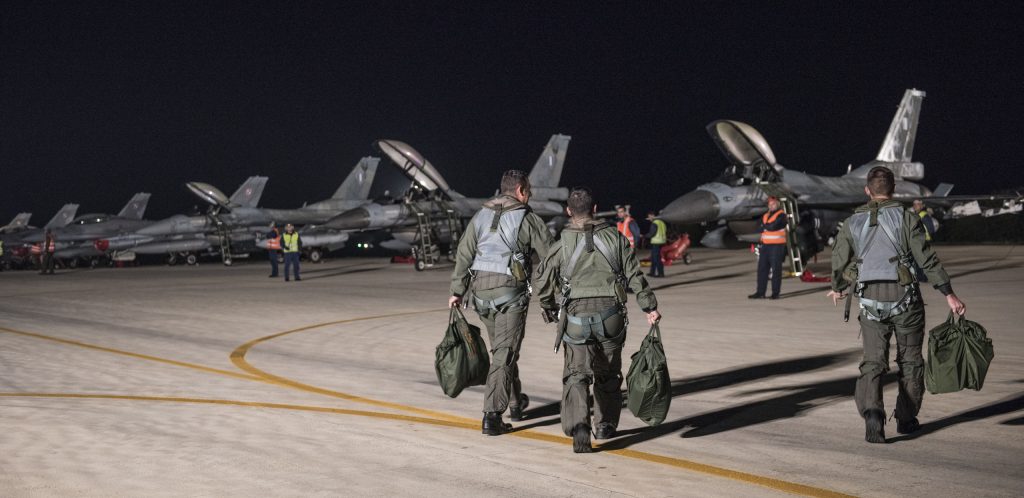
Flying the majority of sorties imposed severe strain on Ukraine’s small F-16 pilot cadre. In response, NATO rotated in allied pilots from Britain, Poland, and Canada into Ukrainian units, expanding capacity without permanently enlarging Ukraine’s roster. This was an arrangement balancing operational needs with political sensitivities over direct combat involvement.
10. Maintenance and Supply Chain Challenges
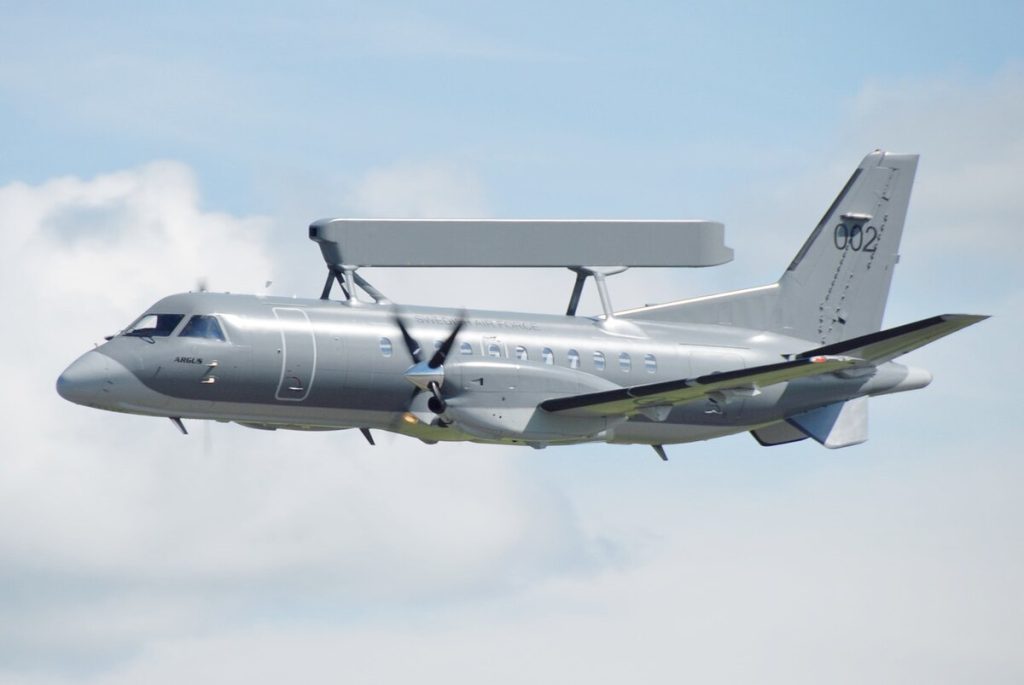
The complex Western aircraft require comprehensive maintenance and a steady flow of munitions. In 2025, U.S. contracts granted more than $310 million for sustainment, spares, and upgrades. Ukraine also received non-flying F-16s to cannibalize spares and Sweden’s Saab 340 AEW&C to improve situational awareness. Poor and/or slow resupply can lead to degraded interception capabilities.
11. Future Fleet Modernization Plans
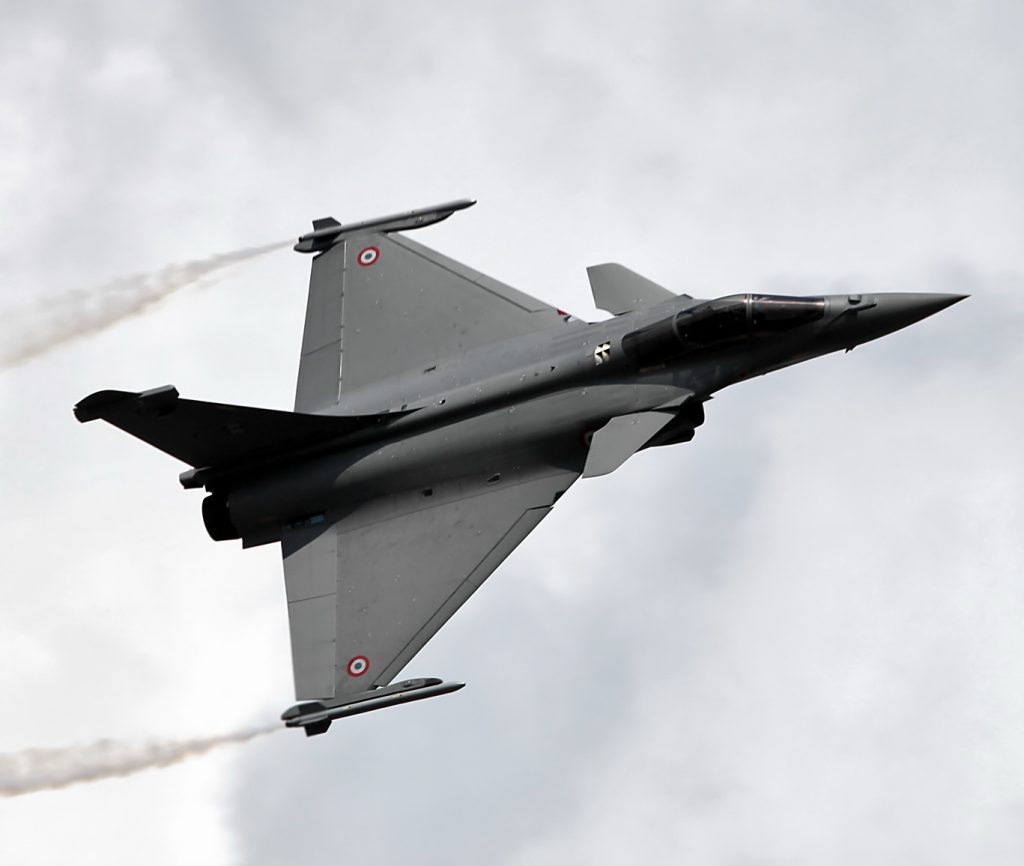
Ukraine would also purchase up to 100 Rafales, 120-150 Gripens, with more F-16s added, it said, retiring its Soviet-era jets. Deliveries of the Gripen could start in 2026, those of the Rafale later. Analysts debate whether next-generation aircraft or incremental upgrades to missiles and electronic warfare are what will most effectively shift the conflict’s trajectory. Reaching 1,300 intercepts is a testament to both NATO’s technological transfer and Ukrainian adaptability under fire.
But it also exposes the limits of even the most advanced fighters when faced with massed low-cost threats and sustained operational tempo. Lessons on cost-effective defense, multinational integration, and pilot sustainability will shape not only Ukraine’s air war but the future of allied airpower in contested environments.


