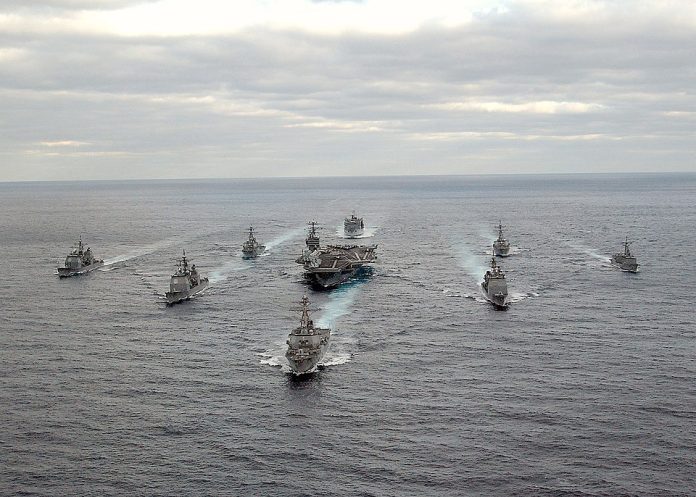
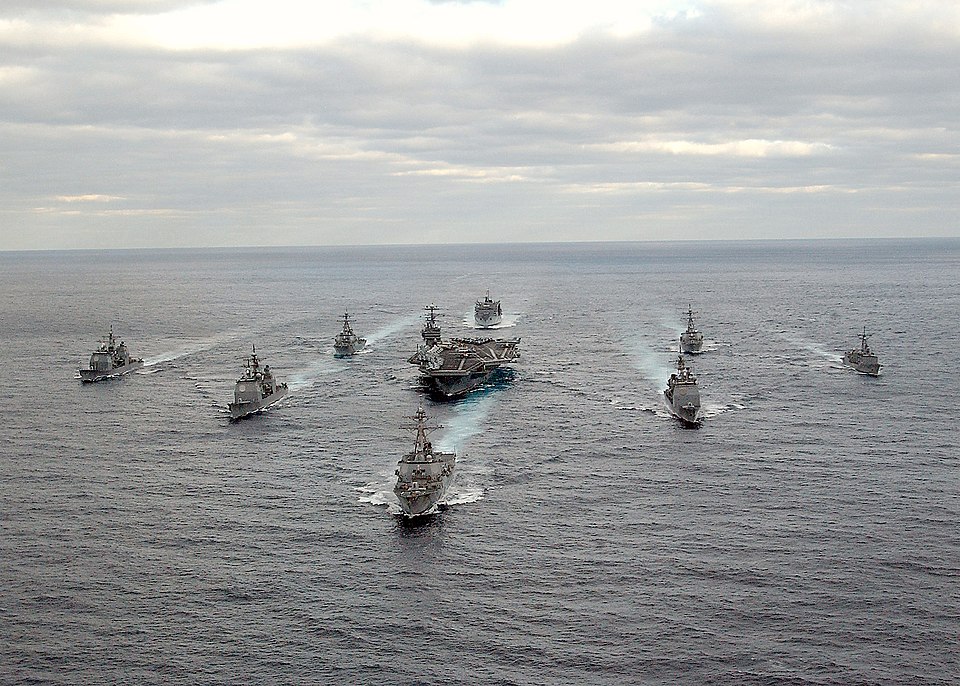
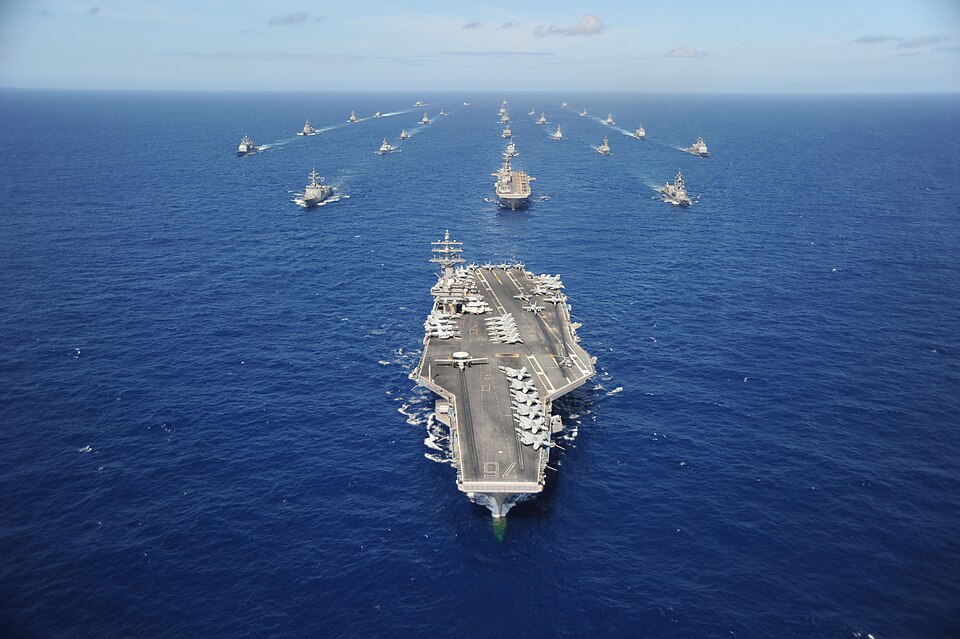
When a U.S. Navy carrier strike group loses three fighter jets and collides with a merchant vessel in less than six months, the implications are severe. These are not routine mishaps; they are high‑stakes failures that reveal vulnerabilities in training, leadership, and equipment readiness under combat pressure. The USS Harry S. Truman’s recent deployment to the Middle East has become a case study in how the operational strain can amplify vulnerabilities.
From friendly fire in the Red Sea to an avoidable collision near Port Said, all the investigations conducted by the Navy weave a very detailed picture of preventable disasters. The disclosures, which came out in December 2025, point toward systemic flaws in navigation, combat identification, and maintenance, and also poor coordination between crews. For veterans, naval analysts, and other observers concerned with defense, these were more than mere headlines about the consequences of degraded standards when conducting high-tempo operations.
1. Friendly Fire Misidentification
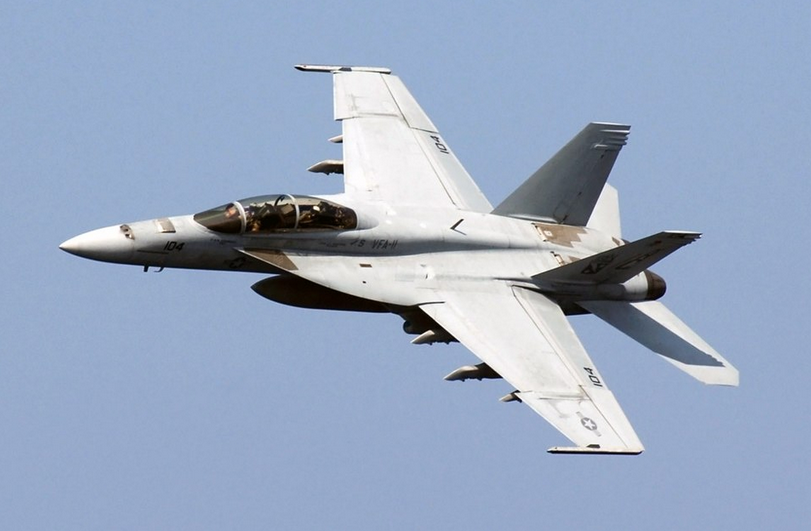
On Dec. 22, 2024, the guided-missile cruiser USS Gettysburg shot down a returning F/A‑18F Super Hornet, mistaking it for an enemy missile. The investigation concluded that the decision was neither”reasonable nor prudent” with contributing factors including a lack of integrated training, poor communication, and malfunctioning Identification Friend or Foe systems. In the 45 days before the incident, Gettysburg operated with the strike group only 15% of the time and a planned 10‑day integrated sail was cut to two due to logistical shortages. The near miss of a second aircraft-its missile passing within 100 feet-underscored how close the strike group came to losing more lives. This breakdown in coordination was compounded by equipment failures and shift changes in the combat information center: the E‑2D Hawkeye radar suffered a malfunction, and the cruiser’s AN/SPY‑1 coverage was reduced during a helicopter landing. These factors left returning fighters appearing as”unknown” contacts, prompting the fatal misidentification.
2. Collision Off Port Said
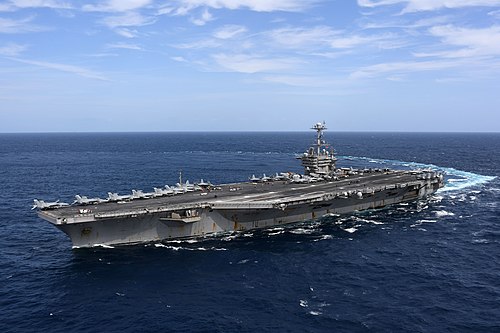
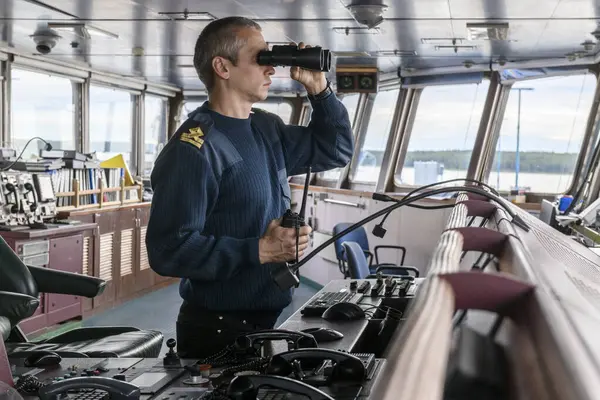
On Feb. 12, 2025, USS Harry S. Truman collided with the merchant vessel Besiktas‑M while transiting near Port Said, Egypt. In post-incident investigations, officials found the incident to be avoidable due to poor seamanship, ineffective bridge resource management, and fatigue. The carrier was at 19 knots through congested waters – well over the planned speed when the bridge team failed to safely navigate past the merchant vessel. The endorsement by Rear Adm. Todd Whalen warned that “a small change in the timing of the collision or the angle of impact could have caused catastrophic results.” Eight sailors were within 10 feet of the point of impact; a one‑degree change could have killed them. Capt. Dave Snowden, commanding officer, was relieved of duty after the incident, though his last‑minute hard right rudder order likely reduced damage and prevented fatalities.
3. Hangar Bay Loss During Missile Evasion
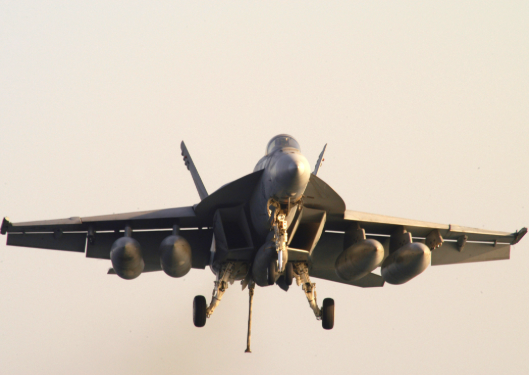
On Apr. 28, 2025, an F/A‑18E Super Hornet and a tow tractor fell from Hangar Bay 3 into the Red Sea as the carrier executed evasive maneuvers to avoid an incoming ballistic missile. The move crew had just removed chocks and chains to reposition the aircraft when the ship increased speed to 30 knots and turned sharply. The aircraft’s brake system failed, and the hangar’s worn non‑skid surface offered little traction. The communication breakdowns between the bridge, flight deck control, and hangar bay control meant the crew was unaware of the maneuver until it was too late. Quick reactions prevented injuries, but the Navy lost a $36 million jet and a $61,000 tow tractor.
4. Arresting Gear Failure on Landing
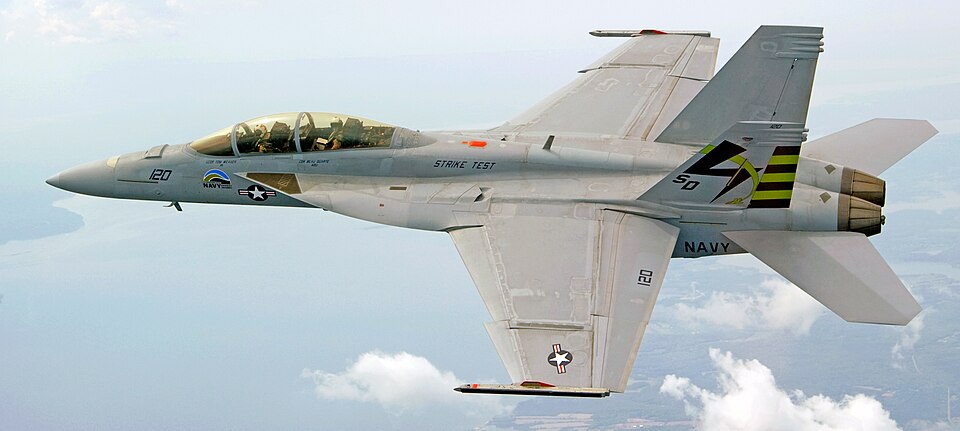
On 6 May 2025, an F/A‑18F Super Hornet two‑seat fighter plane plunged into the Red Sea when an arresting wire, #4, failed during landing. A washer was missing in the #4 starboard sheave damper that allowed the clevis pin to shear. The investigation found substandard maintenance practices, low manning, limited technical knowledge, and insufficient training in the arresting gear division. Multiple missed opportunities to detect the fault were documented, including maintenance the day before and pre‑operational checks on the day of the mishap. The high operational tempo52 consecutive days of flight operationswas cited as a contributing factor. The loss totaled $60 million for the aircraft and over $200,000 in repairs.
5. Training shortfalls across the strike group
The investigations time and again flagged deficient integrated training as a root cause. The Gettysburg incident illustrated how reduced joint exercisescut from ten days to two had left warfare commanders unfamiliar with each other’s procedures. This lack of cohesion was evident not only in combat identification failures but also in poor coordination during missile evasion. Integrated training is crucial for interoperability and, in particular, when operating apart from the main formation. Without integrated training, the watch teams do not have a common situational understanding that can lead to fatal mistakes.
6. Equipment Deficiencies and Maintenance Gaps
Two aircraft losses were directly due to material failures: Brake failure in April, which was contributed to by aging components and a hangar bay surface that had not been resurfaced since 2018; and arresting gear failure in May, which was caused by improper assembly and missing parts. In all cases, quality assurance programs let the mishaps occur, partly due to unfilled key oversight positions. These deficiencies suggest systemic maintenance culture problems: high tempo, personnel shortages lead to corners being cut and critical inspections missed.

7. Fatigue and Manning Shortages
Fatigue was a recurring theme in the reports. The “just get it done” atmosphere aboard Truman mirrored findings from past fatal collisions in 2017. In all, there were 18,000 at‑sea billets unfilled; crews were stretched thin, often switching from day to night and back again in a matter of days. Fatigue contributed to lapses in navigation, maintenance, and procedural compliance. Investigators warned that unless these manning shortfalls are remedied, incidents of this type would occur again regardless of equipment upgrades or procedural reforms.
8. Accountability of Leadership
Leadership failures were at the heart of a number of the incidents. The abdication of navigation responsibility by Capt. Snowden during the approach to Port Said violated Navy regulations. The commanding officer of Gettysburg was faulted for low situational awareness and poor judgment in the friendly fire case. The leadership in the arresting gear division allowed standards to deteriorate to”abject failure,” said Rear Adm. Sean Bailey. While the Navy confirmed accountability actions were taken, it declined to disclose details beyond Snowden’s removal, raising questions about transparency in leadership discipline.
9. Operational Pressure from Combat Conditions
During Operation Rough Rider, the Truman strike group continuously faced the prospect of Houthi missile, drone, and anti‑ship weapon attacks. Such conditions called for swift decision-making and staying prepared around the clock-but also increased the likelihood of mistakes that could have dire consequences. The high-tempo combat coupled with degraded training set the stage for an inevitable, preventable mishap to occur. Vice Chief of Naval Operations Adm. Jim Kilby said battle-ready forces cannot be delivered “without continuing to invest in our people,” as lessons from these incidents become embedded into future operations. The deployment of the USS Harry S.
Truman has underlined how such high‑pressure combat operations could bring to light and magnify the weaknesses in training, leadership, and equipment readiness. Each one of the four significant incidents was judged to have been avoidable; nonetheless, over a few months, they took place. For the defense professional and for any naval observer, investigations stand as a grim reminder: in modern naval warfare, lapses in preparation and coordination can have catastrophic consequences, even without enemy fire finding its mark.


