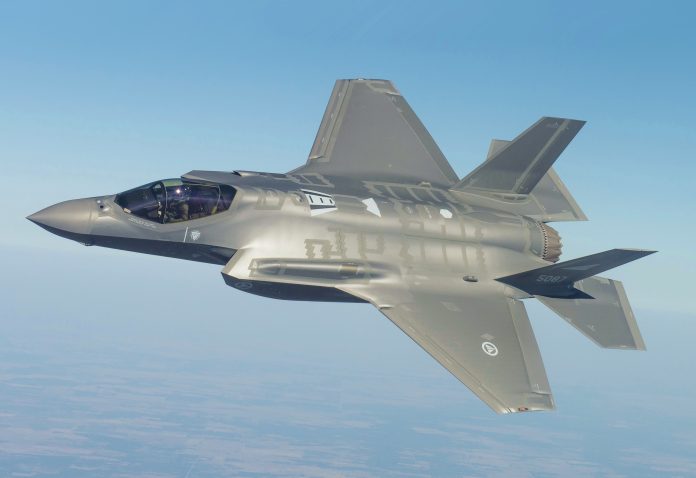
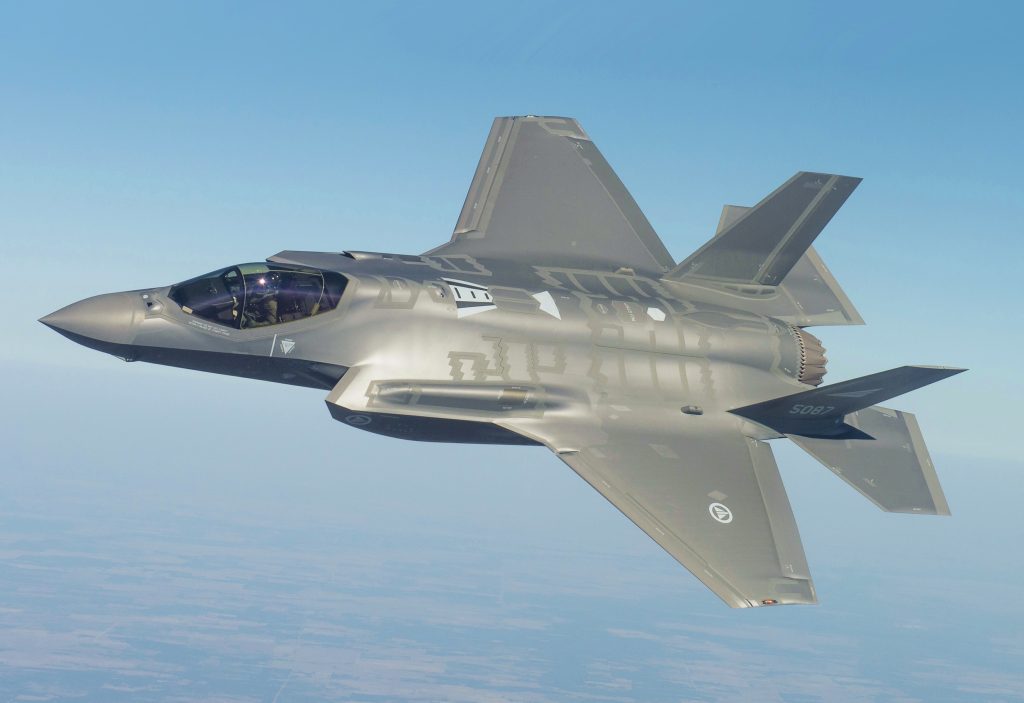
Is the F-35 Lightning II the most formidable fighter jet ever built, or just the most talked about? For military aviation enthusiasts and those tuned into technology in defense, it all comes down to the details-engineering breakthroughs and strategic design choices that push the boundaries of modern air power. The F-35 isn’t just another aircraft; it is a multirole, networked warfare platform redefining how air forces operate in contested skies.
Born out of the high-stakes Joint Strike Fighter program, the F-35 merged stealth, agility, and unparalleled situational awareness into one package. It has three variants, the F-35A, F-35B, and F-35C, serving air forces, marine expeditionary units, and carrier strike groups around the world. Having produced over 1,255 units flown by 20 nations, it is more than a fighter; it’s a coalition force multiplier. A deep dive follows into ten of the key capabilities that make this aircraft a true powerhouse.
1. Origins in the Joint Strike Fighter Program
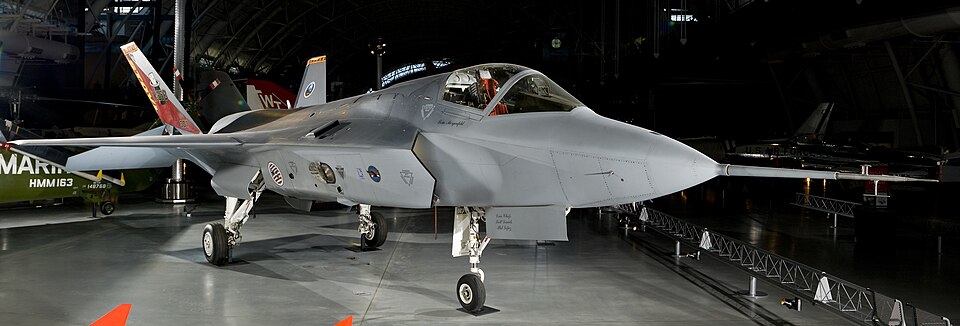
Interest in the F-35 dates back to the early 1990s, when the U.S. pursued a single family of aircraft to replace aging fighters across multiple services. The JSF program combined DARPA’s STOVL tactical jet effort with the Joint Advanced Strike Technology effort, demanding advanced stealth, sensor fusion, and multirole adaptability. The X-35 from Lockheed Martin won out over Boeing’s X-32 after demonstrating superior STOVL and supersonic performance in one configuration-a feat that Boeing’s design could not emulate without modification. The company’s victory set the stage for a fighter built upon commonality across variants-reducing costs and increasing interoperability among allied forces.
2. Pratt & Whitney F135: The Most Powerful Fighter Engine
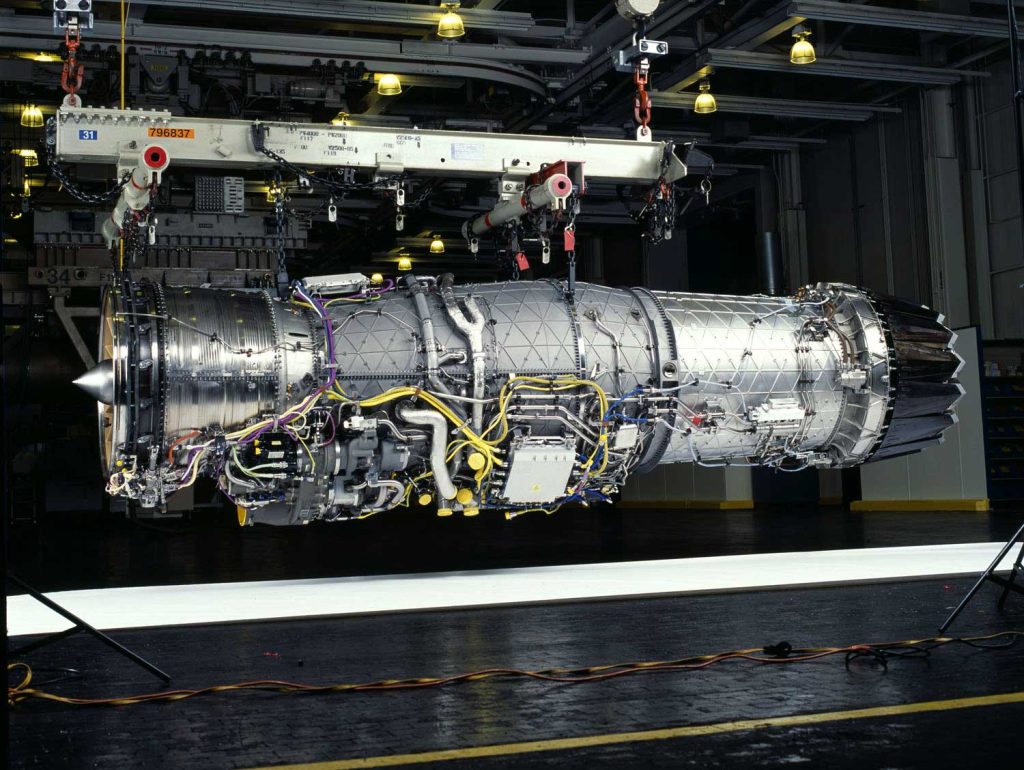
At the heart of the F-35 is the Pratt & Whitney F135 engine, delivering over 40,000 lbs of thrust. This power enables Mach 1.6 speeds and extreme acceleration while supporting the F-35B’s short-takeoff/vertical-landing capability via a unique lift-fan system. The design of the engine reduces infrared signature without sacrificing performance, enabling the aircraft to be stealthy even under high power application. Efficiency and large internal fuel capacity translate into significant combat radius for the F-35, with further enhancement via in-air refueling.
3. Shaping for Stealth and Low Observability
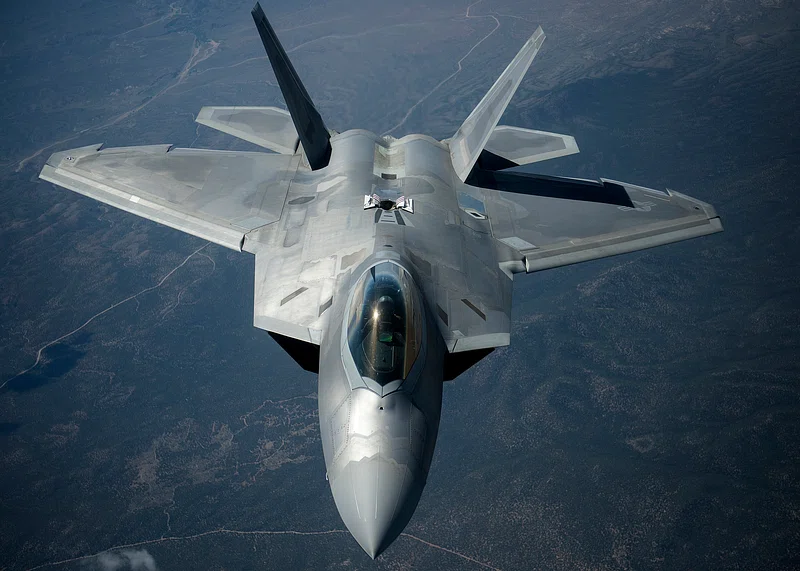
Designed with low-observable shaping, the F-35 airframe also features radar-absorbing material for minimized detectability. It leverages knowledge and experience from the F-22 and earlier stealth platforms, and also includes technologies enabling its ability to penetrate double-digit SAM threat environments. Other stealth enablers include diverterless supersonic inlets masking the compressor blades from radar, as well as internally carried weapons bays to retain stealth on strike missions. This profile is crucial for survival in modern A2AD environments.
4. Sensor Fusion for Unmatched Situational Awareness
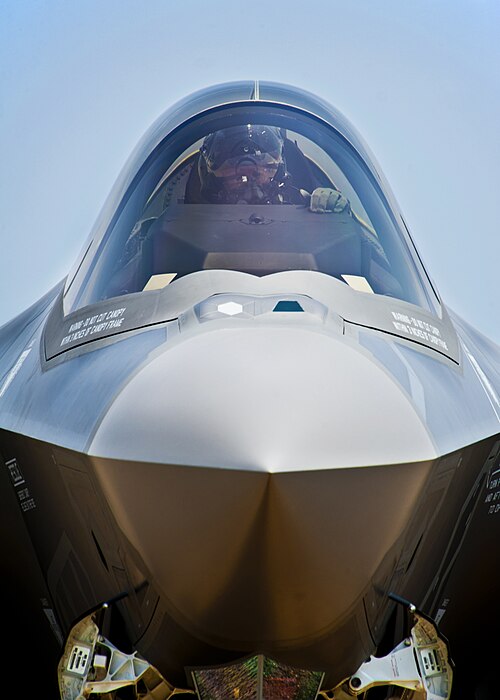
Advanced systems such as the AN/AAQ-37 Distributed Aperture System provide 360° infrared coverage, missile warnings, and day/night imagery. The Electro-Optical Targeting System provides long-range precision targeting without compromise to stealth. This information is fused with data from the AN/APG-81 AESA radar and electronic warfare suites, providing pilots with a comprehensive picture of the battlespace. The Helmet-Mounted Display System places this information directly onto the pilot’s visor, allowing them to “see through” the aircraft and enabling faster reaction times in complex engagements.
5. Multirole Combat Versatility
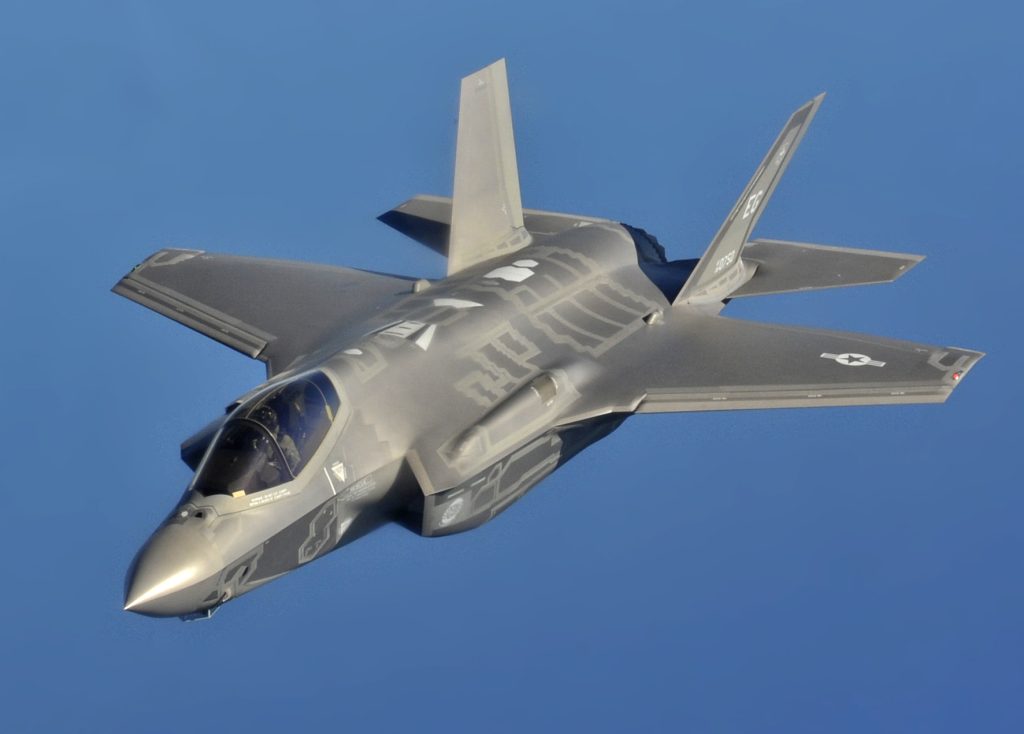
The F-35 replaces a wide range of specialized aircraft, performing air-to-air, air-to-ground, electronic warfare, reconnaissance, and surveillance missions. Internal carriage supports stealth strikes, while external pylons allow heavier payloads when low observability isn’t required. Open architecture and modular systems enable rapid integration of new sensors, weapons, and emerging technologies, such as autonomous drone teaming, assuring relevance against the evolving threat landscape.

6. Networked Warfare and Coalition Interoperability
The F-35 is designed for net-centric operations, melding data from its sensors with those on other friendly aircraft, ground forces, and maritime platforms. Common mission systems and communications architecture among operators enable undeviating joint missions. Link-16 and the Multi-Function Advanced Datalink enable secure, high-bandwidth information sharing even in anti-access/area denial environments. Interoperability further enhances deterrence through the creation of a unified combat ecosystem among NATO and partner-nation operators.
7. Strategic Deterrence and Fleet Modernization
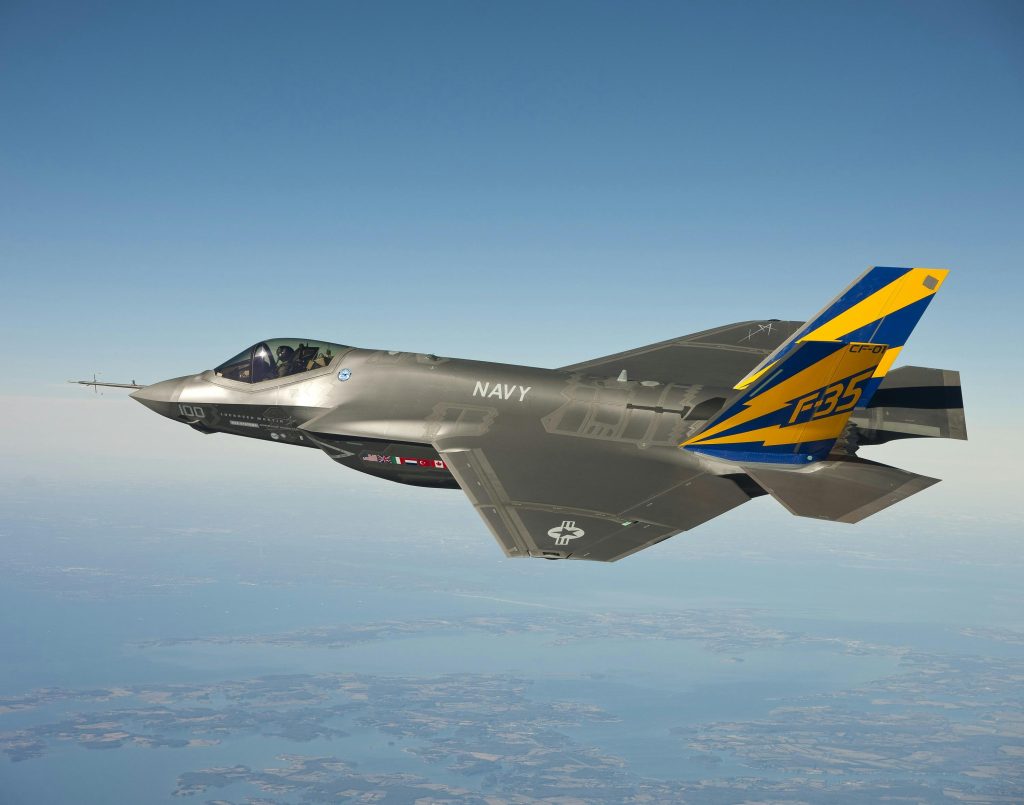
The F-35 replaces legacy fighters, simultaneously rationalizing fleets while modernizing capabilities. Additionally, the stealth and sensor fusion of the F-35 further complicate adversary planning and increase risks to hostile air operations. The large number of countries operating or committed to operate the F-35-nearly 20-sustains collective defense and shares logistics, forming a foundation for a modern air dominance strategy.
8. Block 4 Modernization: Future-Proofing the Fleet
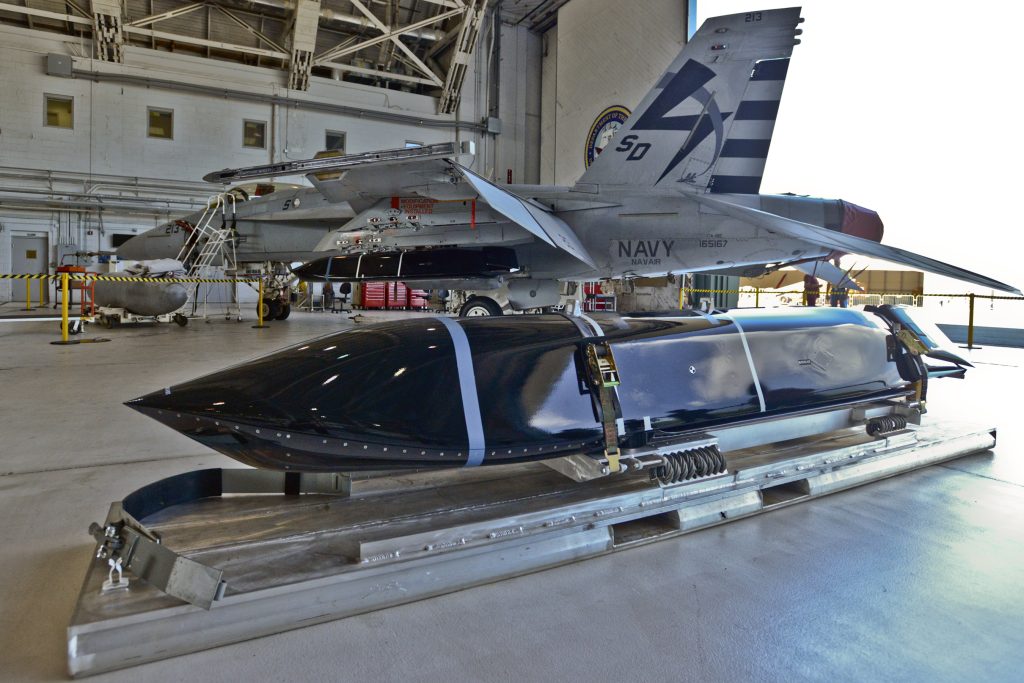
The Block 4 upgrade currently underway introduces more than 75 improvements, including the AN/APG-85 radar, expanded electronic warfare capabilities, and integration of new weapons such as the AIM-260 JATM and AGM-158C LRASM. Technology Refresh 3 introduces 25 times the computing power of earlier configurations, open mission systems architecture, and enhanced cockpit displays. These upgrades increase lethality, survivability, and adaptability for decades to come.
9. Expanding Payload and Mission Profiles
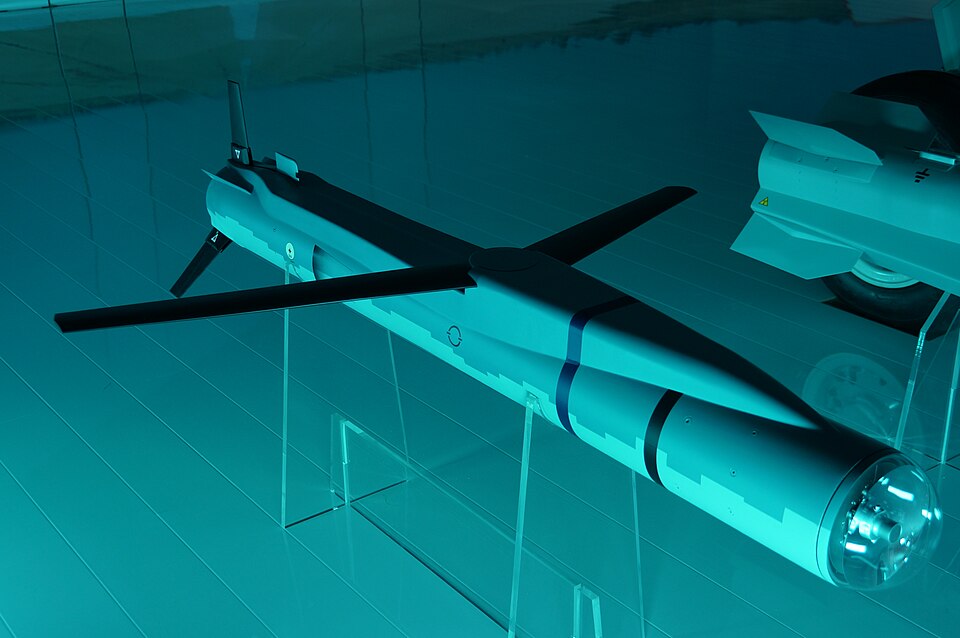
With an increased payload capacity up to 18,000 lbs, the F-35 can tote a wider mix of munitions for various missions, ranging from air superiority to deep strike. Advanced integrations, along with newer ones such as SPEAR 3, further extend the reach into carrying advanced anti-ship missiles. The fact that it can have external loadouts means it can carry a comparable or even superior payload weight than that of older strike aircraft in missions where stealth is not a priority.
10. Designed for long-term capacity growth
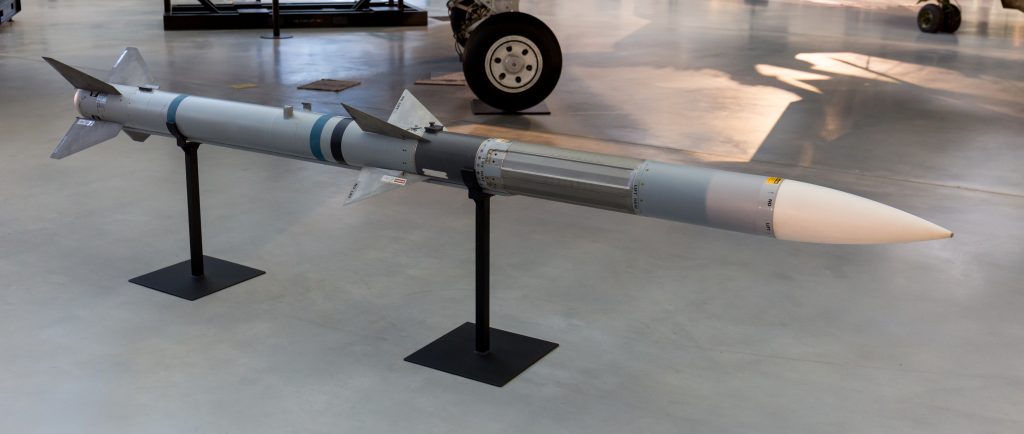
The F-35’s excess power and cooling capacity anticipate future systems such as directed energy weapons. Plans to expand internal AIM-120 carriage to six missiles and develop hit-to-kill munitions like Cuda reflect its adaptability. Open architecture assures that, as threats evolve, the F-35 will incorporate next-generation sensors, weapons, and countermeasures without major redesigns.
The F-35 Lightning II is more than a fifth-generation fighter; it’s a strategic asset engineered for dominance in both today’s and tomorrow’s battlespaces. From its genesis with the JSF program to its Block 4 capabilities still in evolution, every nuance of its design reflects a commitment to adaptability, coalition strength, and technological superiority. To the military aviation enthusiast, it’s a living blueprint of how modern air power can be shaped for the increasingly complex threat environment.


